Bioethanol Yeast Supplier for Industrial Fermentation
A bioethanol yeast supplier provides industrial fermentation yeast for converting starch, sugar, and cellulosic hydrolysates into fuel alcohol at plant scale. ArtemisYeast supports procurement teams, plant managers, and process engineers sourcing active dry yeast and related fermentation inputs for fuel ethanol, technical alcohol, and biorefinery operations. Buyers typically evaluate strain robustness, fermentation temperature range, alcohol productivity, inhibitor tolerance, shelf life, packaging format, and documentation before approving supply. Our role is to match commercial requirements with suitable bulk yeast specifications, practical logistics, and wholesale pricing on request.
What this category/application covers
Bioethanol and industrial fermentation applications use selected yeast to convert fermentable sugars into alcohol and carbon dioxide under controlled plant conditions. Typical substrates include corn mash, sugar cane juice, molasses, cassava, wheat, sorghum, and hydrolysates from mixed agricultural raw materials. Some projects require standard fuel alcohol performance, while others prioritize high-gravity fermentation, shorter cycle time, or operation under elevated temperature. This application also overlaps with process nutrients, fermentation aids, and selected technical yeast products used in pilot trials or commercial plants. For adjacent alcohol, beverage, and specialty fermentation needs, procurement teams can also review brewing and winemaking yeast and fermentation processing inputs.
Common products and formulations
- Industrial active dry yeast: dry, free-flowing yeast designed for reliable rehydration, rapid fermentation start, and bulk storage convenience.
- High-gravity fermentation yeast: options selected for elevated sugar levels, higher alcohol targets, and reduced dilution where plant conditions support the process.
- Thermotolerant yeast options: strains considered for plants operating in warmer regions or processes where cooling capacity is limited.
- Feedstock-specific trial lots: yeast matched to corn, cane, cassava, molasses, or mixed substrates during technical screening.
- Complementary fermentation inputs: nutrients and process aids may be considered depending on mash quality, nitrogen balance, mineral profile, and inhibitor load. Available bulk items can be reviewed through current product options.
How to choose
Start with your substrate, target alcohol yield, fermentation temperature, pH range, cycle time, and plant hygiene profile. A yeast that performs well in clean sugar streams may not be the best choice for lignocellulosic hydrolysate or variable molasses. Ask for data relevant to your feedstock rather than relying only on general strain descriptions. Key buying questions include viable cell specification, moisture range, recommended pitching rate, rehydration guidance, alcohol tolerance, inhibitor sensitivity, storage conditions, packaging size, pallet configuration, and expected shelf life.
Procurement should also align with operations. Confirm whether your plant prefers 10 kg, 20 kg, or 25 kg bags, whether container-load planning is needed, and whether a safety stock program is required. For new plants, R&D teams often begin with lab or pilot fermentation, then move to a controlled production trial before long-term supply approval. If your requirement is outside standard packaging or specification ranges, ArtemisYeast can prepare a custom bulk quotation based on forecast volume, destination, and documentation needs.
Quality and documentation
Industrial fermentation buyers need more than a product name. They need specification consistency, lot traceability, microbiological limits, storage guidance, and export-ready paperwork. Typical documentation may include product specification, certificate of analysis, safety data sheet, allergen or ingredient statements where relevant, packing list, commercial invoice, and origin-related documents for import clearance. For approved supply programs, buyers may also request batch retention practices, change-notification expectations, and quality agreement points.
ArtemisYeast supports structured supplier review with documentation aligned to B2B procurement workflows. Quality expectations, sampling, and lot release discussions can be coordinated through our quality and documentation process before the first commercial shipment.
Why work with ArtemisYeast
- Independent sourcing support: we help compare suitable yeast specifications for fuel alcohol and biorefinery use without forcing a single plant model.
- Bulk procurement focus: quotations are prepared for wholesale and industrial volumes, with no public price list and bulk quote on request.
- Application-aware discussions: our team asks about feedstock, temperature, cycle time, inhibitor risk, and packaging before recommending options.
- Export and logistics coordination: we can support container planning, consolidated shipments, and documentation requirements for international buyers.
- Scale-up pathway: buyers can move from sample review to trial order and recurring supply with clearer technical and commercial checkpoints.
To evaluate ArtemisYeast as your bioethanol yeast supplier, share your feedstock, monthly volume, target destination, preferred packaging, and required documents. Our team will prepare a bulk quote on request and can coordinate samples or technical documentation through the request quote process.
Recommended Categories
For bioethanol & industrial fermentation workflows, customers most often need media and reagents from these categories. Each ships free worldwide.
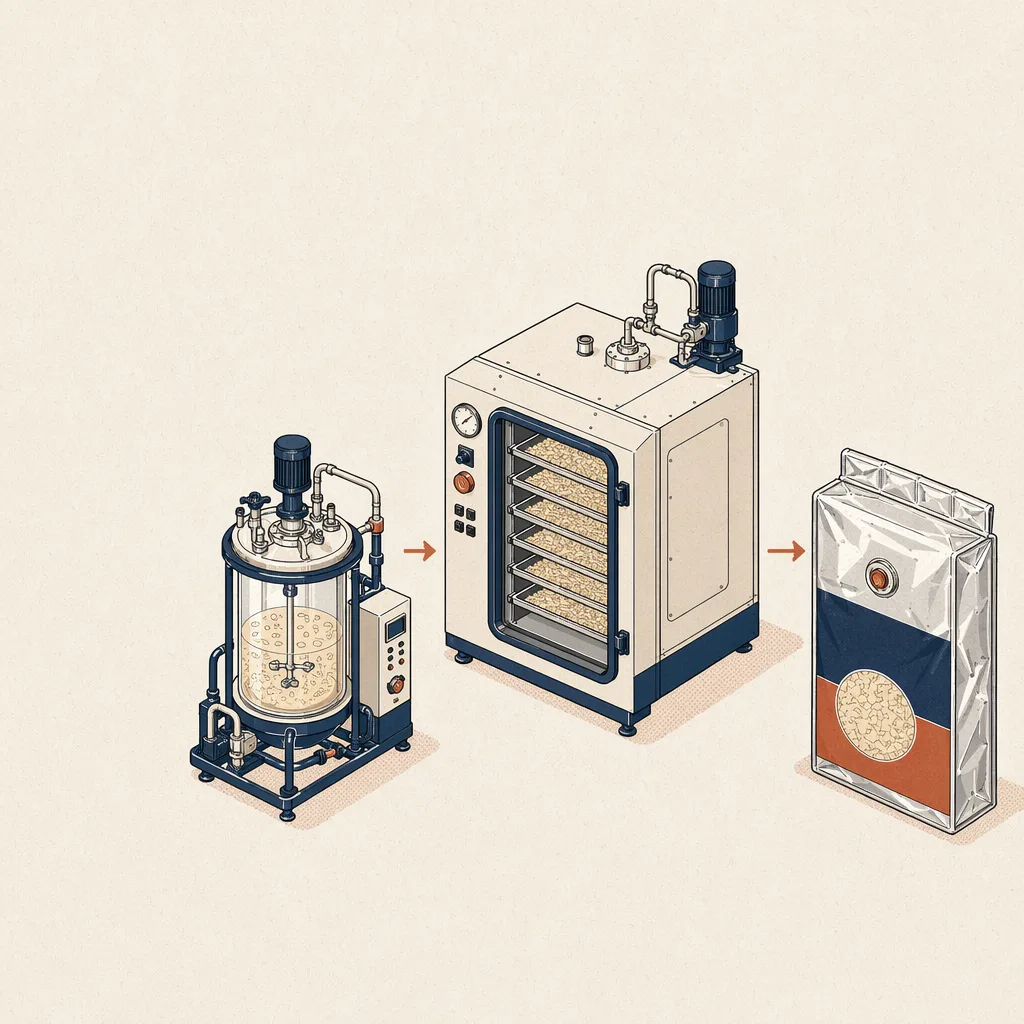 № —
№ — Brewing & Winemaking Yeast
Active dry brewing yeast, wine yeast strains, distillation yeast, and nutrient blends for craft brewers, wineries, distilleries, and ethanol plants.
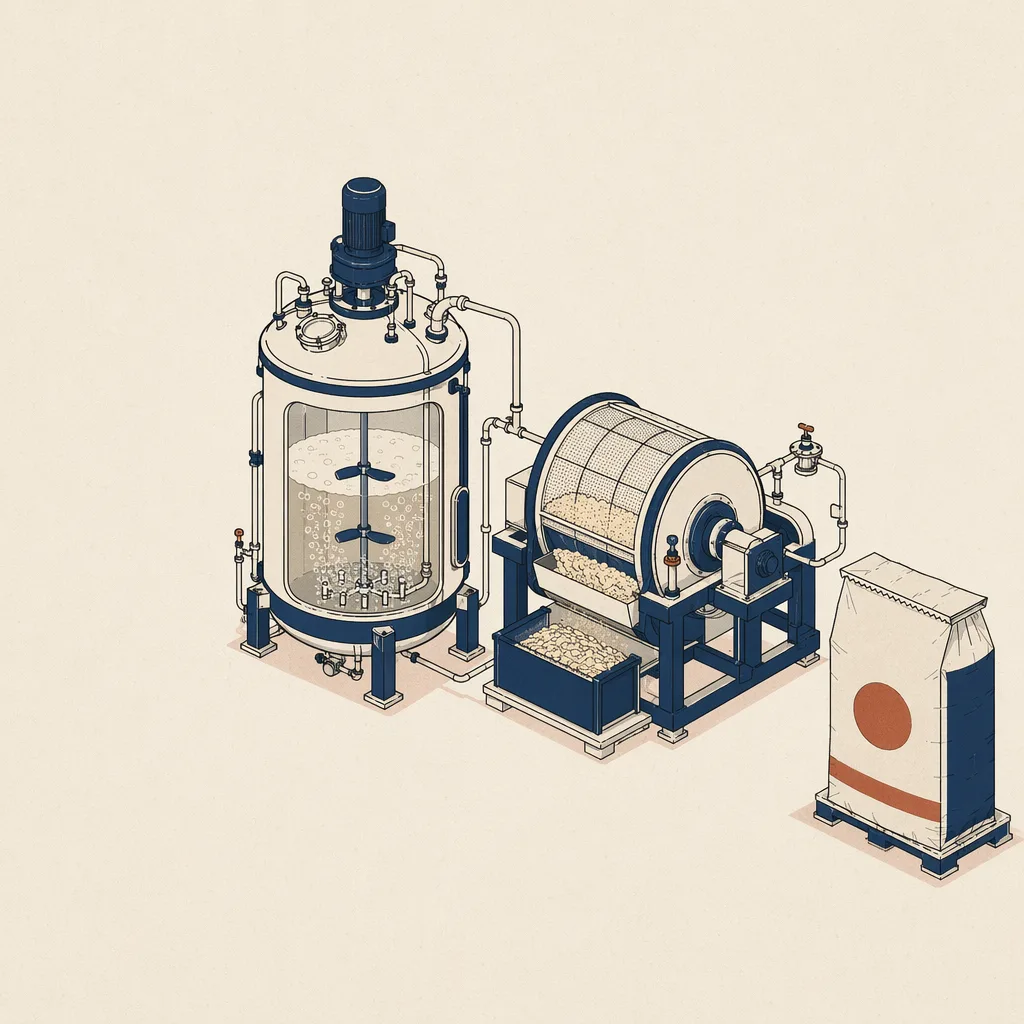 № —
№ — Enzymes & Fermentation Inputs
Bakery enzymes, brewing enzymes, distillation amylases, and yeast-derived fermentation aids for industrial processing lines.
Common questions about bioethanol & industrial fermentation
01 What information is needed for a bioethanol yeast quote?
02 Can one yeast work for corn, cane, cassava, and molasses?
03 Do you publish prices for industrial fermentation yeast?
04 What packaging formats are common for fuel ethanol plants?
05 Can ArtemisYeast support plant trials before recurring supply?
Discuss your bioethanol & industrial fermentation requirements
Tell us about your cell line, target scale, and regulatory context. We will recommend specific products, share documentation, and quote pricing.