Yeast Extract Bouillon & Soup Flavor Solutions
Yeast extract bouillon is a savory yeast-derived ingredient system used to build umami, body, and roasted broth notes in cubes, powders, pastes, and ready-to-use soups. For procurement, R&D, and plant teams, the buying question is not simply “which flavor tastes strongest?” It is how the ingredient performs in salt systems, fat carriers, dry blending, extrusion, tableting, paste filling, retort, and hot-fill processes. ArtemisYeast supplies bulk yeast extract powders and pastes for industrial bouillon and soup manufacturing, with wholesale pricing on request and documentation matched to your market, label, and production requirements.
What this category/application covers
Bouillon and soup applications use yeast extract to create a rounded savory base where meat, vegetable, spice, salt, and fat systems must taste complete after dilution. In cube and granule formats, yeast extract helps provide impact in a compact dose. In instant soup mixes, it improves broth continuity so the reconstituted cup does not taste thin or purely salty. In liquid broths, sauce bases, and culinary concentrates, it supports depth, cooked notes, and lingering mouthfeel.
ArtemisYeast positions this application around practical industrial needs: consistent sensory performance, predictable solubility, controlled color, manageable hygroscopicity, and compatibility with your process. Buyers can review related savory ingredient options under savory yeast extract categories, compare standard items through bulk product listings, or discuss application-specific matching for bouillon and soup systems. Common end uses include chicken-style, beef-style, vegetable, mushroom, seafood-style, noodle soup seasoning, gravy premix, dehydrated broth, stock powder, and reduced-meat or meat-free flavor systems.
Common products and formulations
- Light savory yeast extract powder: used where a clean broth profile, pale color, and fast dispersion are required for instant soups, noodle seasoning sachets, and vegetable bouillon.
- Roasted and meaty profile yeast extract: selected for beef-style, chicken-style, mushroom, onion, brown sauce, and gravy applications that need deeper cooked notes.
- High-umami yeast extract: chosen when the formula needs stronger taste intensity at low inclusion, especially in salt-reduced or cost-optimized systems where flavor lift matters.
- Yeast extract paste: useful for wet blends, culinary concentrates, liquid broths, and sauce bases where viscosity, dissolution, and direct integration into water or fat phases are priorities.
- Carrier-blended savory bases: custom blends can combine yeast extract with salt, maltodextrin, vegetable powders, spice carriers, or processing aids to simplify dosing and reduce weighing steps at the plant.
- Clean-label oriented options: available for manufacturers seeking recognizable ingredient declarations, plant-based positioning, or replacement of more complex flavor systems while maintaining savory balance.
How to choose
Start with the finished product format. A bouillon cube needs an ingredient that survives compression, resists caking, and releases flavor quickly in hot water. A loose instant soup powder needs flowability, low dusting, and uniform particle distribution with starch, vegetables, noodles, salt, and spices. A paste concentrate needs the right viscosity and microbial specification for bulk handling. A retorted or hot-filled soup may require a profile that remains stable after heat processing.
Next, define the sensory target. Some formulas need a clean base that lets herbs and vegetables lead. Others require roasted, browned, meaty, or fermented complexity. Ask whether the yeast extract bouillon component is expected to replace meat extract, reduce salt perception gaps, extend a broth base, or simply increase overall umami. The target dose should be validated in the final matrix, not only in water, because fat, starch, salt, acid, and spice heat can change perception.
Procurement teams should request particle size, moisture, salt contribution, recommended storage, shelf life, allergen position, country-of-origin documentation, and minimum order information before approval. R&D should request samples across at least two intensity levels to compare cost-in-use rather than price per kilogram alone. For projects requiring a proprietary taste profile, ArtemisYeast can support a custom quote based on target application, annual volume, packaging, and documentation needs. Bulk quote on request is recommended for multi-site rollouts or tender planning.
Quality and documentation
Industrial soup and bouillon manufacturing depends on repeatability. Each approved lot should match agreed sensory, physical, and documentation requirements so production does not need to reformulate from shipment to shipment. Typical documentation can include specification sheet, certificate of analysis, ingredient declaration guidance, allergen statement, non-GMO statement where applicable, origin details, shelf-life information, safety data sheet when relevant, and packaging data.
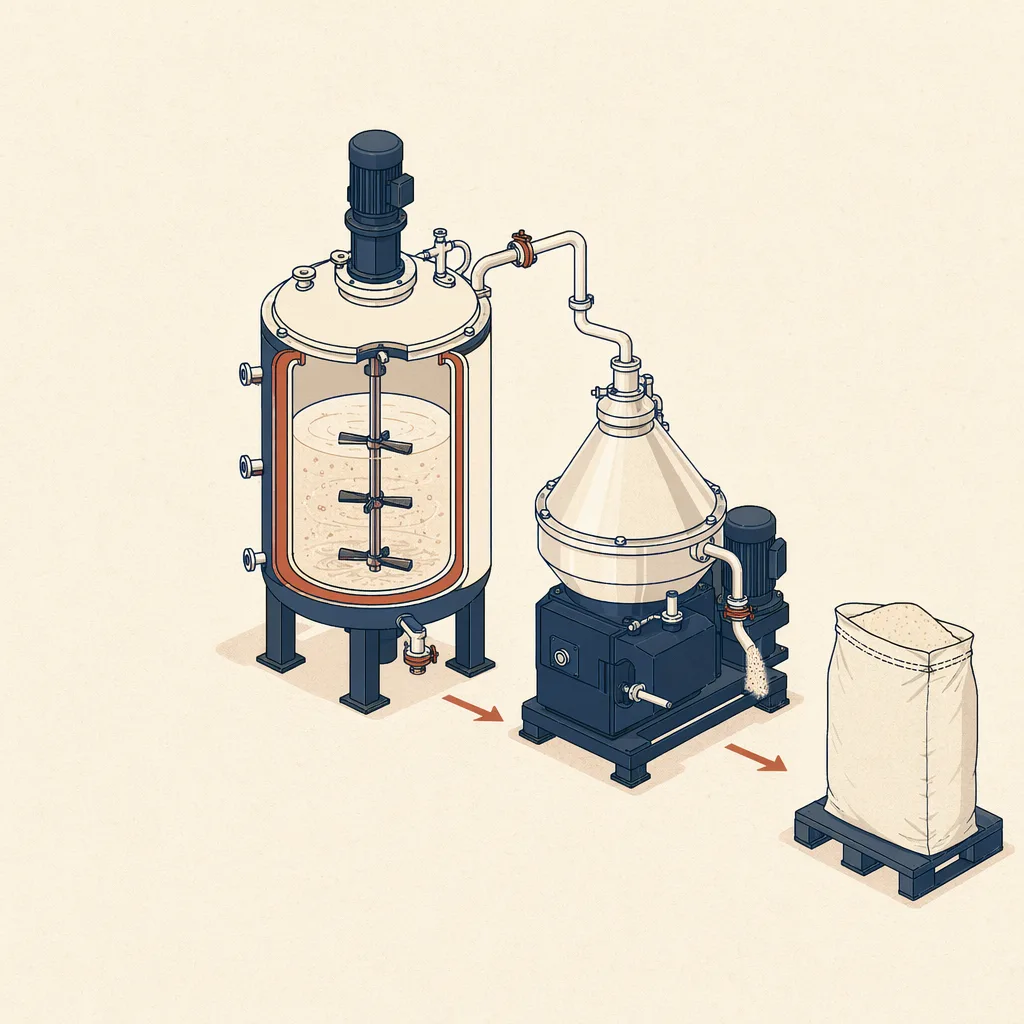
Quality review should also include practical handling characteristics. Powdered yeast extract may be sensitive to humidity, so storage conditions, bag integrity, pallet protection, and warehouse rotation matter. Paste products require attention to container type, pumping or scooping method, temperature exposure, and resealing practices after opening. For dry bouillon lines, confirm whether the selected material is compatible with ribbon blending, sachet filling, cube pressing, granulation, or agglomeration. For wet soup lines, test solubility and flavor release under your actual heating profile.
ArtemisYeast supports documentation review through its quality and compliance resources. Buyers preparing supplier approval can ask for current technical files, sample COA format, packaging photos, and logistics information before placing a commercial order. This helps procurement, quality assurance, and R&D teams align before the first bulk shipment.
Why work with ArtemisYeast
- Application-led sourcing: we match yeast extract to bouillon cubes, instant soup sachets, broth powders, culinary pastes, and liquid soup bases rather than offering a one-size ingredient.
- Bulk supply focus: our service is structured for industrial buyers that need repeat orders, export documentation, consolidated shipments, and wholesale pricing on request.
- Technical sampling support: R&D teams can compare profiles for umami strength, color, aroma, solubility, salt contribution, and finished-product performance.
- Procurement clarity: we provide pack size, lead time, specification, and documentation details early so buyers can assess total landed cost and approval timing.
- Flexible project handling: standard items are available for routine purchasing, while custom matching can support tenders, brand extensions, private label soup programs, and regional taste targets.
- Quote-based commercial process: submit your application, target annual volume, market, and documentation requirements through request quote so ArtemisYeast can return a relevant bulk supply proposal.
Recommended Categories
For bouillon & soup workflows, customers most often need media and reagents from these categories. Each ships free worldwide.
Common questions about bouillon & soup
01 What does yeast extract do in bouillon and soup formulations?
02 Is powder or paste better for bouillon manufacturing?
03 How should we evaluate cost-in-use?
04 Can ArtemisYeast support clean-label or plant-based soup projects?
05 How do we request samples and wholesale pricing?
Discuss your bouillon & soup requirements
Tell us about your cell line, target scale, and regulatory context. We will recommend specific products, share documentation, and quote pricing.