Yeast Protein Supplement Ingredients for Sports & Active Nutrition
A yeast protein supplement is a yeast-derived protein ingredient used in powdered, bar, beverage, and active-nutrition formulations. For B2B sports-nutrition buyers, yeast ingredients can help build plant-forward protein systems, savory or neutral nutrition bases, nucleotide-rich blends, and B-vitamin positioned products without relying on dairy or soy as the only option. ArtemisYeast supplies bulk yeast protein concentrate, nutritional yeast, and selected yeast-derived formats for brands, contract manufacturers, and R&D teams developing active lifestyle products. We support ingredient selection, specification review, sample coordination, and wholesale pricing on request for commercial projects.
What this category/application covers
Sports and active nutrition covers ingredient systems used in protein powders, ready-to-mix sachets, nutrition bars, meal-support blends, fortified food bases, and performance-oriented lifestyle products. In this application, yeast ingredients are valued for protein contribution, amino acid profile, B-vitamin content, fermentation-derived positioning, and compatibility with vegetarian or flexitarian product concepts. A yeast protein supplement can be used as a primary protein source in some formulas or as a complementary protein and nutrient component alongside pea, rice, oat, dairy, or other proteins.
ArtemisYeast supports formulators that need practical bulk supply options rather than consumer-size finished products. Buyers typically ask about protein percentage, taste profile, solubility, particle size, allergen positioning, sodium level, vitamin declaration, and regulatory suitability for the target sales market. For broader ingredient browsing, procurement teams can review our bulk yeast product range and compare formats before requesting samples or specifications.
Common products and formulations
- Yeast protein concentrate: A concentrated yeast-derived protein ingredient for powders, bars, and nutrition blends where plant-forward protein content is a key formulation objective. Buyers should confirm target protein assay, moisture, ash, color, flavor profile, and mesh size.
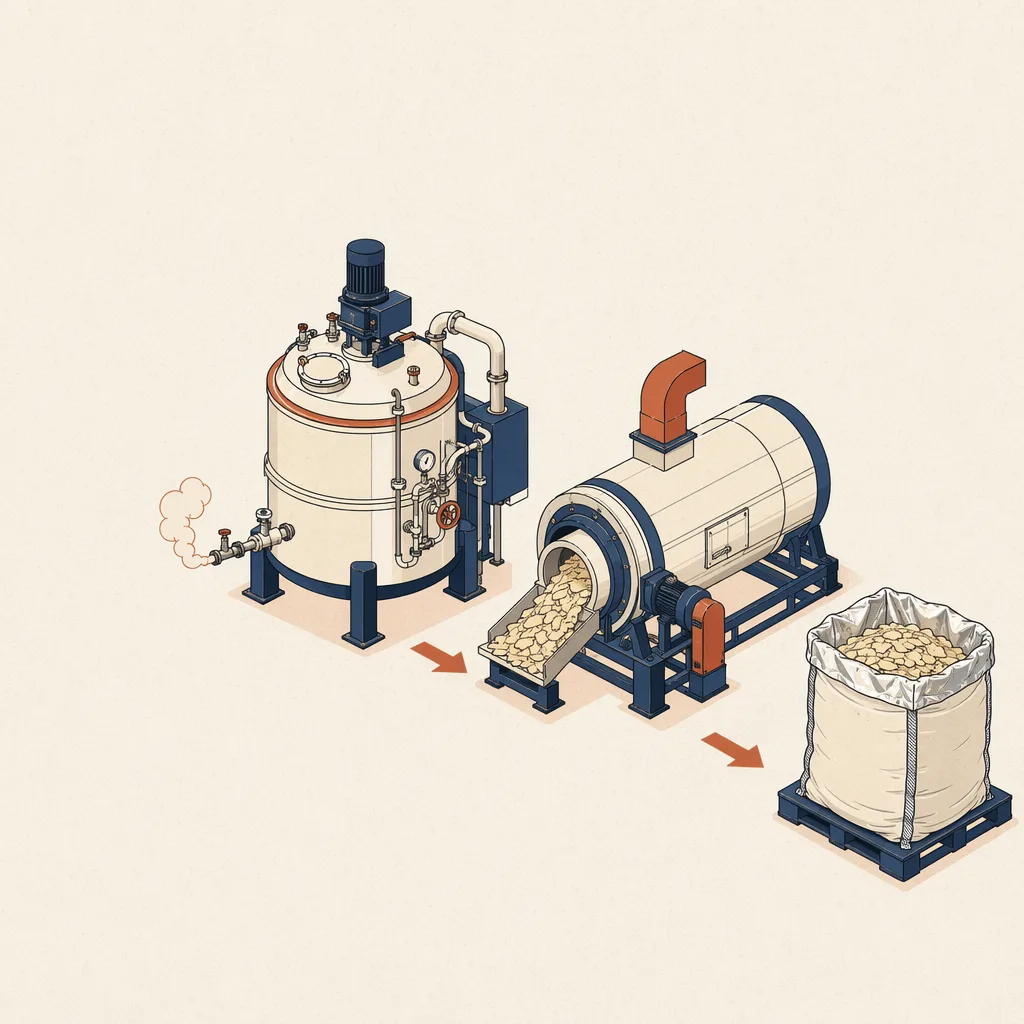
- Nutritional yeast flakes and powders: Used for savory nutrition systems, vegan-friendly concepts, snack seasonings, powdered meals, and B-vitamin positioned blends. See related options in nutritional yeast for bulk flakes, fine powders, and customized pack sizes.
- Yeast extracts: Selected yeast extracts can contribute savory depth, umami, nucleotides, and formulation complexity in powdered soups, savory protein beverages, meal bases, and functional food formats. Usage level depends on taste target, label strategy, and sodium requirements.
- Inactivated yeast powders: Applied where formulators need yeast-derived solids, mild flavor, and consistent dry blending performance without live-cell activity. These are often evaluated for mouthfeel, dispersibility, and label fit.
- Live yeast formats for active nutrition concepts: Some product developers explore live yeast formats where permitted by local regulations and where processing conditions can maintain viable counts. Review related supply options in yeast probiotics and confirm heat, moisture, and shelf-life constraints before commercialization.
How to choose
Choosing the right yeast protein supplement starts with the finished product format. A ready-to-mix powder may require fine particle size, good dispersibility, controlled color, and a flavor profile that works with cocoa, coffee, vanilla, berry, or savory systems. A nutrition bar may prioritize low moisture contribution, binding behavior, chew texture, and compatibility with syrups, fats, and inclusions. A capsule, sachet, or stick pack may require tight microbiological limits, consistent bulk density, and free-flowing performance for high-speed filling.
Procurement managers should request a current specification sheet, typical analysis, allergen statement, country-of-origin details, shelf-life data, recommended storage conditions, and packaging format. R&D teams should test the ingredient at the intended use level rather than judging it only as a dry powder. Yeast-derived materials can vary in aroma, color, and salt perception, so bench trials should include the complete flavor system, sweetener system, acids, minerals, and any heat or hydration step used in production.
Commercial buyers should also compare supply reliability, batch-to-batch consistency, minimum order quantity, pallet configuration, documentation speed, and lead time. ArtemisYeast can help match technical requirements to available grades and provide a bulk quote on request through our quotation process.
Quality and documentation
For sports and active nutrition, documentation is often as important as the ingredient itself. Brand owners and contract manufacturers commonly need product specifications, certificates of analysis, allergen statements, non-GMO or vegan-suitable declarations where available, heavy metal test parameters, microbiological limits, nutritional data, and safety documentation. Depending on the destination market, additional statements may be required for customs clearance, retailer onboarding, or third-party formulation review.
ArtemisYeast works with customers to provide documentation aligned with the grade supplied and the intended use. Typical quality checkpoints include protein assay method, moisture, ash, particle size, sensory profile, microbiology, packaging integrity, and traceability. For live yeast formats, viability, storage temperature, and shelf-life validation are especially important. For nutritional yeast and yeast protein powders, buyers should confirm whether the formula needs naturally occurring nutrients only or a fortified profile, because label declarations and regulatory handling can differ by market.
Our documentation approach is outlined at quality and compliance resources. We recommend reviewing documentation before pilot production so that claims language, nutrition panels, and import requirements can be assessed early.
Why work with ArtemisYeast
- Independent bulk sourcing: ArtemisYeast supplies yeast-derived ingredients for commercial buyers that need flexible sourcing, technical clarification, and export-ready coordination.
- Application-aware support: We understand the practical differences between powders, bars, beverages, capsules, and savory active-nutrition foods, so ingredient recommendations are based on process conditions and finished-product goals.
- Procurement-friendly communication: Our team can discuss MOQ, packaging, lead time, documents, sample availability, and wholesale pricing on request without publishing public price lists.
- Formulation alignment: We help compare protein level, flavor impact, color, solubility, sodium contribution, and label positioning so R&D and purchasing teams can evaluate the same commercial target.
- Custom project handling: For non-standard pack sizes, blended ingredient concepts, or specification-driven sourcing, buyers can submit requirements through custom quote support for review.
Recommended Categories
For sports & active nutrition workflows, customers most often need media and reagents from these categories. Each ships free worldwide.
 № —
№ — Nutritional Yeast
Inactive nutritional yeast flakes and powder fortified with B-vitamins and minerals for vegan, dietary-supplement, and clean-label foods.
 № —
№ — Probiotic & Functional Yeast
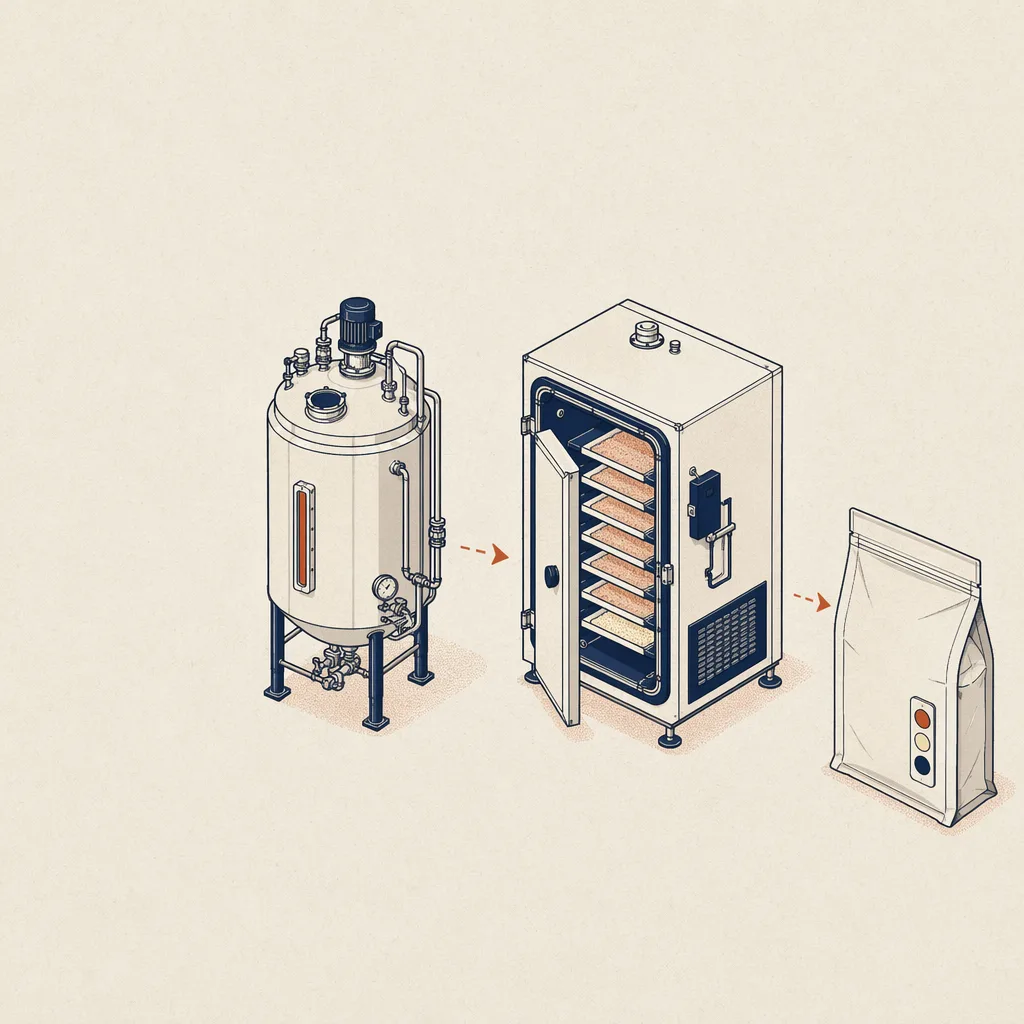
Saccharomyces boulardii, beta-glucan, yeast nucleotides, and yeast-derived bioactive ingredients for human and animal health.
Common questions about sports & active nutrition
01 Can yeast protein supplement ingredients be used in vegan sports nutrition?
02 What formats are available for bulk purchase?
03 How should R&D teams evaluate flavor?
04 Do you publish prices for yeast protein supplement ingredients?
05 What documents should procurement request before purchase?
Discuss your sports & active nutrition requirements
Tell us about your cell line, target scale, and regulatory context. We will recommend specific products, share documentation, and quote pricing.