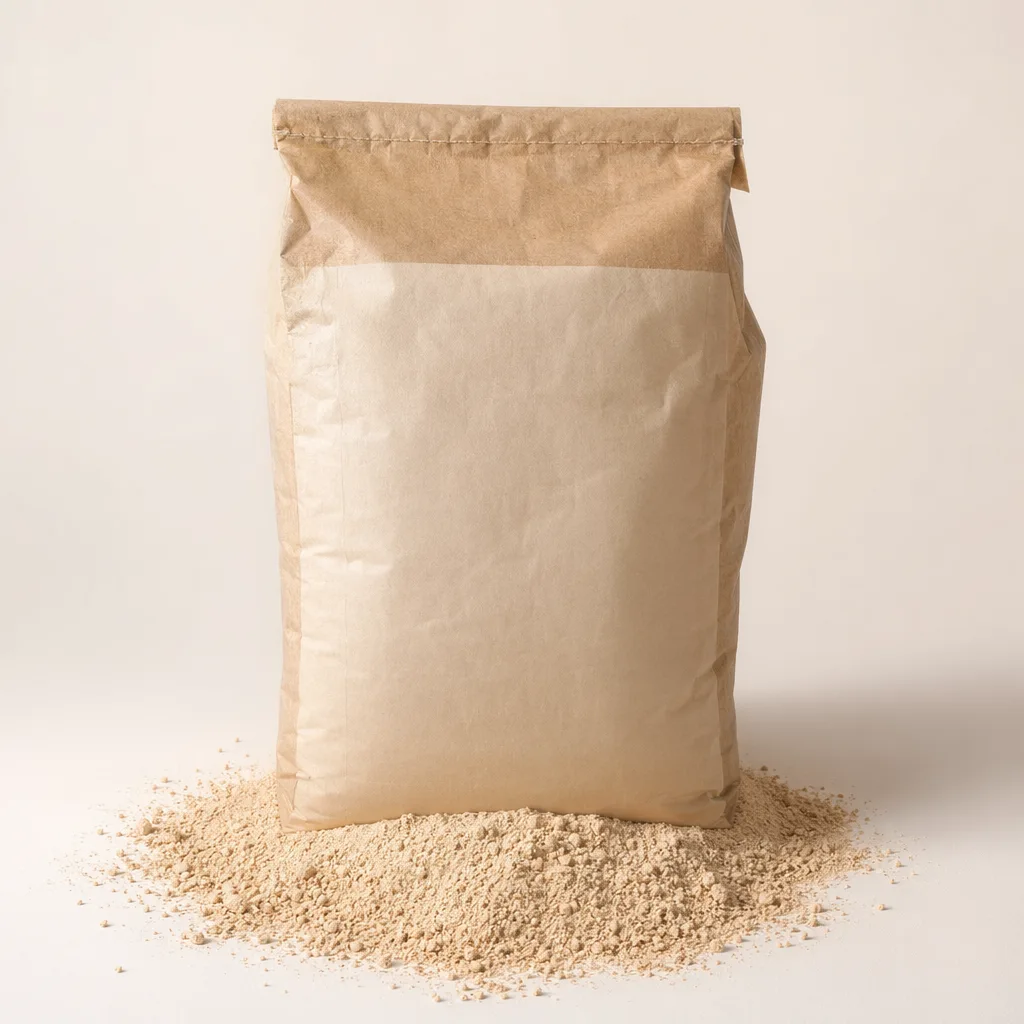
Aroma Yeast for Bread Baking
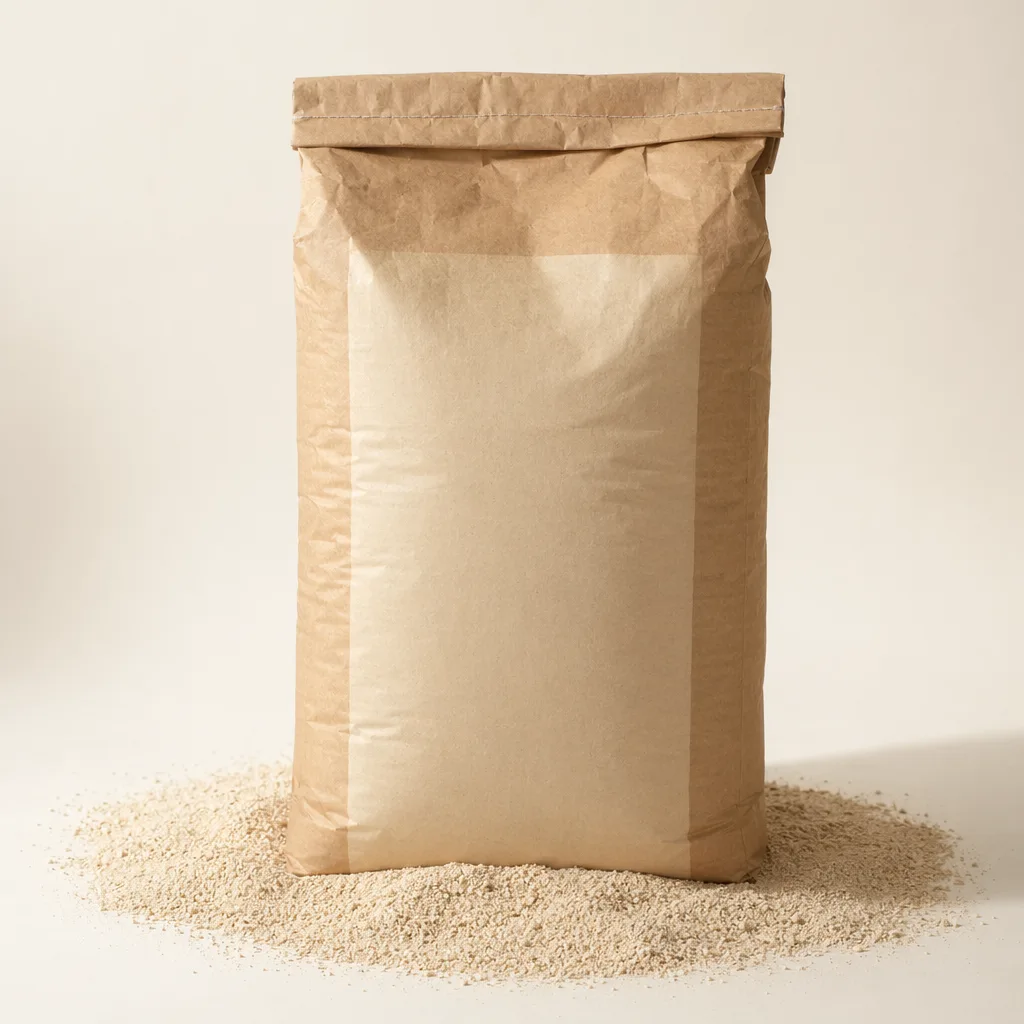
Aroma yeast for bread baking is a food-grade yeast preparation selected to support bread fermentation while contributing balanced baked, malty, and savory aroma notes. ART-BK-035 is supplied for industrial, artisan, and chain bakery production in 25 kg multi-wall sacks. It is intended for procurement teams and bakery R&D groups requiring consistent lots, export-ready packing, and wholesale pricing on request. Typical purchasing support includes specification review, sample coordination, and bulk quote on request.
- ✓ Free worldwide shipping
- ✓ ISO-aligned manufacturing
- ✓ Certificate of Analysis on request
- ✓ Bulk & custom volumes quoted on request
Overview
ART-BK-035 is an aroma-focused bakery yeast option for bread systems where fermentation performance, dough process tolerance, and finished-loaf sensory profile must be managed at plant scale. It may be evaluated in straight dough, sponge-and-dough, no-time dough, frozen dough, and par-baked lines, depending on the selected grade and process conditions. Procurement teams sourcing within baking yeast can use this SKU as a bulk inquiry item for high-volume bakery operations that need repeatable supply in 25 kg sacks.
Representative technical targets for an active dry bakery yeast grade include viable yeast count around 5×10^10 CFU/g, moisture not more than 8.0%, and good dispersion in flour-water systems after standard hydration or direct incorporation according to plant practice. Typical yeast solids contain approximately 40-50% protein on a dry basis, with natural amino acids and fermentation-derived volatiles contributing to bread aroma development. Particle size is commonly controlled for industrial dosing, with practical ranges such as 20-60 mesh or as agreed in the final specification. Final values are confirmed by lot CoA.
Applications
- Industrial bread plants: pan bread, sandwich bread, buns, rolls, toast bread, and regional bread formats requiring stable proofing and repeatable aroma contribution.
- Artisan and semi-industrial bakeries: sour-style breads, lean doughs, enriched doughs, and long-fermentation recipes where rounded cereal, baked, and mild savory notes are desired without changing the base flour system.
- Chain bakery commissaries: centralized dough production for stores or foodservice accounts, including recipes that require controlled fermentation windows and consistent finished bread character across multiple locations.
- Frozen and retarded dough trials: evaluation in dough systems where yeast vitality, reactivation, and sensory contribution after cold holding must be tested under the customer’s own proofing conditions.
- Bakery R&D and scale-up: pilot-line work for yeast dosage, hydration method, mixing energy, proof time, salt tolerance, sugar level, and compatibility with improvers, emulsifiers, enzymes, and inclusions already used in the formula.
Storage and Handling
Store unopened sacks in a cool, dry, ventilated warehouse away from steam lines, direct sunlight, floor moisture, strong odors, and oxidizing chemicals. For active dry yeast formats, recommended storage is typically below 25°C with relative humidity controlled to prevent caking and loss of activity. Keep bags sealed until use; after opening, reseal tightly and consume promptly according to site handling rules. Avoid prolonged exposure to high heat or humid production areas.
Standard pack is a 25 kg multi-wall sack suitable for palletized export handling. Shelf life is commonly 12-24 months from manufacture depending on grade, packaging barrier, and storage conditions; the actual shelf life is stated on the lot label and CoA. Use first-expired, first-out inventory rotation. For process validation, bakery teams should confirm dosage, hydration temperature, dough temperature, and proofing profile through plant trials before commercial adoption.
Quality and Documentation
ArtemisYeast supplies ART-BK-035 for inquiry-based B2B procurement with specification sheets, lot CoA, allergen statement, food-grade declaration, and export documents available on request. Manufacturing and packing documentation may include HACCP-aligned controls and available ISO 22000, FSSC 22000, Halal, or Kosher documentation where applicable to the offered lot and origin. Review current documentation through quality and compliance before purchase approval.
Typical QC review covers appearance, odor, moisture, viable count for live yeast grades, microbiological limits, heavy metals screening where required, and packaging integrity. Because flour type, salt, sugar, fat, dough temperature, and proofing equipment strongly affect performance, final suitability should be confirmed in the buyer’s formulation. Submit annual demand, destination port, specification requirements, and packaging needs through request a bulk quote to receive wholesale pricing on request.
Storage & Handling
Refer to the CoA for product-specific storage conditions. Ship cold-chain where required.
Quality & Documentation
Manufactured under ISO-aligned quality management systems. Full documentation — Certificate of Analysis (CoA), Material Safety Data Sheet (MSDS), formulation summary, and stability data — is available on request. Email info@artemisyeast.com with the SKU.
About this product
01 What is the typical shelf life?
02 Do you offer documentation (CoA, food-grade declaration)?
03 What is the minimum order quantity?
04 Is bulk pricing available?
05 How is this product shipped internationally?
More from Baking Yeast
Bread Emulsifier for Industrial Baking and Frozen Dough
Wholesale bread emulsifier for industrial, artisan, and chain bakery operations. Inquiry-priced bulk.
Instant Dry Yeast for Chilled Dough, 25 kg Sack
Wholesale instant dry yeast for chilled dough for industrial, artisan, and chain bakery operations. Inquiry-pr…
Concentrated Bread Improver for Bulk Bakery Use
Wholesale concentrated bread improver for industrial, artisan, and chain bakery operations. Inquiry-priced bul…
Crumbs Bread Improver for Bulk Bakery Production
Wholesale crumbs bread improver for industrial, artisan, and chain bakery operations. Inquiry-priced bulk.