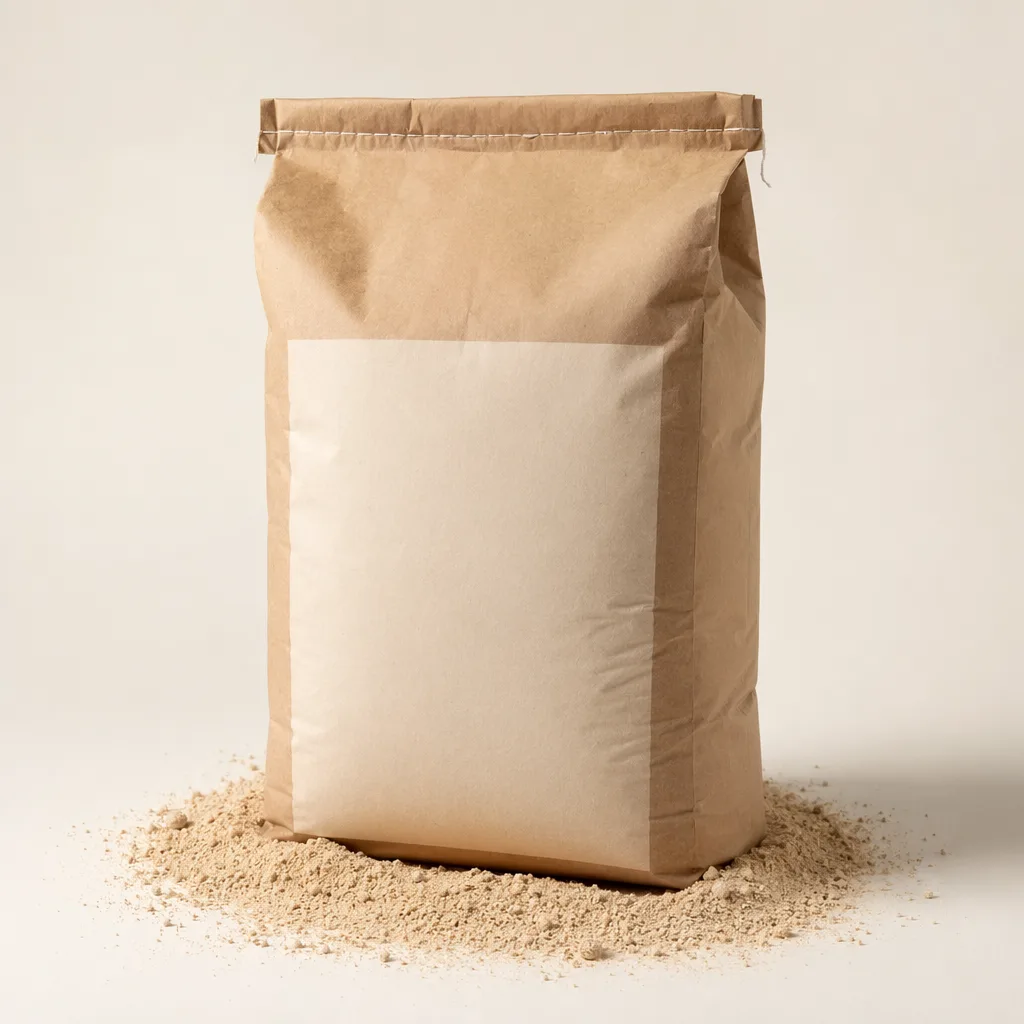
Fermentation Biostimulant for Microbial Media
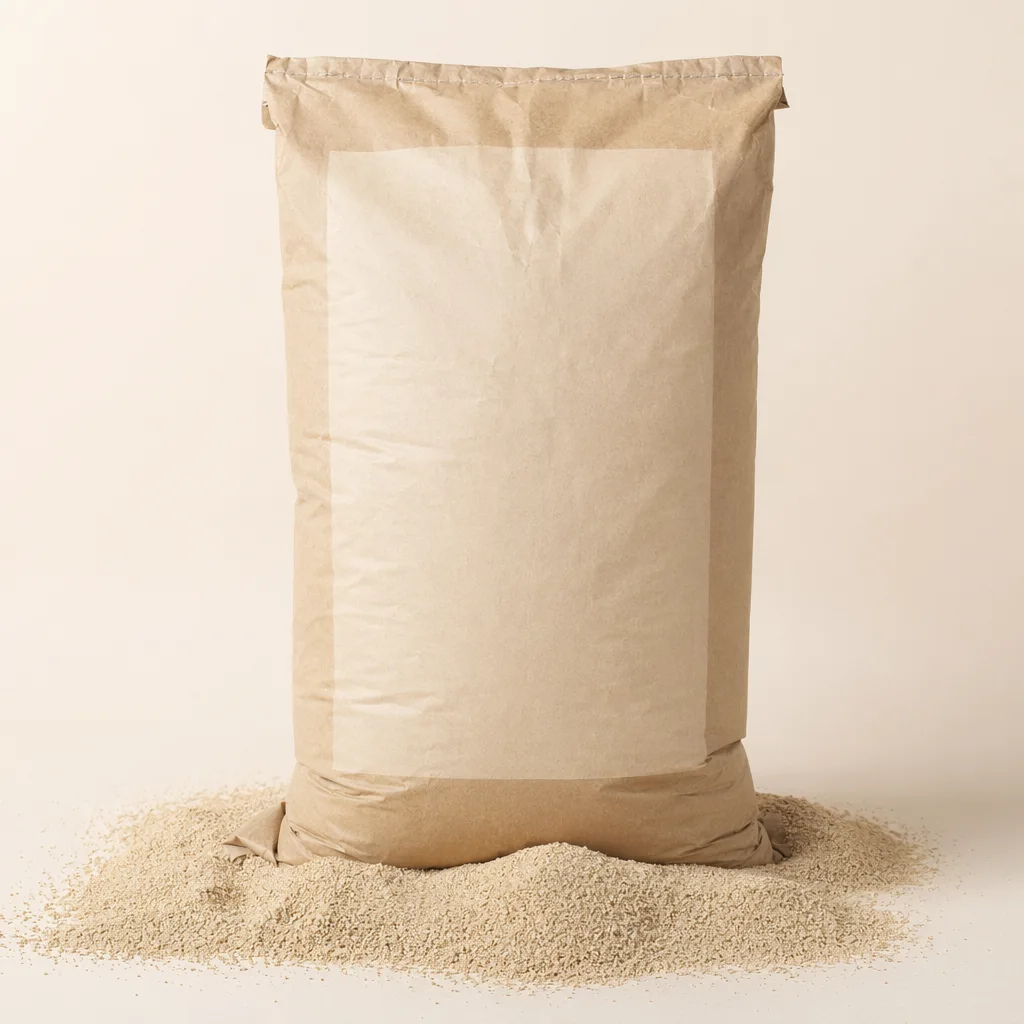
Fermentation biostimulant ART-YD-031 is a yeast-derived nutrient matrix used to support microbial fermentation media with peptides, amino nitrogen, minerals, and growth factors. It is supplied for industrial bioprocess, food fermentation, enzyme production, starter culture, and R&D scale-up programs where consistent media nutrition is required. ArtemisYeast offers this product in 20 kg multi-wall sacks, with wholesale pricing on request and technical documentation available for qualified bulk inquiries.
- ✓ Free worldwide shipping
- ✓ ISO-aligned manufacturing
- ✓ Certificate of Analysis on request
- ✓ Bulk & custom volumes quoted on request
Overview
ART-YD-031 is a non-live yeast derivative formulated as a soluble to partially soluble biostimulant for microbial fermentation. It is designed for use as a complex nitrogen and micronutrient source in bacteria, yeast, and filamentous microorganism processes. Typical composition targets may include 45–55% protein on dry basis, 6–10% total nitrogen, 3–6% amino nitrogen, less than 6% moisture, and a light tan to beige free-flowing powder profile. Final specifications should be confirmed by lot-specific Certificate of Analysis.
The product contributes peptides, free amino acids, B-group vitamins, nucleotides, minerals, and yeast cell-wall fractions that can complement defined salts, carbon sources, and pH buffers. It is commonly evaluated as a yeast extract alternative, co-nutrient, or productivity enhancer in shake flask screening, seed train development, and production fermenters. Procurement teams can compare this item with related materials in yeast derivatives for bio applications and request a bulk quote on request through ArtemisYeast inquiry support.
Applications
- Microbial fermentation media: complex nutrient input for bacterial and yeast fermentations requiring peptides, amino acids, vitamins, and trace minerals.
- Starter culture and inoculum preparation: suitable for seed-stage media optimization where rapid biomass formation and batch-to-batch consistency are key evaluation criteria.
- Industrial biotechnology: used in enzyme, organic acid, bio-based ingredient, and metabolite production workflows after customer validation in the target strain and process.
- Food fermentation R&D: supports pilot-scale media trials for cultures used in fermented foods, savory ingredients, and process development programs.
- Bioprocess media development: can be screened as a yeast-derived nutrient matrix for non-clinical research, scale-up, and manufacturing development where animal-origin-free inputs are preferred, subject to project requirements.
- Process troubleshooting: evaluated to address variability in lag phase, biomass yield, or nutrient limitation when moving from lab media to plant-scale raw material systems.
Storage and Handling
Supply format is 20 kg multi-wall sack, palletized for export shipment where applicable. Store unopened sacks in a cool, dry, odor-free warehouse at 5–25°C, protected from moisture, direct sunlight, and volatile chemicals. Recommended shelf life is typically 24 months from manufacture when stored in original packaging under specified conditions; confirm shelf life on the lot documentation.
After opening, reseal immediately and use hygienic handling practices to reduce moisture pickup and cross-contamination risk. The powder should be dispersed into process water under agitation; hydration time, sterilization approach, and addition point should be validated by the customer. Depending on process design, ART-YD-031 may be heat-treated in media, added to sterilized nutrient concentrates, or processed through validated plant procedures. Avoid inhalation of dust and follow site-specific PPE requirements for powdered fermentation raw materials.
Quality and Documentation
ART-YD-031 is supplied with lot traceability and specification controls appropriate for industrial fermentation raw materials. Typical quality parameters may include appearance, odor, moisture, protein, total nitrogen, amino nitrogen, ash, pH of solution, particle size, and microbiological limits such as total plate count, yeast and mold, coliforms, and absence of specified pathogens. CoA, SDS, allergen statement, non-GMO statement where applicable, and food-grade or bioprocess-use declarations can be provided on request.
Manufacturing and supplier documentation may include HACCP-aligned controls and ISO 22000, FSSC 22000, Halal, or Kosher documentation where available for the relevant production lot and origin. ArtemisYeast recommends pre-approval sampling before commercial conversion, especially when the material is used in validated fermentation recipes. For audit support, traceability review, or document packs, visit quality and documentation or submit an ART-YD-031 inquiry with target application, annual volume, destination port, and required specifications.
Storage & Handling
Refer to the CoA for product-specific storage conditions. Ship cold-chain where required.
Quality & Documentation
Manufactured under ISO-aligned quality management systems. Full documentation — Certificate of Analysis (CoA), Material Safety Data Sheet (MSDS), formulation summary, and stability data — is available on request. Email info@artemisyeast.com with the SKU.
About this product
01 What is the typical shelf life?
02 Do you offer documentation (CoA, food-grade declaration)?
03 What is the minimum order quantity?
04 Is bulk pricing available?
05 How is this product shipped internationally?
More from Yeast Derivatives & Bio-ingredients
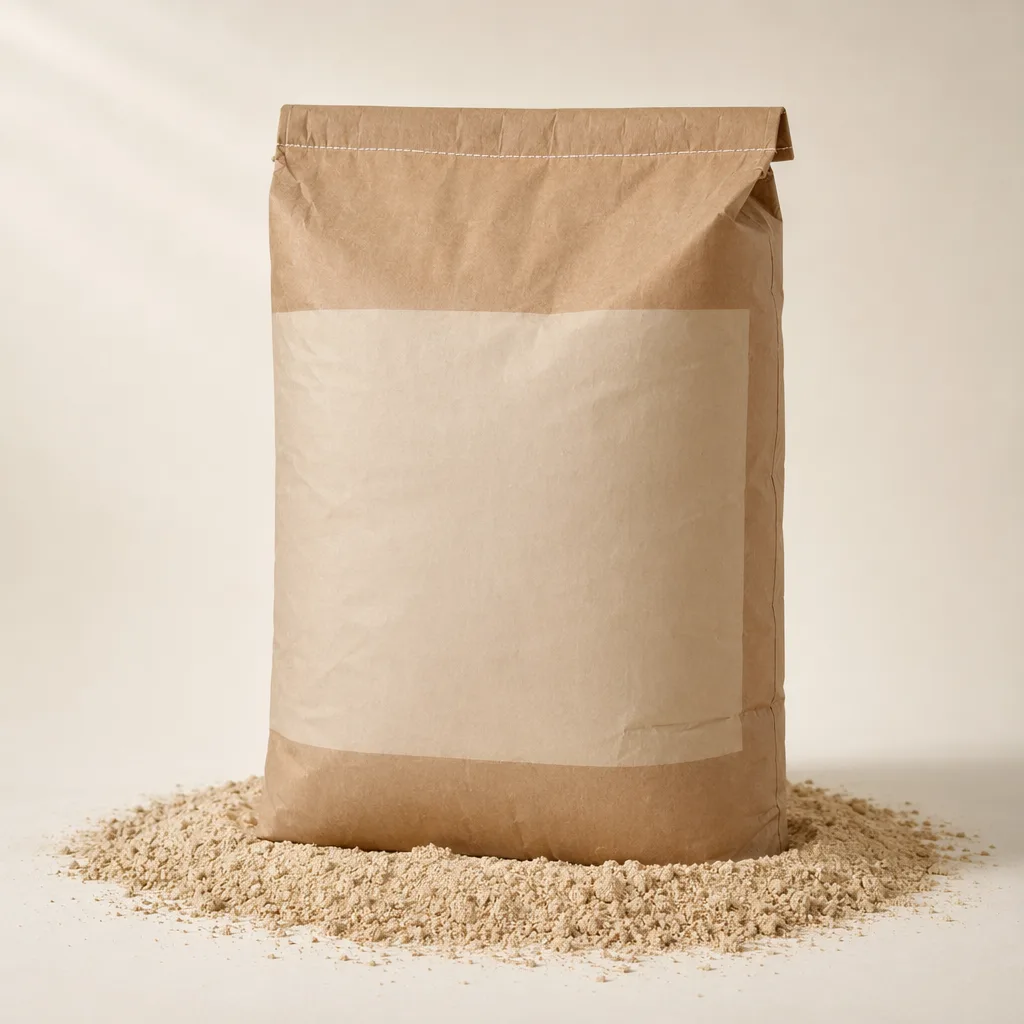
Yeast for Nutrition and Biotech Fermentation
Pharma and biotech-grade yeast for nutrition & health for microbial fermentation and biopharma cell culture.
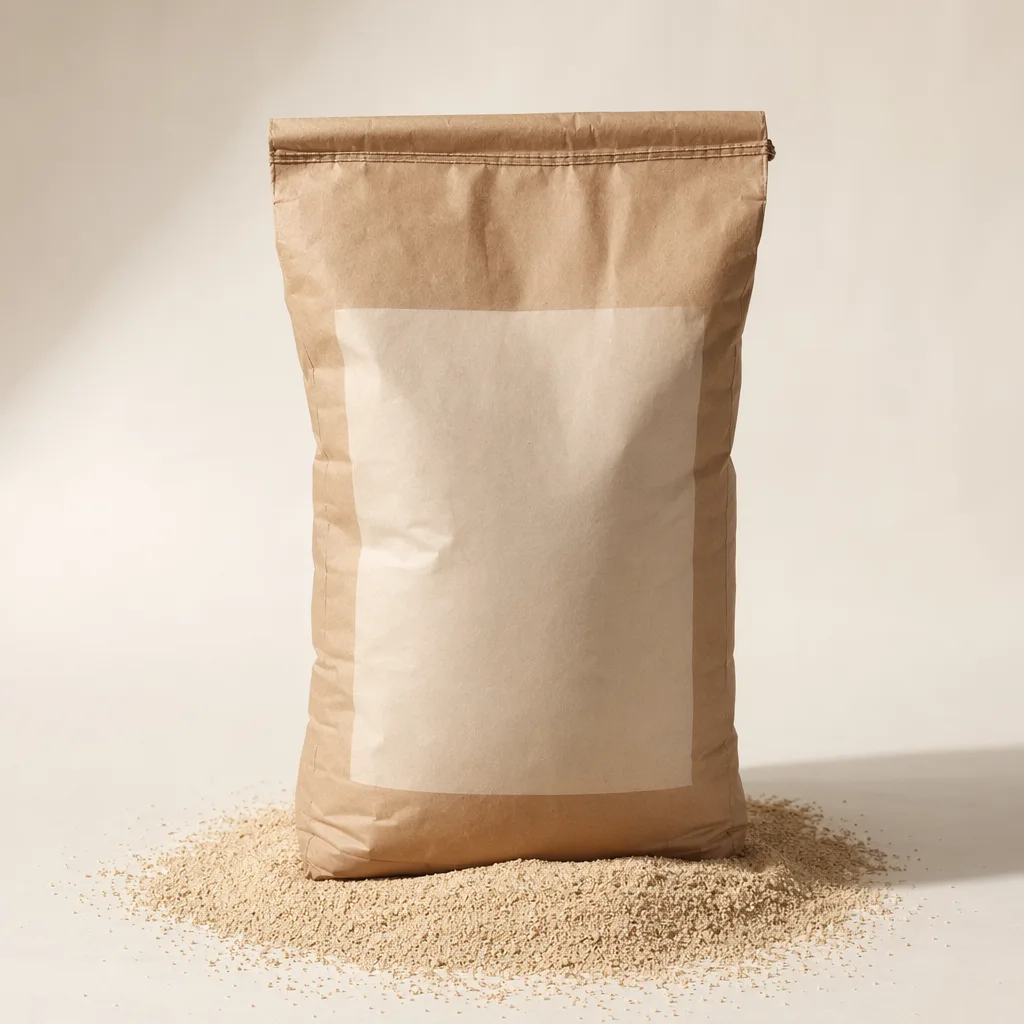
Organic Yeast-Derived Nutrient for Fermentation
Pharma and biotech-grade organic fertilizer - ferterstbon for microbial fermentation and biopharma cell cultur…
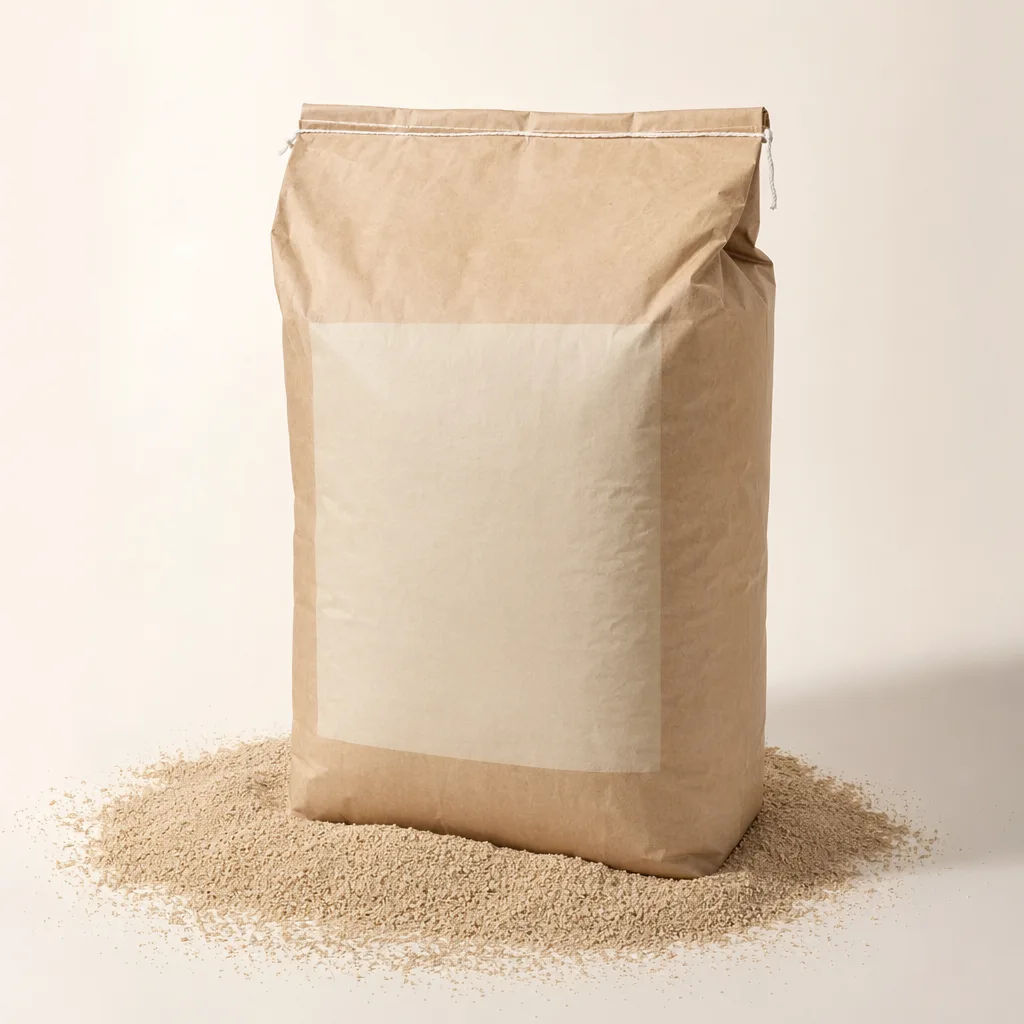
Yeast Metabolites for Fermentation and Cell Culture
Pharma and biotech-grade yeast metabolites - multibon for microbial fermentation and biopharma cell culture.
Yeast Derivative Nutrient for Fermentation and Culture
Pharma and biotech-grade agriculture for microbial fermentation and biopharma cell culture.