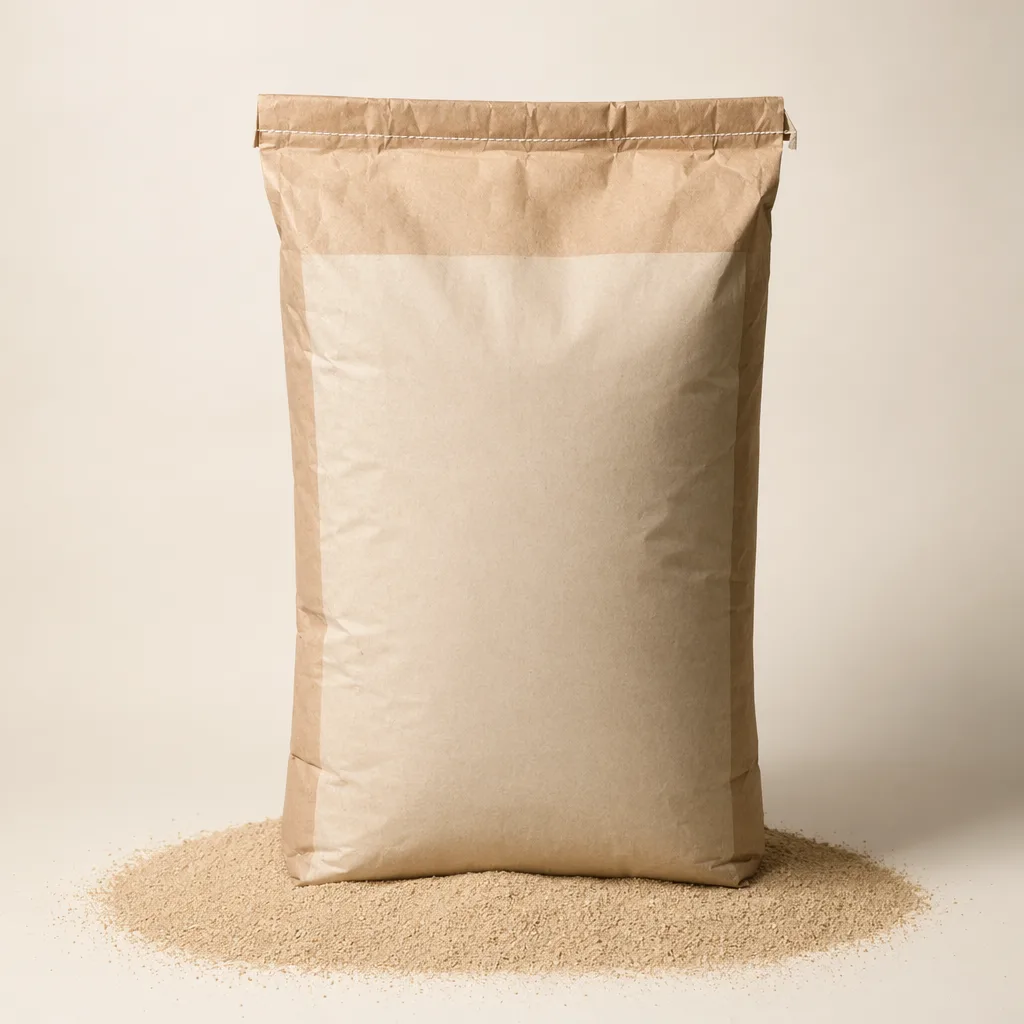
Frozen Dough Baking Yeast
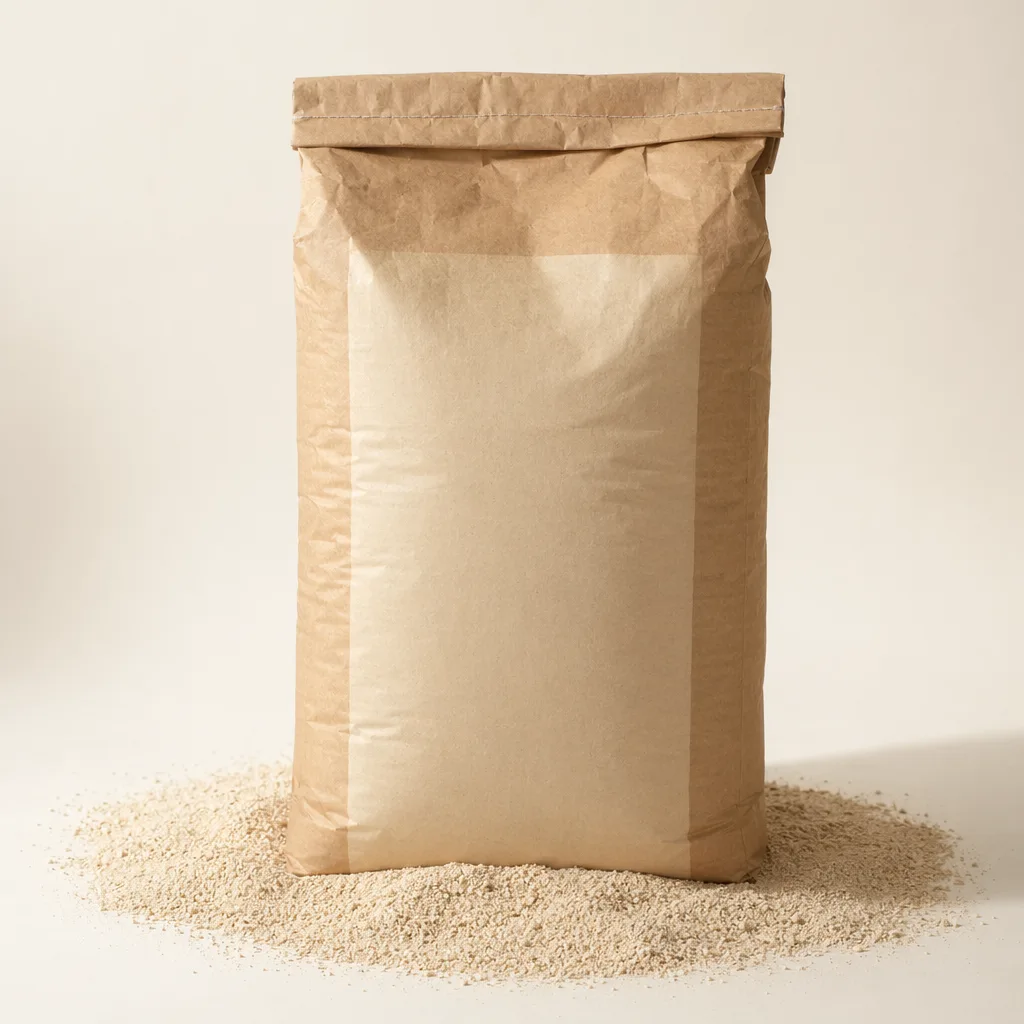
Frozen dough baking yeast is a freeze-tolerant dry Saccharomyces cerevisiae ingredient formulated to maintain gassing activity after frozen storage and thawing. ART-BK-045 is supplied for industrial, artisan, and chain bakery operations that require predictable dough lift in par-baked, unbaked, or retarded-frozen programs. The product is packed in 25 kg multi-wall sacks for wholesale distribution, with wholesale pricing on request through bulk inquiry.
- ✓ Free worldwide shipping
- ✓ ISO-aligned manufacturing
- ✓ Certificate of Analysis on request
- ✓ Bulk & custom volumes quoted on request
Overview
ART-BK-045 is a dry baker’s yeast grade selected for frozen-dough systems where yeast must tolerate mixing stress, blast freezing, frozen holding, thawing, and final proof. It is suitable for centralized dough plants, commissary bakeries, supermarket in-store bakery supply, foodservice dough programs, and high-volume artisan production. For related yeast formats, see the baking yeast category.
Typical specification targets include moisture not more than 5.5%, viable yeast count around 5×10^10 CFU/g, light tan to cream color, and clean baker’s yeast aroma. Protein is typically 40–50% on dry basis. Granulation is designed for direct incorporation into flour blends or sponge systems; common particle sizing is fine free-flowing granules with limited dust for automated dosing. Functional performance is evaluated by dough-rise activity, freeze-thaw tolerance, and proofing stability after frozen storage. Recommended use rate depends on flour strength, sugar level, fat level, freezing profile, storage duration, and proof schedule; bakery trials should confirm the final dosage.
Applications
- Frozen unbaked dough: rolls, buns, pizza bases, croissants, sweet dough, and laminated dough requiring reliable post-thaw gas production.
- Centralized bakery manufacturing: stable yeast input for plants supplying stores, cafés, hotels, quick-service restaurants, and foodservice distributors.
- Artisan and chain bakery production: consistent fermentation for dough pieces made in batches and frozen for later bake-off.
- Flour premix and bakery blend operations: dry yeast inclusion in controlled-formula mixes where moisture, activity, and dosing accuracy are procurement priorities.
- R&D formulation: evaluation in lean, enriched, high-sugar, and high-fat formulas where freezing can reduce yeast vitality and extend proofing time.
Storage and Handling
Store unopened 25 kg sacks in a cool, dry, odor-free warehouse, ideally below 25°C and away from direct sunlight, steam lines, water sources, and strong oxidizing materials. Keep packaging sealed until use because dry yeast absorbs moisture rapidly, which can reduce activity and flowability. Under recommended storage conditions, typical shelf life is up to 24 months from production date, subject to lot-specific CoA confirmation.
For best performance, avoid adding dry yeast directly onto ice, concentrated salt, or high-sugar syrup. Disperse evenly with flour or pre-blend according to plant procedure. In frozen dough, control dough temperature after mixing, shorten floor time before freezing, and use fast core freezing to support yeast survival. Reseal opened sacks tightly and consume promptly.
Quality and Documentation
ART-BK-045 is supplied with lot traceability and procurement documentation on request. Available documents may include certificate of analysis, specification sheet, allergen statement, food-grade declaration, country-of-origin details, safety data sheet where applicable, and microbiological limits. Manufacturing is managed under food-safety and hygiene controls aligned with HACCP principles. Site-specific documentation such as ISO 22000, FSSC 22000, Halal, or Kosher certificates can be provided when applicable to the production lot and origin.
ArtemisYeast supports buyers with sample coordination, technical comparison data, pallet planning, and export paperwork review. For incoming quality teams, the practical release checks are appearance, odor, moisture, activity, packaging integrity, and CoA match. Visit quality documentation for the type of records typically reviewed before approval.
Storage & Handling
Refer to the CoA for product-specific storage conditions. Ship cold-chain where required.
Quality & Documentation
Manufactured under ISO-aligned quality management systems. Full documentation — Certificate of Analysis (CoA), Material Safety Data Sheet (MSDS), formulation summary, and stability data — is available on request. Email info@artemisyeast.com with the SKU.
About this product
01 What is the typical shelf life?
02 Do you offer documentation (CoA, food-grade declaration)?
03 What is the minimum order quantity?
04 Is bulk pricing available?
05 How is this product shipped internationally?
More from Baking Yeast
Bread Emulsifier for Industrial Baking and Frozen Dough
Wholesale bread emulsifier for industrial, artisan, and chain bakery operations. Inquiry-priced bulk.
Instant Dry Yeast for Chilled Dough, 25 kg Sack
Wholesale instant dry yeast for chilled dough for industrial, artisan, and chain bakery operations. Inquiry-pr…
Concentrated Bread Improver for Bulk Bakery Use
Wholesale concentrated bread improver for industrial, artisan, and chain bakery operations. Inquiry-priced bul…
Crumbs Bread Improver for Bulk Bakery Production
Wholesale crumbs bread improver for industrial, artisan, and chain bakery operations. Inquiry-priced bulk.