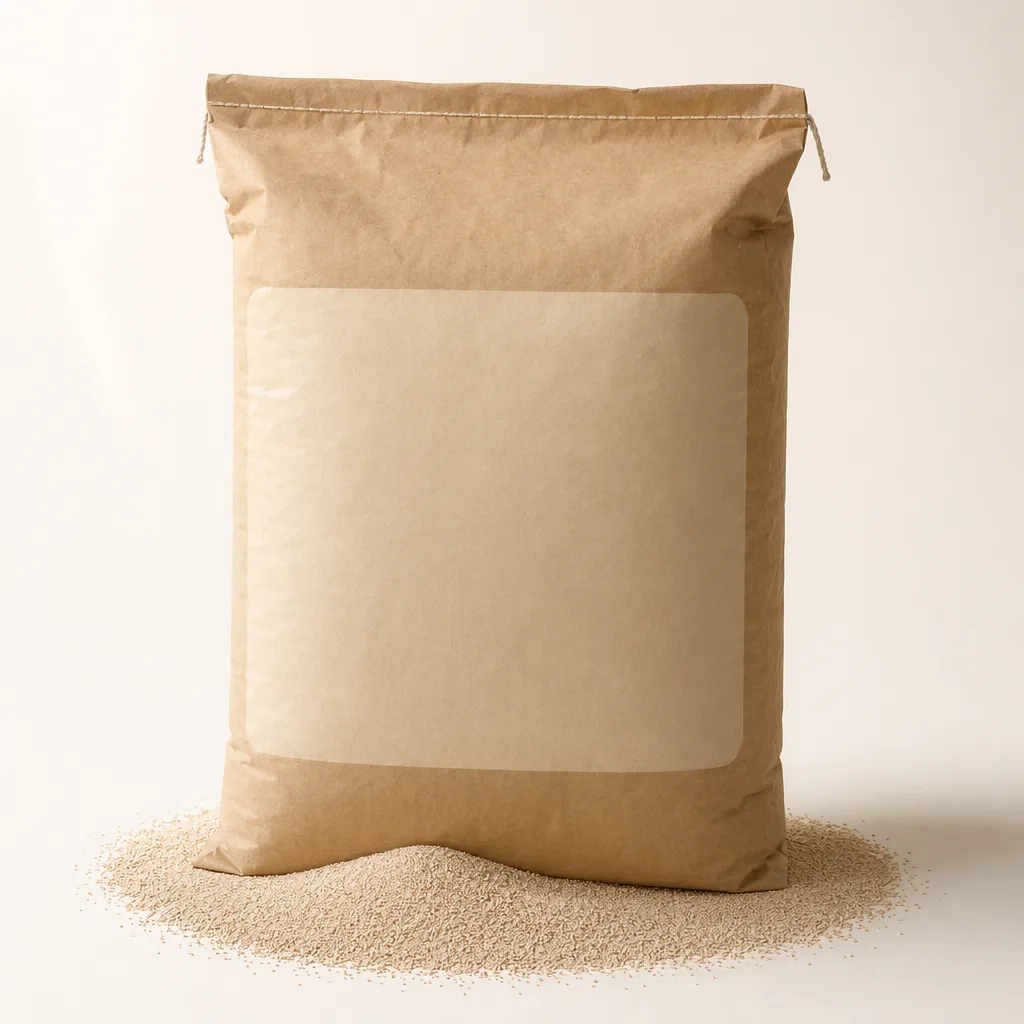
Instant Dry Yeast for Self-Rising Flour
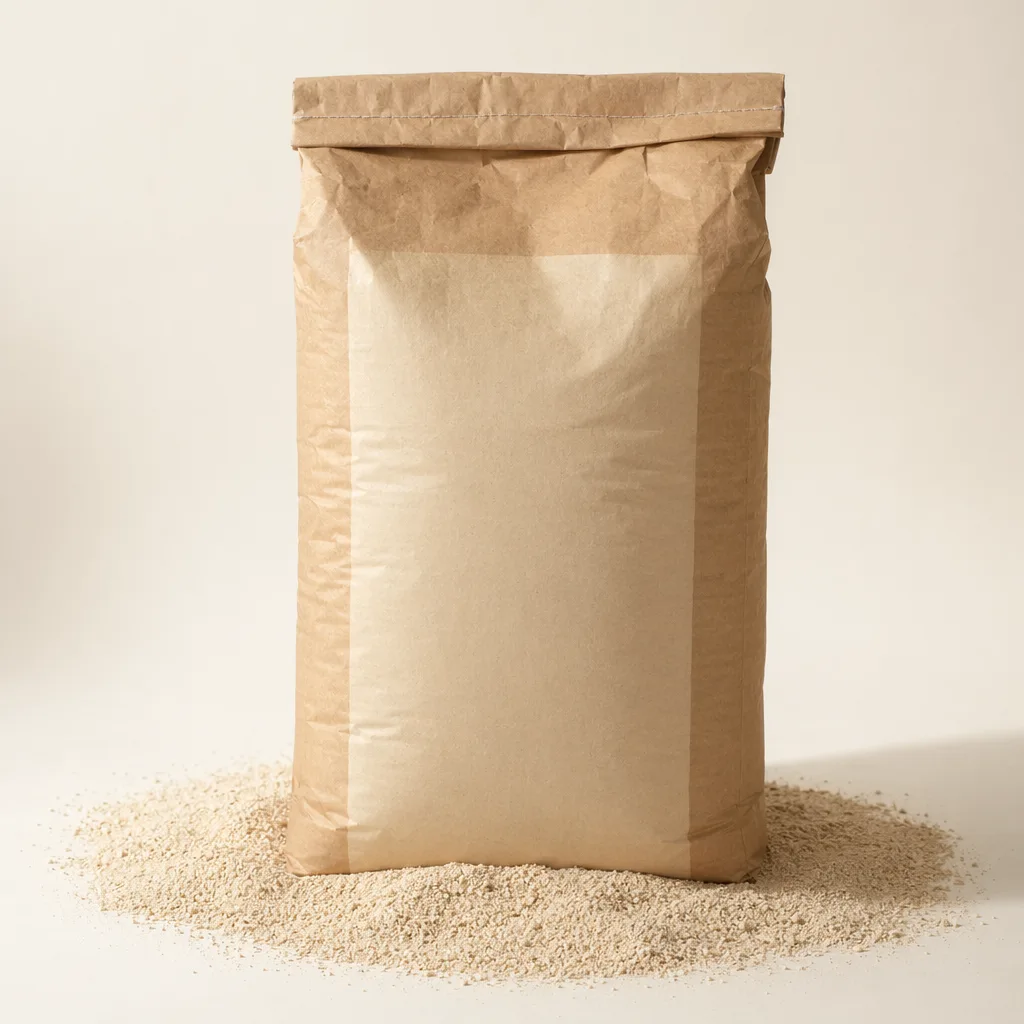
Instant dry yeast for self-rising flour is a low-moisture Saccharomyces cerevisiae leavening yeast designed for dry flour premixes and industrial bread systems. ART-BK-053 is supplied for bakeries, flour blenders, and food manufacturers that need consistent fermentation, easy dispersion, and long ambient stability in 25 kg multi-wall sacks. ArtemisYeast supports inquiry-only sourcing with wholesale pricing on request, specification review, and export documentation for qualified bulk buyers.
- ✓ Free worldwide shipping
- ✓ ISO-aligned manufacturing
- ✓ Certificate of Analysis on request
- ✓ Bulk & custom volumes quoted on request
Overview
ART-BK-053 is an instant dry yeast selected for direct addition into flour, self-rising flour blends, dry bakery mixes, and automated ingredient dosing systems. It is produced as free-flowing granules with low water activity, allowing rapid hydration during dough mixing without a separate proofing step. Typical specification targets may include moisture not more than 5.5%, viable yeast count around 5×10^10 CFU/g, granulation commonly 0.5–1.5 mm, and light cream to beige color with a characteristic clean yeast aroma. Final specifications are confirmed by lot and certificate of analysis.
For self-rising flour programs, the yeast must be evaluated together with flour moisture, salt, sugar, oxidants, reducing agents, chemical leavening components, and distribution dwell time. Recommended use rate is normally 0.8–1.5% on flour weight for standard pan bread, adjusted by dough temperature, proof time, formula sugar level, and required loaf volume. Procurement teams can compare related formats in our baking yeast category or request technical matching for plant trials.
Applications
- Industrial bread baking: high-throughput pan bread, sandwich bread, buns, rolls, toast bread, and laminated yeast-raised products requiring fast, predictable gas production.
- Self-rising flour and dry premix production: blending into controlled-moisture flour systems for bakery customers, foodservice distributors, and chain bakery commissaries. Pilot stability testing is recommended before extended storage in finished premixes.
- Artisan and semi-industrial bakeries: direct-to-mixer dosing where reduced proofing preparation, consistent fermentation curve, and clean dough handling are required.
- Frozen and chilled dough evaluation: can be screened in bake-off systems where the formulation, freeze cycle, and proof recovery are validated by the customer’s R&D team.
- Private-label bakery ingredients: suitable for bulk repacking or formulation into dry bakery ingredient systems when packaging, labeling, and local regulatory requirements are controlled by the buyer.
For quotation, provide target application, annual volume, destination port, requested documentation, and any benchmark performance data through bulk quote on request. ArtemisYeast can support sample-to-order qualification for industrial, artisan, and chain bakery operations.
Storage and Handling
Store unopened sacks in a cool, dry, odor-free warehouse away from sunlight, steam lines, and high-humidity zones. Recommended storage is below 25°C with relative humidity below 65%. Under suitable conditions, typical shelf life is up to 24 months from production date, subject to lot documentation and packaging integrity. Once opened, reseal tightly, protect from moisture uptake, and use promptly to avoid activity loss and caking.
Do not mix directly with ice water, concentrated salt, or aggressive oxidizing ingredients before the yeast is dispersed in flour. For automated dosing, confirm hopper flow, dust control, sieve condition, and metal detection settings. Use food-grade handling practices and rotate stock by first-expired, first-out procedure.
Quality and Documentation
Each supply lot is intended for food manufacturing use and can be supported with a certificate of analysis on request. Common test parameters include appearance, odor, moisture, fermentation activity or gas production, viable count where specified, microbiological indicators, and packaging condition. Heavy metal, allergen, non-GMO, country-of-origin, and food-grade declarations can be discussed during order qualification.
Manufacturing documentation may include HACCP-aligned controls and site-level ISO 22000, FSSC 22000, Halal, or Kosher documentation where available from the approved production site. ArtemisYeast reviews document needs before shipment so procurement, QA, and R&D teams can align specifications, labeling, import paperwork, and receiving inspection plans. Visit quality documentation for an overview of our supplier qualification approach.
Storage & Handling
Refer to the CoA for product-specific storage conditions. Ship cold-chain where required.
Quality & Documentation
Manufactured under ISO-aligned quality management systems. Full documentation — Certificate of Analysis (CoA), Material Safety Data Sheet (MSDS), formulation summary, and stability data — is available on request. Email info@artemisyeast.com with the SKU.
About this product
01 What is the typical shelf life?
02 Do you offer documentation (CoA, food-grade declaration)?
03 What is the minimum order quantity?
04 Is bulk pricing available?
05 How is this product shipped internationally?
More from Baking Yeast
Bread Emulsifier for Industrial Baking and Frozen Dough
Wholesale bread emulsifier for industrial, artisan, and chain bakery operations. Inquiry-priced bulk.
Instant Dry Yeast for Chilled Dough, 25 kg Sack
Wholesale instant dry yeast for chilled dough for industrial, artisan, and chain bakery operations. Inquiry-pr…
Concentrated Bread Improver for Bulk Bakery Use
Wholesale concentrated bread improver for industrial, artisan, and chain bakery operations. Inquiry-priced bul…
Crumbs Bread Improver for Bulk Bakery Production
Wholesale crumbs bread improver for industrial, artisan, and chain bakery operations. Inquiry-priced bulk.