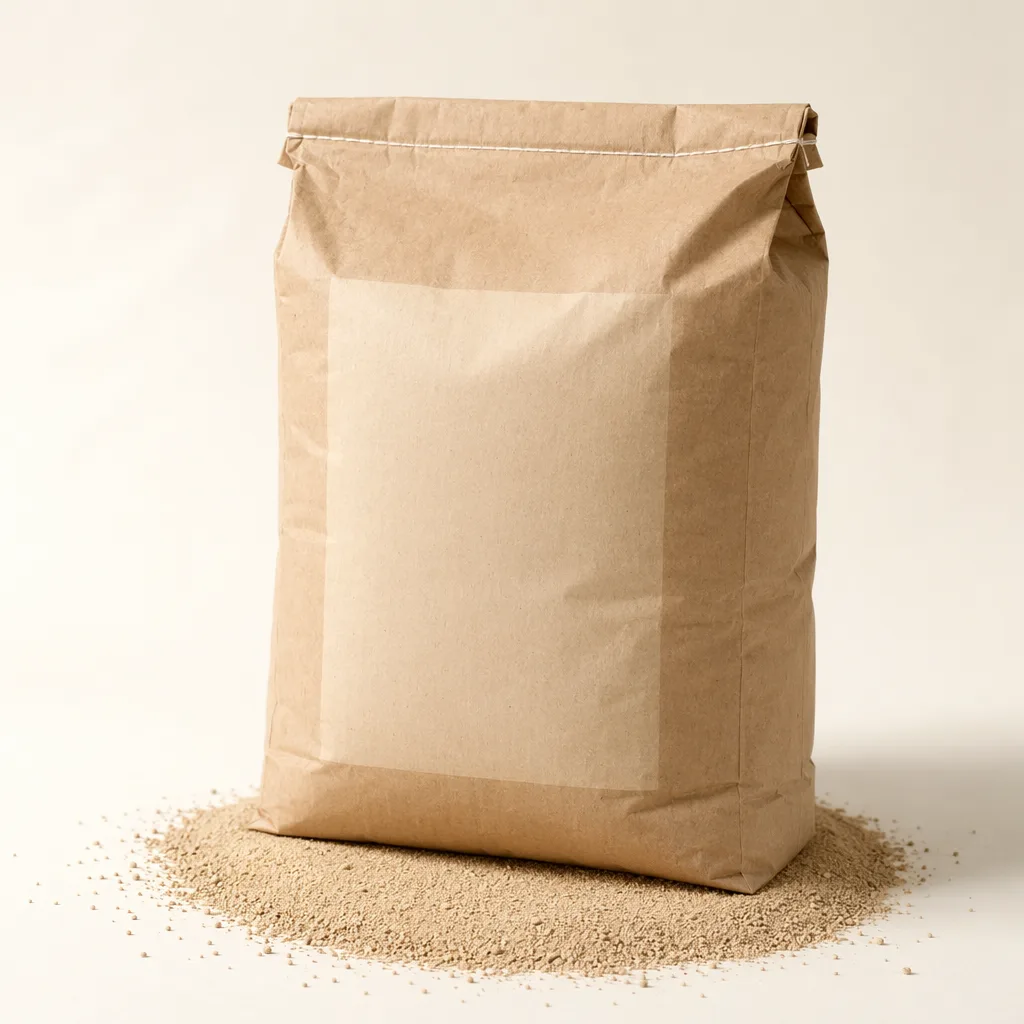
Lean Dough Bread Improver for Frozen Dough
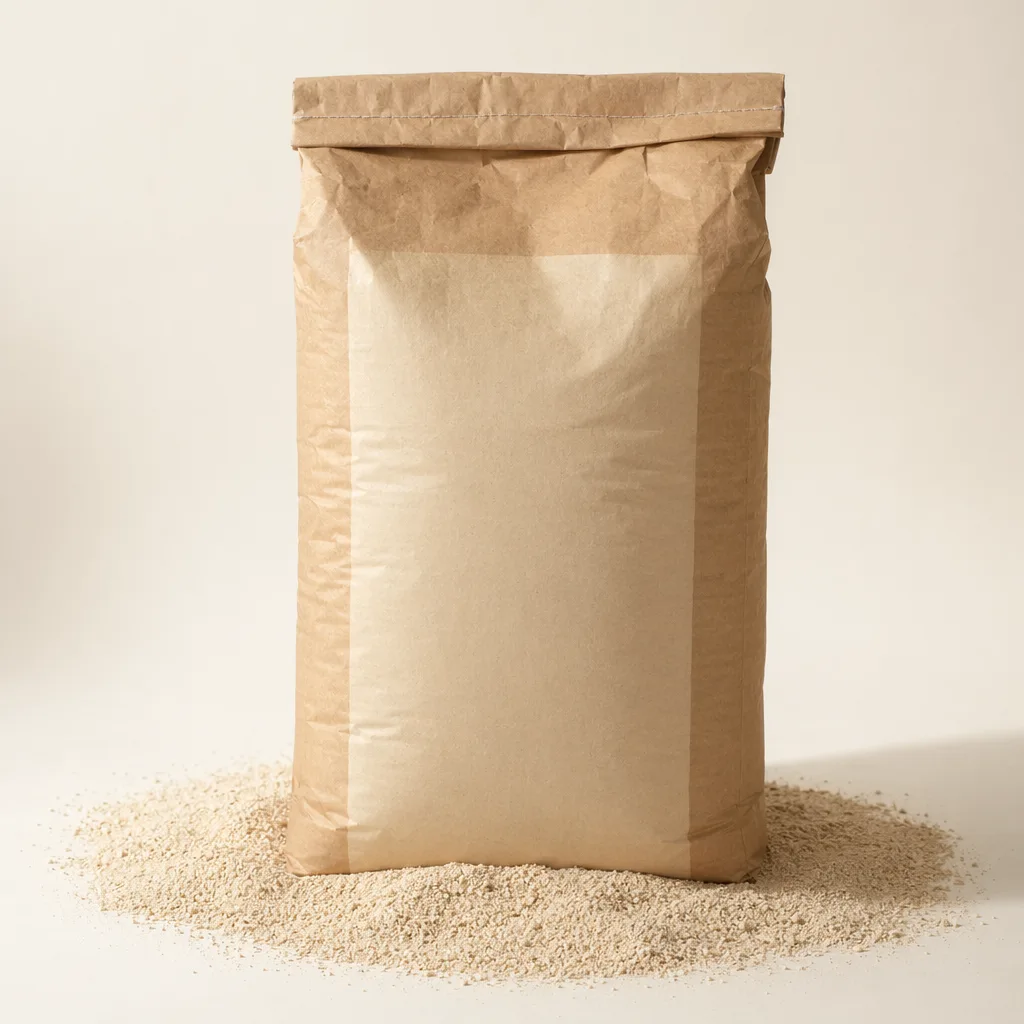
Lean dough bread improver for frozen dough is a dry functional blend designed to strengthen yeast-raised, low-fat bread dough through freezing, storage, thawing, proofing, and baking. ART-BK-060 is supplied for wholesale bakery procurement in 25 kg multi-wall sacks and is intended for industrial, artisan, and chain bakery operations running frozen dough programs. Use it to improve dough tolerance, gas retention, loaf volume, crumb uniformity, and bake consistency without reformulating into an enriched dough system.
- ✓ Free worldwide shipping
- ✓ ISO-aligned manufacturing
- ✓ Certificate of Analysis on request
- ✓ Bulk & custom volumes quoted on request
Overview
ART-BK-060 is a lean dough bread improver matrix for frozen-dough applications where dough pieces may be sheeted, molded, frozen, stored, distributed, and baked at a later stage. The formulation is typically built around a food-grade cereal carrier with dough-strengthening, oxidation, emulsification, and water-management components selected for low-fat, low-sugar bread systems. It is compatible with instant dry yeast, active dry yeast, and compressed yeast used in standard white bread, rolls, baguette-style products, sandwich bases, par-baked formats, and foodservice freezer programs. Related bakery inputs can be reviewed in the baking yeast category.
Typical specification targets include off-white to light cream powder, clean cereal odor, moisture not more than 8.0%, 95% passing 60 mesh, and bulk density about 0.55-0.75 g/mL. Recommended usage is normally 0.5-1.5% on flour weight, with optimization by flour protein, absorption, yeast level, mixing energy, freezing rate, and storage duration. For frozen dough, the improver supports gluten network resilience, reduces handling variation after thawing, and helps maintain oven spring after cold-chain stress. Wholesale pricing on request is available through the bulk quote request process.
Applications
- Industrial frozen bread lines: formulated for lean pan bread, sandwich bread, rolls, and portioned dough pieces requiring stable proof height after frozen storage and distribution.
- Artisan and central bakery operations: supports batch-to-batch tolerance in baguette-style dough, crusty rolls, deli breads, and other low-enrichment formulas where extensibility and gas retention must be balanced.
- Chain bakery and foodservice commissaries: enables centralized dough production with downstream thaw-proof-bake or retard-proof-bake workflows, reducing operator variability at store level.
- R&D flour and yeast trials: can be evaluated against flour protein, damaged starch, water absorption, yeast dosage, fermentation time, blast-freezer settings, and frozen holding period.
- Process adjustment programs: useful when plants change mixers, dividers, molders, freezer dwell time, packaging, or distribution routes and need a consistent improver baseline for validation.
Storage and Handling
Store sealed sacks in a cool, dry, odor-free warehouse at 5-25°C, away from direct sunlight, condensation, and strong-smelling materials. Keep pallets off the floor and protect from moisture pickup during receiving, staging, and partial-bag use. Under recommended storage conditions, typical shelf life is 12 months from production date, subject to final lot documentation. After opening, reseal the inner liner and use promptly to maintain flowability and functional consistency.
For plant use, pre-scale the improver or add it to the flour stream to support uniform dispersion before hydration. Avoid direct contact with liquid yeast slurries before flour incorporation, as localized concentration may reduce mixing consistency. Validate dosage through frozen-dough trials that include make-up tolerance, core freezing rate, packed storage, thaw time, final proof, bake color, loaf volume, crumb grain, and sensory checks appropriate to the bakery specification.
Quality and Documentation
ART-BK-060 is supplied for food manufacturing customers that require lot traceability, procurement documentation, and export-ready commercial paperwork. A certificate of analysis can be provided by lot, including appearance, moisture, and applicable physical or microbiological parameters agreed in the purchase specification. Typical microbiological control targets may include total plate count, yeast and mold, coliforms, and absence testing for specified pathogens according to the agreed method and market requirement.
Manufacturing documentation aligned with HACCP principles, ISO 22000, FSSC 22000, Halal, Kosher, allergen statements, non-GMO statements, country-of-origin documents, and food-grade declarations may be available on request depending on production site and destination market. Confirm required declarations before purchase order placement so ArtemisYeast can match the correct lot and documentation package. Procurement teams can review our quality and documentation process or request a technical data sheet, safety data sheet, and sample plan for pilot testing.
Storage & Handling
Refer to the CoA for product-specific storage conditions. Ship cold-chain where required.
Quality & Documentation
Manufactured under ISO-aligned quality management systems. Full documentation — Certificate of Analysis (CoA), Material Safety Data Sheet (MSDS), formulation summary, and stability data — is available on request. Email info@artemisyeast.com with the SKU.
About this product
01 What is the typical shelf life?
02 Do you offer documentation (CoA, food-grade declaration)?
03 What is the minimum order quantity?
04 Is bulk pricing available?
05 How is this product shipped internationally?
More from Baking Yeast
Bread Emulsifier for Industrial Baking and Frozen Dough
Wholesale bread emulsifier for industrial, artisan, and chain bakery operations. Inquiry-priced bulk.
Instant Dry Yeast for Chilled Dough, 25 kg Sack
Wholesale instant dry yeast for chilled dough for industrial, artisan, and chain bakery operations. Inquiry-pr…
Concentrated Bread Improver for Bulk Bakery Use
Wholesale concentrated bread improver for industrial, artisan, and chain bakery operations. Inquiry-priced bul…
Crumbs Bread Improver for Bulk Bakery Production
Wholesale crumbs bread improver for industrial, artisan, and chain bakery operations. Inquiry-priced bulk.