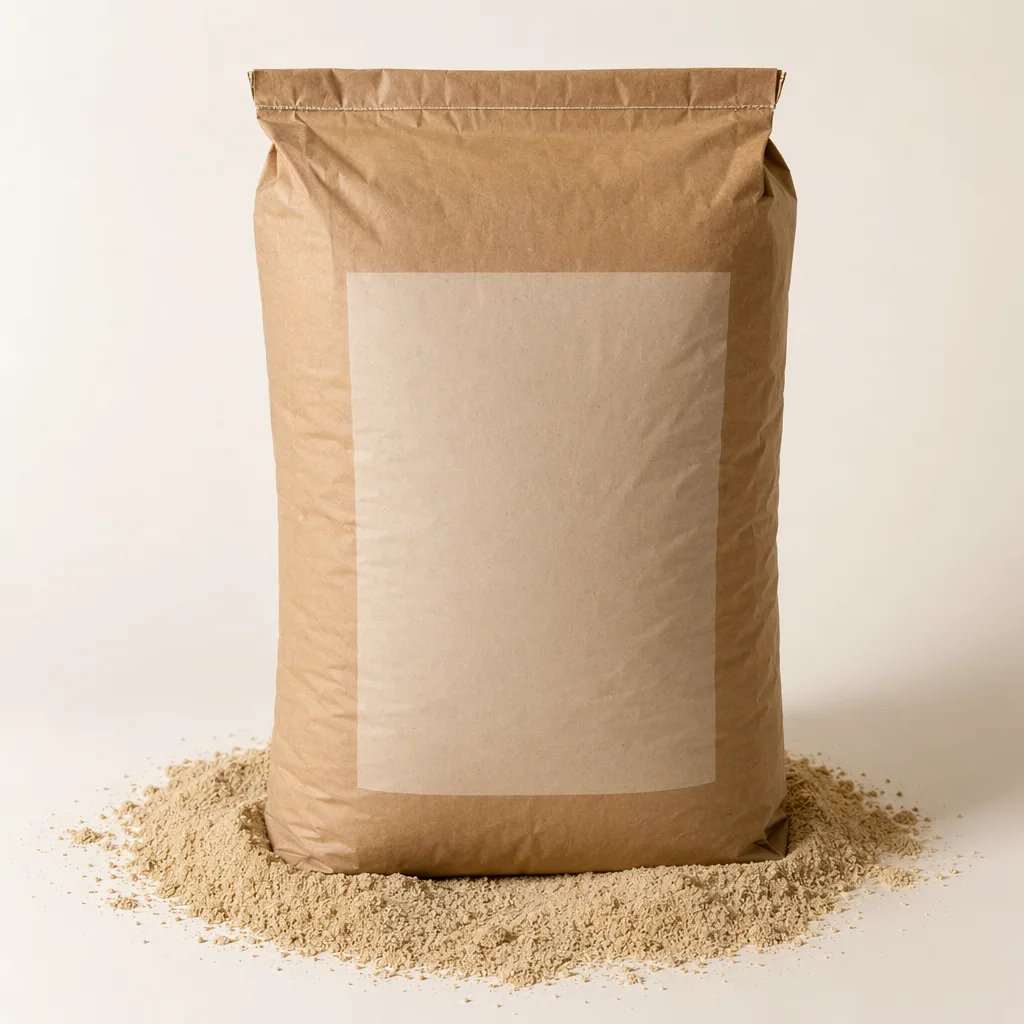
Semi-Dry Yeast for Frozen Dough
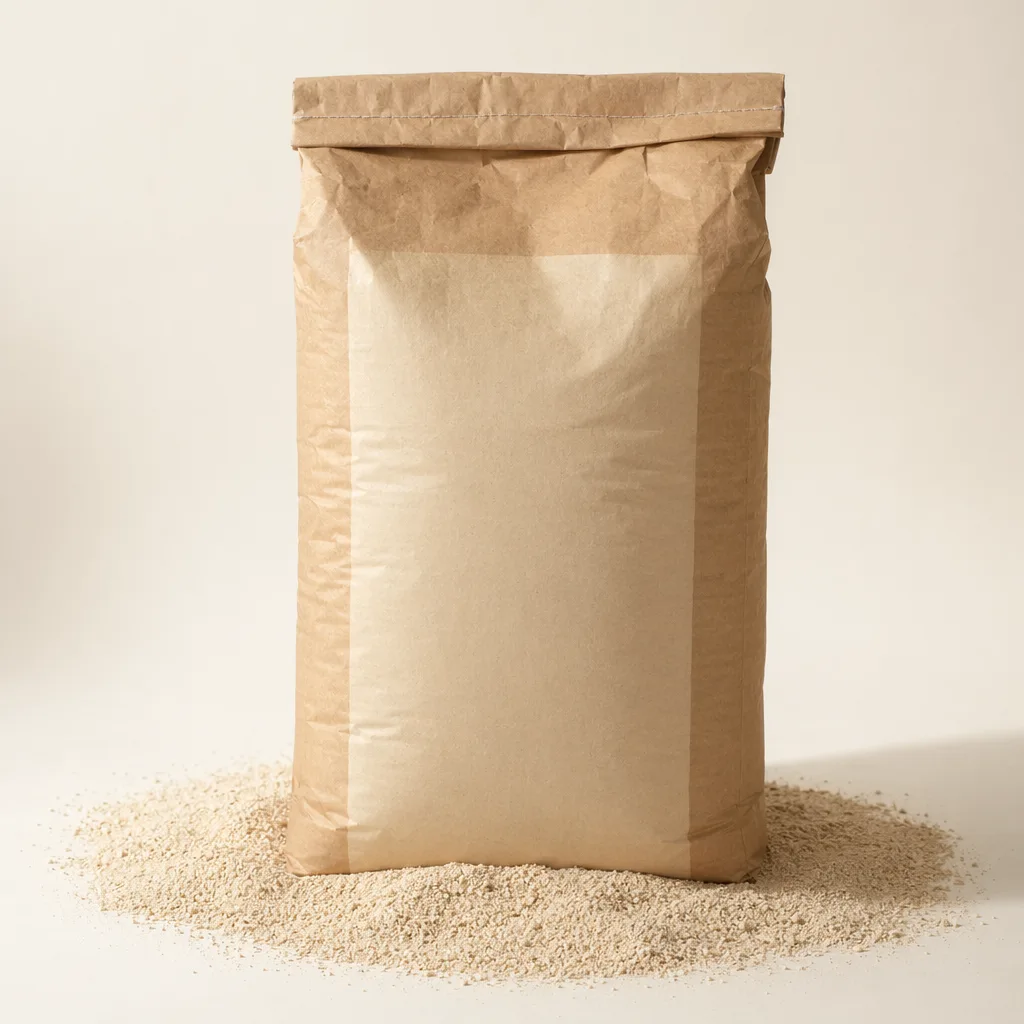
Semi-dry yeast for frozen dough is a low-moisture baker's yeast formulated to retain leavening performance through mixing, freezing, frozen storage, thawing, and proofing cycles. ArtemisYeast supplies ART-BK-069 in 25 kg multi-wall sacks for industrial bakeries, artisan frozen-dough producers, and chain bakery commissaries. This product is offered on an inquiry-only basis, with wholesale pricing on request for qualified bulk buyers evaluating frozen dough, par-baked, and bake-off programs.
- ✓ Free worldwide shipping
- ✓ ISO-aligned manufacturing
- ✓ Certificate of Analysis on request
- ✓ Bulk & custom volumes quoted on request
Overview
ART-BK-069 is a semi-dry baker's yeast designed for frozen dough systems where conventional compressed yeast or standard instant dry yeast may lose activity during extended cold storage. It is produced from selected Saccharomyces cerevisiae strains and processed to an intermediate moisture format that supports rapid dispersion while reducing free water stress inside the yeast cell. Typical targets include 18-24% moisture, viable yeast count around 2.0×10^10 CFU/g or higher at packing, and clean, cream-to-light-tan granules suitable for direct addition to flour during mixing.
The product is intended for manufacturers requiring predictable gas production after freeze-thaw exposure, not only at the mixer. In frozen dough, yeast must tolerate osmotic pressure from sugar and salt, mechanical stress from intensive mixing, and ice-crystal damage during blast freezing and storage. ART-BK-069 is specified for doughs that may be held at approximately -18°C before distribution to retail bakeries, foodservice kitchens, or in-store bake-off points. It fits within ArtemisYeast's broader baking yeast portfolio for plants that need a differentiated yeast option for frozen supply chains.
Applications
- Frozen bread and roll dough: Suitable for pan bread, baguette, sandwich roll, burger bun, and dinner roll bases where controlled proof height is required after thawing.
- Sweet dough and laminated products: Can be evaluated in croissant, Danish, cinnamon roll, and enriched dough formulas. R&D teams should validate dosage against sugar, fat, dough temperature, fermentation time, and freezer residence.
- Pizza and flatbread bases: Supports commissary-made frozen pizza dough balls, sheeted bases, focaccia, naan-style flatbreads, and other thaw-proof-bake formats that require extensibility and measured oven spring.
- Industrial and chain bakery operations: Designed for central plants supplying multiple retail points, where yeast performance must remain consistent across batch sizes, shipping lanes, and proofing equipment.
- Process optimization: Typical use levels are established by flour weight and process design; many bakeries begin bench trials near 1.0-3.0% on flour, then adjust for frozen storage duration, target proof time, formula strength, and desired crumb structure.
Because frozen dough performance depends on flour quality, oxidizing or reducing agents, emulsifiers, sugar level, mixing energy, and freezing curve, ArtemisYeast recommends pilot testing under the buyer's actual process conditions. For procurement planning, production trials, or alternative pack requirements, submit a bulk quote on request with target application, annual volume, destination port, and required documentation.
Storage and Handling
Keep ART-BK-069 sealed in the original 25 kg multi-wall sack until use. Recommended storage is frozen or deep-chilled, typically -18°C for long-term holding, with limited exposure to warm, humid plant air. Under recommended conditions, unopened product is commonly specified for up to 24 months from manufacture; final shelf-life confirmation should be verified against the lot CoA and shipping route. Once opened, reseal promptly, protect from condensation, and use as quickly as practical.
Add the yeast directly to dry ingredients unless the plant's standard operating procedure requires pre-blending. Avoid contact with ice water, concentrated salt, or high-sugar syrups before flour incorporation, as localized osmotic shock can reduce activity. For frozen dough lines, monitor dough exit temperature, time before blast freezing, core freezing speed, and thawing schedule, since these variables can have as much influence on proof response as yeast dosage.
Quality and Documentation
ART-BK-069 is supplied for professional baking use with lot-level traceability and specification review available before purchase. Typical quality parameters may include moisture, viable count, leavening activity by standard dough test, appearance, odor, foreign matter control, microbiological limits, and packaging integrity. A Certificate of Analysis can be provided for shipped lots, and additional declarations may be available depending on destination and regulatory requirements.
ArtemisYeast supports technical procurement with document packages for qualified buyers, including product specification, allergen statement, food-grade declaration, GMO status statement where applicable, and safety data information. HACCP-aligned manufacturing information and food-safety documentation such as ISO 22000, FSSC 22000, Halal, or Kosher evidence may be supplied on request where available for the production site and lot. Review our quality documentation process when preparing supplier approval files.
Storage & Handling
Refer to the CoA for product-specific storage conditions. Ship cold-chain where required.
Quality & Documentation
Manufactured under ISO-aligned quality management systems. Full documentation — Certificate of Analysis (CoA), Material Safety Data Sheet (MSDS), formulation summary, and stability data — is available on request. Email info@artemisyeast.com with the SKU.
About this product
01 What is the typical shelf life?
02 Do you offer documentation (CoA, food-grade declaration)?
03 What is the minimum order quantity?
04 Is bulk pricing available?
05 How is this product shipped internationally?
More from Baking Yeast
Bread Emulsifier for Industrial Baking and Frozen Dough
Wholesale bread emulsifier for industrial, artisan, and chain bakery operations. Inquiry-priced bulk.
Instant Dry Yeast for Chilled Dough, 25 kg Sack
Wholesale instant dry yeast for chilled dough for industrial, artisan, and chain bakery operations. Inquiry-pr…
Concentrated Bread Improver for Bulk Bakery Use
Wholesale concentrated bread improver for industrial, artisan, and chain bakery operations. Inquiry-priced bul…
Crumbs Bread Improver for Bulk Bakery Production
Wholesale crumbs bread improver for industrial, artisan, and chain bakery operations. Inquiry-priced bulk.