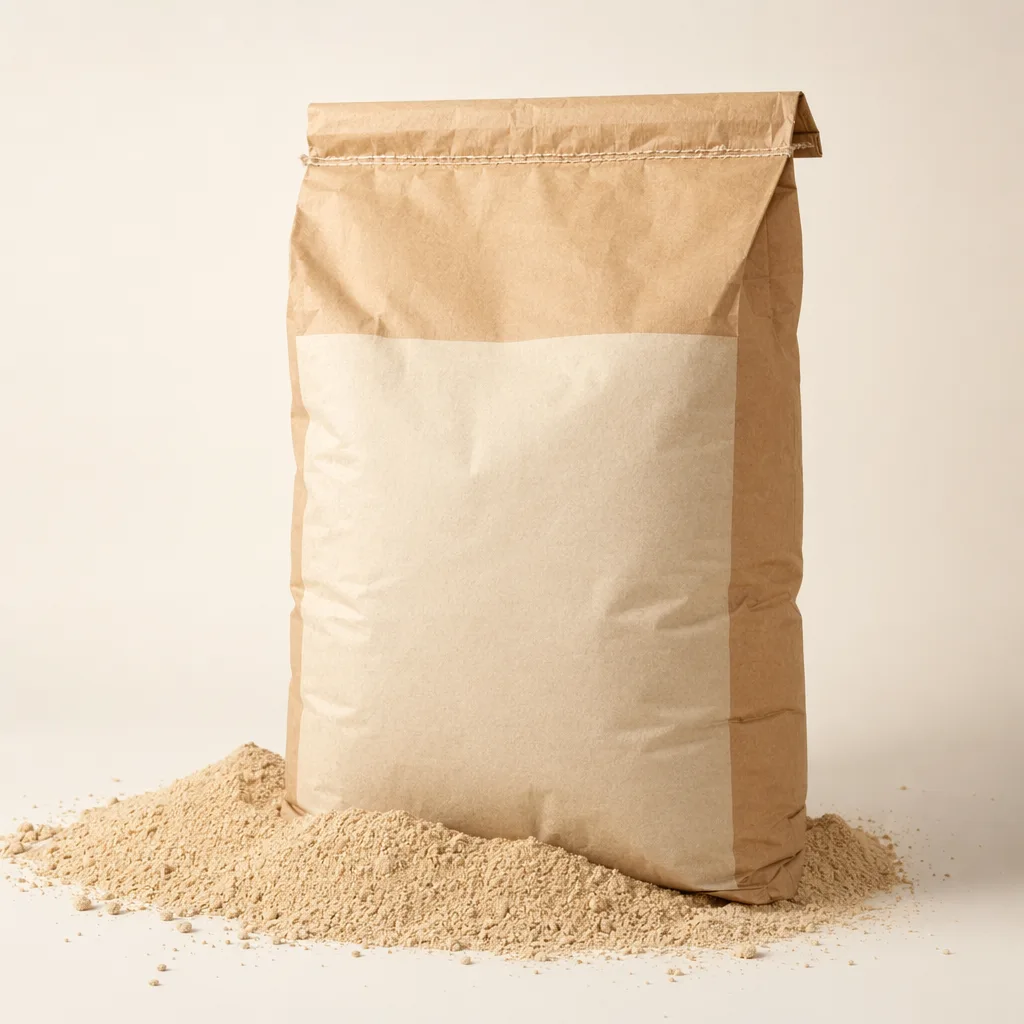
Sweet Bread Improver for Industrial Baking
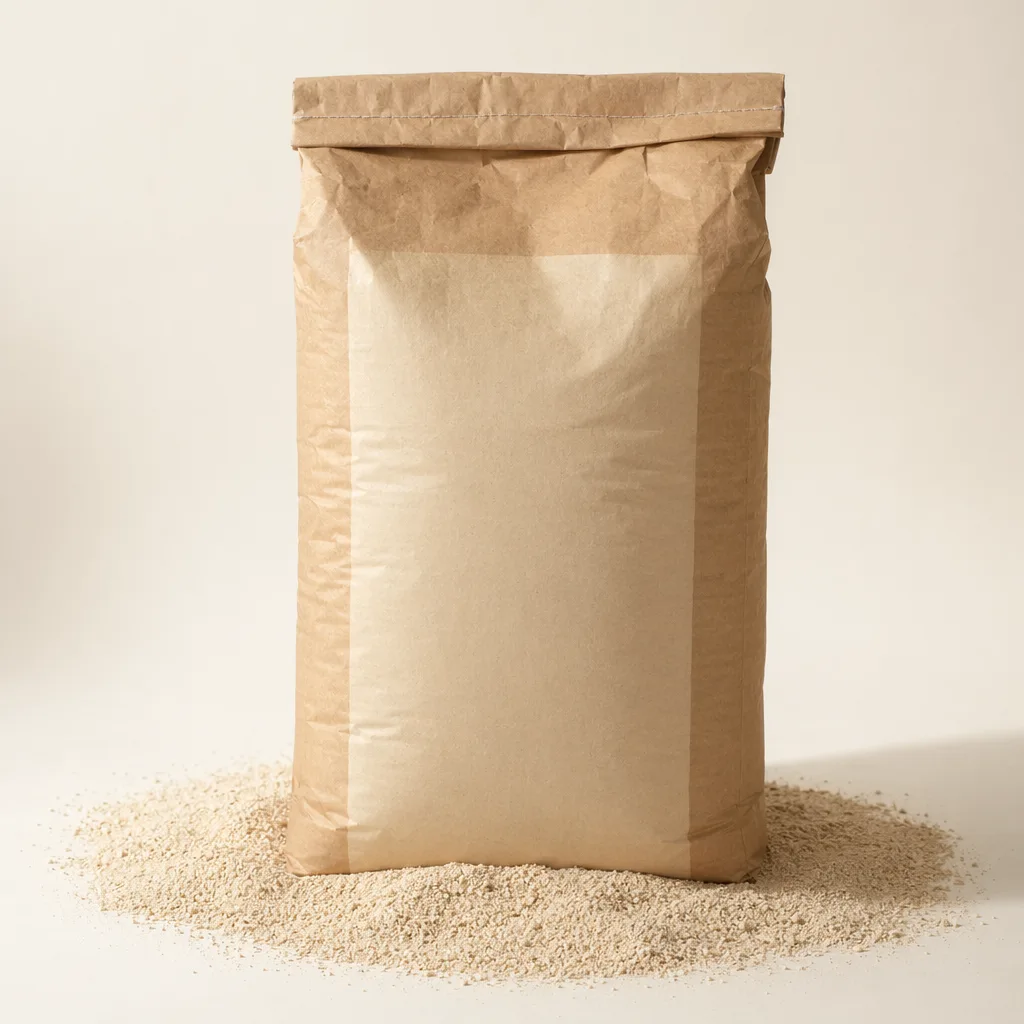
Sweet bread improver is a powdered bakery processing aid formulated to strengthen dough, support yeast fermentation, and improve volume and crumb softness in high-sugar bread systems. ART-BK-074 is supplied for industrial, artisan, and chain bakery use where consistent pan bread, buns, rolls, milk bread, and enriched dough performance are required. It is available in 25 kg multi-wall sacks, with wholesale pricing on request for qualified bulk buyers.
- ✓ Free worldwide shipping
- ✓ ISO-aligned manufacturing
- ✓ Certificate of Analysis on request
- ✓ Bulk & custom volumes quoted on request
Overview
ART-BK-074 Sweet Bread Improver is designed for enriched bread formulas containing elevated sugar, fat, dairy solids, eggs, inclusions, or extended mixing requirements. Typical functional components may include food-grade carriers, emulsifiers, oxidizing agents, yeast nutrients, and selected enzyme systems to improve dough tolerance, gas retention, oven spring, slicing quality, and finished bread softness. The product is intended for high-throughput bakery plants as well as regional commissaries that need repeatable performance across flour lots and seasonal process variation.
Typical reference specifications include off-white to light cream free-flowing powder, clean bakery odor, moisture not more than 8.0%, and particle size suitable for dry blending into flour or premix systems, commonly 95% passing 40 mesh. Suggested use level is normally 0.3% to 1.2% based on flour weight, with higher starting points often evaluated for sweet doughs containing 12% to 25% sugar on flour. Final dosage should be confirmed by bake trial, flour strength, yeast type, sugar level, proof time, and desired shelf-life profile. Related industrial bakery inputs can be reviewed under baking yeast and bakery ingredients.
Applications
- Industrial sweet bread: pan bread, milk bread, brioche-style loaves, sandwich rolls, and soft enriched breads requiring stable fermentation and uniform crumb structure.
- Buns and rolls: hamburger buns, hot dog rolls, sweet dinner rolls, and laminated-style soft rolls where dough extensibility, proof tolerance, and volume are production-critical.
- Chain bakery commissaries: centralized premix and dough operations that require batch-to-batch consistency across multiple stores or distribution points.
- Frozen or chilled dough development: R&D teams may evaluate the improver in retarded dough, par-baked, or frozen dough systems to support gas retention after storage and handling stress.
- Flour correction programs: plant managers can use the product as part of a controlled flour-adjustment approach when incoming wheat flour varies in protein strength, absorption, or mixing tolerance.
- Premix manufacturing: suitable for inclusion in dry bakery premixes when compatibility with flour, sugar, milk powder, emulsifier systems, and instant dry yeast has been verified by trial.
Storage and Handling
Store unopened sacks in a cool, dry, ventilated warehouse away from direct sunlight, condensation, strong odors, and pest exposure. Recommended storage is below 25 °C with relative humidity controlled below 65% where practical. Keep bags closed after opening and use clean, dry scoops or automated dosing equipment to avoid moisture pickup. Do not store directly on floors; use pallets and follow first-in, first-out inventory rotation.
Typical shelf life is 12 months from production date when stored in original unopened packaging under recommended conditions. Because improver systems can contain moisture-sensitive functional ingredients, avoid prolonged exposure to humid mixing rooms and do not blend into wet ingredients before flour dispersion unless the process has been validated. For trial planning, technical data, and bulk quote on request, buyers may submit details through the request quote form with flour type, target product, dosage range, and annual usage estimate.
Quality and Documentation
ART-BK-074 is supplied for food manufacturing use with lot traceability and a Certificate of Analysis available on request. Typical quality checks may include appearance, odor, moisture, particle size, and microbiological indicators appropriate to dry bakery ingredients. Product documentation can include specification sheet, allergen statement, food-grade declaration, SDS where applicable, and country-of-origin or export documents depending on destination market and order structure.
Manufacturing and supplier controls are managed under documented food-safety programs aligned with HACCP principles. Certification documents such as ISO 22000, FSSC 22000, Halal, or Kosher may be available on request where applicable to the producing site and formulation. ArtemisYeast can also support procurement teams with private-label documentation review, pallet configuration, shelf-life confirmation, and pre-shipment documentation checks; see quality and documentation standards for the information typically prepared before international dispatch.
Storage & Handling
Refer to the CoA for product-specific storage conditions. Ship cold-chain where required.
Quality & Documentation
Manufactured under ISO-aligned quality management systems. Full documentation — Certificate of Analysis (CoA), Material Safety Data Sheet (MSDS), formulation summary, and stability data — is available on request. Email info@artemisyeast.com with the SKU.
About this product
01 What is the typical shelf life?
02 Do you offer documentation (CoA, food-grade declaration)?
03 What is the minimum order quantity?
04 Is bulk pricing available?
05 How is this product shipped internationally?
More from Baking Yeast
Bread Emulsifier for Industrial Baking and Frozen Dough
Wholesale bread emulsifier for industrial, artisan, and chain bakery operations. Inquiry-priced bulk.
Instant Dry Yeast for Chilled Dough, 25 kg Sack
Wholesale instant dry yeast for chilled dough for industrial, artisan, and chain bakery operations. Inquiry-pr…
Concentrated Bread Improver for Bulk Bakery Use
Wholesale concentrated bread improver for industrial, artisan, and chain bakery operations. Inquiry-priced bul…
Crumbs Bread Improver for Bulk Bakery Production
Wholesale crumbs bread improver for industrial, artisan, and chain bakery operations. Inquiry-priced bulk.