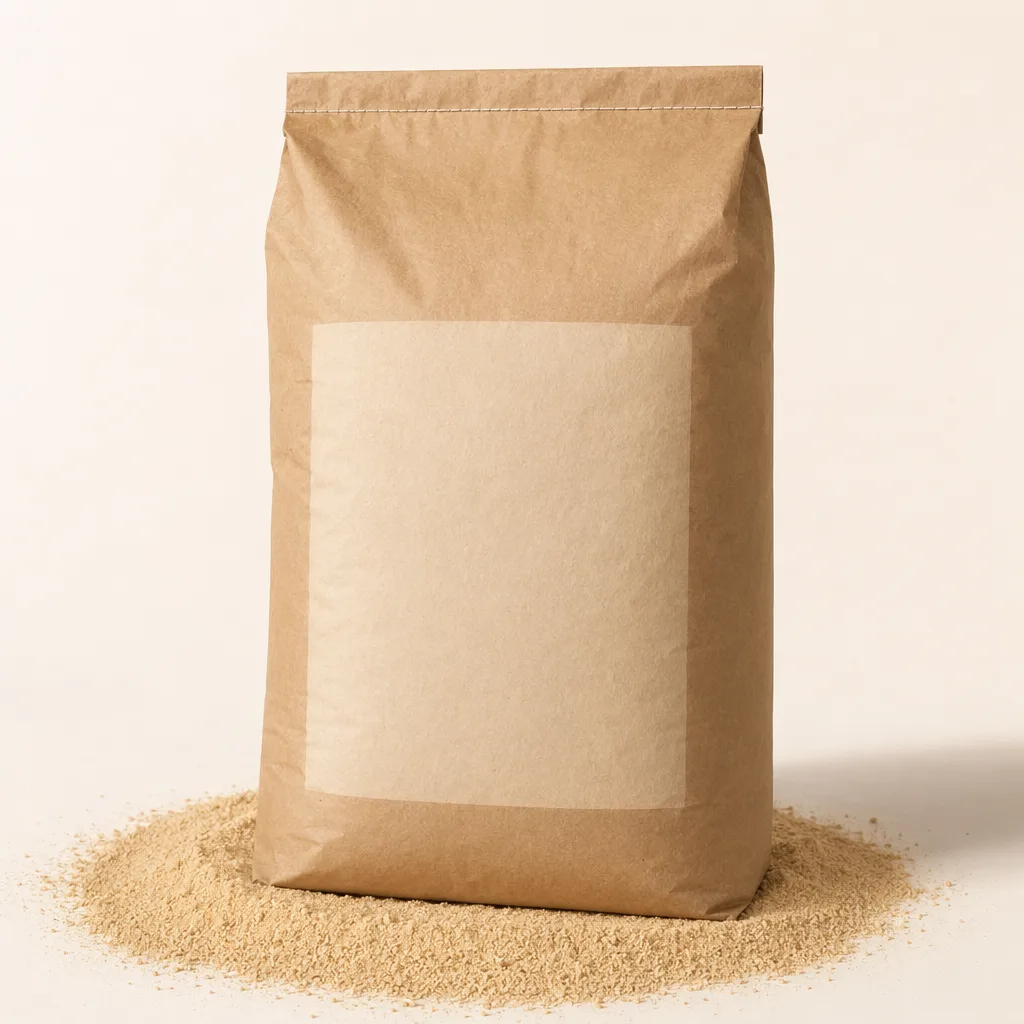
Sodium and Sugar Reduction for Soy Sauce Fermentation
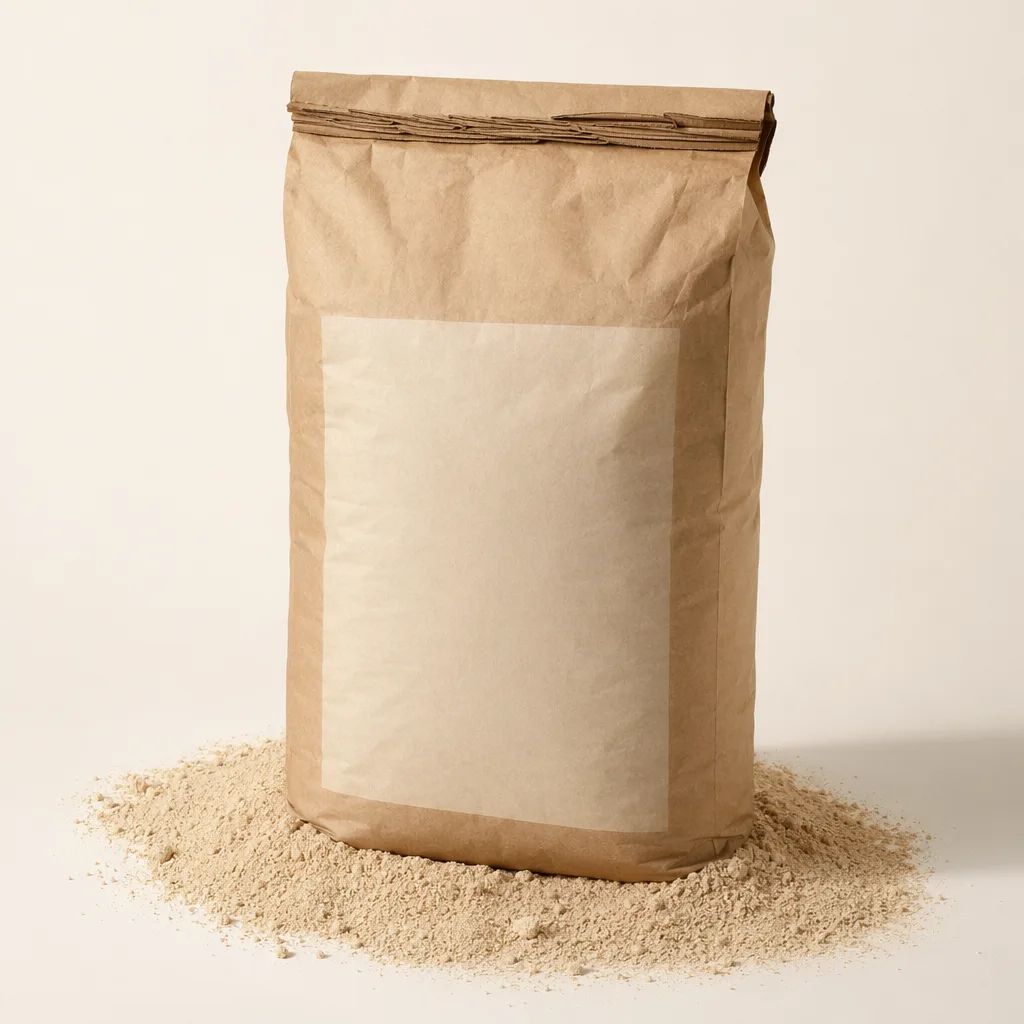
Sodium and sugar reduction yeast extract is a savoury fermentation ingredient used to build umami, kokumi, salt perception, and rounded body in soy sauce systems. ArtemisYeast supplies ART-YE-021 in 20 kg multi-wall sacks for industrial condiment, sauce, bouillon, snack seasoning, and clean-label flavour development. This inquiry-only product is available for wholesale pricing on request, with technical matching for target sodium level, sweetness balance, fermentation style, and finished-product declaration needs.
- ✓ Free worldwide shipping
- ✓ ISO-aligned manufacturing
- ✓ Certificate of Analysis on request
- ✓ Bulk & custom volumes quoted on request
Overview
ART-YE-021 is a food-grade yeast extract matrix designed for soy sauce fermentation and post-fermentation flavour balancing where sodium chloride and added sugar need to be reduced without producing a thin or harsh taste profile. The product contributes naturally occurring amino acids, peptides, soluble solids, and savoury nucleotides that support umami intensity, aftertaste length, and mouthfeel in high-salt, low-salt, brewed, blended, and hydrolysed seasoning systems.
Typical specification targets include tan to brown free-flowing powder, moisture not more than 6.0%, total nitrogen 8.0–11.0%, sodium chloride typically below 12.0% unless otherwise specified, pH 5.0–7.0 in 5% solution, and 80 mesh pass rate not less than 90%. Microbiological limits are set for food manufacturing use, with total plate count, yeast and mould, coliform, and pathogen testing stated on the certificate of analysis. Explore related savoury yeast extract options in our yeast extract savoury category.
Applications
- Soy sauce fermentation and finishing: used in trials for sodium reduction, sugar reduction, aroma rounding, and body restoration after dilution or reformulation. It can be dosed into moromi-derived liquid, blended soy sauce, seasoning bases, or dry premixes depending on the process flow.
- Reduced-salt condiment platforms: supports perceived saltiness and lingering umami in table sauces, dipping sauces, marinades, stir-fry sauces, teriyaki-style sauces, and savoury glazes where chloride reduction may expose bitterness or acidity.
- Clean-label savoury systems: provides a yeast-derived ingredient route for bouillon, stock powder, soup bases, instant noodle seasoning, meat-style snacks, plant-based seasoning, and prepared meal components where sugar reduction can reduce flavour roundness.
- R&D optimisation: recommended starting dosage is typically 0.1–1.0% in liquid sauce systems and 1.0–5.0% in dry seasoning blends, adjusted by salt target, sugar target, total soluble solids, heat process, and desired label statement.
- Industrial processing: suitable for blending, dissolving, spray application, or premix incorporation. For purchasing support, request a sample plan or bulk quote on request with your annual volume, target specification, destination port, and packaging preference.
Storage and Handling
ART-YE-021 is supplied in 20 kg multi-wall sacks with inner food-contact liner. Store sealed product in a cool, dry, odour-free warehouse, ideally below 25°C and below 65% relative humidity. Keep away from direct sunlight, steam lines, strong-smelling materials, and wet floors. Under recommended storage conditions, typical shelf life is 18–24 months from production date, subject to the confirmed lot specification.
After opening, reseal the inner liner and use promptly to limit moisture pickup and caking. The powder is readily dispersible in warm water and most savoury liquid bases; for best incorporation, add under agitation before final filtration or pasteurisation validation. Production teams should assess compatibility with high-temperature holding, Maillard colour development, allergen controls, and local declaration rules before commercial scale-up.
Quality and Documentation
ArtemisYeast supplies ART-YE-021 for B2B food manufacturing with lot-level traceability and specification review before shipment. A certificate of analysis can report sensory description, moisture, nitrogen or protein-related values, salt, pH, particle size, and microbiological results. Heavy metals, allergen statement, GMO status statement, food-grade declaration, Halal, Kosher, HACCP, ISO 22000, or FSSC 22000 documentation may be available on request depending on the approved manufacturing site and shipment lot.
Procurement and QA teams can review our documentation process through quality and compliance support. For new projects, ArtemisYeast recommends a bench trial followed by pilot processing to confirm sodium reduction level, sugar replacement strategy, finished flavour impact, heat stability, and label acceptance in the destination market.
Storage & Handling
Refer to the CoA for product-specific storage conditions. Ship cold-chain where required.
Quality & Documentation
Manufactured under ISO-aligned quality management systems. Full documentation — Certificate of Analysis (CoA), Material Safety Data Sheet (MSDS), formulation summary, and stability data — is available on request. Email info@artemisyeast.com with the SKU.
About this product
01 What is the typical shelf life?
02 Do you offer documentation (CoA, food-grade declaration)?
03 What is the minimum order quantity?
04 Is bulk pricing available?
05 How is this product shipped internationally?
More from Yeast Extract & Savoury Ingredients
Clean Label Yeast Extract for Savoury Food Manufacturing
Bulk clean label for savoury food manufacturers — bouillon, sauces, snacks, and clean-label umami systems.
Yeast Extract Mouthfulness for Savoury Foods
Bulk hou-feel mouthfulness for savoury food manufacturers — bouillon, sauces, snacks, and clean-label umami sy…
Xian Umami Yeast Extract for Savoury Manufacturing
Bulk xian/umami taste for savoury food manufacturers — bouillon, sauces, snacks, and clean-label umami systems…
Clean Taste Yeast Extract for Savoury Food Systems
Bulk pure & clean taste for savoury food manufacturers — bouillon, sauces, snacks, and clean-label umami syste…