Natural Yeast Protein for Plant-Based Meat
Natural yeast protein is an inactive, protein-rich yeast ingredient used to build savory nutrition, texture support, and clean-label protein contribution in plant-based meat systems. ART-NY-028 is supplied by ArtemisYeast for manufacturers requiring a non-animal, fermentation-derived input in scalable dry format. It is available in a 10 kg foil-lined sack for pilot, validation, and commercial production. Wholesale pricing on request is available through the bulk inquiry form.
- ✓ Free worldwide shipping
- ✓ ISO-aligned manufacturing
- ✓ Certificate of Analysis on request
- ✓ Bulk & custom volumes quoted on request
Overview
ART-NY-028 is an inactive natural yeast protein designed for plant-based meat, vegan prepared foods, and dry nutritional blends where protein, umami background, and formulation consistency are required. The ingredient is not a leavening yeast and is not intended to generate fermentation gas; it is processed as a dry inactive yeast-derived powder suitable for blending with pea protein, soy protein, wheat gluten, mycoprotein systems, oils, fibers, hydrocolloids, salt, flavors, and color systems.
Typical specification targets include protein 45-55% by dry basis, moisture not more than 6.0%, ash 6-10%, total carbohydrate balance, and beta-glucan-containing yeast cell wall fractions typically 15-25% depending on production lot. A common particle size is 60-100 mesh, with free-flowing light tan to beige powder characteristics and a mild yeast-savoury aroma. Final specifications are confirmed by lot Certificate of Analysis. For adjacent inactive yeast ingredients, see the nutritional yeast category.
Applications
- Plant-based meat patties, mince, nuggets, and sausages: contributes yeast-derived protein solids, savory base notes, and dry matter for hydrated matrices using extrusion, chopping, mixing, or forming lines.
- Vegan and vegetarian prepared foods: suitable for sauces, fillings, soups, meal kits, and ready-meal components where a non-animal protein source and rounded umami profile are needed.
- Protein blends and dry mixes: can be used in shake powders, bakery premixes, savory seasoning bases, and supplement-style foods where inactive yeast protein is compatible with label and sensory goals.
- R&D formulation work: useful for benchmarking water absorption, dispersibility, background flavor, protein contribution, and compatibility with binders, starches, fats, and flavor masking systems before scale-up.
- Industrial procurement programs: supplied as ART-NY-028 in 10 kg foil-lined sacks, with bulk quote on request for recurring plant supply and multi-pallet ordering.
Storage and Handling
Store sealed sacks in a cool, dry, odor-free warehouse, ideally below 25°C and below 65% relative humidity. Keep away from direct sunlight, steam lines, wet floors, strong aromas, and open chemical containers. After opening, close the inner liner tightly and use promptly to reduce moisture pickup and aroma transfer. Typical shelf life is 18-24 months from manufacture when stored in unopened original packaging under recommended conditions; the exact shelf life is stated on the production label or CoA.
For batching, add gradually into dry blends or pre-disperse into the liquid phase under moderate shear to avoid lumping. Validate hydration time, salt level, pH, heat process, and shear conditions in the final recipe because plant-based meat systems vary widely by protein base and fat structure.
Quality and Documentation
ArtemisYeast supplies ART-NY-028 with procurement documentation suitable for B2B qualification. Available documents may include Certificate of Analysis, technical data sheet, safety data sheet, allergen statement, food-grade declaration, country-of-origin statement, and GMO-status statement, subject to lot and contract requirements. Microbiological limits are controlled for food manufacturing use, with typical checks such as total plate count, yeast and mold, coliforms, and absence targets for relevant pathogens as defined in the agreed specification.
Manufacturing and supplier controls are managed under food-safety programs aligned with HACCP principles. Documentation for ISO 22000, FSSC 22000, Halal, Kosher, or equivalent site and product certifications can be reviewed where applicable and available. Procurement teams can assess current documents through the quality documentation page before approving bulk supply.
Storage & Handling
Refer to the CoA for product-specific storage conditions. Ship cold-chain where required.
Quality & Documentation
Manufactured under ISO-aligned quality management systems. Full documentation — Certificate of Analysis (CoA), Material Safety Data Sheet (MSDS), formulation summary, and stability data — is available on request. Email info@artemisyeast.com with the SKU.
About this product
01 What is the typical shelf life?
02 Do you offer documentation (CoA, food-grade declaration)?
03 What is the minimum order quantity?
04 Is bulk pricing available?
05 How is this product shipped internationally?
More from Nutritional Yeast
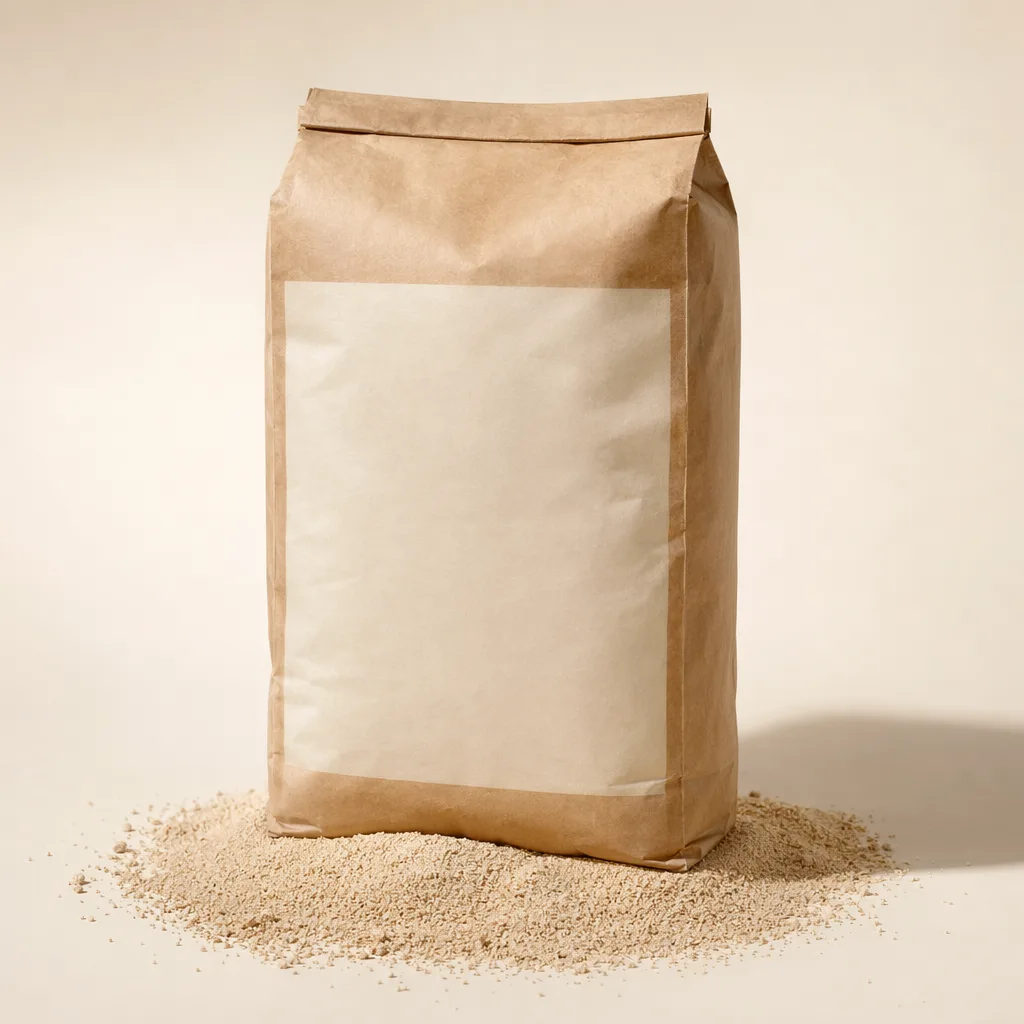
Natural Yeast Protein for Plant-Based Formulations
Inactive a sustainably sourced natural yeast protein for vegan, plant-based, and supplement manufacturers.
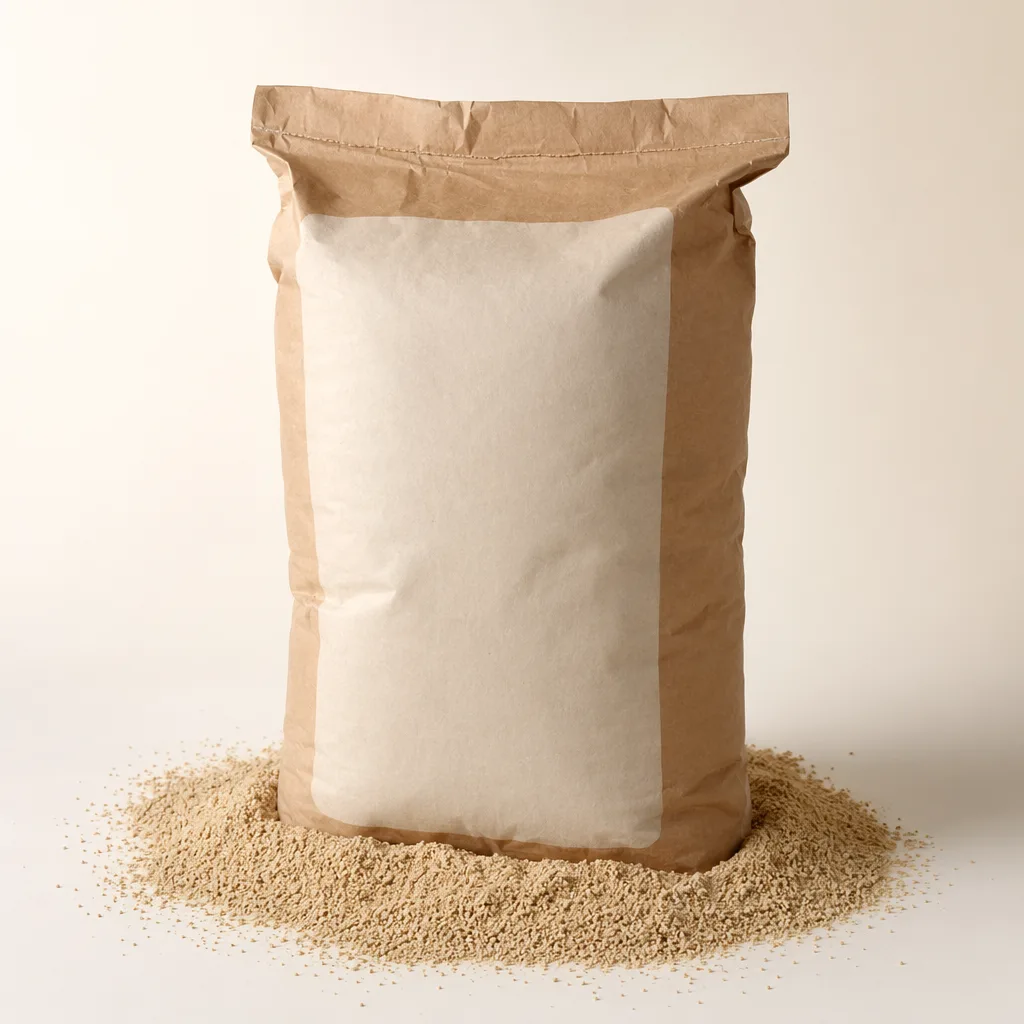
Inactive Yeast Peptide for Plant-Based Nutrition
Inactive a multifunctional peptide for vegan, plant-based, and supplement manufacturers.
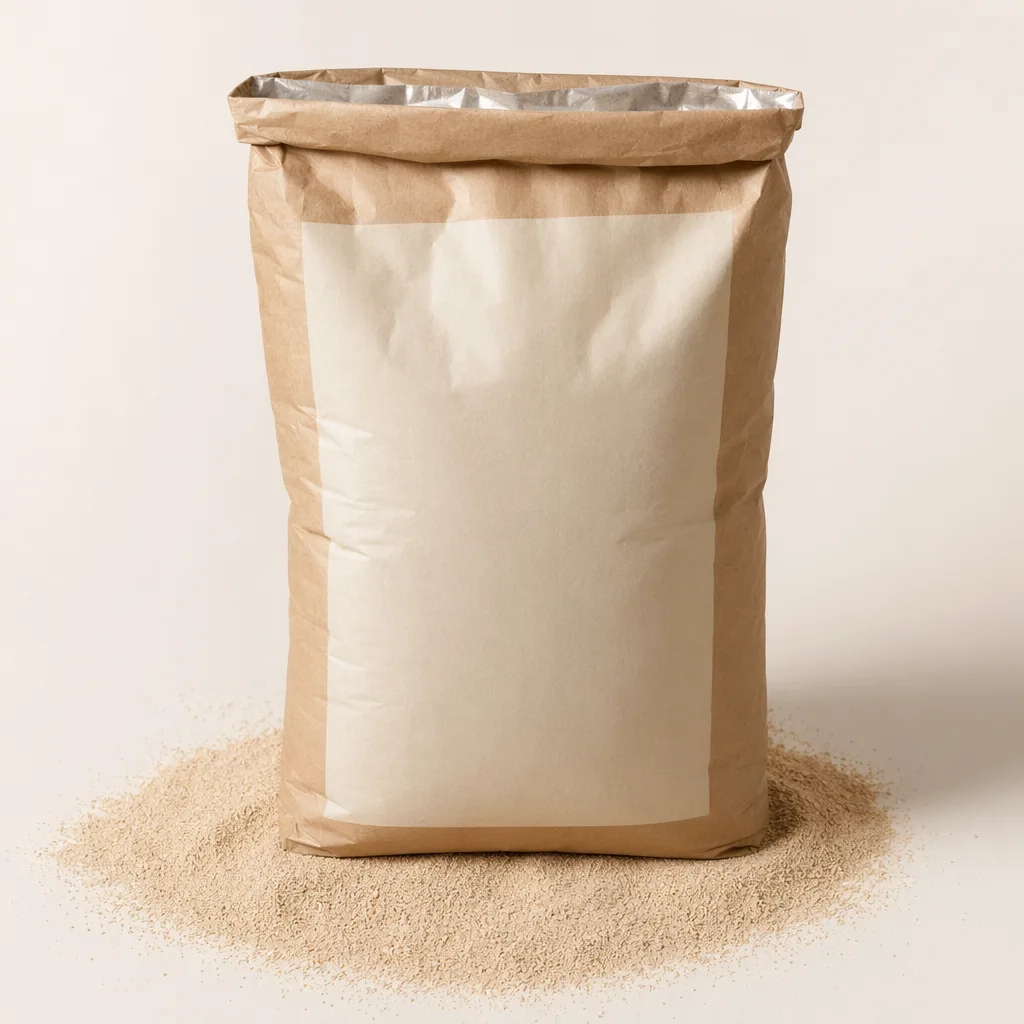
Inactive Saccharomyces Cerevisiae Nutritional Yeast
Inactive saccharomyces cerevisiae, yeast probiotics for human gut health for vegan, plant-based, and supplemen…
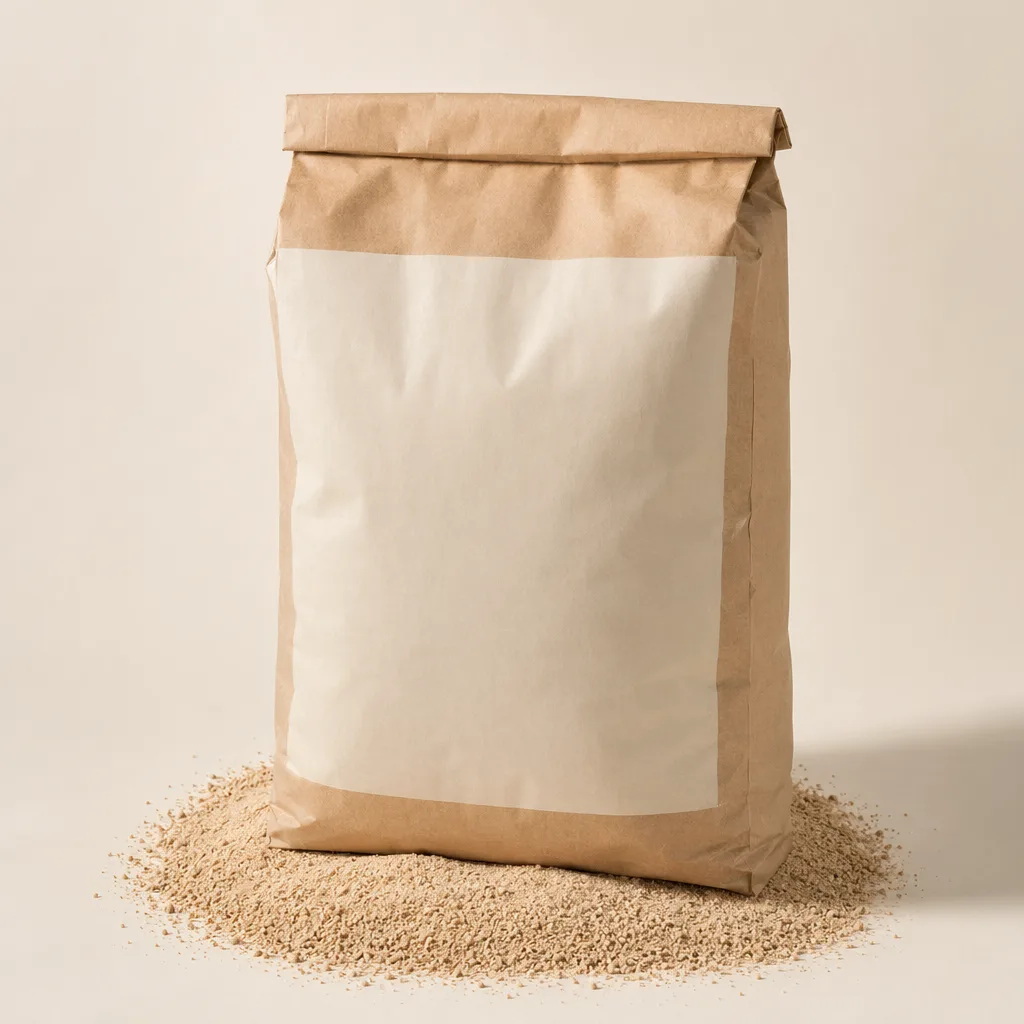
Inactive Yeast Protein White Powder for Bulk Supply
Inactive yeast protein white paper for vegan, plant-based, and supplement manufacturers.