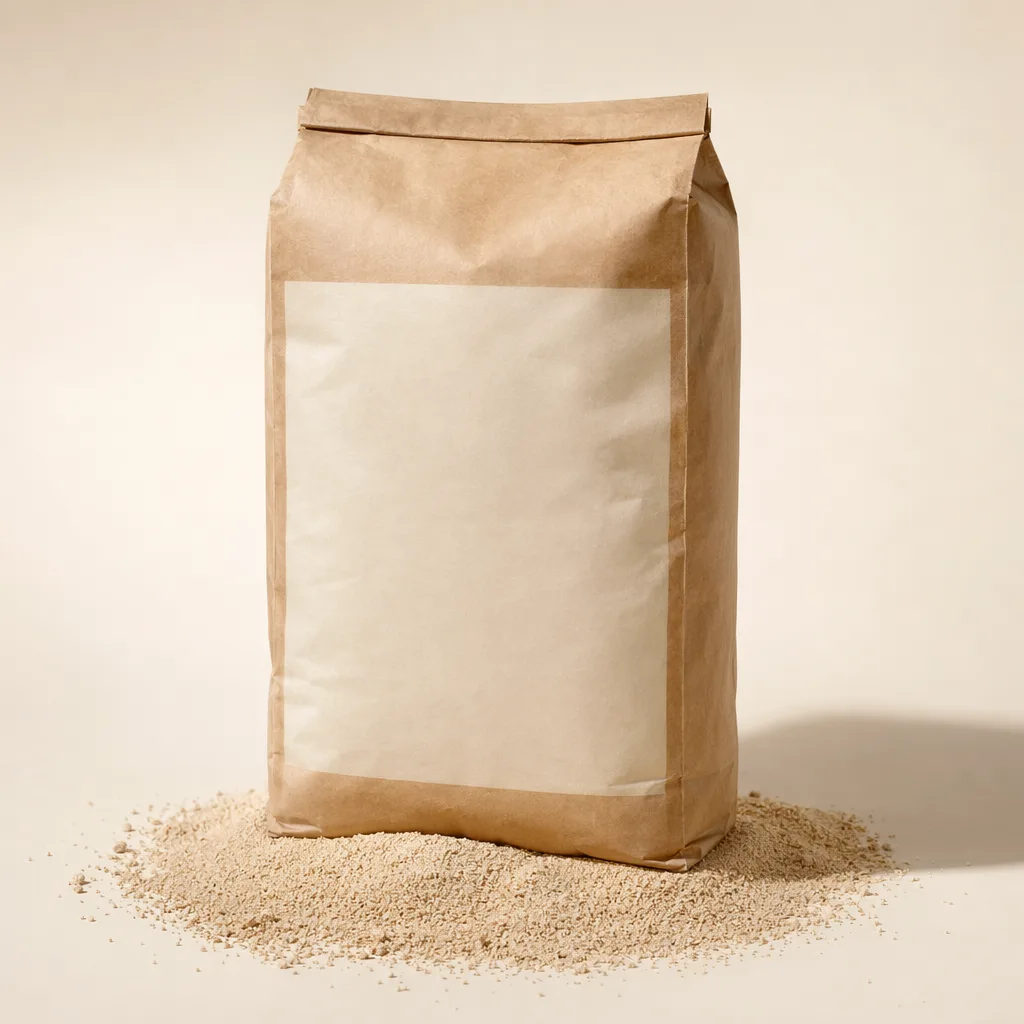
Natural Yeast Protein
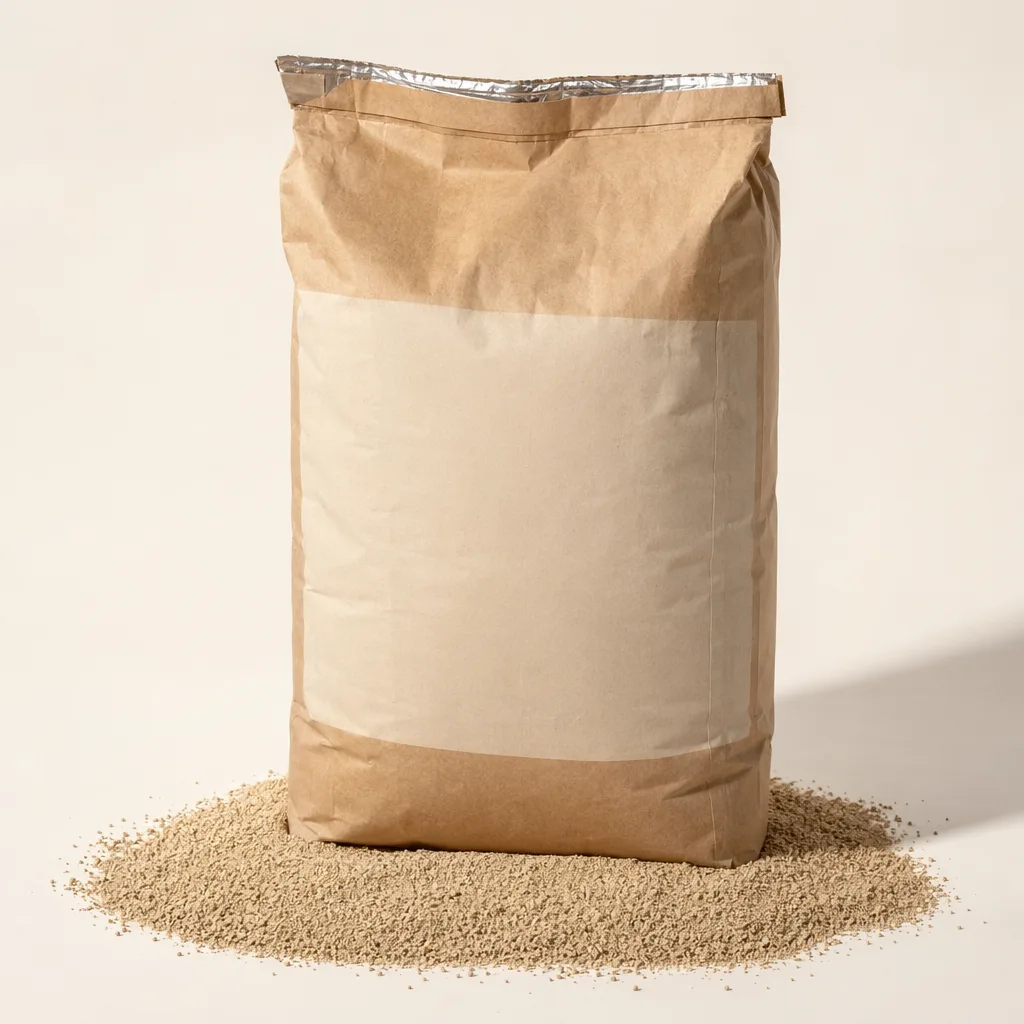
Natural yeast protein is an inactive Saccharomyces cerevisiae powder used as a protein-rich ingredient in vegan foods, plant-based meat, and supplement formulations. ART-NY-001 is supplied in 10 kg foil-lined sacks for industrial purchasing, pilot production, and scale-up projects. The product is non-leavening, dispersible, and selected for clean savory character, amino acid contribution, and formulation flexibility. Wholesale pricing on request is available for qualified bulk buyers.
- ✓ Free worldwide shipping
- ✓ ISO-aligned manufacturing
- ✓ Certificate of Analysis on request
- ✓ Bulk & custom volumes quoted on request
Overview
ART-NY-001 is an inactive natural yeast protein produced from controlled fermentation of food-grade Saccharomyces cerevisiae, followed by heat inactivation, separation, drying, and milling. Unlike active dry yeast, it is not intended for fermentation lift and is specified for nutritional contribution, savory background notes, and process-stable protein enrichment. Typical reference specifications include protein 45–55% on dry basis, moisture not more than 6.0%, ash 5–10%, total dietary fiber 15–25%, beta-glucan 5–12%, and particle size commonly passing 60–80 mesh, subject to lot confirmation by certificate of analysis.
The ingredient is suitable for manufacturers seeking a yeast-derived protein source with moderate umami, light cereal-to-yeast aroma, and good compatibility with plant proteins such as pea, soy, faba, rice, and wheat gluten. It can support flavor rounding in meat analogues, improve nitrogen contribution in powdered blends, and reduce reliance on single-source plant proteins. See related inactive yeast ingredients in nutritional yeast for comparison of flakes, powders, autolyzed formats, and protein-focused grades.
Applications
- Vegan and plant-based foods: Adds yeast-derived protein and savory depth to spreads, sauces, dips, cheese-style seasonings, soups, snack coatings, and dry meal mixes. The powder format supports uniform blending in dry premixes before hydration or thermal processing.
- Plant-based meat systems: Used in burgers, nuggets, sausages, fillings, and extruded bases where protein enrichment, umami balance, and masking of legume notes are required. Typical inclusion levels depend on target protein claim, sodium system, flavor load, and hydration profile; bench trials are recommended.
- Dietary supplement and nutrition powders: Applicable in vegan protein blends, smoothie powders, sachets, tablets, and capsules where an inactive yeast protein source is specified. Formulators should validate taste, dispersibility, bulk density, and compatibility with vitamins, minerals, sweeteners, and flavors.
- Clean-label seasoning bases: Can be combined with salt, hydrolyzed vegetable protein alternatives, mushroom powders, vegetable extracts, spices, and natural flavors to create rounded savory systems without using live yeast.
- R&D and procurement programs: ArtemisYeast supports specification matching, sample evaluation, and bulk quote on request through request-quote submission for ART-NY-001, including target packaging, annual volume, destination port, and required documentation.
Storage and Handling
Store sealed sacks in a cool, dry, odor-free warehouse, preferably below 25°C and below 65% relative humidity. Protect from direct sunlight, steam lines, wall condensation, pests, and strong-smelling materials because dry yeast ingredients can absorb ambient odor and moisture. Keep the foil liner closed after opening and use opened material promptly in accordance with site GMP procedures.
Typical shelf life is 18–24 months from manufacture when stored in original unopened packaging under recommended conditions; the exact date is confirmed on the product label and CoA. ART-NY-001 is an inactive ingredient and does not require cold-chain logistics under normal ambient dry cargo conditions. For food plants, add through enclosed powder handling where possible, use local dust extraction, and avoid unnecessary airborne dust. Standard PPE such as gloves, protective eyewear, and dust mask should be selected according to site risk assessment.
Quality and Documentation
Each commercial lot can be supplied with a certificate of analysis confirming key physical, chemical, and microbiological parameters. Typical microbiological controls may include total plate count, yeast and mold, coliforms, Escherichia coli, Salmonella in 25 g, and Staphylococcus aureus, with limits agreed against the customer specification and destination regulations. Heavy metals, allergen statements, non-GMO position statements, vegan suitability statements, and country-of-origin documents can be reviewed during qualification.
Manufacturing and supply are managed under HACCP-aligned food safety expectations, with ISO 22000, FSSC 22000, Halal, Kosher, and other food-safety documentation available on request where applicable to the selected production lot and supply route. Buyers may request product specification sheets, SDS, flow chart, packaging details, and regulatory support files through the quality documentation channel before purchase approval. ArtemisYeast supplies ART-NY-001 as an inquiry-only bulk ingredient; public pricing is not published, and wholesale pricing on request is provided after volume, destination, and specification requirements are confirmed.
Storage & Handling
Refer to the CoA for product-specific storage conditions. Ship cold-chain where required.
Quality & Documentation
Manufactured under ISO-aligned quality management systems. Full documentation — Certificate of Analysis (CoA), Material Safety Data Sheet (MSDS), formulation summary, and stability data — is available on request. Email info@artemisyeast.com with the SKU.
About this product
01 What is the typical shelf life?
02 Do you offer documentation (CoA, food-grade declaration)?
03 What is the minimum order quantity?
04 Is bulk pricing available?
05 How is this product shipped internationally?
More from Nutritional Yeast
Inactive Yeast Peptide for Plant-Based Nutrition
Inactive a multifunctional peptide for vegan, plant-based, and supplement manufacturers.
Inactive Saccharomyces Cerevisiae Nutritional Yeast
Inactive saccharomyces cerevisiae, yeast probiotics for human gut health for vegan, plant-based, and supplemen…
Inactive Yeast Protein White Powder for Bulk Supply
Inactive yeast protein white paper for vegan, plant-based, and supplement manufacturers.
Bulk Antioxidant Nutritional Yeast Powder, ART-NY-005
Inactive antioxidant/ anti-tumor for vegan, plant-based, and supplement manufacturers.