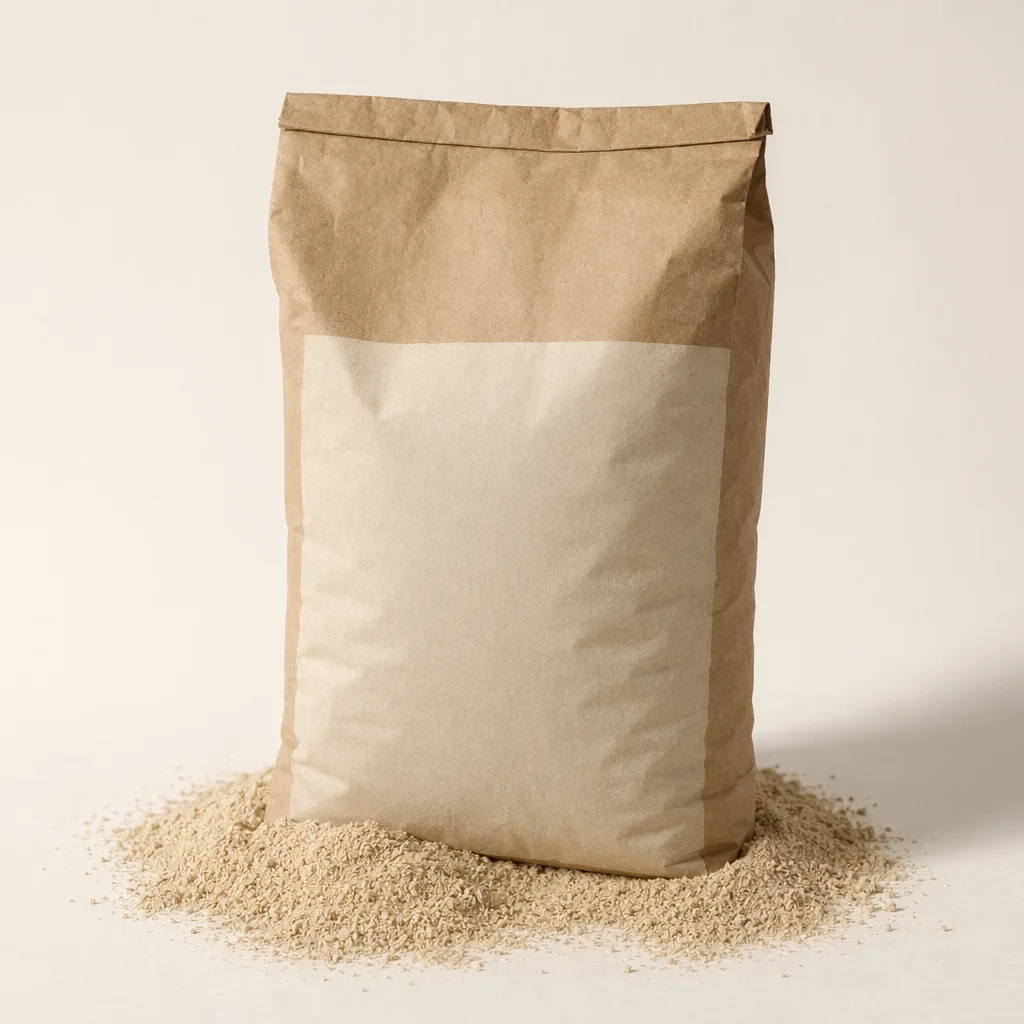
Copper Enriched Yeast
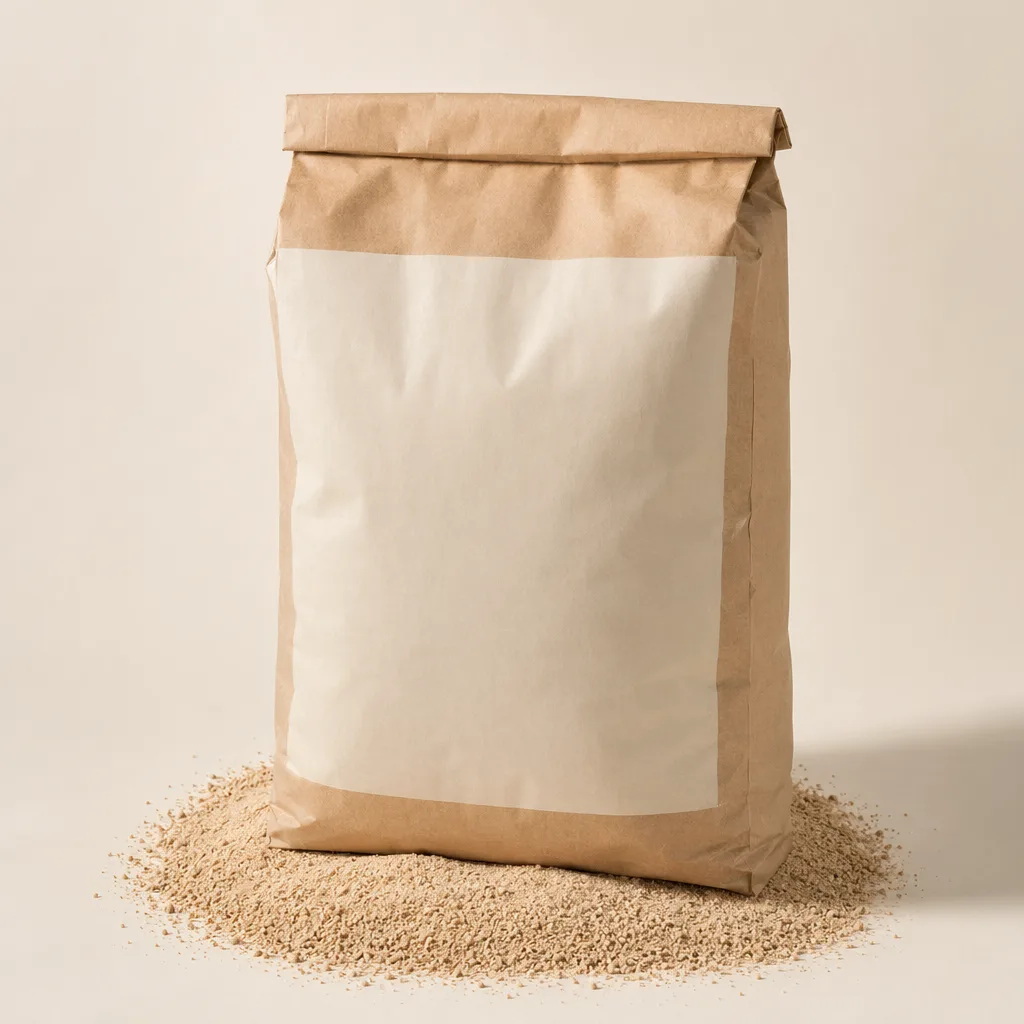
Copper enriched yeast is an inactive Saccharomyces cerevisiae ingredient in which copper is incorporated into a yeast matrix through controlled fermentation. ART-NY-049 is supplied for food manufacturers that need a fermentation-derived copper source for plant-based meat, vegan foods, nutrition premixes, and dry blends. The product is inquiry-only, packed in a 10 kg foil-lined sack, and available with wholesale pricing on request for qualified bulk buyers.
- ✓ Free worldwide shipping
- ✓ ISO-aligned manufacturing
- ✓ Certificate of Analysis on request
- ✓ Bulk & custom volumes quoted on request
Overview
ART-NY-049 copper enriched yeast is a non-leavening nutritional yeast ingredient designed for formulation teams that require a copper source carried on an inactive yeast matrix rather than a simple mineral salt. During production, selected Saccharomyces cerevisiae cells are grown under controlled fermentation conditions with copper added to the medium, followed by inactivation, separation, drying, and milling. The resulting powder contributes copper in a fermentation-derived yeast form while also bringing the characteristic solids of inactive yeast, including yeast protein, cell wall polysaccharides, B-vitamin-associated yeast solids, and savory background notes.
Typical specification targets are established by purchase agreement and confirmed on the certificate of analysis. Common ranges for this type of material include copper content from 1,000 to 5,000 mg/kg, moisture not more than 7.0%, protein approximately 40% to 50% on dry basis, ash controlled to the agreed grade, and particle size suitable for dry blending, commonly 60 to 80 mesh. The ingredient is inactive and is not intended for dough leavening or beverage fermentation. For adjacent inactive yeast ingredients, see our nutritional yeast category.
Applications
- Plant-based meat: supports copper declaration targets in burgers, nuggets, mince, sausages, and extruded plant protein systems where a neutral-to-savory dry powder is preferred.
- Vegan and vegetarian foods: suitable for dry premixes, seasoning systems, meal bases, and fortified food concepts when used within local regulatory limits.
- Nutrition powder manufacturing: can be dispersed into protein blends, sachet mixes, and powdered beverage bases after compatibility testing for color, flavor, and mineral interactions.
- Food R&D and pilot production: useful for comparing fermentation-derived mineral yeast with inorganic copper sources in process stability, dispersion, and label-positioning studies.
- Contract manufacturing: supplied in 10 kg foil-lined sacks for controlled batch addition, warehouse traceability, and scalable procurement.
Recommended use level depends on the target copper contribution, serving size, local labeling rules, and background copper from other ingredients. ArtemisYeast can support bulk quote on request and coordinate technical review through the request quote process.
Storage and Handling
Store ART-NY-049 in the original sealed 10 kg foil-lined sack in a cool, dry, odor-free warehouse away from direct sunlight, moisture, and volatile chemicals. Recommended storage is below 25°C with relative humidity below 65%. After opening, reseal promptly or transfer to a clean, food-grade container with batch identification retained. Avoid generating dust during weighing and charging; use local exhaust ventilation and standard plant hygiene practices for powdered food ingredients.
Typical shelf life is 18 to 24 months from manufacture when stored under recommended conditions, subject to the confirmed production lot and specification. The powder should be added through dry premix steps where possible to improve distribution before hydration, emulsification, extrusion, or forming. Because copper can interact with certain colors, lipids, antioxidants, and flavor systems, R&D teams should validate oxidative stability, sensory impact, and label calculations in the finished matrix before scale-up.
Quality and Documentation
Each commercial lot can be supplied with a certificate of analysis showing agreed assay items such as copper content, moisture, particle size, microbiological limits, and sensory appearance. Typical food-grade controls may include total plate count, yeast and mold, coliforms, Salmonella absence in the tested sample size, and heavy metals according to the agreed specification. Country-specific import documents, allergen statement, non-GMO statement, vegan suitability statement, and food-grade declaration are available on request where applicable.
Manufacturing and supplier documentation can include HACCP-aligned controls and food safety system documentation such as ISO 22000, FSSC 22000, Halal, or Kosher where available for the selected production site and lot. ArtemisYeast reviews documentation against procurement requirements before shipment and supports traceability from batch code to packing unit. For audit expectations, visit our quality and documentation page or include your required specification with the inquiry.
Storage & Handling
Refer to the CoA for product-specific storage conditions. Ship cold-chain where required.
Quality & Documentation
Manufactured under ISO-aligned quality management systems. Full documentation — Certificate of Analysis (CoA), Material Safety Data Sheet (MSDS), formulation summary, and stability data — is available on request. Email info@artemisyeast.com with the SKU.
About this product
01 What is the typical shelf life?
02 Do you offer documentation (CoA, food-grade declaration)?
03 What is the minimum order quantity?
04 Is bulk pricing available?
05 How is this product shipped internationally?
More from Nutritional Yeast
Natural Yeast Protein for Plant-Based Formulations
Inactive a sustainably sourced natural yeast protein for vegan, plant-based, and supplement manufacturers.
Inactive Yeast Peptide for Plant-Based Nutrition
Inactive a multifunctional peptide for vegan, plant-based, and supplement manufacturers.
Inactive Saccharomyces Cerevisiae Nutritional Yeast
Inactive saccharomyces cerevisiae, yeast probiotics for human gut health for vegan, plant-based, and supplemen…
Inactive Yeast Protein White Powder for Bulk Supply
Inactive yeast protein white paper for vegan, plant-based, and supplement manufacturers.