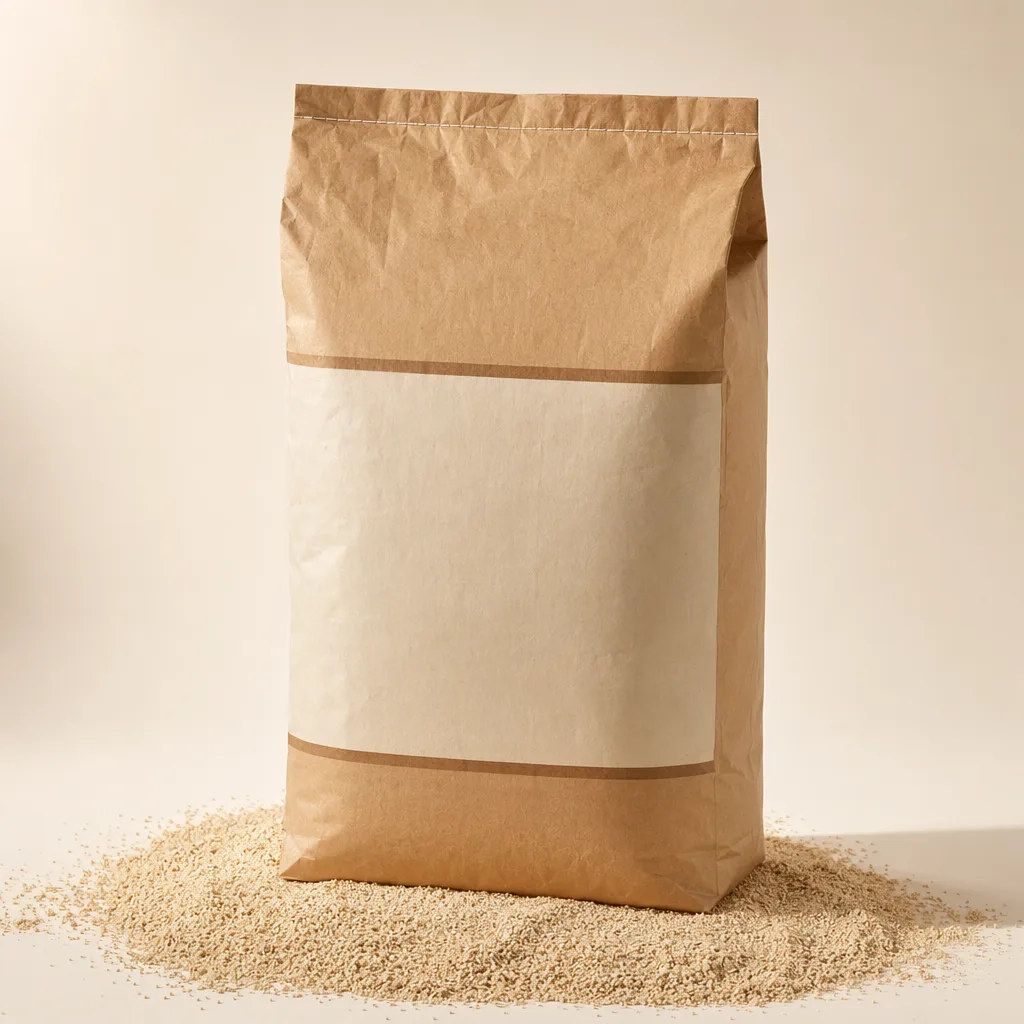
Glutathione Yeast for Plant-Based Meat
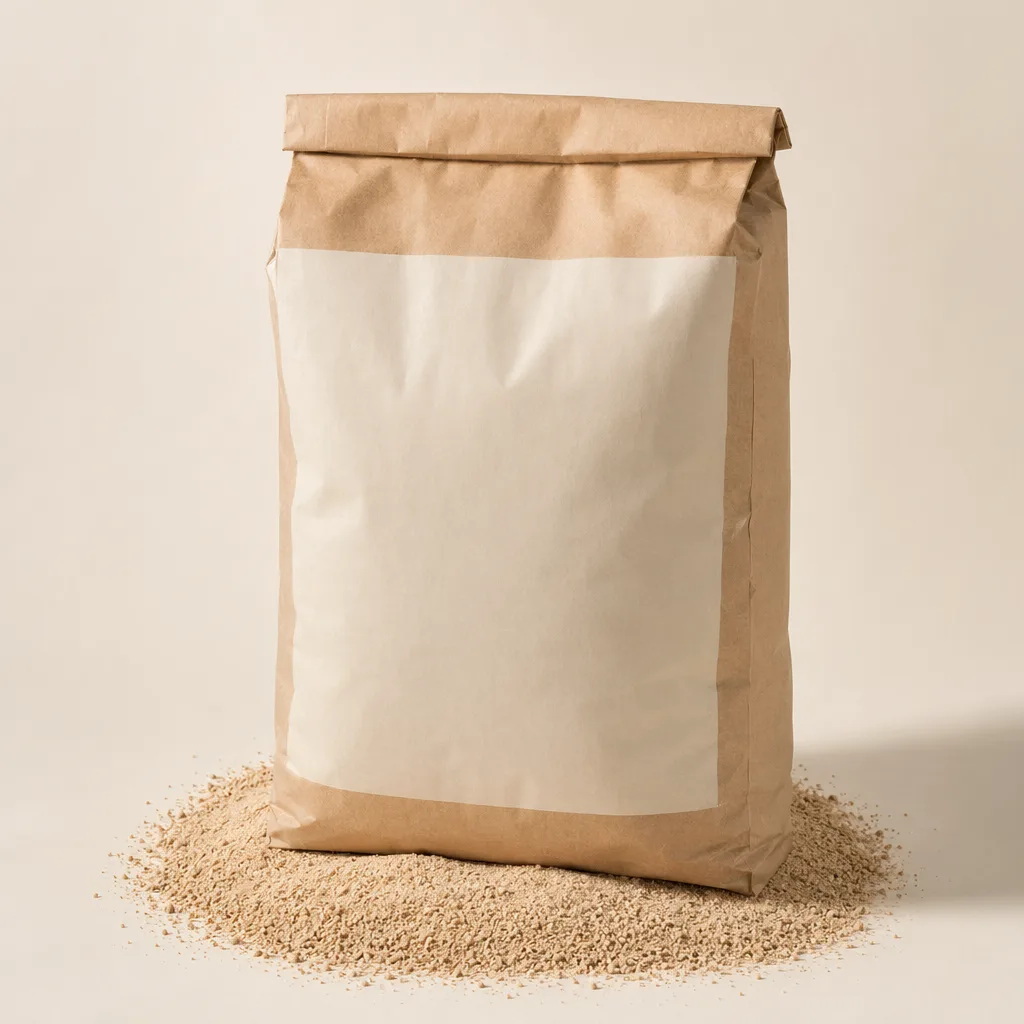
Glutathione yeast is an inactive nutritional yeast ingredient standardized to provide yeast-bound and naturally associated glutathione for savory food formulations. ART-NY-052 is supplied as a free-flowing powder in 10 kg foil-lined sacks for plant-based meat, vegan dry blends, and industrial food processing. It is designed for manufacturers seeking a yeast-derived glutathione source with documented lot specifications, stable dry handling, and wholesale pricing on request.
- ✓ Free worldwide shipping
- ✓ ISO-aligned manufacturing
- ✓ Certificate of Analysis on request
- ✓ Bulk & custom volumes quoted on request
Overview
ART-NY-052 is an inactive glutathione yeast produced for food manufacturers that need a dry, yeast-derived source of glutathione in plant-based meat systems. The ingredient is not a live leavening yeast and is not intended to ferment dough or beverage substrates. Instead, it contributes a nutritional yeast matrix containing protein, peptides, nucleotides, minerals, and a specified glutathione fraction. Typical commercial targets may include total glutathione adjusted by lot, often in the range of 0.5–2.0%, with moisture not more than 6.0%, protein commonly 40–50% on a dry basis, ash commonly below 8.0%, and a fine powder particle size such as 80 mesh or comparable sieve profile.
In plant-based meat, glutathione yeast is used where formulators want a clean-label-compatible yeast ingredient that can be dispersed into pea, soy, wheat, mycoprotein, or blended protein matrices. The sulfur-containing tripeptide fraction can support savory flavor development during heating and can be evaluated alongside yeast extract, hydrolyzed vegetable protein, natural flavors, fats, and color systems. For related yeast ingredients, see our nutritional yeast category. Final performance should be confirmed in the customer’s recipe, extrusion condition, retort cycle, or thermal process.
Applications
- Plant-based meat patties, grounds, and crumbles: dry blend with texturized vegetable protein, methylcellulose, starches, fibers, and seasoning systems before hydration and forming.
- High-moisture extrusion: trial in the dry premix phase to assess dispersion, flavor contribution, and processing tolerance under barrel temperature and shear conditions.
- Vegan sausage, nuggets, and ready meals: use as a yeast-derived glutathione source in savory systems requiring consistent powder handling and batch documentation.
- Flavor and seasoning premixes: combine with salt, yeast extract, spice oleoresins, amino acid blends, and reducing sugars where the formulation is designed for cooked savory notes.
- Nutrition-forward dry blends: evaluate in vegan powders and food supplement formats where inactive yeast protein, peptides, and glutathione content are specified by lot; no health or clinical claims are implied.
Suggested use levels depend on glutathione assay, target flavor impact, label strategy, and heat process. ArtemisYeast can support industrial buyers with specification review and a bulk quote on request for pilot, pallet, or container requirements.
Storage and Handling
Store ART-NY-052 in the original sealed 10 kg foil-lined sack in a cool, dry, odor-free warehouse. Recommended storage is below 25°C, protected from direct sunlight, steam, condensation, and strong-smelling materials. Keep the bag closed after partial use and transfer only with clean, dry equipment. Under recommended storage conditions, typical shelf life is 18–24 months from manufacture, subject to the confirmed certificate of analysis and purchase order terms.
The powder is designed for dry blending and should be introduced where adequate mixing energy is available to avoid localized concentration. Because it is an inactive yeast ingredient, it should not be specified where viable yeast activity, gas production, or fermentation kinetics are required.
Quality and Documentation
Each shipment can be supplied with a lot-specific certificate of analysis covering appearance, odor, moisture, protein or nitrogen-based assay where applicable, glutathione assay, microbiological limits, and heavy metal screening according to the agreed specification. Typical microbiological controls include total plate count, yeast and mold, coliforms, and absence testing for major foodborne pathogens as required by the destination market and application.
Manufacturing documentation may include HACCP-aligned process controls, allergen statement, non-GMO statement where supported by the supply lot, food-grade declaration, Halal or Kosher documentation where available, and ISO 22000 or FSSC 22000 documentation where available from the producing site. ArtemisYeast does not represent this SKU as certified organic unless that status is confirmed in writing for the quoted lot. Review available quality documents at ArtemisYeast quality or request the current specification during procurement qualification.
Storage & Handling
Refer to the CoA for product-specific storage conditions. Ship cold-chain where required.
Quality & Documentation
Manufactured under ISO-aligned quality management systems. Full documentation — Certificate of Analysis (CoA), Material Safety Data Sheet (MSDS), formulation summary, and stability data — is available on request. Email info@artemisyeast.com with the SKU.
About this product
01 What is the typical shelf life?
02 Do you offer documentation (CoA, food-grade declaration)?
03 What is the minimum order quantity?
04 Is bulk pricing available?
05 How is this product shipped internationally?
More from Nutritional Yeast
Natural Yeast Protein for Plant-Based Formulations
Inactive a sustainably sourced natural yeast protein for vegan, plant-based, and supplement manufacturers.
Inactive Yeast Peptide for Plant-Based Nutrition
Inactive a multifunctional peptide for vegan, plant-based, and supplement manufacturers.
Inactive Saccharomyces Cerevisiae Nutritional Yeast
Inactive saccharomyces cerevisiae, yeast probiotics for human gut health for vegan, plant-based, and supplemen…
Inactive Yeast Protein White Powder for Bulk Supply
Inactive yeast protein white paper for vegan, plant-based, and supplement manufacturers.