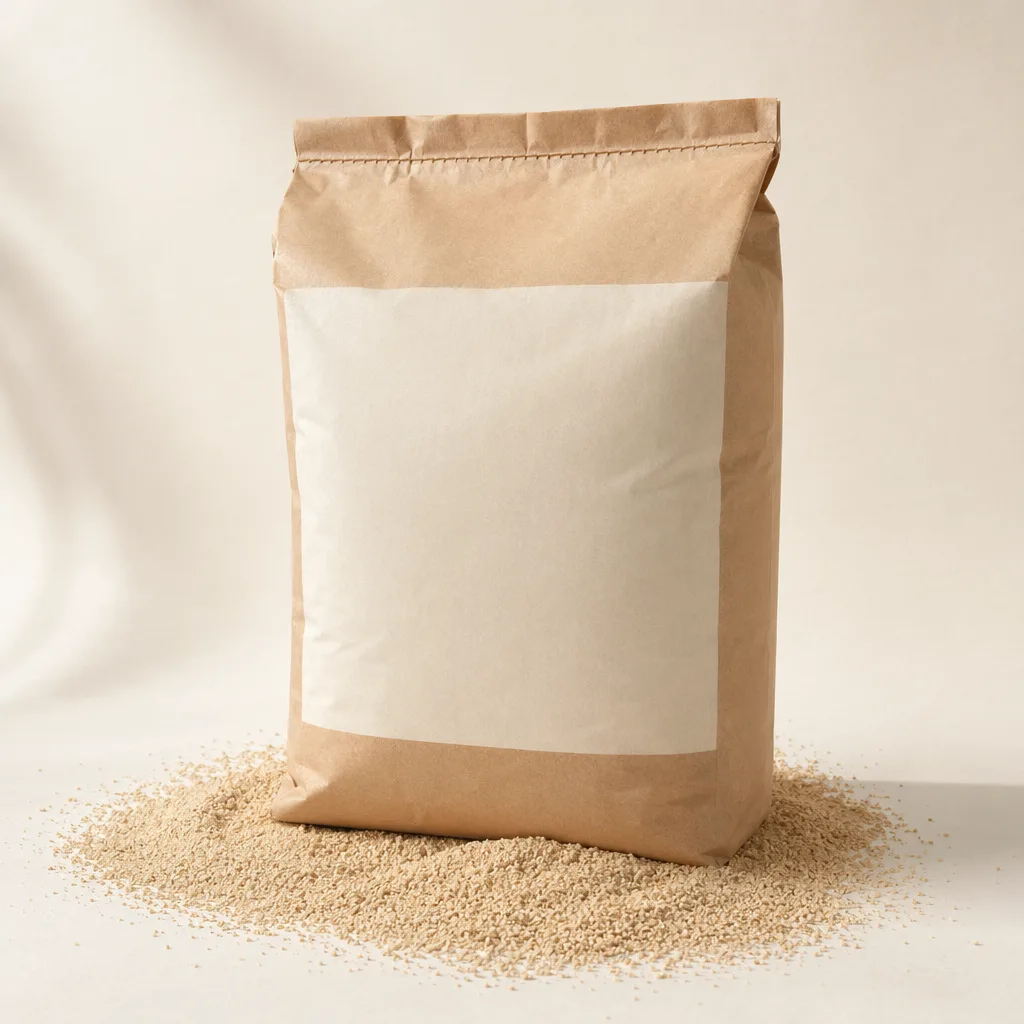
Gut Health Nutritional Yeast for Plant-Based Meat
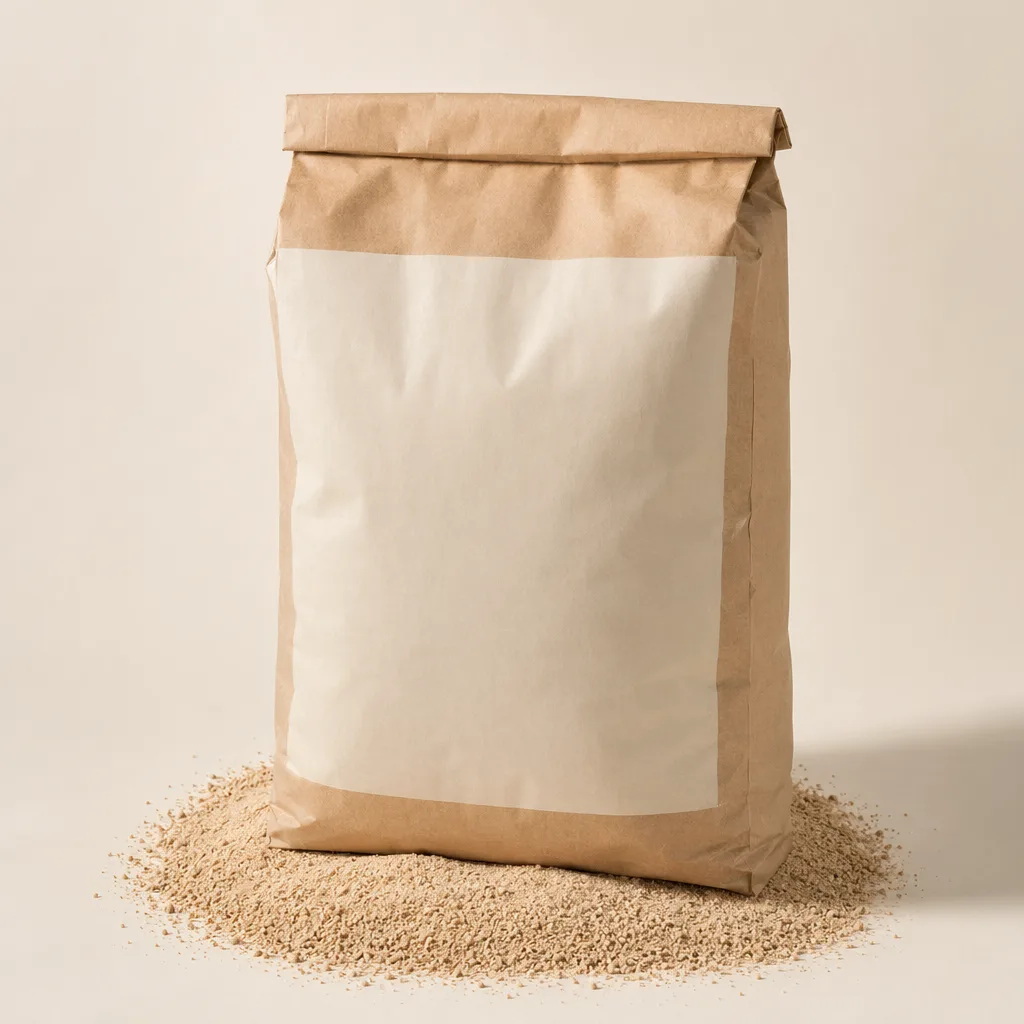
Gut Health Nutritional Yeast for Plant-Based Meat is an inactive yeast-derived ingredient designed for vegan meat analogues, savory blends, and digestive-wellness positioned food systems. Supplied under ART-NY-055 in 10 kg foil-lined sacks, it provides yeast protein, natural nucleotides, beta-glucan, and mannan-rich cell wall fractions without live fermentation activity. ArtemisYeast supplies this ingredient for industrial formulation, pilot trials, and repeat bulk procurement, with wholesale pricing on request through the bulk quote desk.
- ✓ Free worldwide shipping
- ✓ ISO-aligned manufacturing
- ✓ Certificate of Analysis on request
- ✓ Bulk & custom volumes quoted on request
Overview
ART-NY-055 is a heat-inactivated nutritional yeast matrix selected for plant-based meat applications where formulators require savory background, fiber contribution, and clean-label yeast solids. It is not a live probiotic culture; typical viable count is specified as inactive, with no declared CFU target. The ingredient is suitable for dry premixes, hydrated texturized protein systems, extrusion feeds, burger patties, meatball analogues, sausage-style products, and supplement-adjacent food formats that use gut-health positioning without making medical or clinical claims.
Indicative specifications may include moisture not more than 6.0%, crude protein 35-45%, total dietary fiber 20-35%, beta-glucan 15-25%, mannan oligosaccharide fraction 8-15%, ash 5-9%, and a light tan to beige powder appearance. A typical particle profile is 80 mesh or 95% through 60 mesh, with custom milling considered for large programs. The yeast solids can improve umami, roundness, and perceived fullness in pea, soy, wheat gluten, fava bean, and mycoprotein-style matrices. For related inactive yeast ingredients, see nutritional yeast bulk options.
Applications
- Plant-based meat systems: Use in patties, nuggets, crumbles, dumpling fillings, meatballs, sausage analogues, and formed high-moisture protein products where savory yeast character and dietary fiber contribution are required.
- Extrusion and dry blending: Compatible with dry premixes containing protein isolates, starches, hydrocolloids, methylcellulose alternatives, color systems, fats, salt, and flavor carriers. Addition rates are normally validated by the customer’s R&D team based on taste, water binding, process heat, and label targets.
- Vegan and vegetarian formulations: Produced from yeast raw material and designed for animal-free product development. Documentation for vegan suitability, allergen status, and GMO status can be reviewed before purchase.
- Nutrition-positioned foods: Suitable for foods marketed around yeast protein, beta-glucan content, and cell wall polysaccharides, subject to the buyer’s local labeling rules and finished-product substantiation.
- Industrial scale-up: Supplied in 10 kg foil-lined sacks for pilot batches, production trials, and repeat containerized procurement. Bulk quote on request is available for contract manufacturing, private-label food plants, and multinational sourcing teams.
Storage and Handling
Store unopened sacks in a cool, dry, odor-free warehouse, ideally below 25 °C and below 65% relative humidity. Protect from direct sunlight, condensation, insects, and strong volatile materials such as spices, solvents, or smoke-flavored ingredients. Once opened, reseal immediately or transfer to a clean food-grade container to reduce moisture pickup and aroma loss. Recommended shelf life is typically 18-24 months from manufacture when stored in original sealed packaging under specified conditions.
The powder disperses into hydrated plant-protein bases but should be added with sufficient shear to prevent localized clumping. For high-moisture extrusion, validate thermal load, residence time, and screw configuration because yeast solids may influence browning, water activity, and savory intensity. The product is inactive and does not require cold-chain logistics. Pallet configuration, mixed-SKU consolidation, and export documentation can be coordinated during order confirmation.
Quality and Documentation
ArtemisYeast supplies ART-NY-055 for B2B ingredient procurement with lot-level traceability and specification review before shipment. Standard documentation may include certificate of analysis, product specification, safety data sheet where applicable, allergen statement, GMO-status statement, origin declaration, and food-grade declaration. Microbiological limits are defined by sales specification and may include total plate count, yeast and mold, coliforms, pathogens by absence testing, and heavy metals according to agreed market requirements.
Manufacturing controls are designed for food ingredient use with HACCP-aligned quality management. ISO 22000, FSSC 22000, Halal, Kosher, and related food-safety documentation may be available depending on production site and contract requirements; buyers should confirm current documentation before purchase. Visit quality and compliance for procurement review steps, or request a current specification pack with your target application, destination country, annual volume, and packaging needs.
Storage & Handling
Refer to the CoA for product-specific storage conditions. Ship cold-chain where required.
Quality & Documentation
Manufactured under ISO-aligned quality management systems. Full documentation — Certificate of Analysis (CoA), Material Safety Data Sheet (MSDS), formulation summary, and stability data — is available on request. Email info@artemisyeast.com with the SKU.
About this product
01 What is the typical shelf life?
02 Do you offer documentation (CoA, food-grade declaration)?
03 What is the minimum order quantity?
04 Is bulk pricing available?
05 How is this product shipped internationally?
More from Nutritional Yeast
Natural Yeast Protein for Plant-Based Formulations
Inactive a sustainably sourced natural yeast protein for vegan, plant-based, and supplement manufacturers.
Inactive Yeast Peptide for Plant-Based Nutrition
Inactive a multifunctional peptide for vegan, plant-based, and supplement manufacturers.
Inactive Saccharomyces Cerevisiae Nutritional Yeast
Inactive saccharomyces cerevisiae, yeast probiotics for human gut health for vegan, plant-based, and supplemen…
Inactive Yeast Protein White Powder for Bulk Supply
Inactive yeast protein white paper for vegan, plant-based, and supplement manufacturers.