Inactive Nutritional Yeast for Plant-Based Meat
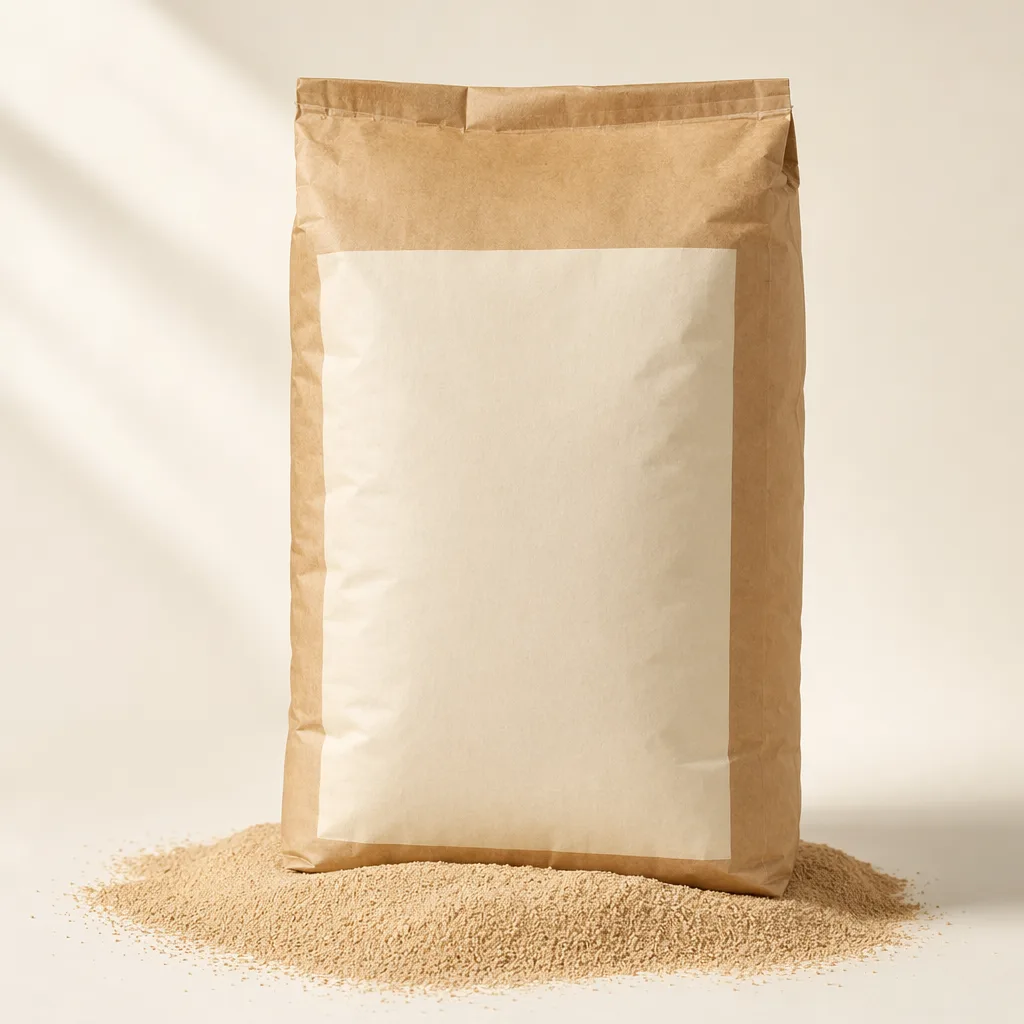
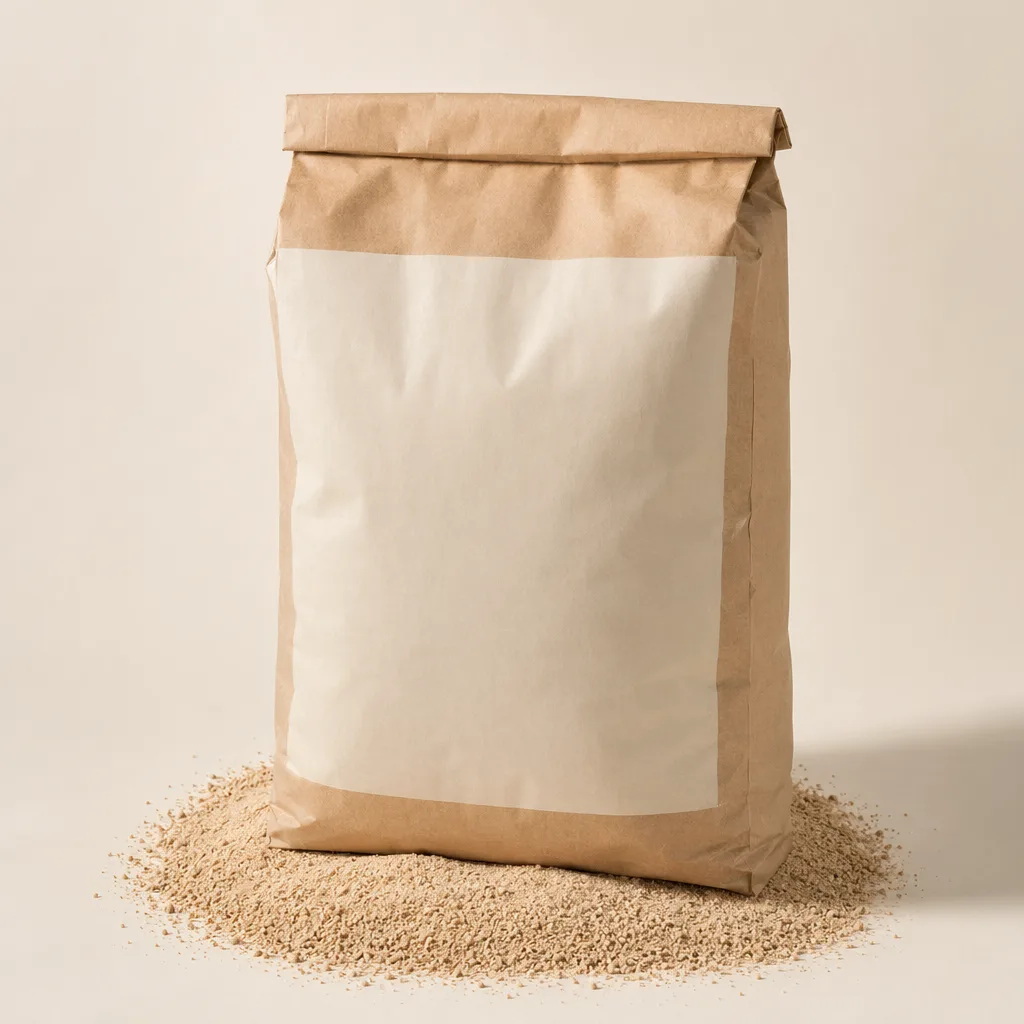
Inactive nutritional yeast for plant-based meat is a non-living yeast ingredient used to add savory flavor, protein, B-vitamin nutrition, and label-friendly yeast cell wall components to vegan meat systems. ART-NY-058 is supplied for manufacturers developing patties, mince, nuggets, fillings, and dry premixes where consistent dispersibility and umami impact are required. ArtemisYeast offers this product in 10 kg foil-lined sacks, with wholesale pricing on request for qualified bulk buyers.
- ✓ Free worldwide shipping
- ✓ ISO-aligned manufacturing
- ✓ Certificate of Analysis on request
- ✓ Bulk & custom volumes quoted on request
Overview
ART-NY-058 is an inactive nutritional yeast ingredient produced from food-grade yeast biomass and heat-inactivated so it does not ferment in the finished matrix. It is intended for plant-based meat applications that need savory base notes, mild roasted character, and nutritional contribution without animal-derived ingredients. Typical specification targets may include moisture not more than 7.0%, protein 40-50% on dry basis, ash not more than 8.0%, and a fine powder particle profile around 60-100 mesh, depending on the lot and requested cut. Flake or granular formats may also be evaluated for dry seasoning blends and visual identity in textured systems.
In plant-based meat, inactive yeast can help round pea, soy, wheat, fava, and mycoprotein bases by masking beany notes and increasing broth-like depth. Yeast cell wall fractions naturally contribute beta-glucans and mannans; typical beta-glucan values for relevant inactive yeast materials are commonly specified in the 15-25% range when required by the buyer. This product is positioned for food and supplement-style nutrition concepts, not for therapeutic claims. For related inactive yeast ingredients, see the nutritional yeast category, or request a current lot specification before formulation lock.
Applications
- Plant-based burgers and mince: Adds umami, browning-compatible flavor depth, and nutritional yeast character in hydrated protein systems. Typical use level is often 0.5-3.0%, adjusted to salt, fat system, and flavor target.
- Vegan nuggets, sausages, and deli-style slices: Supports savory base building in emulsified or extruded matrices where yeast powder can be dispersed with dry proteins, starches, fibers, and hydrocolloids before hydration.
- Dry premixes and seasoning systems: Suitable for compounders producing plant-meat bases, soup-style meat analog fillings, dumpling fillings, and savory nutrition blends. Powder grades are designed for uniform blending and reduced segregation in multi-ingredient systems.
- Clean-label development: Useful where formulators want yeast-derived taste and nutrition rather than animal extracts. It can be combined with natural flavors, smoke notes, vegetable powders, oils, and protein isolates for targeted sensory profiles.
- Procurement programs: Supplied as ART-NY-058 in 10 kg foil-lined sacks for pilot, scale-up, and commercial buying. Submit your usage forecast through bulk quote on request for lead time and packing confirmation.
Storage and Handling
Store unopened sacks in a cool, dry, odor-free warehouse, ideally below 25 °C and below 60% relative humidity. Protect from direct sunlight, steam lines, wet floors, and strong aromatics, because inactive yeast can absorb moisture and ambient odors. After opening, reseal the foil liner or transfer the product to a clean, food-grade sealed container. Use dry scoops and avoid returning unused material from the production area to the original sack.
Typical shelf life is 18-24 months from manufacture when stored in original unopened packaging under recommended conditions. Because this is an inactive product, CFU/g viability is not a functional release parameter; microbiological limits are instead controlled for food-safety suitability, such as total plate count, yeast and mold, coliforms, and absence of specified pathogens according to the agreed specification.
Quality and Documentation
ArtemisYeast supplies ART-NY-058 for B2B food manufacturing programs with lot traceability, product specification review, and export documentation support. A certificate of analysis can be provided for each shipped lot, covering agreed parameters such as appearance, odor, moisture, protein, ash, particle size, microbiology, and heavy metals where applicable. Allergen, vegan-suitability, non-animal-origin, and food-grade declarations can be supplied on request, subject to final product configuration and destination-market requirements.
Manufacturing and supplier controls are aligned with HACCP-based food safety expectations. Documentation available on request may include ISO 22000, FSSC 22000, Halal, Kosher, GMO-status statement, material safety data sheet, and country-of-origin documents where applicable to the selected plant and lot. Buyers should verify suitability for their own label claims, nutritional panels, and import rules. For supplier qualification, visit quality documentation or request the latest specification sheet before issuing a purchase order.
Storage & Handling
Refer to the CoA for product-specific storage conditions. Ship cold-chain where required.
Quality & Documentation
Manufactured under ISO-aligned quality management systems. Full documentation — Certificate of Analysis (CoA), Material Safety Data Sheet (MSDS), formulation summary, and stability data — is available on request. Email info@artemisyeast.com with the SKU.
About this product
01 What is the typical shelf life?
02 Do you offer documentation (CoA, food-grade declaration)?
03 What is the minimum order quantity?
04 Is bulk pricing available?
05 How is this product shipped internationally?
More from Nutritional Yeast
Natural Yeast Protein for Plant-Based Formulations
Inactive a sustainably sourced natural yeast protein for vegan, plant-based, and supplement manufacturers.
Inactive Yeast Peptide for Plant-Based Nutrition
Inactive a multifunctional peptide for vegan, plant-based, and supplement manufacturers.
Inactive Saccharomyces Cerevisiae Nutritional Yeast
Inactive saccharomyces cerevisiae, yeast probiotics for human gut health for vegan, plant-based, and supplemen…
Inactive Yeast Protein White Powder for Bulk Supply
Inactive yeast protein white paper for vegan, plant-based, and supplement manufacturers.