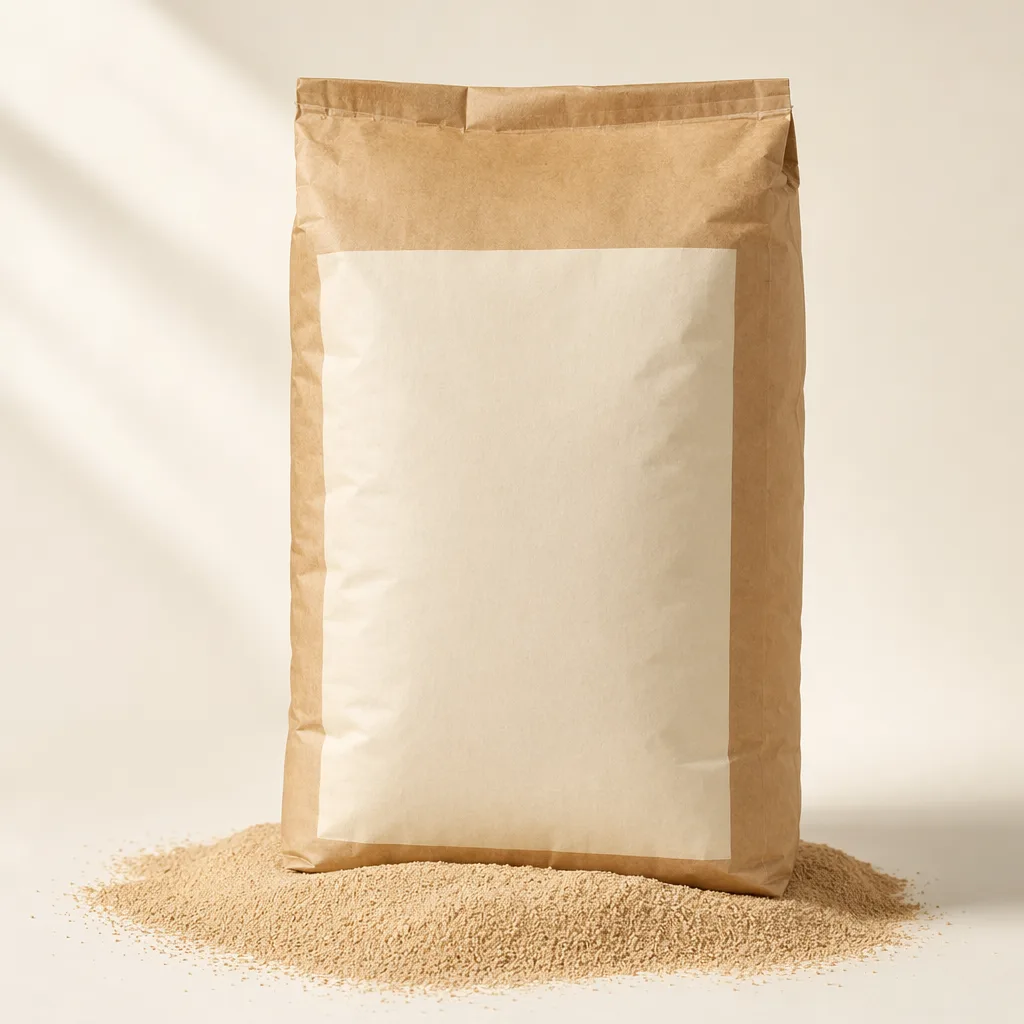
Immunity Nutritional Yeast for Vegan Foods
Immunity nutritional yeast for vegan foods is an inactive yeast ingredient used to add savory flavor, protein, B-vitamin nutritional positioning, and yeast cell wall fractions to plant-based formulations. ART-NY-057 is supplied for food manufacturers, supplement blenders, and R&D teams developing vegan powders, seasonings, meat analogues, dairy alternatives, and functional food concepts. ArtemisYeast offers this item in 10 kg foil-lined sacks with wholesale pricing on request and specification support for international procurement.
- ✓ Free worldwide shipping
- ✓ ISO-aligned manufacturing
- ✓ Certificate of Analysis on request
- ✓ Bulk & custom volumes quoted on request
Overview
ART-NY-057 is a food-grade inactive nutritional yeast ingredient based on Saccharomyces cerevisiae. The product is heat-inactivated, dried, and milled to provide a clean yeast character with umami, lightly roasted, and nutty notes that fit vegan and plant-based food systems. Because it is inactive, it is not intended for dough leavening or fermentation; it is selected as a nutritional, flavor, and texture-supporting ingredient. For related inactive yeast formats, procurement teams may review the broader nutritional yeast category.
Typical specification targets can include protein 45–52% on dry basis, moisture not more than 6.0%, ash 5–9%, total dietary fiber 18–28%, and yeast beta-glucan commonly in the 12–20% range depending on production lot and analytical method. Particle size can be supplied as fine powder, commonly 80 mesh pass, or as small flakes when required for visible seasoning blends. The ingredient is naturally suitable for vegan formulations and can be used where formulators need a non-animal source of savory depth, amino acids, and yeast-derived cell wall material without live yeast activity.
Applications
- Vegan seasonings and bouillons: provides cheese-like, brothy, and roasted notes in dry mixes, soup bases, noodle seasonings, popcorn toppings, and savory snack coatings.
- Plant-based meat and seafood analogues: contributes umami intensity and background fermentation notes in extruded proteins, burgers, nuggets, fillings, and formed products. Typical use levels are often 0.5–3.0%, adjusted by flavor target and sodium strategy.
- Dairy alternatives: supports non-dairy cheese sauces, spreads, cream bases, and powdered sauce blends where formulators need savory complexity and vegan label compatibility.
- Functional food and nutrition powders: used in vegan protein blends, meal powders, and wellness-positioned dry mixes where yeast protein, B-vitamin profile, and beta-glucan content are relevant to label architecture. Claims and label statements should be validated by the brand owner for the target market.
- Supplement manufacturing: suitable for tableting, capsule blends, sachets, and drink powders when particle size, flowability, and microbiological requirements are aligned during qualification.
- R&D and scale-up: technical teams can request lot samples, target mesh size, and application guidance through bulk quote on request workflows before locking a commercial specification.
Storage and Handling
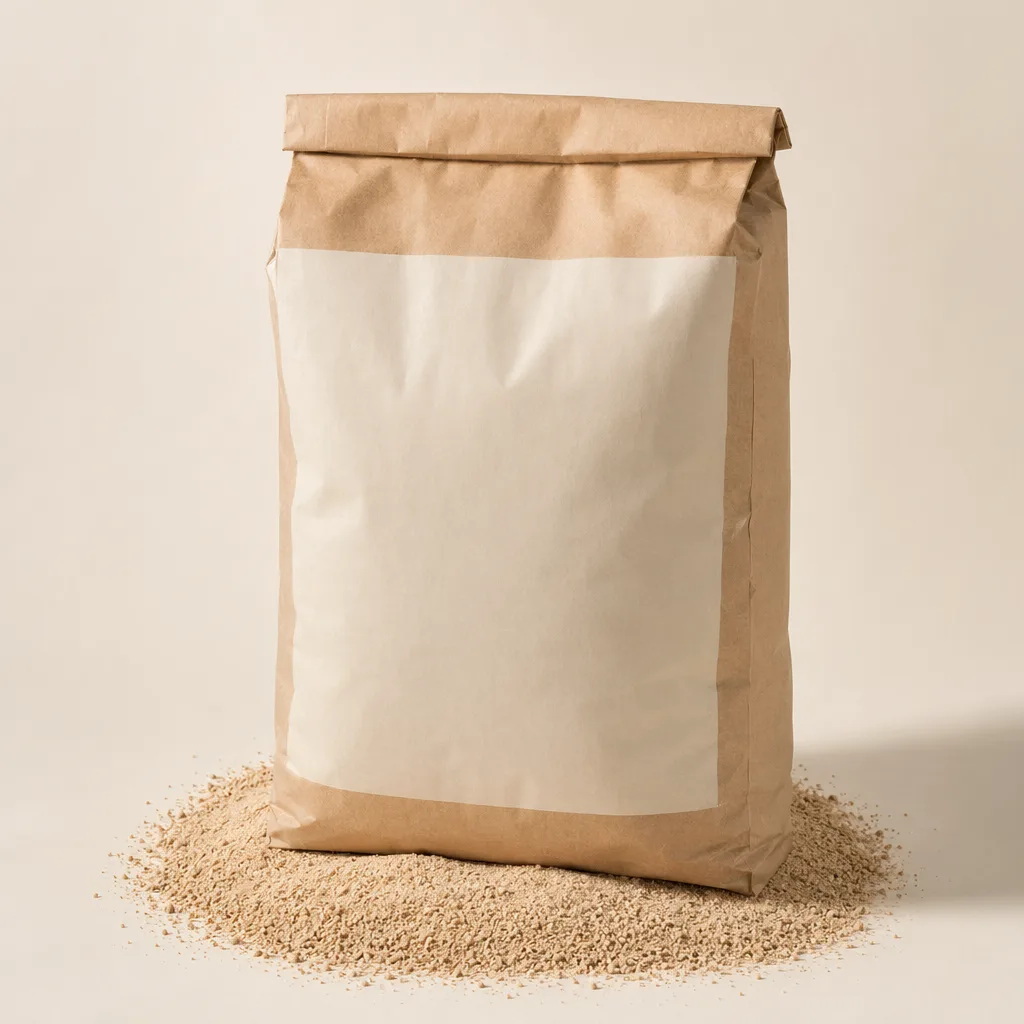
ART-NY-057 is packed in 10 kg foil-lined sacks designed to limit moisture pickup, odor transfer, and light exposure during storage and export handling. Store sealed product in a cool, dry warehouse, ideally below 25 °C and below 65% relative humidity. Keep away from strong-smelling materials, oxidizing agents, direct sunlight, and wet floors. After opening, reseal inner liners promptly or transfer material to a clean, closed food-grade container.
Typical shelf life is 18–24 months from date of manufacture when stored in original unopened packaging under recommended conditions. As with other dry yeast ingredients, plant teams should manage first-expiry-first-out rotation, allergen segregation procedures where applicable, and dust control during tipping, blending, or pneumatic transfer. The product disperses well in dry blends and can also be hydrated into sauces or slurries; high-shear mixing may improve uniformity in viscous vegan matrices.
Quality and Documentation
ArtemisYeast supplies ART-NY-057 for B2B qualification with specification sheets, lot-specific certificate of analysis, allergen statement, vegan suitability statement, non-GMO status statement where available, and food-grade declaration on request. Typical microbiological targets may include total plate count not more than 10,000 CFU/g, yeast and mold not more than 100 CFU/g, coliforms not more than 10 CFU/g, and absence of Salmonella in 25 g, subject to the agreed sales specification.
Manufacturing and supplier documentation may include HACCP-aligned controls and food-safety system documents such as ISO 22000, FSSC 22000, Halal, or Kosher documentation where available for the selected origin and lot. ArtemisYeast supports procurement review through the quality documentation process, including pre-shipment document checks, export packaging review, and alignment of labeling, shelf-life, and testing requirements before commercial release.
Storage & Handling
Refer to the CoA for product-specific storage conditions. Ship cold-chain where required.
Quality & Documentation
Manufactured under ISO-aligned quality management systems. Full documentation — Certificate of Analysis (CoA), Material Safety Data Sheet (MSDS), formulation summary, and stability data — is available on request. Email info@artemisyeast.com with the SKU.
About this product
01 What is the typical shelf life?
02 Do you offer documentation (CoA, food-grade declaration)?
03 What is the minimum order quantity?
04 Is bulk pricing available?
05 How is this product shipped internationally?
More from Nutritional Yeast
Natural Yeast Protein for Plant-Based Formulations
Inactive a sustainably sourced natural yeast protein for vegan, plant-based, and supplement manufacturers.
Inactive Yeast Peptide for Plant-Based Nutrition
Inactive a multifunctional peptide for vegan, plant-based, and supplement manufacturers.
Inactive Saccharomyces Cerevisiae Nutritional Yeast
Inactive saccharomyces cerevisiae, yeast probiotics for human gut health for vegan, plant-based, and supplemen…
Inactive Yeast Protein White Powder for Bulk Supply
Inactive yeast protein white paper for vegan, plant-based, and supplement manufacturers.