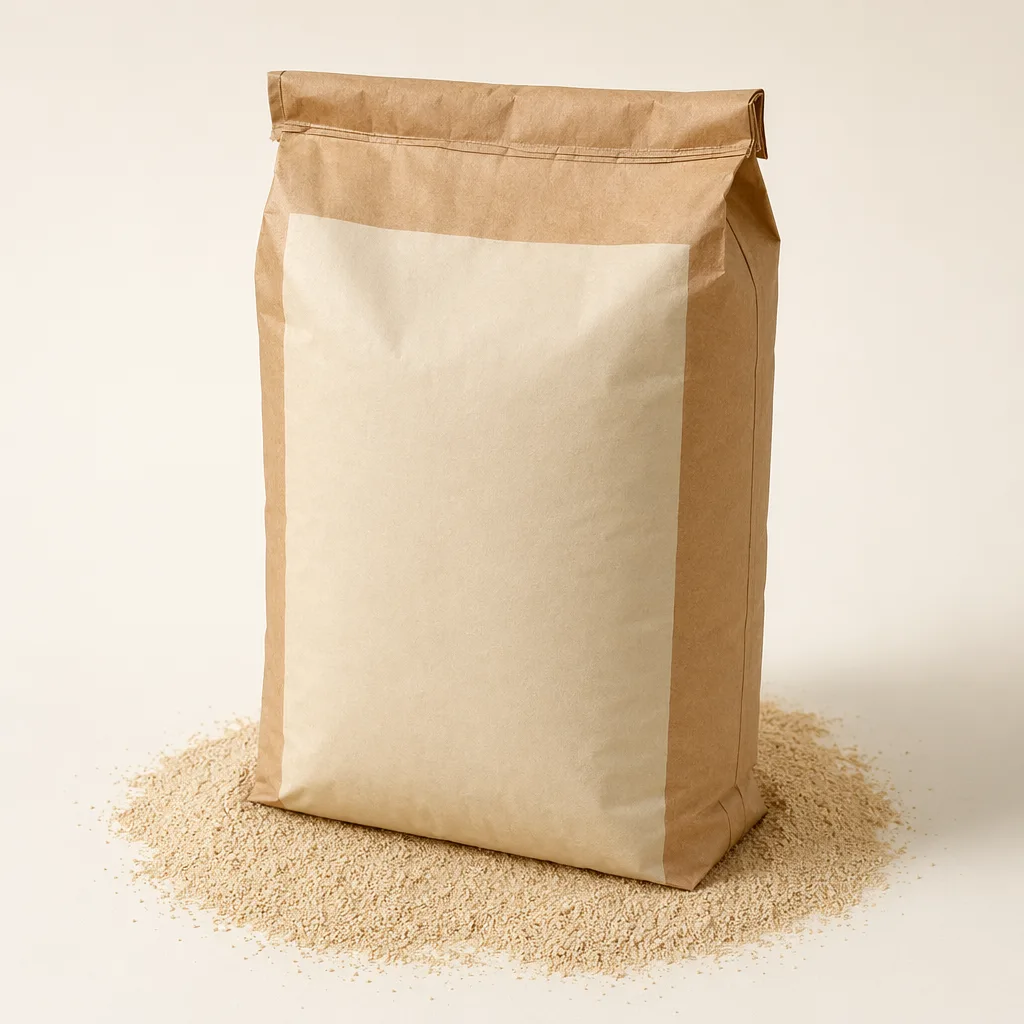
Inactive Yeast Ferment with Ginseng
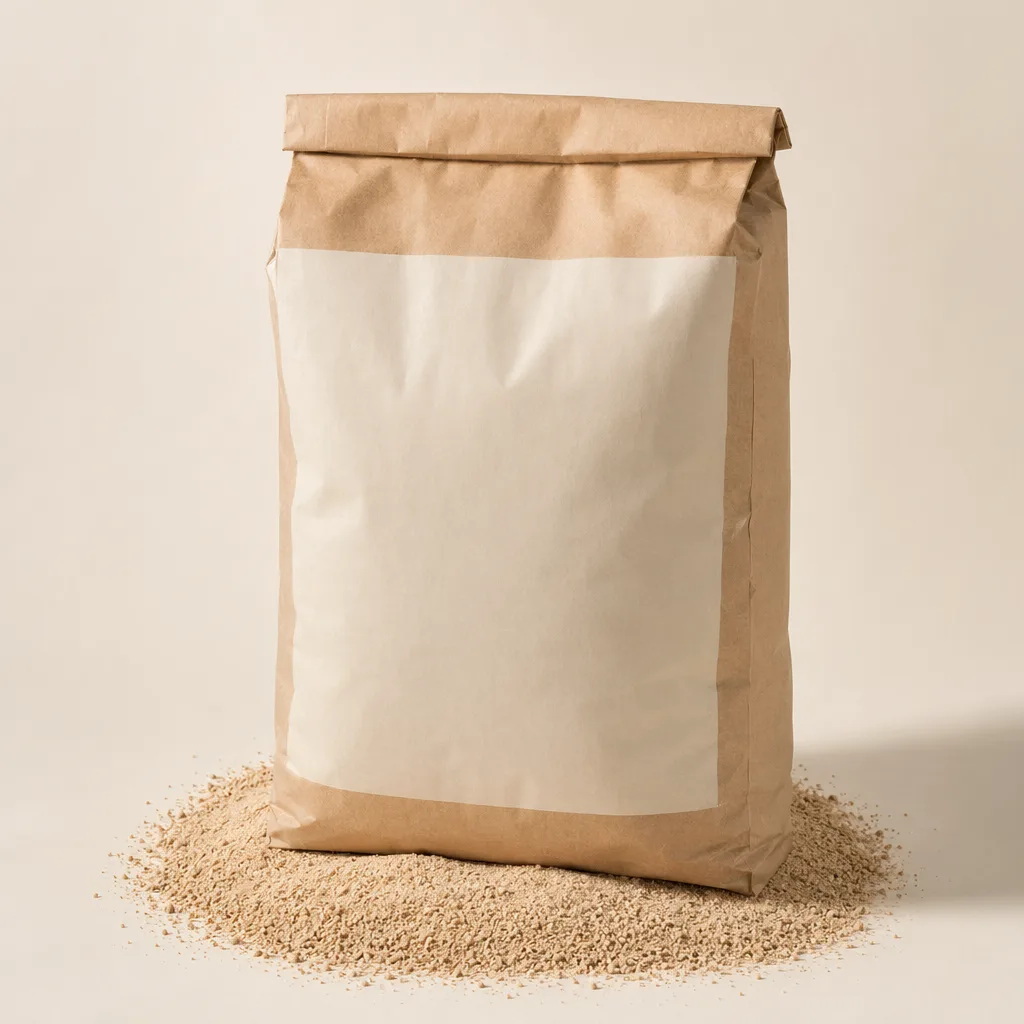
Inactive yeast ferment with ginseng is a heat-inactivated nutritional yeast ingredient produced by fermenting selected yeast with ginseng-derived solids, then drying it into a free-flowing powder. ART-NY-012 is supplied in 10 kg foil-lined sacks for vegan food, plant-based meat, seasoning, and supplement manufacturing. It is intended for formulation texture, savory depth, yeast-derived nutrients, and botanical positioning, with wholesale pricing on request for qualified bulk buyers.
- ✓ Free worldwide shipping
- ✓ ISO-aligned manufacturing
- ✓ Certificate of Analysis on request
- ✓ Bulk & custom volumes quoted on request
Overview
ART-NY-012 is an inactive yeast-based ferment powder designed for B2B formulators that require a non-live, plant-compatible ingredient with yeast character and ginseng association. The yeast is deactivated after fermentation, so it is not specified for leavening or live-culture performance. Typical specification targets include moisture not more than 6.0%, protein 35-45% on dry basis, beta-glucan 5-12%, ash 5-9%, and total plate count controlled to food-ingredient limits. Particle size is normally 60-80 mesh, with custom sieving reviewed for large projects.
The product provides mild roasted, cereal, and yeast notes that can support vegan sauces, dry blends, snack coatings, meat alternatives, and compressed or encapsulated supplement formats. Ginseng input and marker testing can be aligned during technical qualification where a defined botanical specification is needed. For related yeast ingredients, buyers can review our nutritional yeast category or submit a bulk quote on request for ART-NY-012.
Applications
- Vegan foods and seasonings: adds yeast-derived savory character to soup bases, bouillon powders, noodle seasoning, cheese-style dry blends, savory bakery fillings, and snack coatings without dairy inputs.
- Plant-based meat: supports umami depth and browned flavor notes in patties, mince, meatballs, dumpling fillings, and extruded analogues. Typical use levels are formulation dependent, often evaluated from 0.5% to 3.0% in finished mixes.
- Dietary supplement manufacturing: suitable for non-live yeast ferment positioning in tablets, hard capsules, stick packs, and powder blends. Flowability, bulk density, and mesh distribution should be confirmed against the customer’s filling equipment before scale-up.
- R&D flavor systems: can be paired with yeast extract, hydrolyzed vegetable protein, mushroom powder, salt replacers, or natural flavors to build complex savory systems. Heat tolerance is generally suitable for dry blending and many thermal food processes, subject to pilot validation.
- Clean-label development: supports plant-based, vegan, and non-animal-origin formulation briefs. All label terminology should be confirmed by the buyer against destination-market regulations and the final composition of the finished product.
Storage and Handling
ART-NY-012 is packed in a 10 kg foil-lined sack to limit moisture pickup and aroma loss during storage. Store unopened bags in a cool, dry, well-ventilated warehouse, ideally below 25 °C and below 65% relative humidity. Keep away from direct sunlight, steam lines, strong odors, and open containers of volatile flavor materials. Under recommended conditions, typical shelf life is 18-24 months from manufacture, subject to the final certificate of analysis and purchase specification.
After opening, reseal the inner liner promptly and use the remaining powder as soon as practical. Because yeast powders are hygroscopic, plant operators should minimize exposure during batching and use dust-control practices appropriate for dry food ingredients. The product should be screened or magnet-checked according to the customer’s inbound quality program before entering high-throughput blending lines.
Quality and Documentation
ArtemisYeast supplies ART-NY-012 for industrial and wholesale customers with lot-level traceability and specification review before shipment. Standard documentation may include certificate of analysis, product specification, safety data sheet where applicable, allergen statement, GMO statement, vegan suitability statement, and food-grade declaration. Manufacturing documentation aligned with HACCP principles, ISO 22000, FSSC 22000, Halal, or Kosher programs may be available depending on production site and order requirements; confirm requirements during inquiry through our quality documentation process.
Typical release parameters include appearance, odor, moisture, protein, ash, particle size, microbiological limits, and heavy metals aligned to the destination market and agreed specification. Botanical-related markers, residual ginsenoside ranges, or identity testing can be discussed for supplement and premium food projects. Bulk supply is inquiry-only, and wholesale pricing on request is based on annual volume, packaging, documentation scope, and shipping destination.
Storage & Handling
Refer to the CoA for product-specific storage conditions. Ship cold-chain where required.
Quality & Documentation
Manufactured under ISO-aligned quality management systems. Full documentation — Certificate of Analysis (CoA), Material Safety Data Sheet (MSDS), formulation summary, and stability data — is available on request. Email info@artemisyeast.com with the SKU.
About this product
01 What is the typical shelf life?
02 Do you offer documentation (CoA, food-grade declaration)?
03 What is the minimum order quantity?
04 Is bulk pricing available?
05 How is this product shipped internationally?
More from Nutritional Yeast
Natural Yeast Protein for Plant-Based Formulations
Inactive a sustainably sourced natural yeast protein for vegan, plant-based, and supplement manufacturers.
Inactive Yeast Peptide for Plant-Based Nutrition
Inactive a multifunctional peptide for vegan, plant-based, and supplement manufacturers.
Inactive Saccharomyces Cerevisiae Nutritional Yeast
Inactive saccharomyces cerevisiae, yeast probiotics for human gut health for vegan, plant-based, and supplemen…
Inactive Yeast Protein White Powder for Bulk Supply
Inactive yeast protein white paper for vegan, plant-based, and supplement manufacturers.