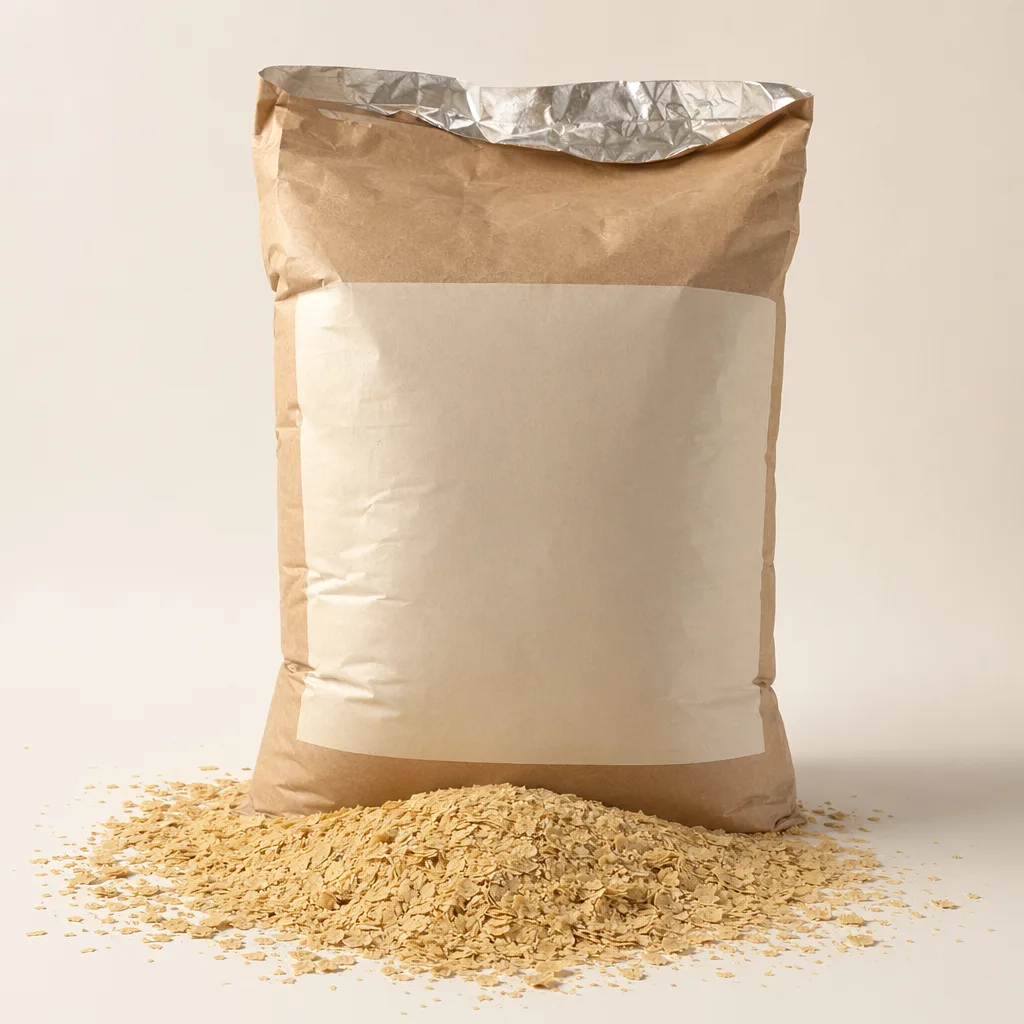
Nutritional Yeast Flakes for Plant-Based Meat
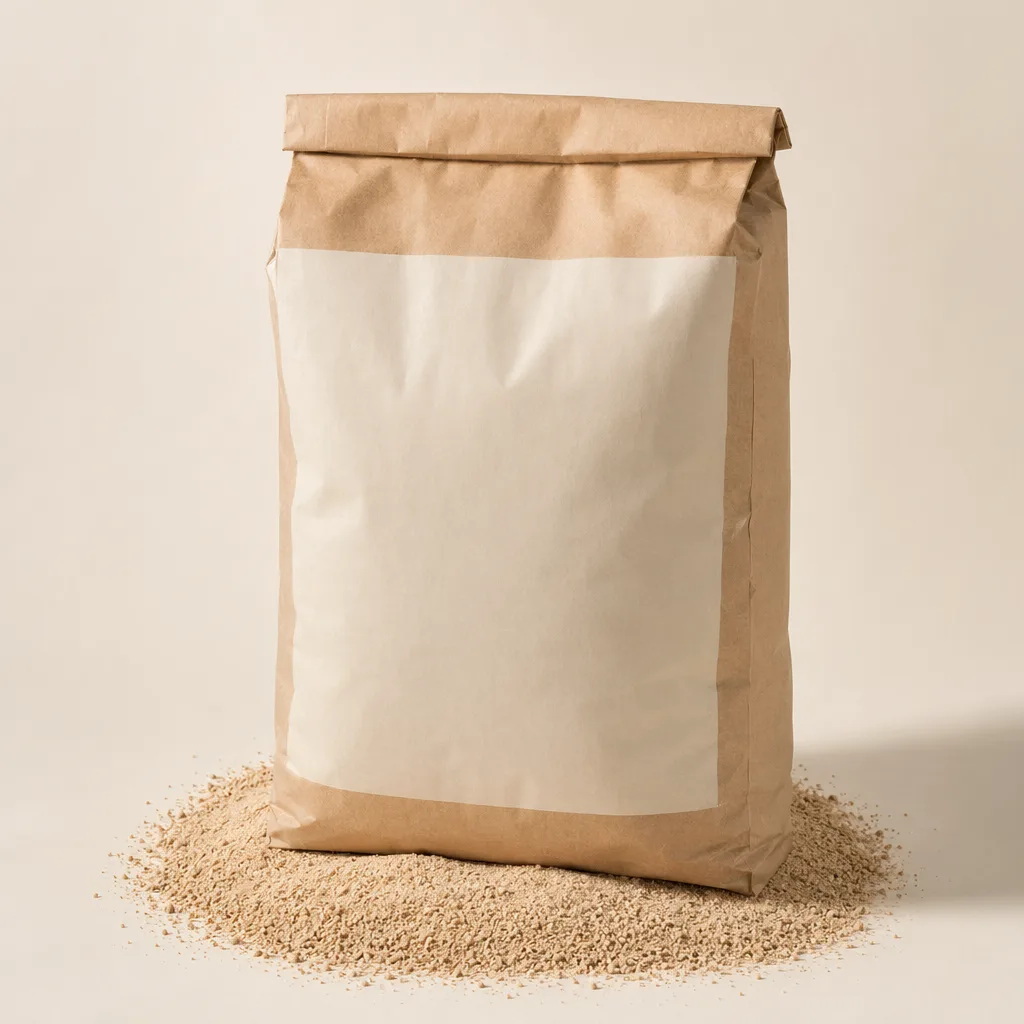
Nutritional yeast flakes are inactive dried Saccharomyces cerevisiae flakes used as a savory, protein-rich ingredient in plant-based meat, seasonings, snacks, and prepared foods. ART-NY-067 is supplied for B2B formulation work in 10 kg foil-lined sacks, with bulk quote on request. The product is selected for umami character, dispersible flake format, and compatibility with vegan and flexitarian product platforms where a non-animal savory note is required.
- ✓ Free worldwide shipping
- ✓ ISO-aligned manufacturing
- ✓ Certificate of Analysis on request
- ✓ Bulk & custom volumes quoted on request
Overview
ART-NY-067 nutritional yeast flakes are heat-inactivated yeast solids processed into light flakes for dry blending, topical seasoning, premix addition, and hydration into sauces or binders. The ingredient contributes a naturally savory, nutty, cheese-like flavor profile without dairy materials, making it useful in plant-based meat systems, meat analog fillings, vegan sauces, extruded snacks, dry soup bases, and nutritional blends. It is not a leavening yeast and is not intended to generate gas or fermentation activity in dough or beverage production.
Typical specification targets may include protein 45-50% on dry basis, moisture not more than 6.0%, ash not more than 8.0%, beta-glucan approximately 5-8%, and a visible flake particle profile commonly around 2-6 mm, subject to lot specification. Color is typically yellow to light golden, with clean yeast aroma and no foreign odor. Vitamin profile depends on fortification status and production specification; procurement teams should confirm required B-vitamin levels during inquiry. For adjacent inactive yeast formats, see the nutritional yeast category.
Applications
- Plant-based meat: builds savory depth in burgers, nuggets, sausages, mince, and fillings based on soy protein, pea protein, wheat gluten, mycoprotein, or blended plant matrices.
- Flavor systems: supports umami, roasted, and dairy-style notes in vegan cheese seasonings, chip coatings, instant noodles, soups, bouillons, gravies, and ready-meal sauces.
- Dry premixes: suitable for sachets, seasoning blends, protein powders, culinary bases, and supplement-style food blends where inactive yeast solids and a flake appearance are desired.
- Texture and process design: flakes can be milled for finer distribution, prehydrated for slurry dosing, or added directly to dry phases depending on shear, moisture, and thermal process conditions.
- Label strategy: offers a recognizable yeast-derived ingredient for vegan, vegetarian, and dairy-free product development; allergen and non-GMO documentation requirements should be confirmed per destination market.
Storage and Handling
ART-NY-067 is packed in 10 kg foil-lined sacks designed to limit moisture pickup and aroma loss during warehouse storage. Store unopened product in a cool, dry, well-ventilated area, ideally below 25 °C and away from direct sunlight, steam lines, strong odors, and high-humidity zones. Keep sacks sealed after opening and use clean, dry scoops or closed conveying systems to reduce caking and cross-contact risk.
Typical shelf life is up to 24 months from manufacture when stored in original unopened packaging under recommended conditions, subject to the confirmed certificate of analysis and local inventory controls. Because flakes are brittle, excessive compression and rough pallet handling may increase fines. For plant trials, request representative samples and specify target addition rate, process temperature, hydration step, and final product water activity through bulk quote on request.
Quality and Documentation
ArtemisYeast supplies ART-NY-067 for industrial buyers requiring traceable lots, specification review, and export-ready documentation. Standard quality files can include certificate of analysis, specification sheet, ingredient statement, food-grade declaration, allergen statement, GMO status statement where applicable, and safety data information for handling. HACCP-aligned manufacturing controls, ISO 22000, FSSC 22000, Halal, and Kosher documentation may be available on request depending on the producing site and lot.
Routine release parameters generally cover appearance, odor, moisture, protein, ash, microbiological limits, and absence requirements for specified organisms. Buyers should confirm destination-market labeling, fortification claims, heavy metal limits, pesticide expectations, and packaging language before purchase order placement. ArtemisYeast supports technical review with procurement, R&D, and QA teams; documentation pathways are summarized at quality and documentation. Wholesale pricing on request is provided after volume, destination, delivery term, and documentation scope are confirmed.
Storage & Handling
Refer to the CoA for product-specific storage conditions. Ship cold-chain where required.
Quality & Documentation
Manufactured under ISO-aligned quality management systems. Full documentation — Certificate of Analysis (CoA), Material Safety Data Sheet (MSDS), formulation summary, and stability data — is available on request. Email info@artemisyeast.com with the SKU.
About this product
01 What is the typical shelf life?
02 Do you offer documentation (CoA, food-grade declaration)?
03 What is the minimum order quantity?
04 Is bulk pricing available?
05 How is this product shipped internationally?
More from Nutritional Yeast
Natural Yeast Protein for Plant-Based Formulations
Inactive a sustainably sourced natural yeast protein for vegan, plant-based, and supplement manufacturers.
Inactive Yeast Peptide for Plant-Based Nutrition
Inactive a multifunctional peptide for vegan, plant-based, and supplement manufacturers.
Inactive Saccharomyces Cerevisiae Nutritional Yeast
Inactive saccharomyces cerevisiae, yeast probiotics for human gut health for vegan, plant-based, and supplemen…
Inactive Yeast Protein White Powder for Bulk Supply
Inactive yeast protein white paper for vegan, plant-based, and supplement manufacturers.