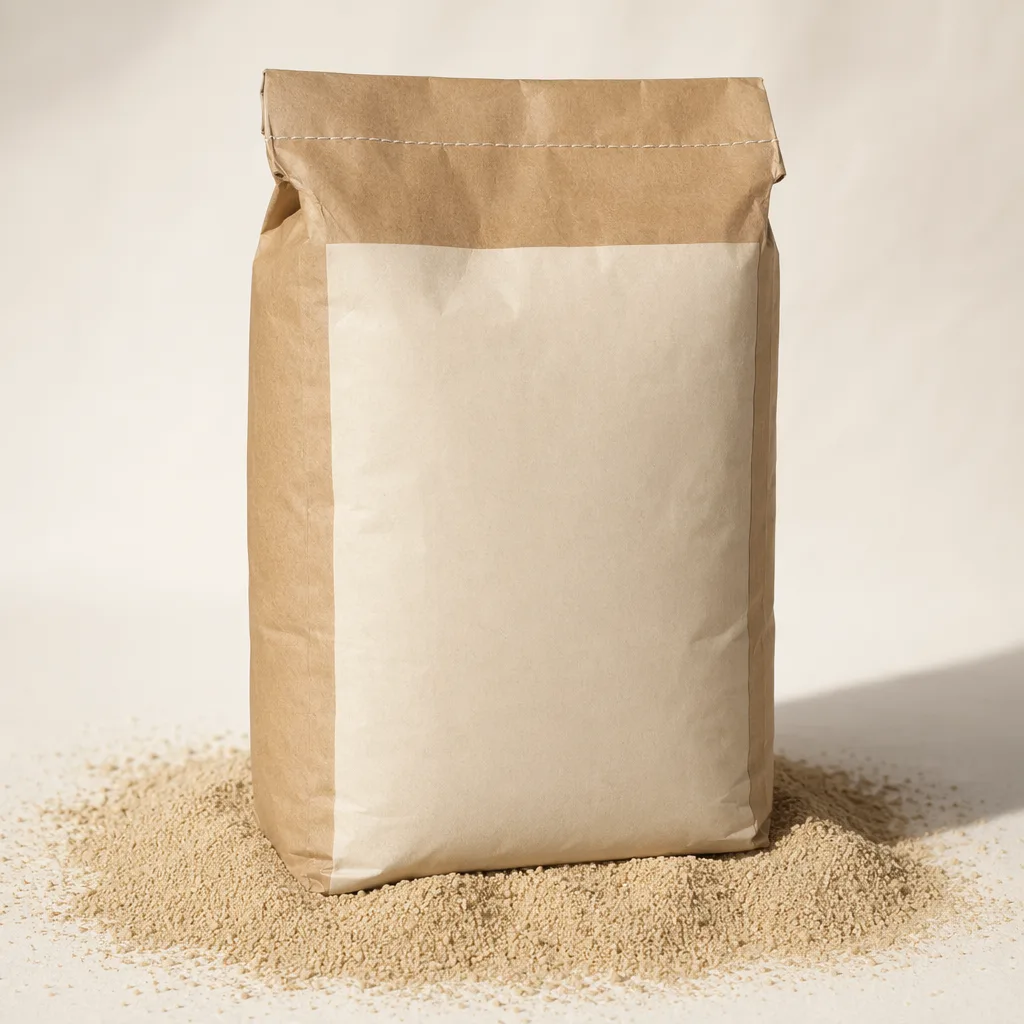
Selenium-Enriched Yeast
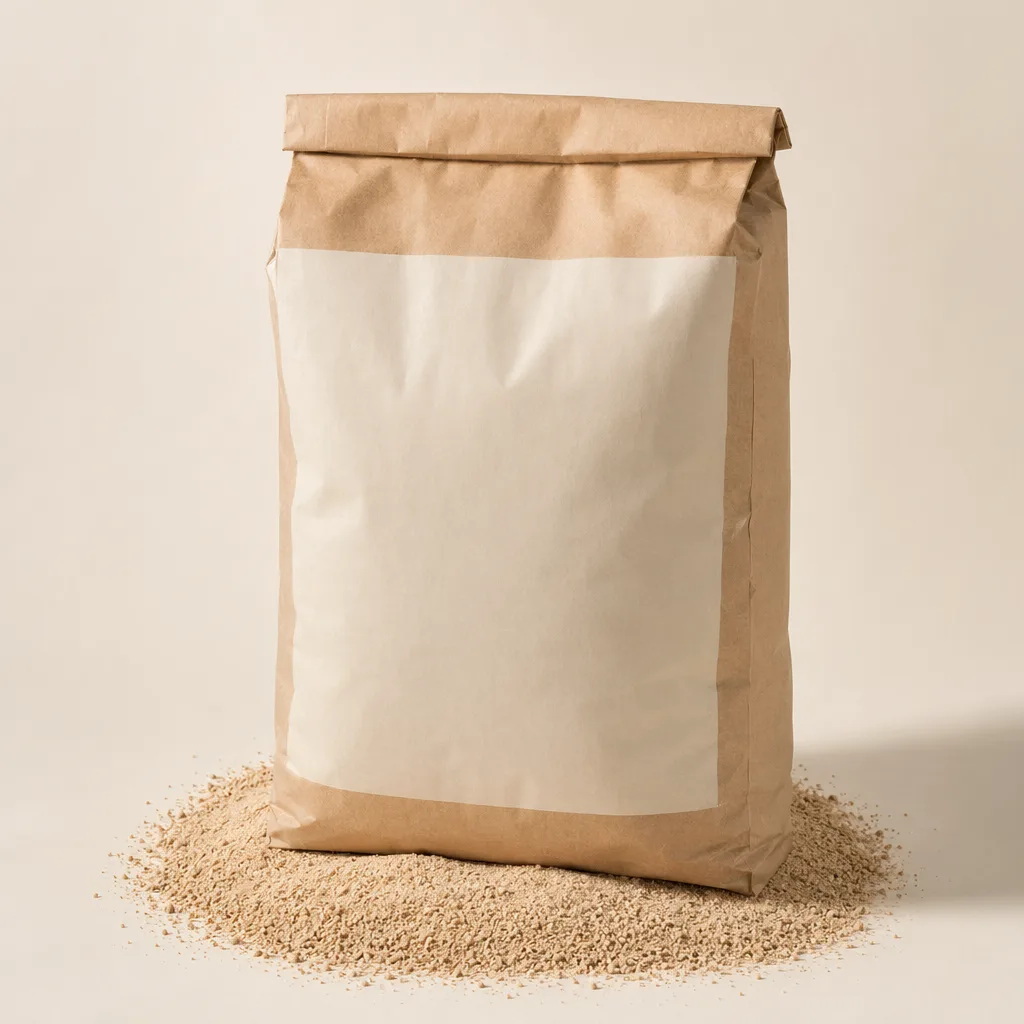
Selenium-enriched yeast is an inactive yeast ingredient grown in the presence of selenium to provide organic selenium, primarily as selenomethionine. ArtemisYeast supplies ART-NY-076 for plant-based meat, vegan nutrition blends, and dry premix applications requiring a trace-mineral source with yeast-derived solids. The product is offered in 10 kg foil-lined sacks for B2B supply programs, with wholesale pricing on request and specification review available for qualified bulk inquiries.
- ✓ Free worldwide shipping
- ✓ ISO-aligned manufacturing
- ✓ Certificate of Analysis on request
- ✓ Bulk & custom volumes quoted on request
Overview
ART-NY-076 is a selenium-enriched inactive yeast produced for food and nutrition formulators who need a consistent organic selenium carrier in dry plant-protein systems. Unlike mineral salts used as direct fortificants, selenium-enriched yeast contains selenium incorporated into yeast biomass, with selenomethionine typically representing a major share of total selenium. This format is suited to label-conscious formulations where yeast-derived ingredients are already accepted, including plant-based meat analogues, savory powders, vegan capsules, tablets, and nutritional premixes.
Typical specification targets may include total selenium at 2,000 mg/kg, selenomethionine not less than 60% of total selenium, moisture not more than 6.0%, protein approximately 40-50%, ash approximately 6-10%, and particle size through 80 mesh unless otherwise specified. The material is inactive, so viable yeast count is not used as the primary performance metric. For adjacent yeast ingredients, visit our nutritional yeast category or request a product-matched specification through bulk quote on request.
Applications
- Plant-based meat: Supports trace-mineral fortification in burger, nugget, mince, sausage, and deli-style formulations based on soy, pea, wheat, mycoprotein, or blended plant proteins. It can be added through dry seasoning, protein premix, or vitamin-mineral premix systems.
- Vegan nutrition powders: Used in meal-replacement powders, protein blends, and nutritional sachets where a yeast-origin organic selenium source is preferred over inorganic mineral forms.
- Dietary supplement manufacturing: Suitable for dry blending before tableting, encapsulation, or sachet filling, subject to the customer’s regulatory classification, serving-level calculation, and local labeling requirements.
- Food premix operations: Can be incorporated into custom micronutrient premixes for industrial food processors that require controlled selenium assay, batch traceability, and certificate-based release.
- R&D and scale-up: Available for formulation screening followed by lot-controlled commercial supply, helping R&D teams match selenium contribution, carrier load, mouthfeel impact, and processing compatibility.
Storage and Handling
Store ART-NY-076 in the original sealed 10 kg foil-lined sack in a cool, dry, clean warehouse away from direct sunlight, high humidity, strong odors, and reactive chemicals. Recommended storage is below 25°C with relative humidity below 65%. When kept sealed under recommended conditions, typical shelf life is 24 months from manufacture; the confirmed retest or best-before date is stated on the batch document.
Because selenium is a potent trace element, accurate weighing and validated dilution are important. Use calibrated scales, dust control, and suitable personal protective equipment for powder handling. Avoid direct addition at very low inclusion rates without an intermediate premix, as uniform distribution is critical in finished food and supplement products. Reseal partially used sacks promptly and use opened material according to internal quality procedures.
Quality and Documentation
ArtemisYeast supports procurement and quality teams with specification-grade documentation for each lot, including certificate of analysis on request, allergen statement, non-GMO statement where applicable, food-grade declaration, heavy metals testing summary, microbiological limits, and country-of-origin documentation. Typical microbiological controls may include total plate count, yeast and mold, coliforms, Enterobacteriaceae, Salmonella absence in the tested sample size, and Staphylococcus aureus limits, aligned with the intended market and customer specification.
Manufacturing and supplier controls are managed under HACCP-aligned and ISO-style food safety systems; documentation for ISO 22000, FSSC 22000, Halal, or Kosher status can be reviewed when available for the relevant production lot and site. ArtemisYeast does not list public prices for this product. Procurement teams can submit target selenium level, annual forecast, destination port, packaging preference, and documentation requirements through wholesale pricing on request. Additional quality process information is available at our quality page.
Storage & Handling
Refer to the CoA for product-specific storage conditions. Ship cold-chain where required.
Quality & Documentation
Manufactured under ISO-aligned quality management systems. Full documentation — Certificate of Analysis (CoA), Material Safety Data Sheet (MSDS), formulation summary, and stability data — is available on request. Email info@artemisyeast.com with the SKU.
About this product
01 What is the typical shelf life?
02 Do you offer documentation (CoA, food-grade declaration)?
03 What is the minimum order quantity?
04 Is bulk pricing available?
05 How is this product shipped internationally?
More from Nutritional Yeast
Natural Yeast Protein for Plant-Based Formulations
Inactive a sustainably sourced natural yeast protein for vegan, plant-based, and supplement manufacturers.
Inactive Yeast Peptide for Plant-Based Nutrition
Inactive a multifunctional peptide for vegan, plant-based, and supplement manufacturers.
Inactive Saccharomyces Cerevisiae Nutritional Yeast
Inactive saccharomyces cerevisiae, yeast probiotics for human gut health for vegan, plant-based, and supplemen…
Inactive Yeast Protein White Powder for Bulk Supply
Inactive yeast protein white paper for vegan, plant-based, and supplement manufacturers.