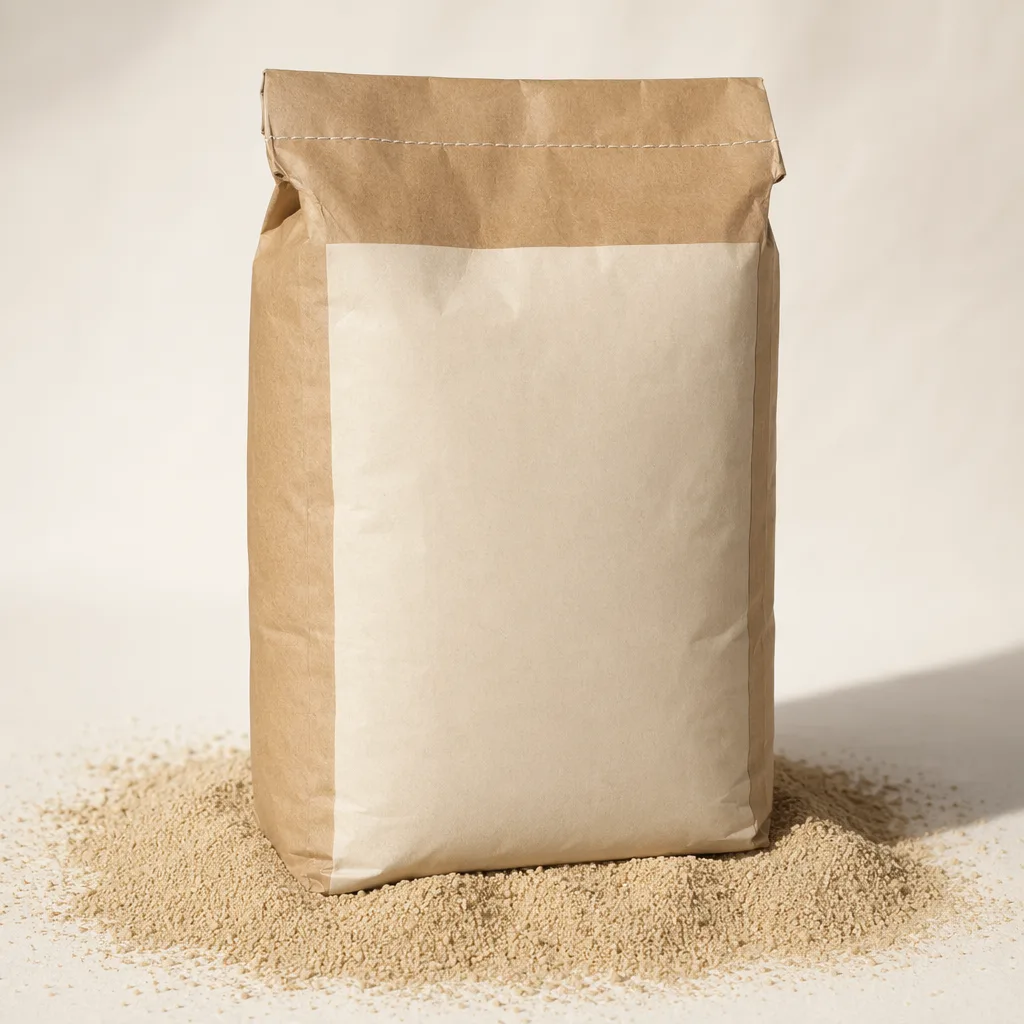
Selenium-Enriched Yeast
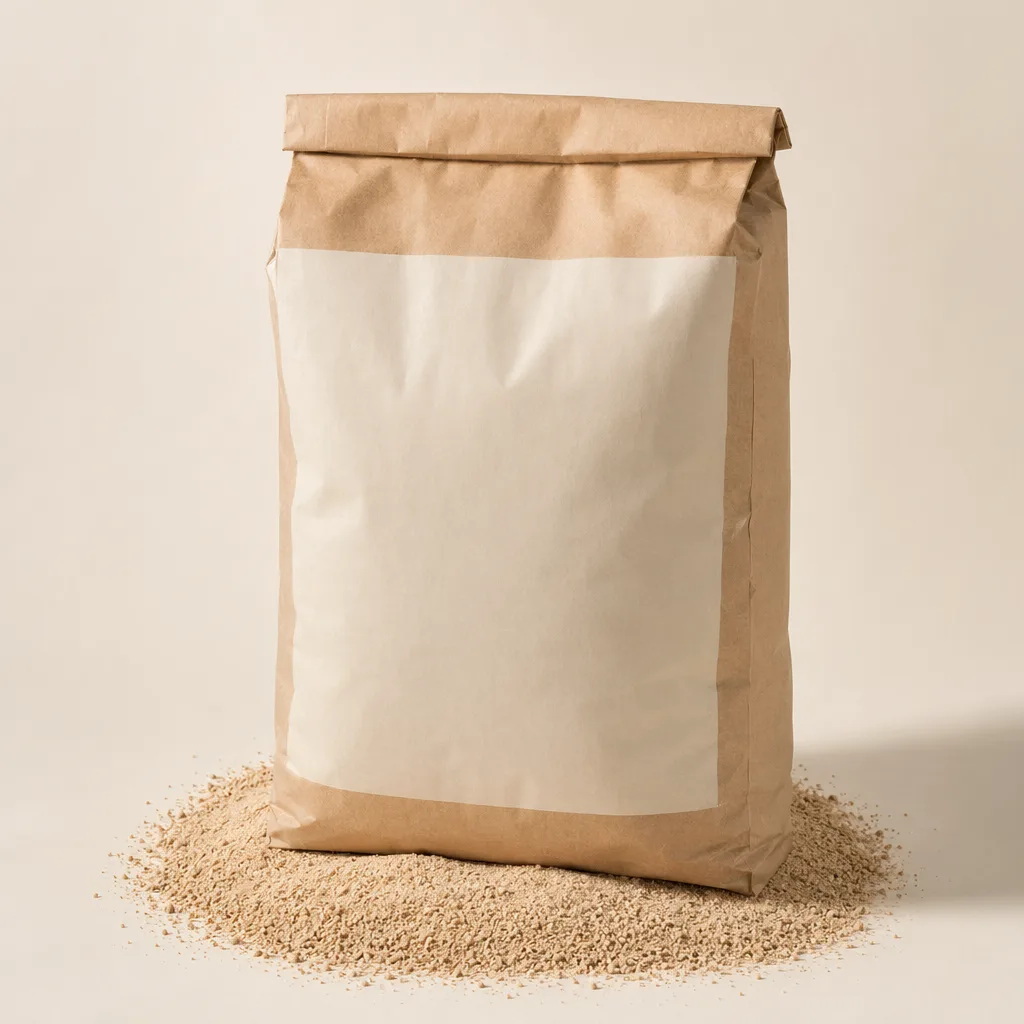
Selenium-enriched yeast is an inactive yeast ingredient standardized to supply organic selenium, primarily as selenomethionine, for food, plant-based, and supplement formulations. ART-NY-017 is supplied as a 10 kg foil-lined sack for manufacturers requiring traceable bulk input material rather than retail packs. It is suitable for vegan product development, plant-based nutrition systems, premix blending, and tableted or encapsulated supplement formats. Wholesale pricing on request is available through ArtemisYeast for qualified B2B buyers.
- ✓ Free worldwide shipping
- ✓ ISO-aligned manufacturing
- ✓ Certificate of Analysis on request
- ✓ Bulk & custom volumes quoted on request
Overview
ART-NY-017 is produced from food-grade inactive yeast grown in a controlled selenium-containing medium, then heat-inactivated, dried, and milled into a free-flowing powder. The yeast cell matrix naturally incorporates selenium into organic forms, with selenomethionine typically representing the major fraction. Common supply targets include total selenium around 2,000 mg/kg, with 1,000–2,500 mg/kg ranges available by project review; selenomethionine is commonly specified at not less than 60% of total selenium. Final values are confirmed by lot-specific certificate of analysis.
The product is not a leavening yeast and is not intended to provide fermentation activity. Typical specification parameters may include moisture ≤6.0%, crude protein ≥40%, particle size 60–80 mesh, low plate count limits appropriate for dry food ingredients, and controlled heavy metals according to the destination market and application. It can be used alone or blended with nutritional yeast, flavors, proteins, fibers, or mineral premixes. Related ingredient options are listed in our nutritional yeast category.
Applications
- Vegan and plant-based foods: Adds a standardized organic selenium source to meat alternatives, dairy-free powders, fortified flakes, savory nutrition blends, and dry meal systems without animal-derived carriers.
- Plant-based meat and prepared foods: Suitable for dry premix addition before extrusion, hydration, or blending. Its yeast-derived matrix can align with savory flavor systems, though dosage should be validated against finished-product taste and label targets.
- Dietary supplement manufacturing: Appropriate for capsules, tablets, sachets, stick packs, and mineral blends where an organic selenium input is preferred. Flow, compression behavior, and excipient compatibility should be confirmed during pilot batching.
- Food fortification and R&D: Supports controlled selenium addition in development work where formulators require consistent assay, traceability, and documentation. Target inclusion rate depends on finished serving size, local regulations, and label declaration strategy.
- Contract manufacturing: Supplied in 10 kg foil-lined sacks for batch production, pilot lots, and scale-up purchasing. For availability, specification matching, and a bulk quote on request, provide the required selenium level, annual volume, and destination market.
Storage and Handling
Store unopened sacks in a cool, dry, odor-free warehouse at 5–25 °C, away from direct sunlight, steam lines, high humidity, and strong-smelling materials. Keep relative humidity below 65% where possible. Under recommended conditions, typical shelf life is up to 24 months from manufacture, subject to the confirmed lot specification and packaging integrity.
After opening, reseal the inner foil liner tightly and use promptly to limit moisture pickup and cross-contamination. Handle as a fine dry powder: use local dust control, avoid unnecessary airborne dust, and follow site procedures for weighing and premix addition. This inactive product should not be substituted for active dry yeast in bakery or brewing processes.
Quality and Documentation
Manufacturing is managed under food-grade quality controls with HACCP-aligned process monitoring. Lot documentation can include certificate of analysis, specification sheet, allergen statement, vegan suitability statement, non-GMO statement where supported by the lot, country of origin, and food-grade declaration. ISO 22000, FSSC 22000, Halal, and Kosher documentation may be available on request for applicable production lots; confirm requirements before purchase order placement.
Release testing may cover total selenium assay, organic selenium profile, moisture, protein, microbiology, particle size, and heavy metals. ArtemisYeast supports procurement teams with pre-shipment documentation review, retained sample coordination, and export paperwork based on destination needs. For document expectations and audit support, see our quality documentation page.
Storage & Handling
Refer to the CoA for product-specific storage conditions. Ship cold-chain where required.
Quality & Documentation
Manufactured under ISO-aligned quality management systems. Full documentation — Certificate of Analysis (CoA), Material Safety Data Sheet (MSDS), formulation summary, and stability data — is available on request. Email info@artemisyeast.com with the SKU.
About this product
01 What is the typical shelf life?
02 Do you offer documentation (CoA, food-grade declaration)?
03 What is the minimum order quantity?
04 Is bulk pricing available?
05 How is this product shipped internationally?
More from Nutritional Yeast
Natural Yeast Protein for Plant-Based Formulations
Inactive a sustainably sourced natural yeast protein for vegan, plant-based, and supplement manufacturers.
Inactive Yeast Peptide for Plant-Based Nutrition
Inactive a multifunctional peptide for vegan, plant-based, and supplement manufacturers.
Inactive Saccharomyces Cerevisiae Nutritional Yeast
Inactive saccharomyces cerevisiae, yeast probiotics for human gut health for vegan, plant-based, and supplemen…
Inactive Yeast Protein White Powder for Bulk Supply
Inactive yeast protein white paper for vegan, plant-based, and supplement manufacturers.