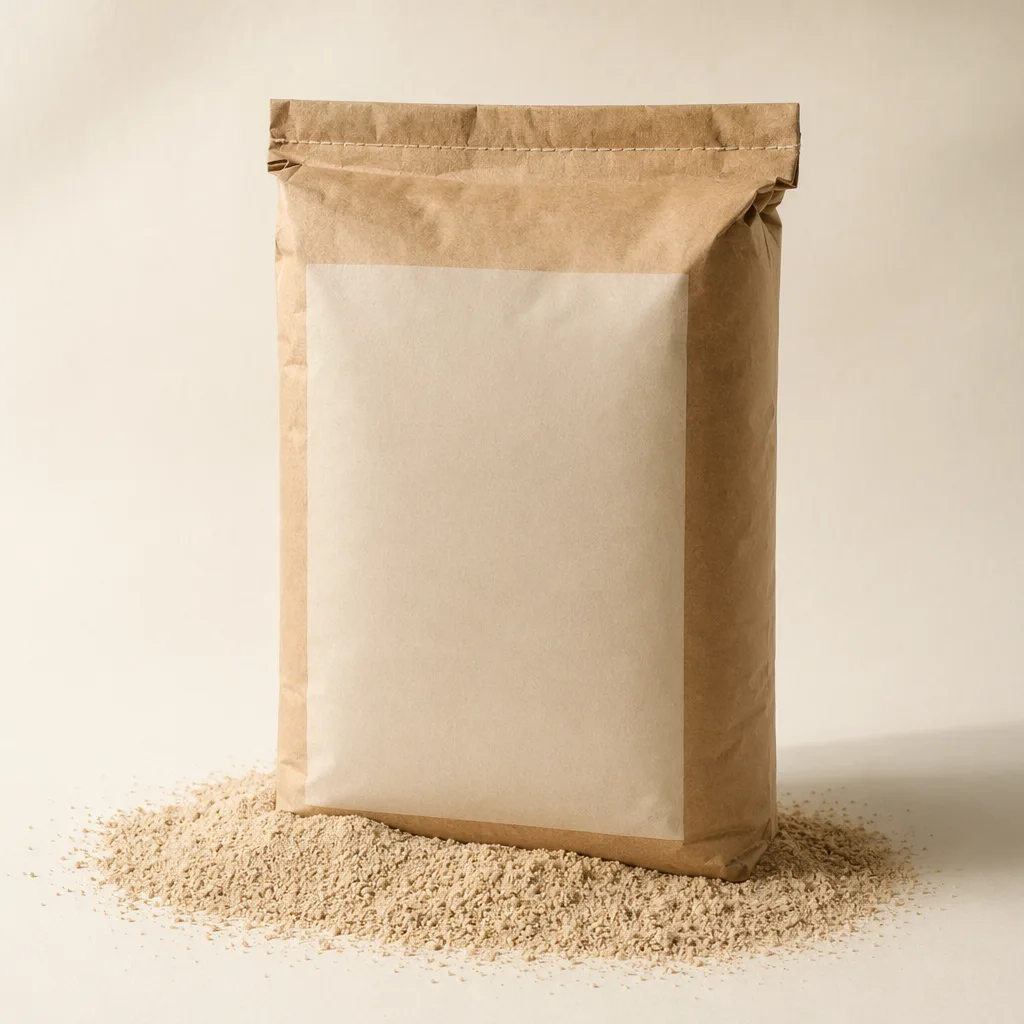
Inactive Nutritional Yeast for Plant-Based Meat
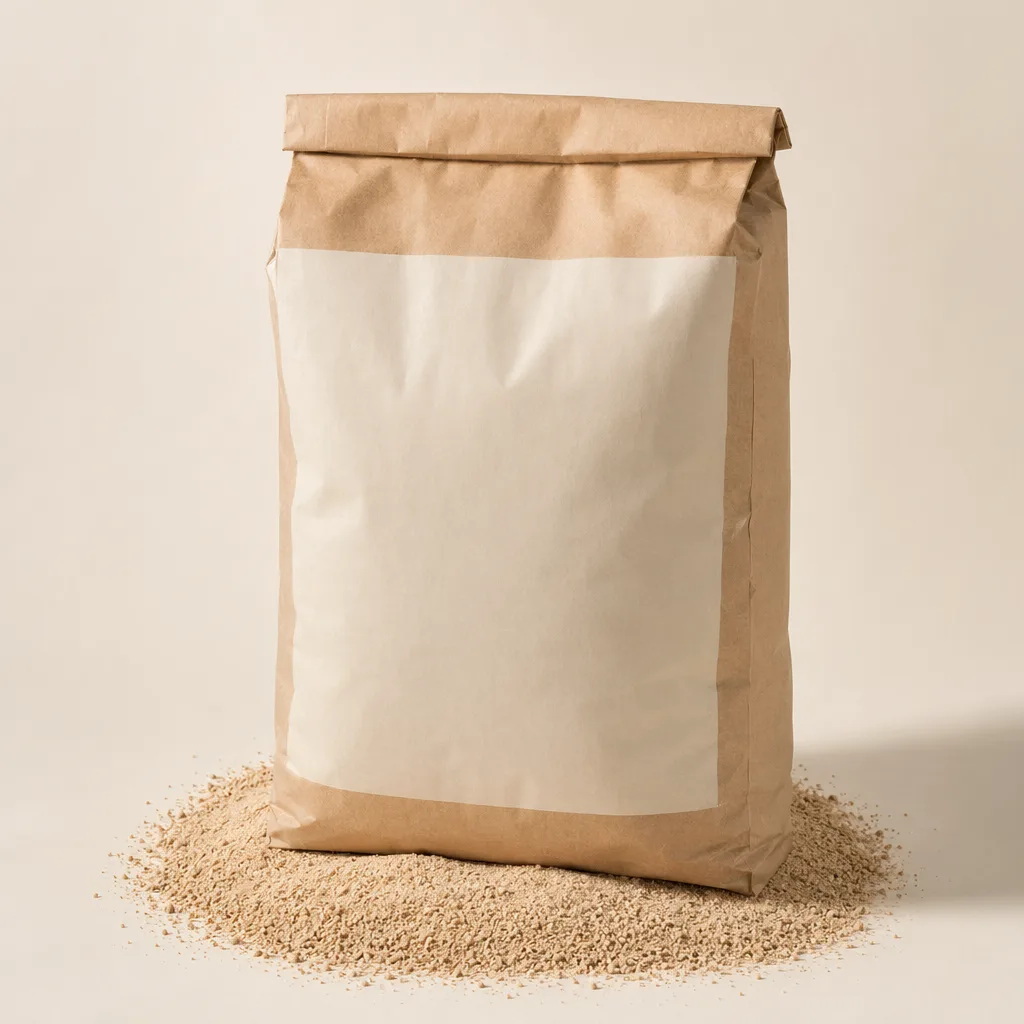
Inactive nutritional yeast for plant-based meat is a dried, non-leavening yeast ingredient used to build savory flavor, improve nutrition-label positioning, and support clean-label formulation. ART-NY-103 is supplied for vegan meat analogues, hybrid foods, and dry premix systems where umami, roasted notes, protein contribution, and dispersibility matter. ArtemisYeast offers this product in 10 kg foil-lined sacks with wholesale pricing on request for qualified bulk buyers and contract manufacturers.
- ✓ Free worldwide shipping
- ✓ ISO-aligned manufacturing
- ✓ Certificate of Analysis on request
- ✓ Bulk & custom volumes quoted on request
Overview
ART-NY-103 is an inactive yeast functional ingredient developed for plant-based meat matrices, including burgers, sausages, nuggets, minced formats, pâté-style spreads, and dry seasoning systems. Because the yeast is inactive, it is not intended for dough leavening or alcoholic fermentation. Its value is in flavor contribution, protein content, naturally occurring yeast solids, and formulation compatibility with soy, pea, wheat gluten, fava bean, rice protein, mycoprotein, vegetable oils, hydrocolloids, and spice blends.
Typical specification targets may include moisture not more than 6.0%, protein 40-50% on dry basis, total ash 5-9%, fat 3-8%, and a light yellow to tan powder or fine flake appearance, depending on the selected cut. Common particle sizes include 20-80 mesh powder for premixes and finer seasoning dispersion, with custom screening reviewed by lot and order volume. Flavor is characteristically savory, yeasty, brothy, lightly toasted, and nucleotide-rich, helping R&D teams reduce reliance on artificial flavor systems while maintaining process stability. For adjacent yeast ingredient options, see nutritional yeast products.
Applications
- Plant-based meat: Adds savory depth, roasted background notes, and improved flavor continuity in patties, formed pieces, emulsified analogues, and extruded meat alternatives.
- Dry premixes and seasoning bases: Suitable for blending with salt, spices, vegetable powders, natural flavors, yeast extract, starch, fibers, and hydrocolloids before hydration or direct addition.
- Nutrition-positioned vegan foods: Contributes yeast protein and naturally occurring B-group nutrients, subject to final formulation testing and local label rules.
- Texture and color systems: Works alongside methylcellulose, pea protein, soy protein, wheat gluten, oils, beet or paprika colorants, and browning ingredients without live fermentation activity.
- Scale-up manufacturing: Useful for pilot, toll-manufacturing, and commercial production where lot traceability, microbiological control, and repeatable sensory profile are procurement priorities.
Suggested use levels commonly range from 0.5% to 5.0% of finished formula weight, depending on salt level, target umami intensity, protein base, and thermal process. Higher inclusion may be appropriate in dry soup, bouillon, stuffing, snack, or savory filling systems after bench validation. Request a specification review or bulk quote on request with target application, annual volume, destination country, and required documentation.
Storage and Handling
Store ART-NY-103 in the original sealed 10 kg foil-lined sack in a cool, dry, odor-free warehouse, away from direct sunlight, steam lines, strong aromatics, and open water sources. Recommended storage is below 25°C with relative humidity below 65%. Under these conditions, typical shelf life is 18-24 months from production date, subject to the final certificate of analysis and packaging configuration.
After opening, reseal the inner liner tightly and use within a controlled production window to limit moisture pickup and aroma loss. The powder should be added through standard dry ingredient handling equipment with dust control, sieving where required, and allergen segregation according to the buyer’s facility plan. Although the product is inactive, normal food-ingredient GMP procedures, foreign-material controls, and batch traceability should be applied.
Quality and Documentation
ArtemisYeast supplies ART-NY-103 for industrial food use with lot-based traceability and procurement documentation available on request. Typical documents may include certificate of analysis, product specification, food-grade statement, non-GMO statement where applicable by source and region, allergen statement, vegan suitability statement, safety data sheet, and country-specific export documents. HACCP-aligned manufacturing and food-safety system documentation such as ISO 22000, FSSC 22000, Halal, or Kosher may be available depending on production site and lot; confirm requirements before purchase.
Microbiological targets are normally controlled for total plate count, yeast and mold, coliforms, Escherichia coli, Salmonella, and Staphylococcus aureus according to agreed food ingredient standards. Heavy metals, pesticide residues, and other parameters can be reviewed against destination-market requirements when specified in the inquiry. Visit quality and documentation for the information typically requested by procurement, QA, and regulatory teams before approving a new yeast ingredient supplier.
Storage & Handling
Refer to the CoA for product-specific storage conditions. Ship cold-chain where required.
Quality & Documentation
Manufactured under ISO-aligned quality management systems. Full documentation — Certificate of Analysis (CoA), Material Safety Data Sheet (MSDS), formulation summary, and stability data — is available on request. Email info@artemisyeast.com with the SKU.
About this product
01 What is the typical shelf life?
02 Do you offer documentation (CoA, food-grade declaration)?
03 What is the minimum order quantity?
04 Is bulk pricing available?
05 How is this product shipped internationally?
More from Nutritional Yeast
Natural Yeast Protein for Plant-Based Formulations
Inactive a sustainably sourced natural yeast protein for vegan, plant-based, and supplement manufacturers.
Inactive Yeast Peptide for Plant-Based Nutrition
Inactive a multifunctional peptide for vegan, plant-based, and supplement manufacturers.
Inactive Saccharomyces Cerevisiae Nutritional Yeast
Inactive saccharomyces cerevisiae, yeast probiotics for human gut health for vegan, plant-based, and supplemen…
Inactive Yeast Protein White Powder for Bulk Supply
Inactive yeast protein white paper for vegan, plant-based, and supplement manufacturers.