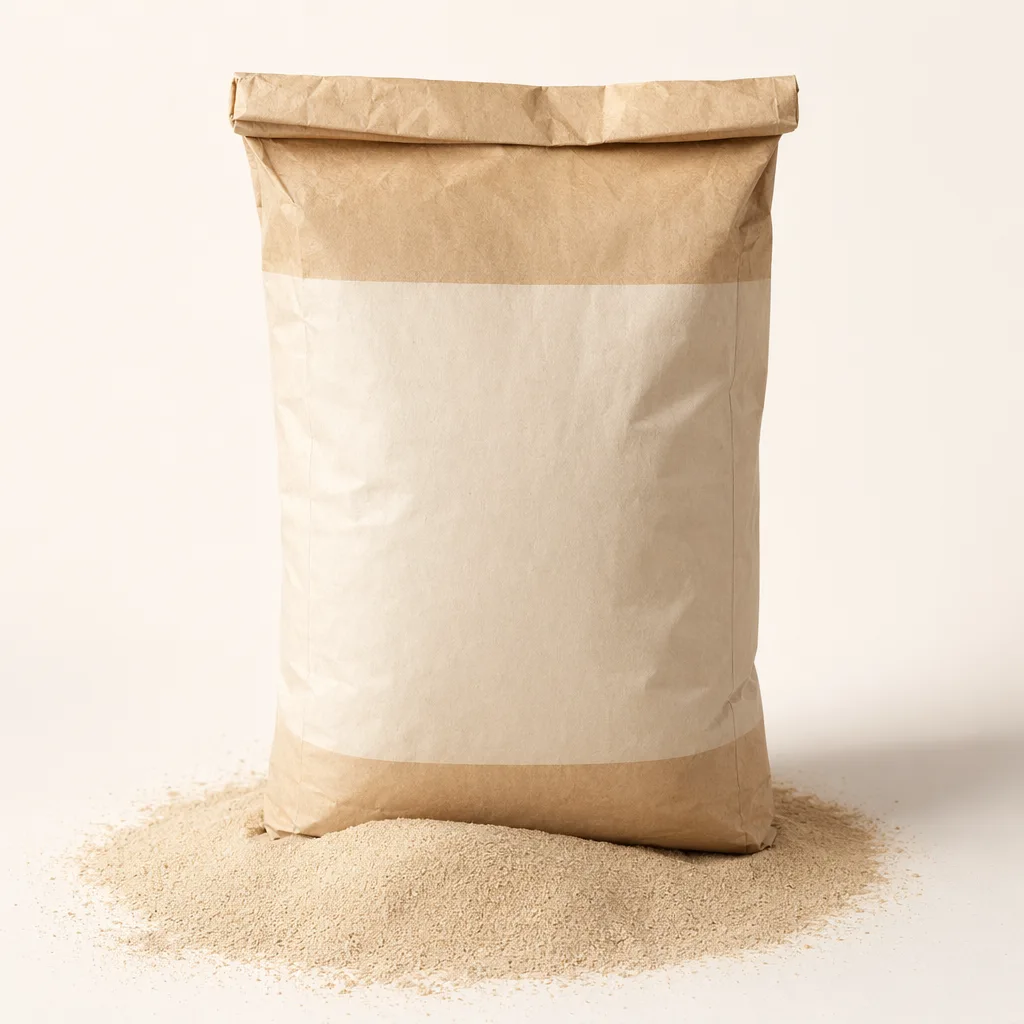
Yeast RNA Providing Nucleotides
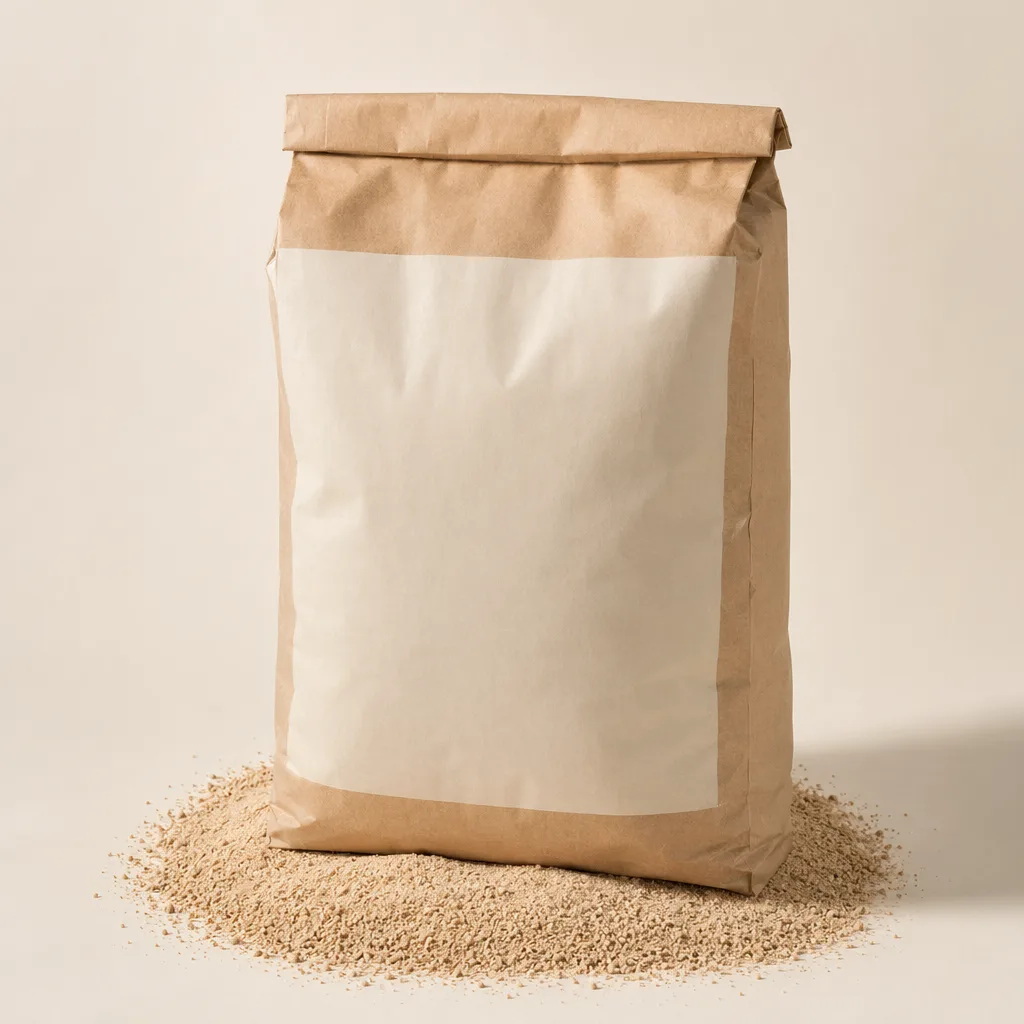
Yeast RNA providing nucleotides is an inactive Saccharomyces cerevisiae-derived ingredient standardized for ribonucleic acid fractions used in food and supplement formulations. ART-NY-024 is supplied as a free-flowing powder in 10 kg foil-lined sacks for manufacturers requiring a vegan, fermentation-derived nucleotide source. It is positioned for plant-based meat, savory vegan foods, and dietary supplement formats where controlled specification, documentation, and wholesale availability are required.
- ✓ Free worldwide shipping
- ✓ ISO-aligned manufacturing
- ✓ Certificate of Analysis on request
- ✓ Bulk & custom volumes quoted on request
Overview
ART-NY-024 is an inactive yeast RNA powder produced from food-grade yeast biomass and processed to concentrate naturally occurring ribonucleic acid and nucleotide fractions. It is not a leavening yeast and is not intended to generate fermentation gas. The ingredient is used where formulators need a non-animal nucleotide source with consistent powder handling, neutral-to-savory yeast character, and compatibility with dry blending, granulation, tableting premixes, capsules, and extruded plant-based systems.
Typical specification targets may include RNA content 35-55%, moisture not more than 8%, crude protein 35-50% on dry basis, ash 5-12%, and particle size with 95% passing 80 mesh, subject to lot confirmation. Because the product is inactive, viable yeast is controlled to low levels; microbiological limits are managed by lot CoA. For adjacent yeast-derived ingredients, visit nutritional yeast products. Wholesale pricing on request is available for qualified B2B buyers, with a bulk quote on request based on destination, volume, packing, and documentation needs.
Applications
- Vegan and plant-based foods: supports nucleotide enrichment in meat alternatives, savory dry mixes, broths, seasonings, fillings, and high-protein vegan formulations without animal-derived raw materials.
- Plant-based meat systems: compatible with dry premixes for extrusion, hydration systems, binder blends, and flavor bases where controlled mesh size and batch traceability are important for production consistency.
- Dietary supplement manufacturing: suitable for powder blends, sachets, capsules, and tablets when a yeast-derived RNA or nucleotide ingredient is specified by the formulator. Finished-product claims and serving levels remain the responsibility of the brand owner and regulatory team.
- R&D and scale-up: 10 kg foil-lined sacks allow pilot production, sensory evaluation, formulation validation, and transition to pallet-scale purchasing under the same ART-NY-024 specification framework.
Storage and Handling
Store unopened sacks in a cool, dry, well-ventilated warehouse, ideally below 25°C and below 65% relative humidity. Protect from direct sunlight, standing water, strong odors, and repeated temperature cycling. Keep the foil liner sealed after partial use and transfer opened material into closed food-grade containers where required by the plant’s hygiene program.
Typical shelf life is 18-24 months from manufacture when stored in the original unopened packaging under recommended conditions. The powder should be handled with normal dry-ingredient controls, including dust minimization, foreign-material prevention, allergen review by the buyer, and first-expiry-first-out inventory rotation. Mixing trials are recommended before commercial use to confirm dispersion, flavor impact, color contribution, and processing compatibility.
Quality and Documentation
Each commercial lot can be supplied with a certificate of analysis covering key physical, chemical, and microbiological parameters such as appearance, moisture, RNA assay or nucleotide-related assay, protein, particle size, total plate count, yeast and mold, coliforms, and pathogen screening where applicable. Heavy metals, residual solvents, GMO status, vegan suitability, and country-of-origin statements can be reviewed as part of the procurement file.
Manufacturing is managed under food-ingredient quality systems with HACCP-aligned controls. Documentation for ISO 22000, FSSC 22000, Halal, Kosher, or other food-safety status may be available depending on production site and lot; buyers should confirm requirements before purchase order placement. ArtemisYeast supports supplier approval packages, technical data sheets, safety data sheets, and logistics documents through its quality documentation process.
Storage & Handling
Refer to the CoA for product-specific storage conditions. Ship cold-chain where required.
Quality & Documentation
Manufactured under ISO-aligned quality management systems. Full documentation — Certificate of Analysis (CoA), Material Safety Data Sheet (MSDS), formulation summary, and stability data — is available on request. Email info@artemisyeast.com with the SKU.
About this product
01 What is the typical shelf life?
02 Do you offer documentation (CoA, food-grade declaration)?
03 What is the minimum order quantity?
04 Is bulk pricing available?
05 How is this product shipped internationally?
More from Nutritional Yeast
Natural Yeast Protein for Plant-Based Formulations
Inactive a sustainably sourced natural yeast protein for vegan, plant-based, and supplement manufacturers.
Inactive Yeast Peptide for Plant-Based Nutrition
Inactive a multifunctional peptide for vegan, plant-based, and supplement manufacturers.
Inactive Saccharomyces Cerevisiae Nutritional Yeast
Inactive saccharomyces cerevisiae, yeast probiotics for human gut health for vegan, plant-based, and supplemen…
Inactive Yeast Protein White Powder for Bulk Supply
Inactive yeast protein white paper for vegan, plant-based, and supplement manufacturers.