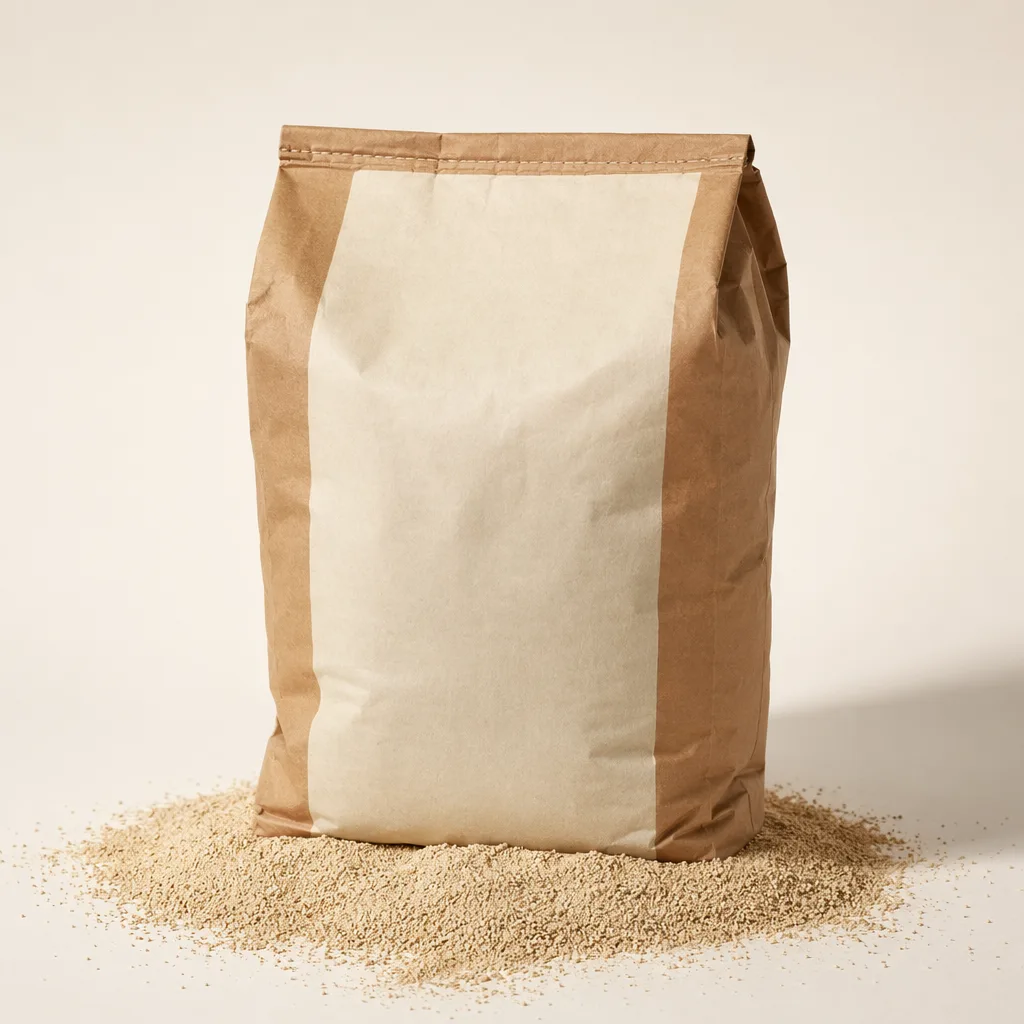
Inactive Zinc-enriched Yeast
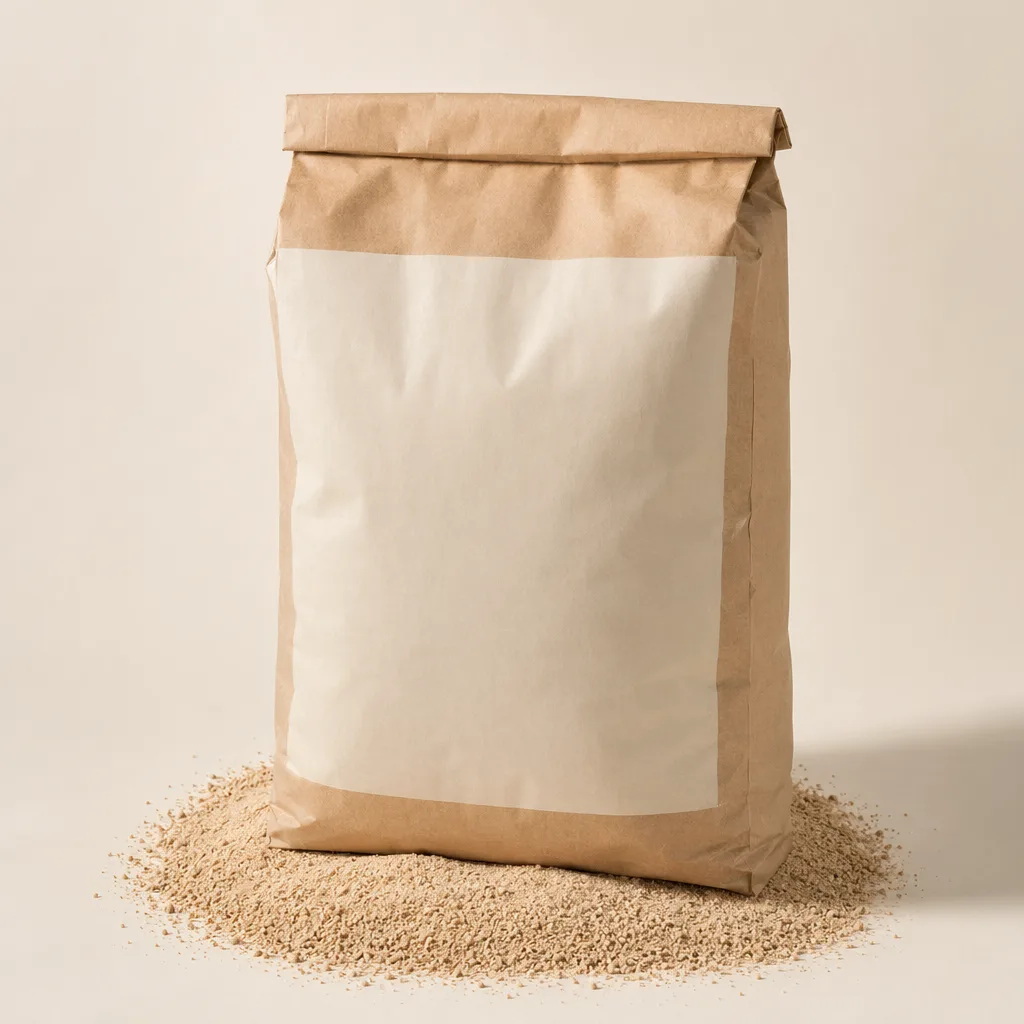
Zinc-enriched yeast is an inactive nutritional yeast ingredient produced by cultivating yeast in a controlled zinc-containing fermentation medium, then drying the non-viable yeast biomass. ART-NY-025 is supplied for food manufacturers, plant-based product developers, and supplement formulators seeking a fermentation-derived zinc source with yeast solids, amino acids, and characteristic savory yeast notes. ArtemisYeast offers this item in 10 kg foil-lined sacks, with wholesale pricing on request for qualified bulk buyers.
- ✓ Free worldwide shipping
- ✓ ISO-aligned manufacturing
- ✓ Certificate of Analysis on request
- ✓ Bulk & custom volumes quoted on request
Overview
ART-NY-025 is a zinc-enriched inactive yeast powder designed for B2B formulation where a yeast-based mineral ingredient is preferred over simple inorganic zinc salts. During fermentation, yeast cells are grown in a nutrient medium containing zinc; after harvest, the biomass is inactivated, dried, milled, and packed. The finished ingredient contains yeast protein, peptides, cell-wall polysaccharides, B vitamins naturally associated with yeast, and a specified zinc assay suitable for controlled blending.
Typical specification targets may include zinc assay from 2,000 to 50,000 mg/kg, depending on contract specification; moisture not more than 6.0%; protein typically 40-50% on dry basis; ash typically 6-12%; and particle size through 80 mesh unless otherwise agreed. The material is non-viable and is not sold as active dry yeast. It is intended for food, nutrition, and industrial formulation use, not for leavening. Buyers comparing related inactive yeast ingredients can review the nutritional yeast category or submit a bulk quote on request with target zinc level and annual volume.
Applications
- Vegan and plant-based foods: Used in seasoning bases, meat alternatives, dry mixes, sauces, spreads, and nutritional blends where a fermentation-derived zinc source and mild yeast character are compatible with the flavor system.
- Plant-based meat: Can be incorporated into burger, mince, nugget, sausage, and high-protein premix systems. R&D teams should validate mineral contribution, color impact, sodium balance, and heat-process stability within the final recipe.
- Dietary supplement manufacturing: Suitable for tablets, capsules, sachets, and powder blends when the customer specification calls for inactive zinc yeast. Formulators should confirm dosage calculations from the supplied assay and ensure finished-product labeling aligns with local regulations.
- Premix and contract manufacturing: Compatible with dry blending lines for vitamin-mineral premixes, functional food bases, and private-label nutrition products. The recommended order specification should state zinc assay, microbiological limits, heavy-metal limits, allergen requirements, and packaging configuration.
- Clean-label development: Provides a yeast-derived mineral carrier for customers looking to reduce direct use of simple mineral salts in certain formulas. Sensory testing is recommended because higher inclusion levels may add yeast, cereal, or umami notes.
Storage and Handling
Store zinc-enriched yeast in the original sealed 10 kg foil-lined sack in a cool, dry, well-ventilated warehouse, ideally below 25°C and away from direct sunlight, moisture, strong odors, and oxidizing chemicals. Keep the bag tightly closed after opening and use clean, dry scoops or closed transfer systems to avoid cross-contact and moisture pickup. Typical shelf life is 24 months from manufacture when stored under recommended conditions, subject to the confirmed certificate of analysis and purchase specification.
The powder is intended for dry handling and should be protected from condensation during container unloading, room-temperature equilibration, and repacking. For large-scale use, plant managers should confirm dust-control procedures, sieve compatibility, and metal-detection settings on their own line. ArtemisYeast can support palletized export packing, lot coding, and documentation review before shipment.
Quality and Documentation
Each commercial lot is produced under controlled food-ingredient manufacturing practices with HACCP-aligned process controls. A certificate of analysis can be supplied on request, covering agreed parameters such as zinc assay, moisture, protein, particle size, total plate count, yeast and mold, coliforms, and relevant heavy metals. Additional declarations, including non-GMO status, vegan suitability, allergen statement, food-grade declaration, Halal, Kosher, ISO 22000, FSSC 22000, or related food-safety documentation, are available where applicable to the producing site and contracted specification.
Procurement teams should define the required zinc range, regulatory market, intended application, labeling name, microbiological limits, packaging, and inspection needs before issuing a purchase order. For supplier qualification, visit quality documentation or request the current specification sheet for ART-NY-025. Wholesale pricing on request is based on assay, order quantity, destination, documentation scope, and shipment method.
Storage & Handling
Refer to the CoA for product-specific storage conditions. Ship cold-chain where required.
Quality & Documentation
Manufactured under ISO-aligned quality management systems. Full documentation — Certificate of Analysis (CoA), Material Safety Data Sheet (MSDS), formulation summary, and stability data — is available on request. Email info@artemisyeast.com with the SKU.
About this product
01 What is the typical shelf life?
02 Do you offer documentation (CoA, food-grade declaration)?
03 What is the minimum order quantity?
04 Is bulk pricing available?
05 How is this product shipped internationally?
More from Nutritional Yeast
Natural Yeast Protein for Plant-Based Formulations
Inactive a sustainably sourced natural yeast protein for vegan, plant-based, and supplement manufacturers.
Inactive Yeast Peptide for Plant-Based Nutrition
Inactive a multifunctional peptide for vegan, plant-based, and supplement manufacturers.
Inactive Saccharomyces Cerevisiae Nutritional Yeast
Inactive saccharomyces cerevisiae, yeast probiotics for human gut health for vegan, plant-based, and supplemen…
Inactive Yeast Protein White Powder for Bulk Supply
Inactive yeast protein white paper for vegan, plant-based, and supplement manufacturers.