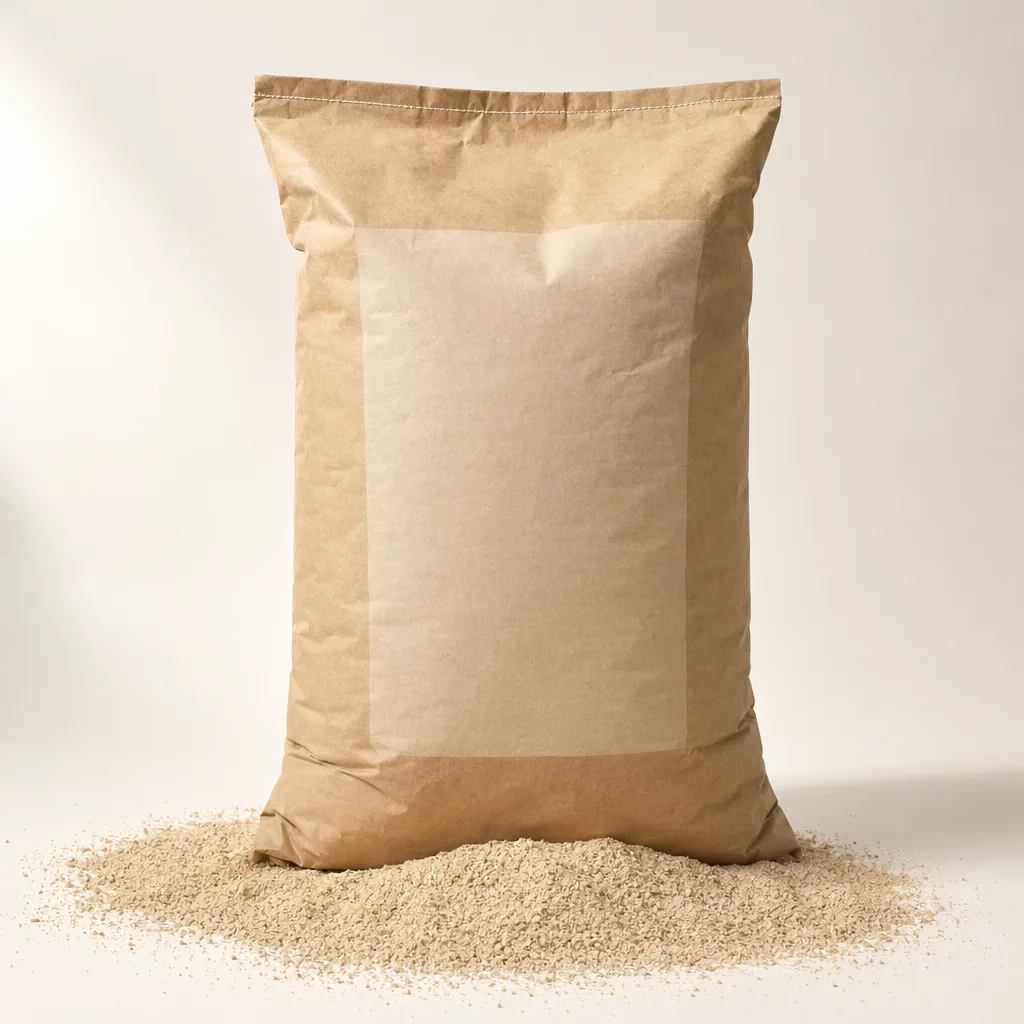
Industrial Alpha-Amylase Enzyme
α-Amylase is an industrial carbohydrase enzyme that hydrolyzes internal α-1,4 glycosidic bonds in starch, producing dextrins, maltose, and fermentable sugars. ArtemisYeast supplies ART-EN-002 in 25 kg multi-wall sacks for bakery improver systems, brewhouse starch conversion, feed processing, and biotechnology fermentation preparation. This inquiry-only product is offered for qualified B2B buyers with wholesale pricing on request, lot-specific documentation, and specification matching support for plant trials and recurring bulk supply.
- ✓ Free worldwide shipping
- ✓ ISO-aligned manufacturing
- ✓ Certificate of Analysis on request
- ✓ Bulk & custom volumes quoted on request
Overview
ART-EN-002 is a standardized industrial alpha-amylase preparation for controlled starch liquefaction and process viscosity reduction. Depending on the selected grade, the enzyme can be supplied as a free-flowing powder or low-dust granule for dry blending, premix dosing, or direct process addition. Typical commercial specifications include declared amylase activity by lot, moisture not more than 8%, carrier suitable for the intended food or feed use, and particle size commonly through 40-80 mesh for powder grades. Final activity, carrier system, and thermal profile should be confirmed against the Certificate of Analysis and application protocol.
In baking and brewing, alpha-amylase improves starch breakdown so that yeast and other process organisms have access to fermentable carbohydrates. In feed, it supports starch utilization during pelleting or premix formulation, subject to processing temperature and retention time. ART-EN-002 is not a live yeast product, so CFU/g does not apply. For related processing ingredients, see our enzymes and fermentation category, or request a bulk quote on request for your target dosage, packaging, and destination market.
Applications
- Industrial bread baking: used in flour correction, bread improver blends, frozen dough systems, and high-speed pan bread lines to support controlled dextrin formation, crumb softness, loaf volume, and crust color. Typical use rates are validated by flour falling number, process time, and bake profile.
- Craft and industrial brewing: applied in mash conversion, adjunct processing, and high-gravity brewing where starch conversion efficiency and wort viscosity control are required. The enzyme profile should be selected to match mash pH, calcium level, temperature rest, and desired fermentability.
- Animal feed processing: incorporated into premixes, concentrates, or complete feed formulas for poultry, swine, ruminant, or aquaculture production. Feed-grade handling should consider pelleting temperature, post-pellet liquid application, and compatibility with minerals, acids, and other enzymes.
- Biotechnology and fermentation preparation: used to liquefy starch-containing substrates before saccharification or microbial fermentation. It can help reduce slurry viscosity, improve mixing, and support consistent carbohydrate availability in pilot or production vessels.
Storage and Handling
Store ART-EN-002 in the original sealed 25 kg multi-wall sack in a cool, dry, well-ventilated warehouse, away from direct sunlight, moisture, and strong odors. Recommended storage is below 25°C with relative humidity controlled where possible. Under unopened, recommended conditions, typical shelf life is 12-24 months depending on grade and activity target; the lot CoA should be used as the controlling reference.
As with all powdered enzyme preparations, avoid dust generation and inhalation during weighing, charging, and blending. Use local extraction, gloves, eye protection, and a suitable particulate respirator according to the buyer’s site safety assessment. Reseal partly used sacks promptly. Do not mix with strong oxidizing agents, and avoid prolonged exposure to high humidity before use.
Quality and Documentation
ArtemisYeast supplies ART-EN-002 for industrial food, feed, brewing, and biotechnology customers that require traceable bulk ingredients. Lot-specific documentation can include Certificate of Analysis, specification sheet, safety data sheet, allergen statement, non-GMO statement where applicable, and country-of-origin or customs documents for export. HACCP-aligned manufacturing information and food-safety documentation such as ISO 22000, FSSC 22000, Halal, or Kosher status may be available on request for the selected grade and plant.
Procurement teams can review quality documentation requirements before ordering. ArtemisYeast supports sampling for qualification, production-lot matching, and recurring shipment planning for buyers that need consistent activity, packaging, and import paperwork. No public prices are posted; wholesale pricing on request is provided after confirming grade, annual volume, incoterms, and delivery schedule.
Storage & Handling
Refer to the CoA for product-specific storage conditions. Ship cold-chain where required.
Quality & Documentation
Manufactured under ISO-aligned quality management systems. Full documentation — Certificate of Analysis (CoA), Material Safety Data Sheet (MSDS), formulation summary, and stability data — is available on request. Email info@artemisyeast.com with the SKU.
About this product
01 What is the typical shelf life?
02 Do you offer documentation (CoA, food-grade declaration)?
03 What is the minimum order quantity?
04 Is bulk pricing available?
05 How is this product shipped internationally?
More from Enzymes & Fermentation Inputs
Protein and Nucleic Acid Processing Enzyme Powder
Industrial enzyme — protein & nucleic acid processing for food, feed, brewing, and biotechnology processing.
β-Glucanase Enzyme for Brewing, Baking and Feed
Industrial enzyme — β-glucanase for food, feed, brewing, and biotechnology processing.
β-Mannanase Enzyme for Food, Feed, and Brewing
Industrial enzyme — β-mannanase for food, feed, brewing, and biotechnology processing.
Cellulase Enzyme for Food, Feed, Brewing Processing
Industrial enzyme — cellulase for food, feed, brewing, and biotechnology processing.