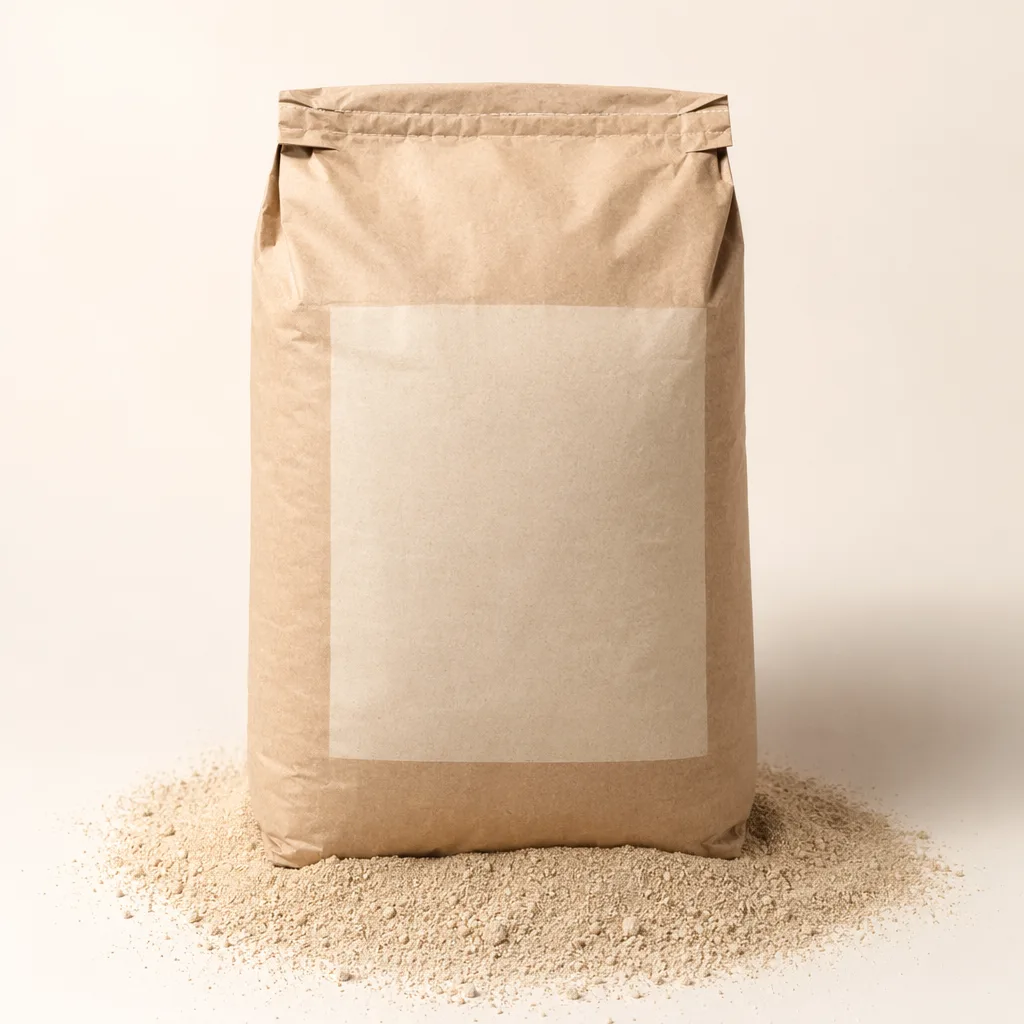
Cellulase Enzyme
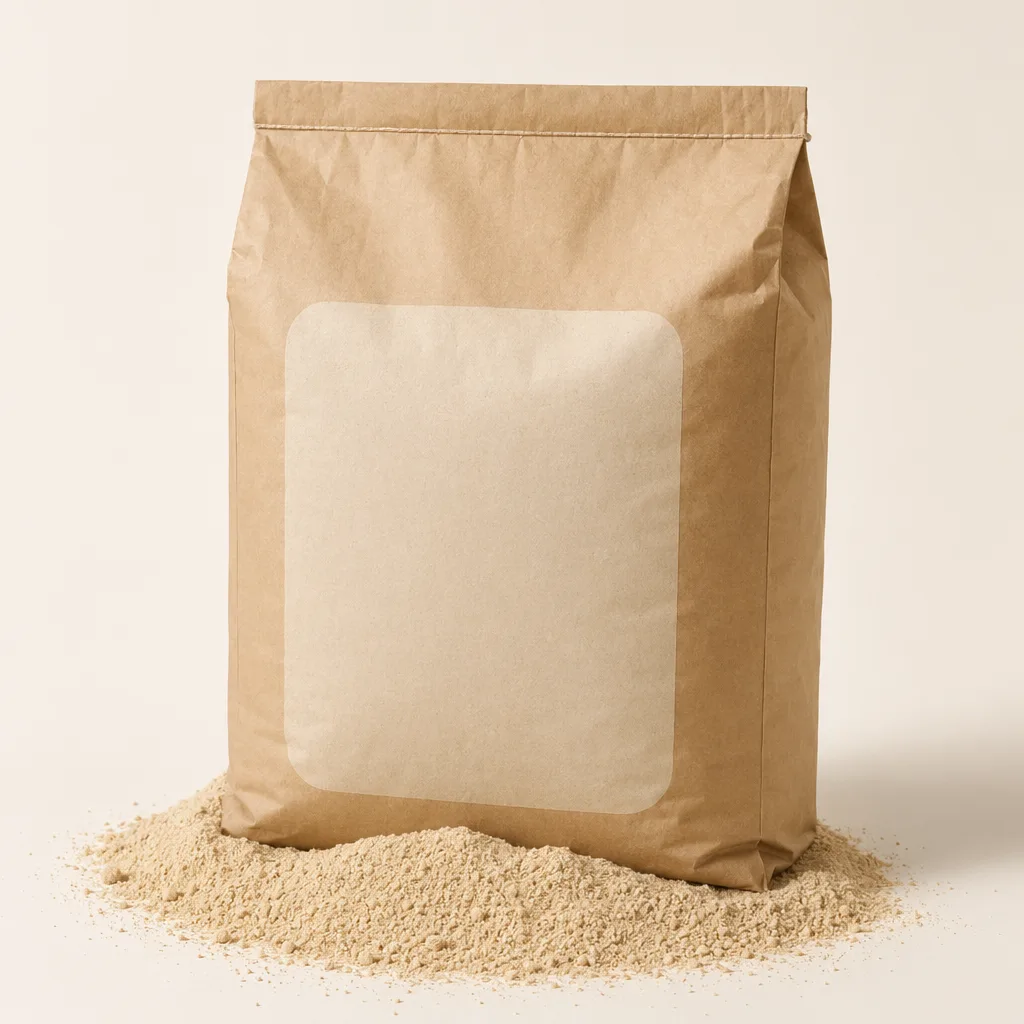
Cellulase is an industrial enzyme preparation that hydrolyzes cellulose and related beta-glucan fibers into shorter soluble sugars for controlled processing. ArtemisYeast supplies ART-EN-005 for food, feed, brewing, and biotechnology operations that need consistent enzyme performance in 25 kg multi-wall sacks. This inquiry-only product is specified for bulk procurement, with wholesale pricing on request and lot documentation available for technical review before purchasing.
- ✓ Free worldwide shipping
- ✓ ISO-aligned manufacturing
- ✓ Certificate of Analysis on request
- ✓ Bulk & custom volumes quoted on request
Overview
ART-EN-005 cellulase is a dry enzyme preparation designed for manufacturers that need fiber breakdown, extract improvement, mash viscosity reduction, or controlled modification of plant-derived substrates. Cellulase activity targets β-1,4-glucosidic bonds in cellulose and related insoluble fiber fractions, producing soluble oligosaccharides and reducing sugars that can improve process flow, filtration, and ingredient conversion. It is supplied as a free-flowing powder in 25 kg multi-wall sacks for industrial dosing systems, pre-blending, or batch addition.
Typical procurement specifications may include declared cellulase activity by lot, moisture not more than 8%, food-processing grade carrier, light tan to brown powder appearance, and particle size suitable for dry blending, commonly through 80 mesh depending on the final grade confirmed on the CoA. Operational ranges are substrate-dependent, with many cellulase applications evaluated around pH 4.5-6.0 and 45-60 °C. For adjacent fermentation ingredients, see the enzymes and fermentation category, or contact ArtemisYeast for grade selection matched to your substrate, process time, and heat profile.
Applications
- Industrial bread baking: supports dough systems containing whole grain, bran, oat, rye, or other fiber-rich inclusions. R&D teams may evaluate cellulase for water distribution, dough machinability, crumb softness, and loaf volume alongside yeast, amylase, xylanase, emulsifier, or improver systems. Pilot testing is recommended because flour extraction rate, fiber level, fermentation time, and bake profile strongly affect dosage.
- Brewing and beverage fermentation: used in adjunct mashes, high-fiber cereal processing, fruit or botanical preparations, and lautering or filtration studies where cellulose-rich solids contribute to viscosity or extract losses. Head brewers and process engineers should assess cellulase compatibility with mash pH, temperature rests, wort separation equipment, and any downstream clarification steps.
- Animal feed and livestock nutrition: formulated into premixes, complete feeds, or process aids where plant cell wall degradation is part of a feed enzyme strategy. Feed operators should confirm heat stability through pelleting or apply post-pellet liquid systems when appropriate. Target species, diet fiber profile, mineral levels, and pelleting temperature determine final inclusion rate.
- Food and biotechnology processing: applicable for vegetable, grain, oilseed, tea, coffee, and biomass-derived substrates where controlled cell wall modification supports extraction, clarification, or slurry handling. For a technical sample plan or commercial supply discussion, submit a bulk quote on request with substrate details, annual volume, and destination port.
Storage and Handling
Store ART-EN-005 in the original sealed 25 kg multi-wall sack in a dry, cool, well-ventilated warehouse. Recommended storage is typically 5-25 °C, away from direct sunlight, steam lines, high humidity, strong odors, and oxidizing chemicals. Keep pallets wrapped until use, reseal opened bags promptly, and avoid condensation during transfer from cold storage to production areas.
Typical shelf life is 12-24 months when stored under recommended conditions, with the exact retest or expiry date stated on the lot CoA. As with other enzyme powders, minimize dust generation during weighing, charging, and blending. Use local exhaust ventilation where needed and appropriate PPE such as gloves, protective eyewear, and a dust mask or respirator according to the site safety assessment and SDS. Do not add the enzyme to boiling liquids; excessive heat can reduce activity.
Quality and Documentation
ArtemisYeast supplies cellulase for professional manufacturing channels with batch traceability and specification review before shipment. Available documents may include Certificate of Analysis, product specification, SDS, allergen statement, non-GMO statement when applicable to the selected grade, food-grade declaration, packing list, and country-of-origin documents. Microbiological limits, heavy metals, activity method, and carrier system are confirmed by grade and production lot.
Manufacturing is managed under documented quality systems aligned with HACCP principles, and documentation for ISO 22000, FSSC 22000, Halal, or Kosher status may be available for certain grades on request rather than assumed for every shipment. Procurement teams can review documentation requirements through quality and compliance support before order confirmation. ArtemisYeast also supports export packing, container loading coordination, and consolidated enzyme and yeast ingredient shipments for qualified wholesale accounts.
Storage & Handling
Refer to the CoA for product-specific storage conditions. Ship cold-chain where required.
Quality & Documentation
Manufactured under ISO-aligned quality management systems. Full documentation — Certificate of Analysis (CoA), Material Safety Data Sheet (MSDS), formulation summary, and stability data — is available on request. Email info@artemisyeast.com with the SKU.
About this product
01 What is the typical shelf life?
02 Do you offer documentation (CoA, food-grade declaration)?
03 What is the minimum order quantity?
04 Is bulk pricing available?
05 How is this product shipped internationally?
More from Enzymes & Fermentation Inputs
Protein and Nucleic Acid Processing Enzyme Powder
Industrial enzyme — protein & nucleic acid processing for food, feed, brewing, and biotechnology processing.
Industrial Alpha-Amylase Enzyme for Starch Processing
Industrial enzyme — α- amylase for food, feed, brewing, and biotechnology processing.
β-Glucanase Enzyme for Brewing, Baking and Feed
Industrial enzyme — β-glucanase for food, feed, brewing, and biotechnology processing.
β-Mannanase Enzyme for Food, Feed, and Brewing
Industrial enzyme — β-mannanase for food, feed, brewing, and biotechnology processing.