Yeast-Based AGP Alternative for Feed and Aquaculture
ART-AN-033 is a feed-grade yeast-based antibiotic growth promoter alternative designed for livestock, poultry, ruminant, swine, and aquaculture nutrition programs. The product is supplied as a dry, flowable premix ingredient for incorporation into complete feed, concentrates, premixes, and aquafeed formulations. It is intended for B2B feed manufacturers seeking consistent yeast-derived functional fractions such as cell wall components, beta-glucans, mannan oligosaccharides, peptides, and fermentation metabolites. Wholesale pricing is available on request for pallet, container, and recurring contract volumes.
- ✓ Free worldwide shipping
- ✓ ISO-aligned manufacturing
- ✓ Certificate of Analysis on request
- ✓ Bulk & custom volumes quoted on request
Overview
ART-AN-033 is formulated for producers replacing or reducing reliance on antibiotic growth promoters in commercial feed systems while maintaining a specification-driven approach to nutrition. The ingredient is based on selected yeast biomass and yeast cell wall fractions produced for feed use, with emphasis on uniform particle size, low moisture, and batch-to-batch analytical documentation. Typical technical targets include moisture not more than 10.0%, crude protein 25-40% depending on formulation basis, beta-glucan 12-25%, mannan oligosaccharides 10-20%, ash not more than 8.0%, and a practical particle size of 40-80 mesh for standard premix dispersion. Final values are confirmed by the certificate of analysis for each lot.
In feed formulation, yeast-derived cell wall components are used to support normal digestive function, microbial balance, palatability, and consistent performance under commercial rearing conditions. The product is suitable for integration into mash, pellet, crumble, extruded aquafeed, and premix systems when process temperatures and retention times are considered. For adjacent feed ingredients and formats, procurement teams can review the animal nutrition yeast category or submit a bulk quote on request with species, inclusion rate, and annual volume.
Applications
- Poultry feed: Used in broiler, layer, breeder, and pullet rations where formulators require yeast cell wall fractions, fermentation nutrients, and consistent dispersion in complete feed or premix carriers.
- Swine nutrition: Applicable in creep feed, nursery, grower-finisher, and sow diets as part of programs focused on feed intake consistency, gut environment management, and formulation flexibility during feed transitions.
- Ruminant feed: Used in dairy, beef, calf starter, and small ruminant feeds where yeast-derived nutrients and cell wall components are specified alongside minerals, buffers, and protein sources.
- Aquaculture: Suitable for shrimp, tilapia, carp, catfish, seabass, and other aquafeed applications. The dry powder can be incorporated before pelleting or extrusion, with binder and oil-coating systems adjusted to protect final pellet durability and water stability.
- Premix and concentrate manufacturing: Designed for blending with limestone, rice hulls, soybean meal, wheat middlings, mineral premixes, vitamins, organic acids, plant extracts, and other feed additives subject to local regulatory approval.
- Private-label and contract feed programs: Available in 25 kg woven polypropylene feed sacks under ART-AN-033, with lot coding, palletization, and export documentation aligned to procurement requirements.
Storage and Handling
Store ART-AN-033 in the original sealed 25 kg woven polypropylene feed sack in a dry, clean, and well-ventilated warehouse. Recommended storage conditions are below 25°C, protected from direct sunlight, condensation, rain exposure, strong odors, pests, and contact with chemicals. Under recommended storage, typical shelf life is 18-24 months from manufacturing date; the exact date is stated on the product label and lot documentation.
Keep bags closed after opening and use a first-in, first-out inventory system. During batching, avoid excessive dust generation and use standard feed-mill personal protective equipment appropriate for dry powders. The ingredient should be mixed long enough to achieve uniform distribution, especially in low-inclusion premixes. If used in pelleted or extruded feeds, validate retention of target functional markers after processing because temperature, moisture, shear, and residence time vary by plant.
Quality and Documentation
ArtemisYeast supplies ART-AN-033 for professional feed manufacturing with procurement documentation available for review before shipment. Lot-specific certificate of analysis can include appearance, odor, moisture, crude protein, ash, beta-glucan, mannan oligosaccharides, particle size, heavy metals, and microbiological indicators such as total plate count, yeast and mold, coliforms, and Salmonella status according to the agreed specification. HACCP-aligned manufacturing records and food or feed safety documentation such as ISO 22000, FSSC 22000, Halal, and Kosher statements may be available on request where applicable to the production site and lot.
Quality control focuses on identity, dry matter consistency, blend uniformity, and logistics traceability. Export orders can be supported with packing list, commercial invoice, certificate of origin when available, and shipping documents required for sea or air freight. Buyers can review ArtemisYeast documentation practices at quality and documentation or request a specification sheet before confirming production allocation. This product is an animal feed ingredient and must be used according to local feed regulations, species requirements, and the buyer’s approved formulation protocol.
Storage & Handling
Refer to the CoA for product-specific storage conditions. Ship cold-chain where required.
Quality & Documentation
Manufactured under ISO-aligned quality management systems. Full documentation — Certificate of Analysis (CoA), Material Safety Data Sheet (MSDS), formulation summary, and stability data — is available on request. Email info@artemisyeast.com with the SKU.
About this product
01 What is the typical shelf life?
02 Do you offer documentation (CoA, food-grade declaration)?
03 What is the minimum order quantity?
04 Is bulk pricing available?
05 How is this product shipped internationally?
More from Animal Nutrition Yeast
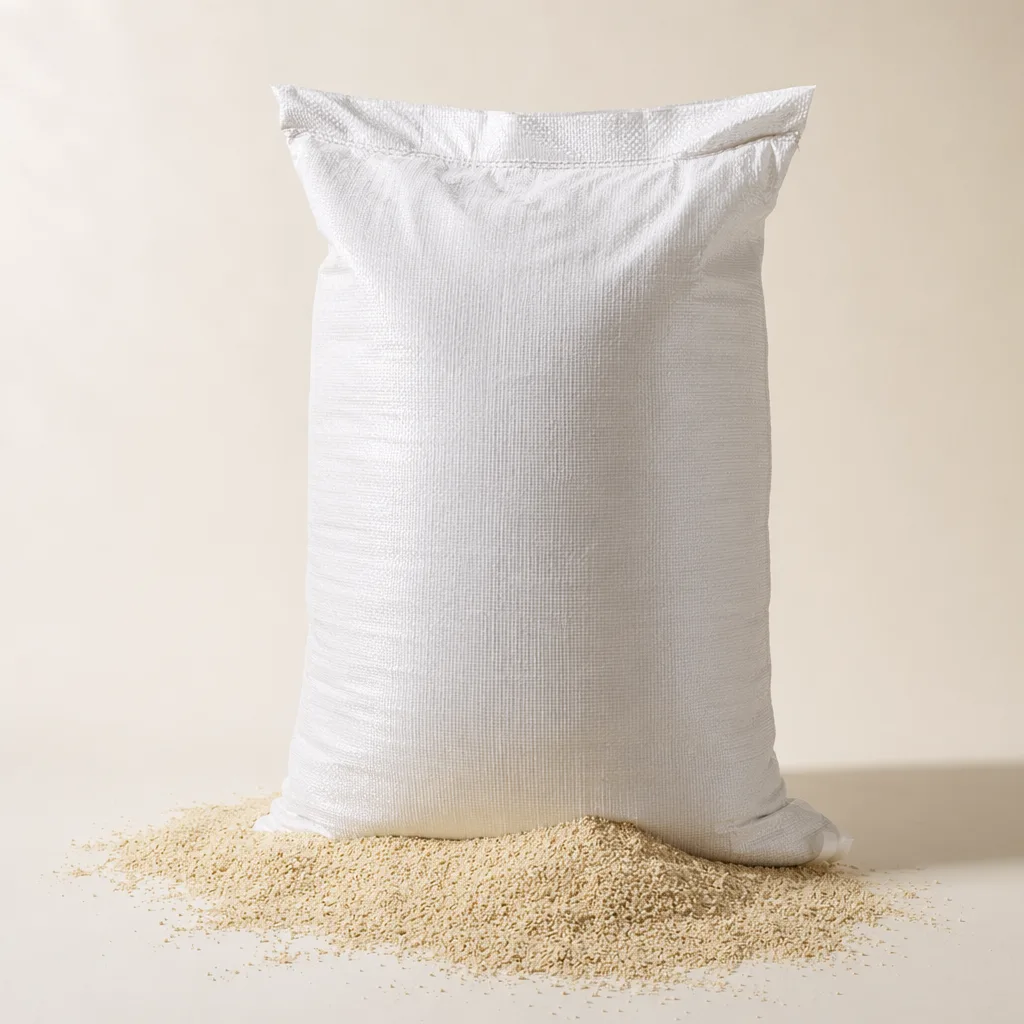
Feed-Grade Yeast Cell Wall for Animal Nutrition
Feed-grade yeast cell wall for livestock, poultry, ruminant, swine, and aquaculture nutrition.
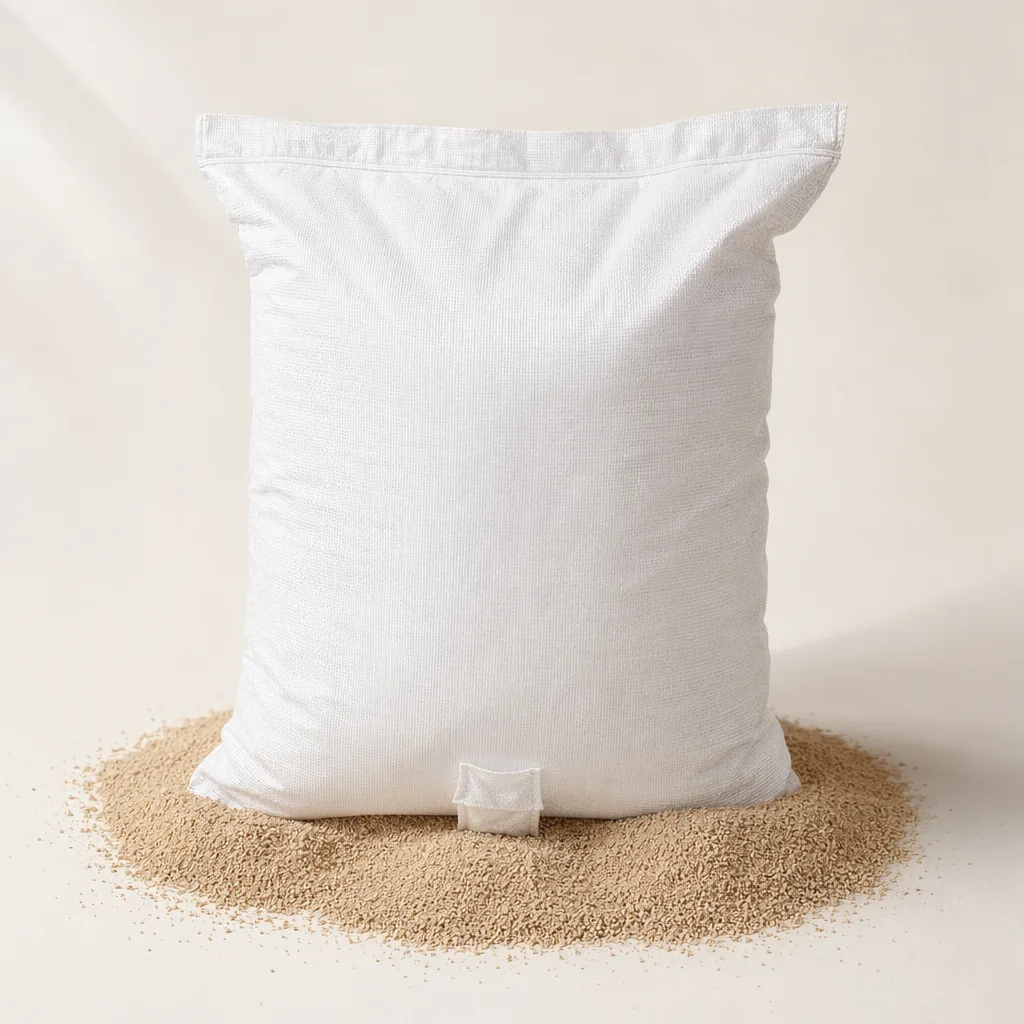
Feed Yeast AGP Alternative for Animal Nutrition
Feed-grade antibiotic(agps) alternative for livestock, poultry, ruminant, swine, and aquaculture nutrition.
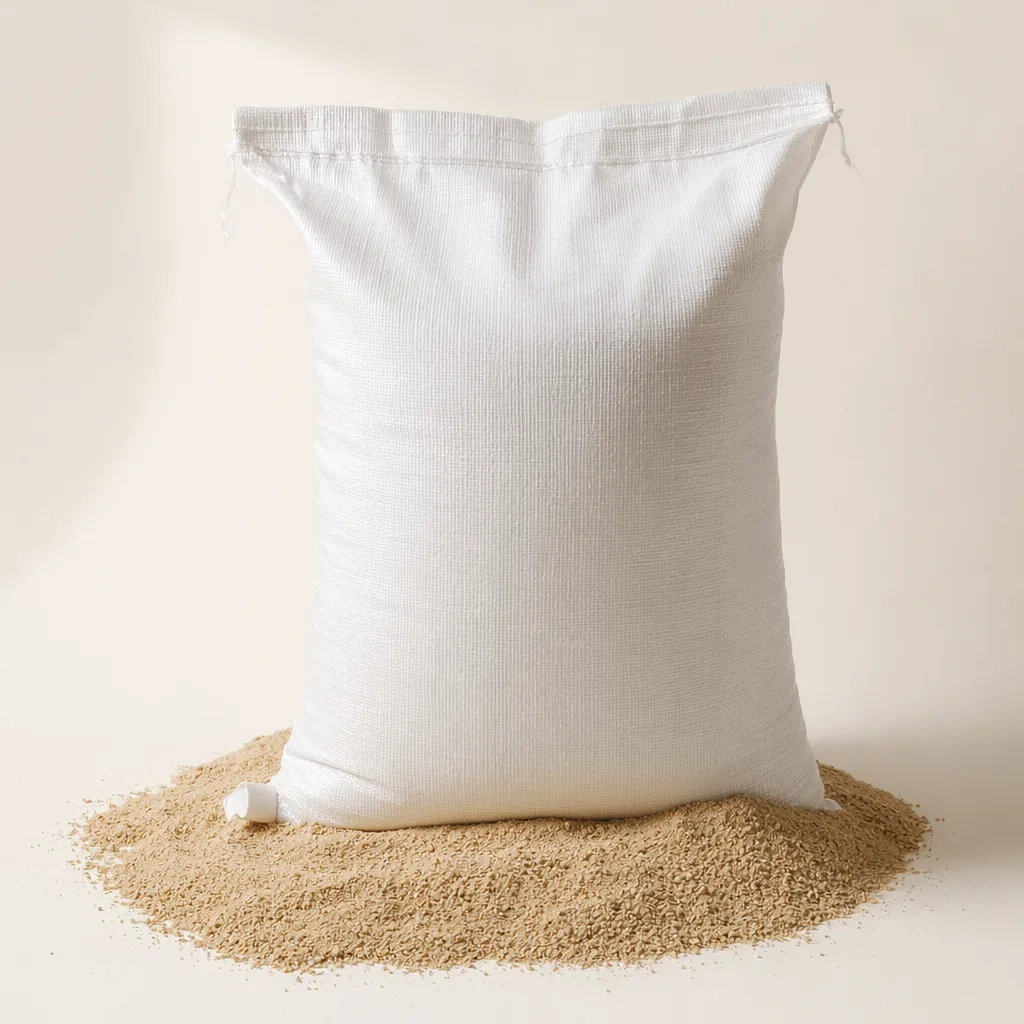
Feed-Grade Mycotoxin Binder for Animal Nutrition
Feed-grade mycotoxin binder for livestock, poultry, ruminant, swine, and aquaculture nutrition.
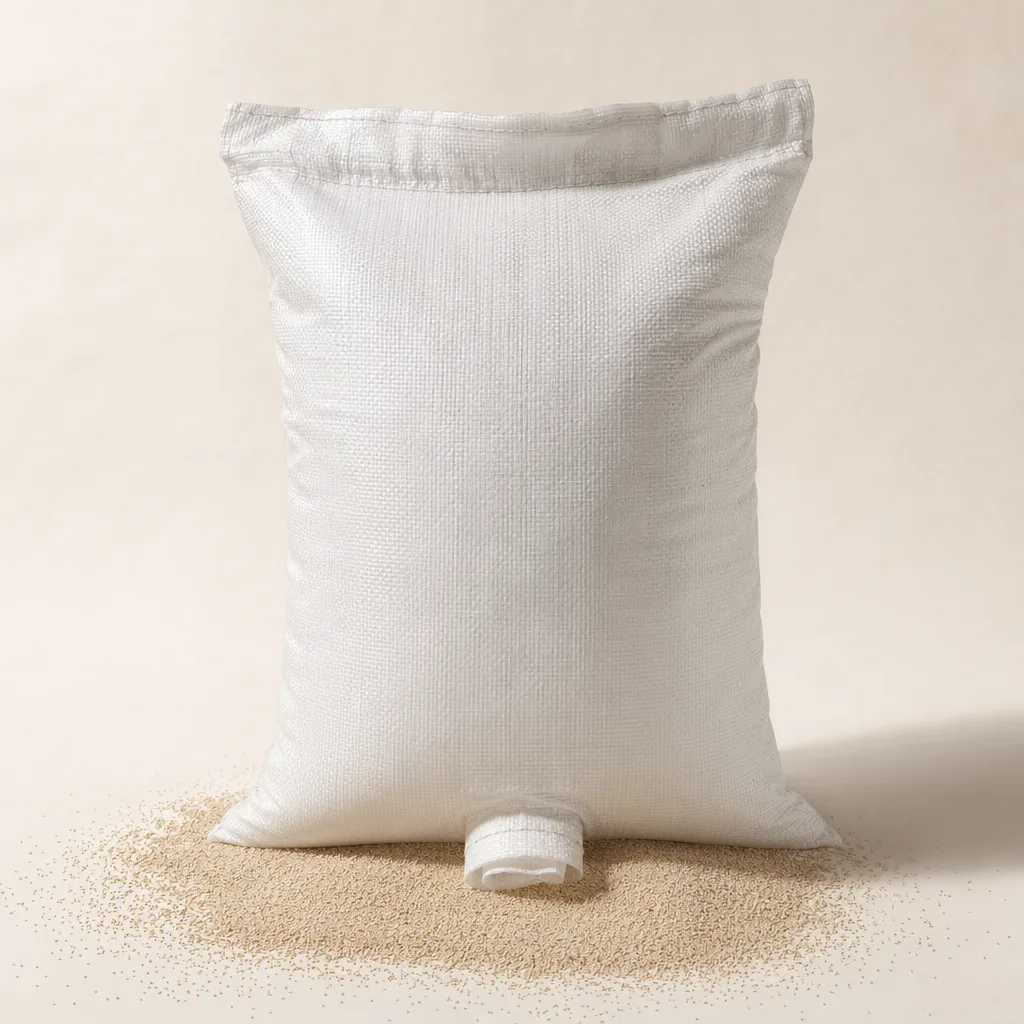
Ruminant Active Dry Yeast for Animal Feed
Feed-grade r+ active dry yeast ruminant for livestock, poultry, ruminant, swine, and aquaculture nutrition.