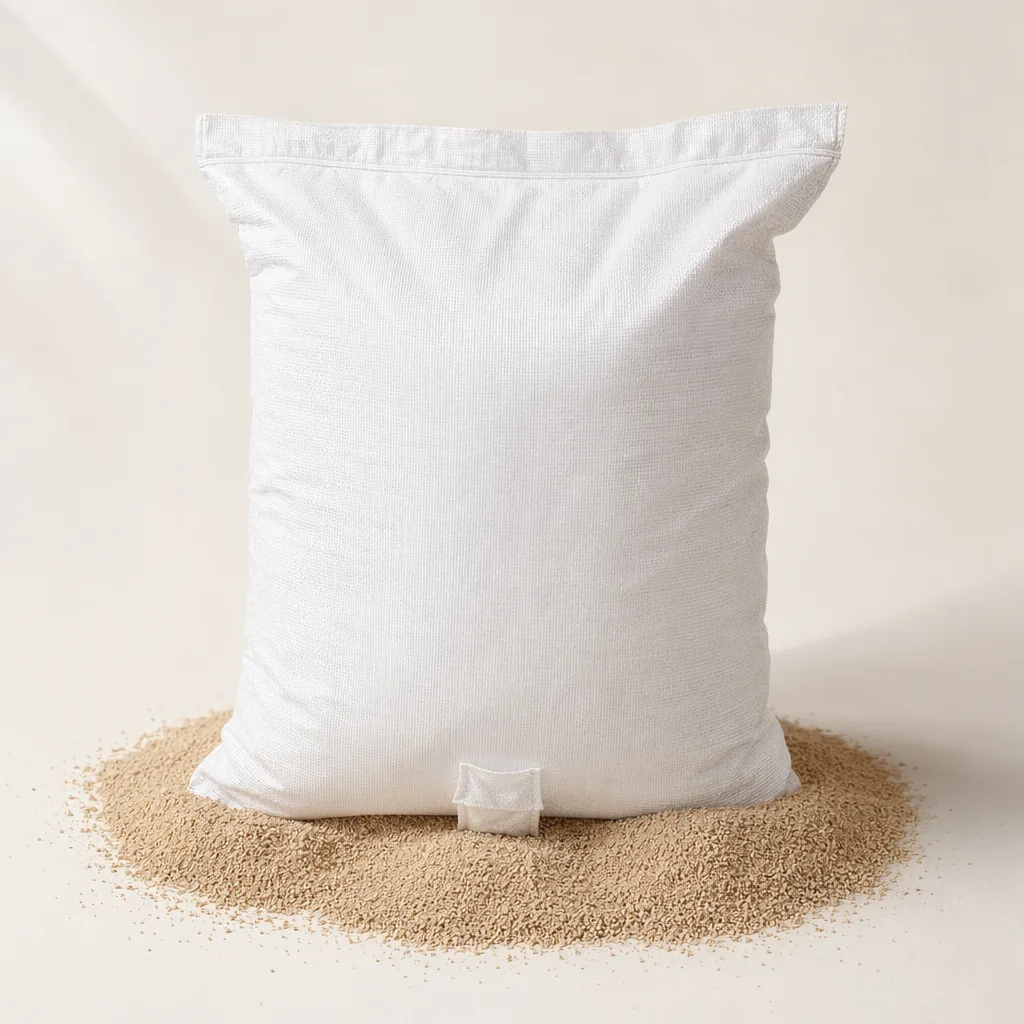
Feed Yeast AGP Alternative
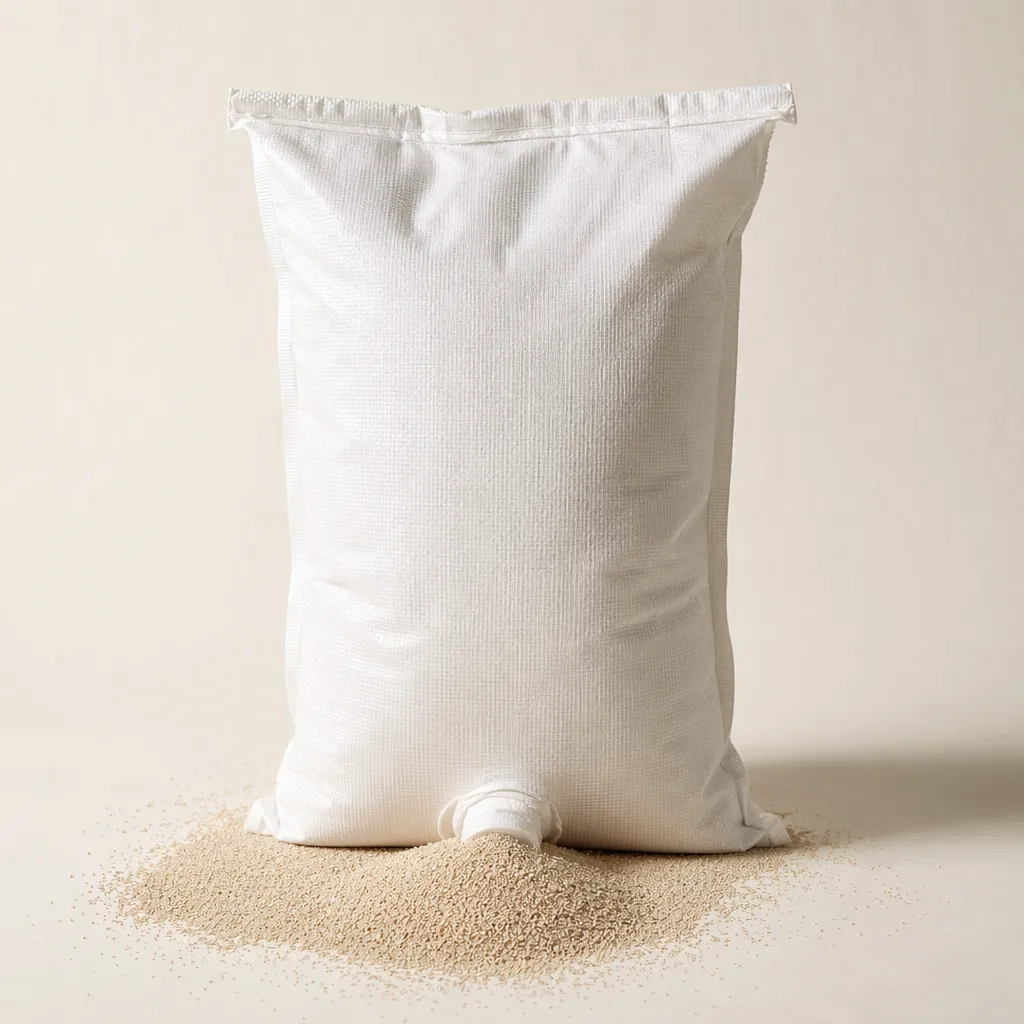
Feed yeast AGP alternative is a non-medicated yeast-derived feed ingredient used to replace or reduce reliance on antibiotic growth promoters in commercial animal nutrition programs. ArtemisYeast supplies ART-AN-002 for livestock, poultry, swine, ruminant, and aquaculture feed manufacturers requiring consistent bulk material in 25 kg woven polypropylene feed sacks. Typical specifications may include low moisture, yeast protein, mannan oligosaccharides, and beta-glucan fractions, with wholesale pricing on request for qualified B2B buyers.
- ✓ Free worldwide shipping
- ✓ ISO-aligned manufacturing
- ✓ Certificate of Analysis on request
- ✓ Bulk & custom volumes quoted on request
Overview
ART-AN-002 is a feed-grade yeast nutrition ingredient designed for premix, concentrate, and complete feed production where nutritionists want a non-medicated alternative to traditional antibiotic growth promoter programs. The product is based on selected yeast biomass and yeast cell wall fractions, providing functional carbohydrates, yeast protein, peptides, nucleotides, minerals, and fermentation-derived flavor notes. It is suitable for feed mills and integrators formulating for broilers, layers, swine, calves, dairy and beef cattle, companion livestock, and aquaculture species.
Indicative release parameters can be aligned to the buyer specification, such as moisture ≤10.0%, crude protein ≥35.0% on dry basis for yeast biomass-rich grades, beta-glucan 15-30%, mannan oligosaccharides 10-25%, ash ≤8.0%, and particle size through 40-80 mesh for uniform dispersion. ART-AN-002 is not positioned as active dry yeast unless a live-yeast variant is ordered; therefore CFU/g is not the default release criterion. Buyers comparing options in animal nutrition yeast can request a tailored technical data sheet for pellet feed, mash feed, premix, or aquatic feed use.
Applications
- Poultry feed: inclusion in broiler starter, grower, finisher, and layer formulas where yeast-derived carbohydrates and palatability support consistent feed intake and ration uniformity.
- Swine nutrition: use in creep feed, nursery diets, sow lactation feed, and grow-finish rations as part of non-medicated performance-oriented feeding strategies.
- Ruminant feed: integration into calf starter, dairy concentrate, beef feedlot supplements, and mineral premixes where yeast nutrients complement fiber- and starch-based diets.
- Aquaculture feed: application in extruded or pelleted feed for fish and shrimp, with attention to water stability, particle size, and compatibility with fishmeal replacement strategies.
- Premix and feed additive blending: dry blending with vitamins, minerals, organic acids, plant extracts, and carrier systems, subject to validation for flowability, segregation risk, and heat exposure during pelleting.
Storage and Handling
ART-AN-002 is supplied in 25 kg woven polypropylene feed sacks suitable for palletized export shipments and warehouse handling. Store in a clean, dry, ventilated area away from direct sunlight, condensation, strong odors, and incompatible chemicals. Recommended storage temperature is below 25°C with relative humidity controlled where possible; short-term ambient transport is normally acceptable when the product remains sealed and dry. Typical shelf life is 18-24 months from manufacture, depending on final specification, packaging, and destination climate.
Keep bags closed after opening and use opened material promptly in accordance with plant hygiene procedures. Feed mills should verify dosing accuracy in micro-ingredient or macro-ingredient systems and confirm mixing uniformity before commercial scale-up. For pelleted feeds, evaluate stability under the buyer’s conditioning temperature, steam time, die configuration, and post-pellet cooling profile. For purchasing and planning, request a bulk quote on request with target inclusion rate, destination port, annual volume, and documentation needs.
Quality and Documentation
ArtemisYeast supplies ART-AN-002 under feed ingredient quality controls covering raw material selection, fermentation-derived ingredient handling, batch traceability, metal detection or screening as applicable, and finished-goods release review. Standard documentation can include certificate of analysis, specification sheet, safety data sheet, allergen statement, non-GMO statement where applicable, feed-grade declaration, packing list, and country-specific export support documents. HACCP-aligned manufacturing information and ISO 22000, FSSC 22000, Halal, or Kosher documentation may be available on request depending on production site and lot.
Common analytical items include moisture, crude protein, ash, beta-glucan, mannan oligosaccharides, particle size, heavy metals, total plate count, yeast and mold, coliforms, Salmonella status, and sensory inspection for color and odor. Final limits should be agreed in the purchasing specification before contract shipment. Visit quality and documentation to understand how ArtemisYeast manages batch files, pre-shipment samples, retained samples, and inquiry-only procurement for international buyers.
Storage & Handling
Refer to the CoA for product-specific storage conditions. Ship cold-chain where required.
Quality & Documentation
Manufactured under ISO-aligned quality management systems. Full documentation — Certificate of Analysis (CoA), Material Safety Data Sheet (MSDS), formulation summary, and stability data — is available on request. Email info@artemisyeast.com with the SKU.
About this product
01 What is the typical shelf life?
02 Do you offer documentation (CoA, food-grade declaration)?
03 What is the minimum order quantity?
04 Is bulk pricing available?
05 How is this product shipped internationally?
More from Animal Nutrition Yeast
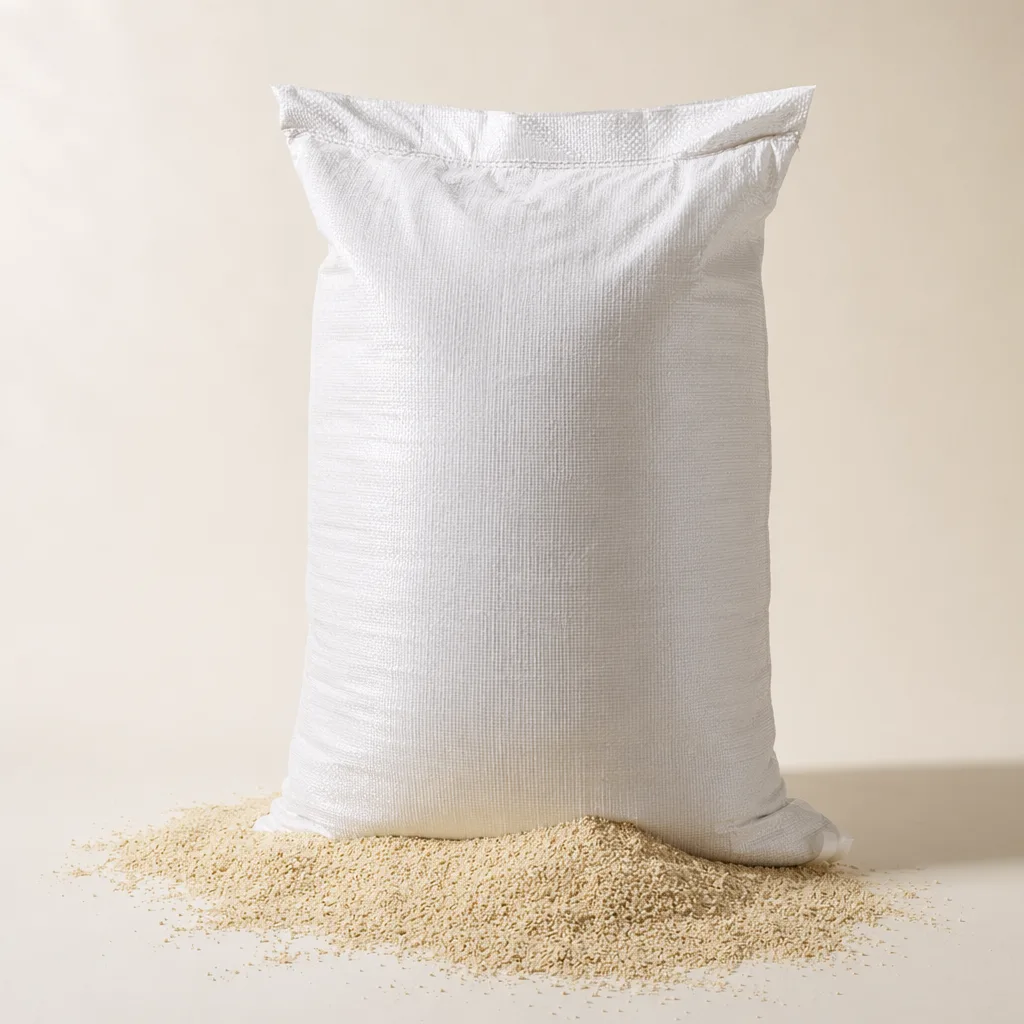
Feed-Grade Yeast Cell Wall for Animal Nutrition
Feed-grade yeast cell wall for livestock, poultry, ruminant, swine, and aquaculture nutrition.
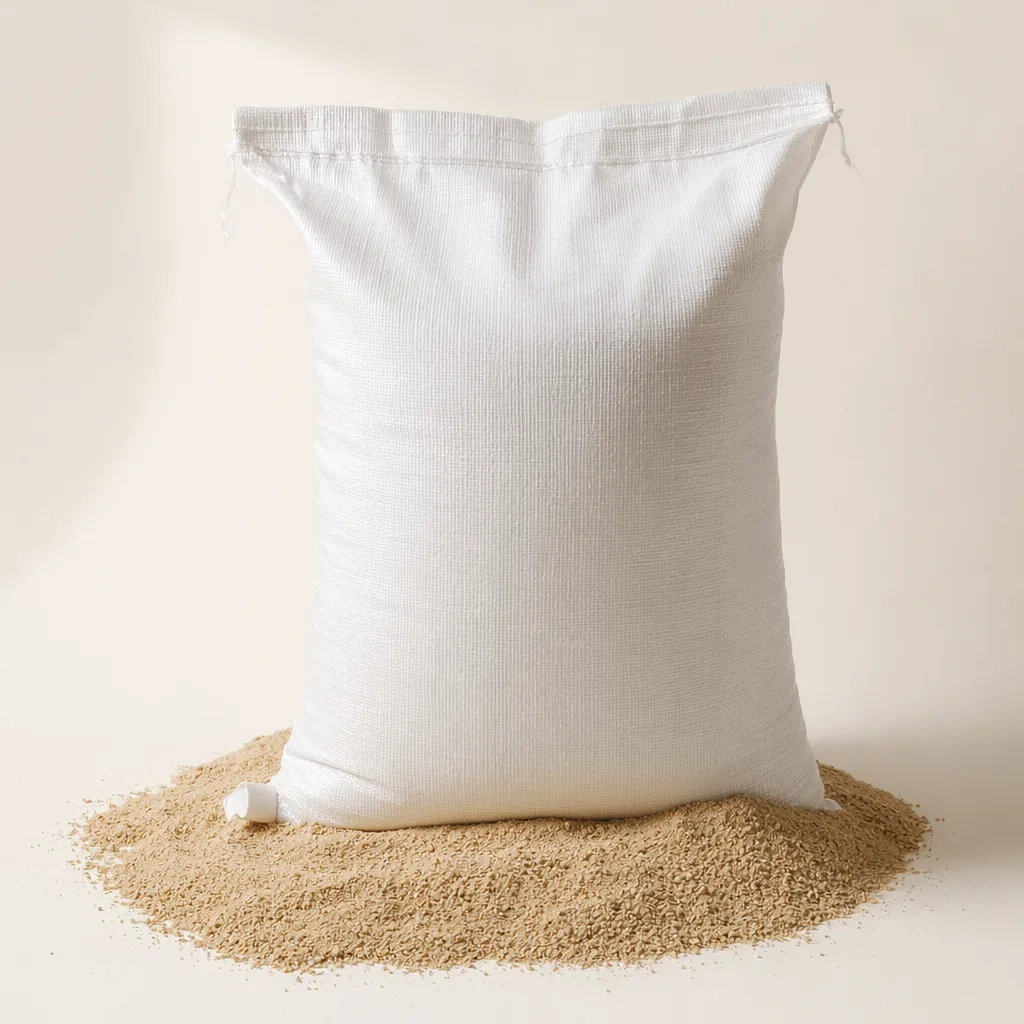
Feed-Grade Mycotoxin Binder for Animal Nutrition
Feed-grade mycotoxin binder for livestock, poultry, ruminant, swine, and aquaculture nutrition.
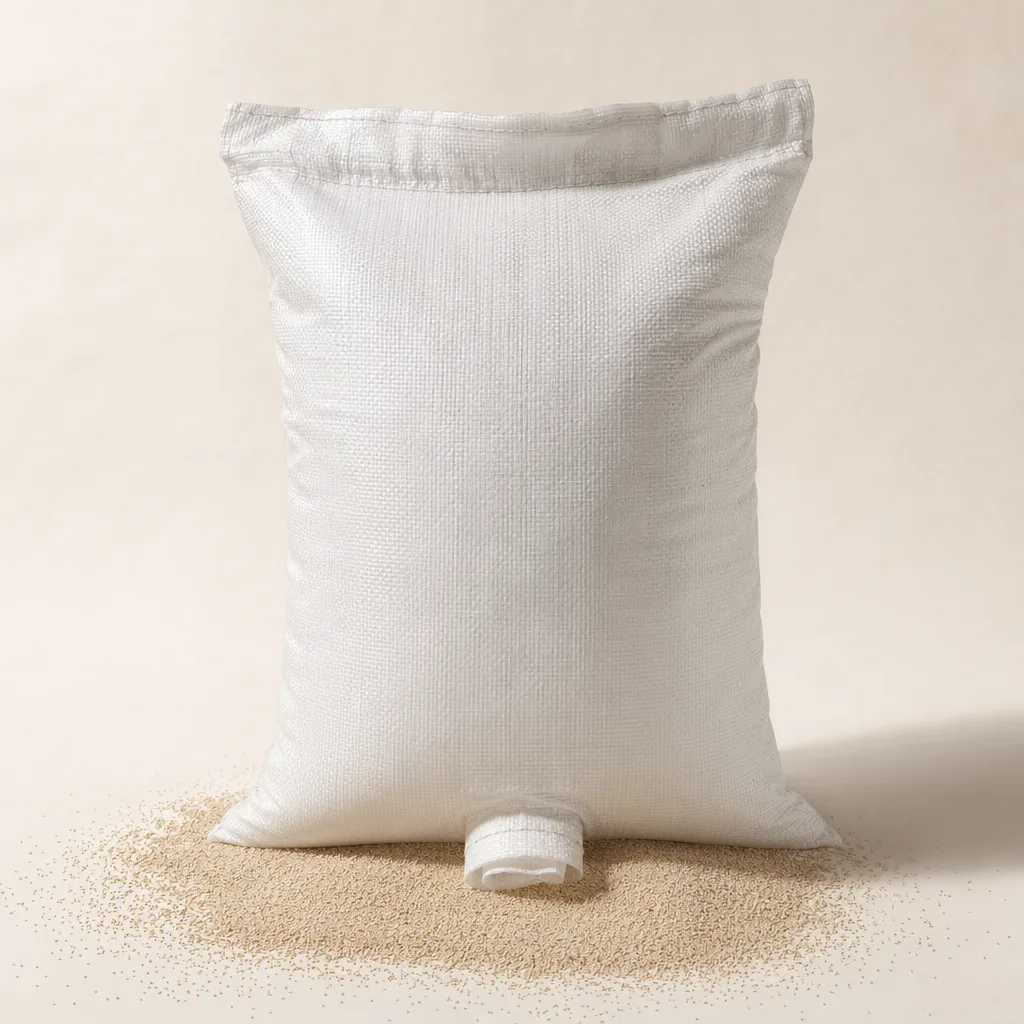
Ruminant Active Dry Yeast for Animal Feed
Feed-grade r+ active dry yeast ruminant for livestock, poultry, ruminant, swine, and aquaculture nutrition.
Ruminant Active Dry Yeast for Feed Manufacturing
Feed-grade r active dry yeast ruminant for livestock, poultry, ruminant, swine, and aquaculture nutrition.