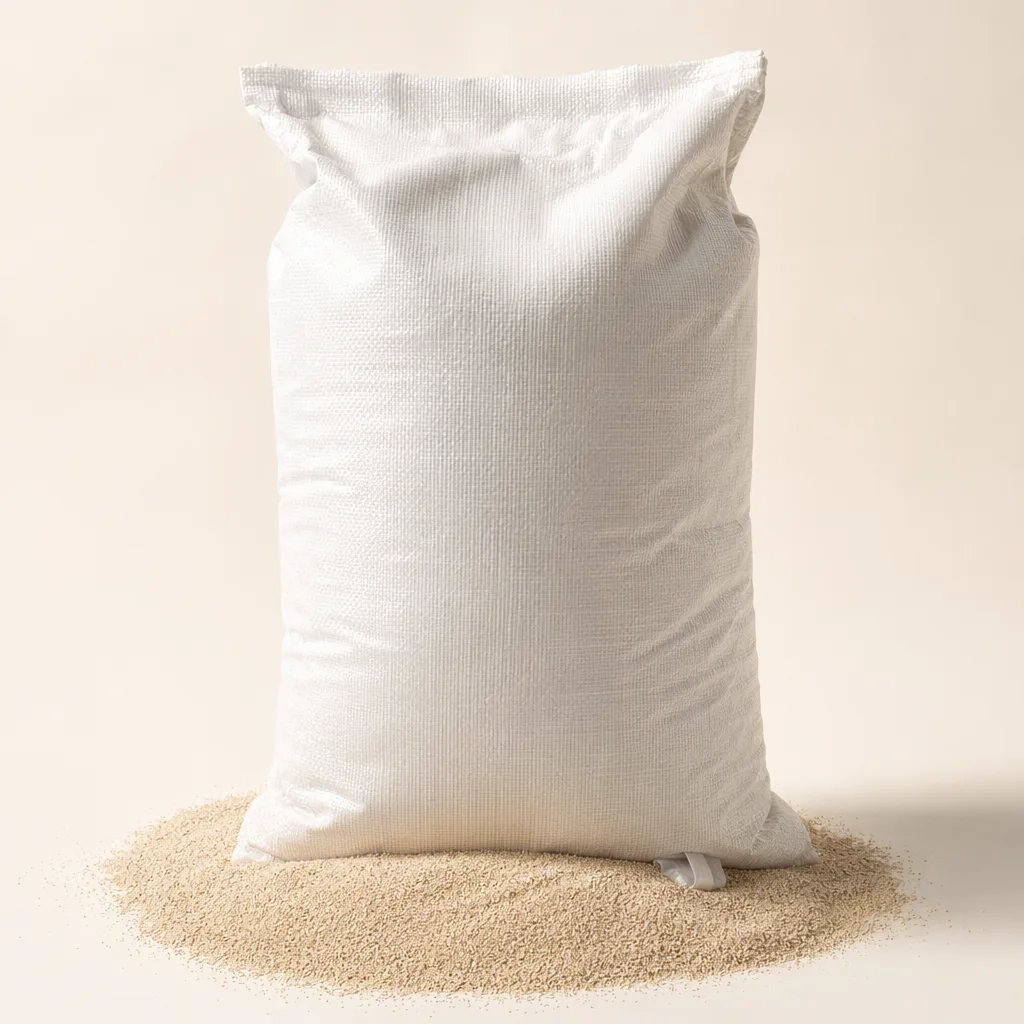
Bacillus Licheniformis for Animal Feed and Aquaculture
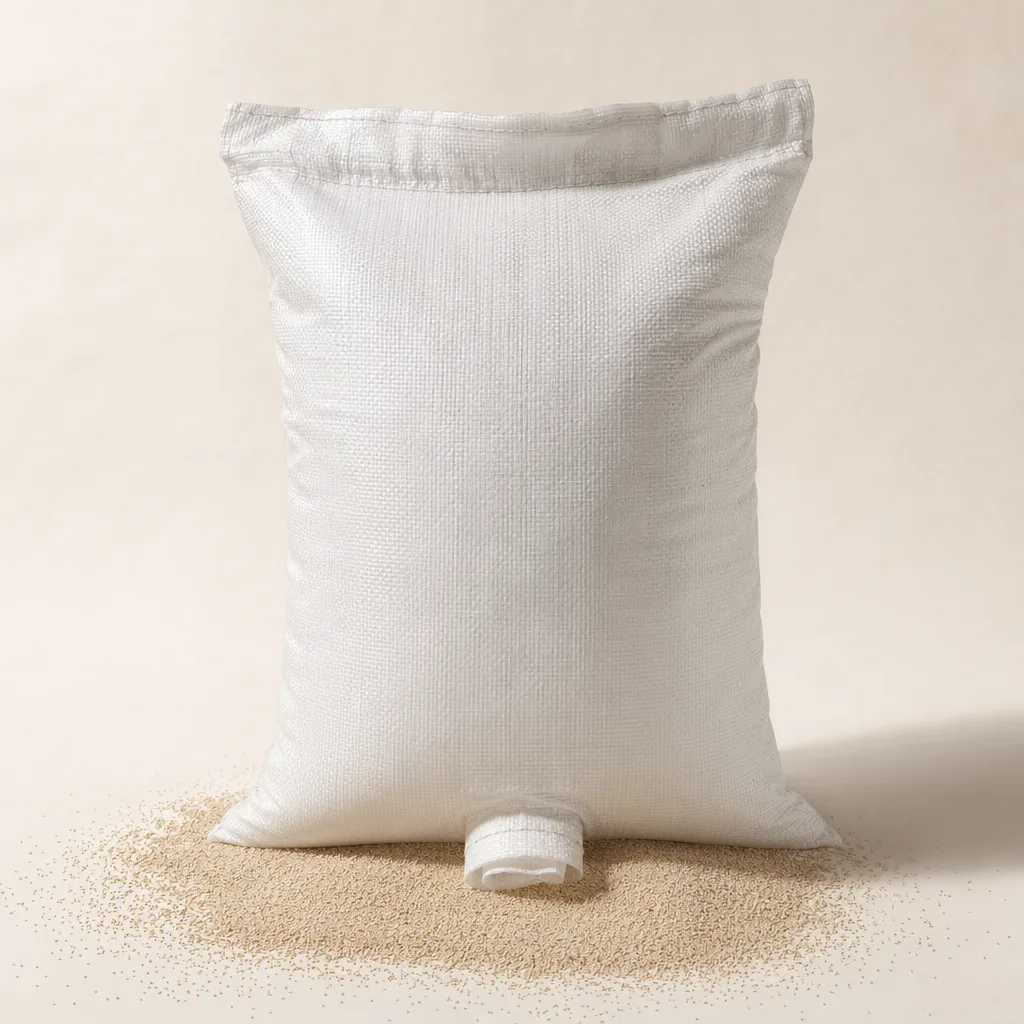
Bacillus licheniformis feed additive is a concentrated, spore-forming bacterial culture used in compound feed, premixes, and aquaculture formulations. ART-AN-051 is supplied for B2B feed operators that require a stable microbial ingredient for livestock, poultry, swine, ruminant, and aquatic species programs. Typical commercial grades are specified by viable count, such as 1.0×10^10 to 2.0×10^10 CFU/g, with low moisture and good mixing behavior. ArtemisYeast supplies 25 kg woven polypropylene feed sacks, with wholesale pricing on request.
- ✓ Free worldwide shipping
- ✓ ISO-aligned manufacturing
- ✓ Certificate of Analysis on request
- ✓ Bulk & custom volumes quoted on request
Overview
ART-AN-051 is a feed-grade Bacillus licheniformis preparation designed for inclusion in dry feed, mineral premixes, concentrates, and aquaculture feed systems. The organism is valued in feed manufacturing because it forms durable spores that tolerate normal handling, storage, and many pelleting environments better than non-spore-forming cultures. It is commonly used by nutritionists and premix plants where a defined viable count, predictable dispersion, and documented lot traceability are required.
Typical specification targets include viable Bacillus licheniformis count of 1.0×10^10 CFU/g or 2.0×10^10 CFU/g by order requirement, moisture not more than 10%, feed-grade carrier, and practical particle distribution for premix blending, often 40 to 80 mesh depending on grade. Bulk buyers can compare this item with related ingredients in our animal nutrition yeast category, including yeast culture, inactive yeast, and yeast cell wall materials used in compound feed design.
Applications
- Aquaculture feed: used in shrimp, fish, and other aquatic feed formulas where nutrition teams require a spore-forming microbial ingredient compatible with extrusion or post-pellet coating processes.
- Poultry feed: suitable for broiler, layer, and breeder premixes, complete feed, and farm-specific concentrate systems where homogeneous micro-ingredient distribution is needed.
- Swine nutrition: applied in nursery, grower, finisher, and sow feed programs as part of a broader feed additive strategy managed by the nutritionist.
- Ruminant feed: used in dairy, beef, calf starter, and mineral premix systems, often alongside yeast-derived ingredients depending on the formulation objective.
- Premix and feed mills: appropriate for toll blenders and integrated feed plants that need lot-coded 25 kg sacks, clear labeling, and scalable procurement. For current availability, request a bulk quote on request with target CFU/g, destination, and annual volume.
Storage and Handling
Store unopened sacks in a cool, dry, ventilated warehouse away from direct sunlight, standing water, strong odors, and chemical contaminants. Recommended storage is below 25 °C when practical, with relative humidity controlled to protect the carrier and maintain free-flowing powder characteristics. Keep bags sealed after opening and use opened material promptly to reduce moisture pickup and cross-contamination risk.
Typical shelf life is 12 to 24 months from manufacture when stored in original packaging under recommended conditions; the confirmed shelf life is stated on the certificate of analysis or lot document. For pelleted feed, final viable recovery depends on conditioning temperature, residence time, pressure, moisture, and whether the culture is added pre-pellet or post-pellet. R&D teams should validate recovery in the actual plant process before finalizing label declarations or guaranteed levels.
Quality and Documentation
ArtemisYeast supplies ART-AN-051 with procurement-grade documentation appropriate for feed manufacturers, distributors, and integrated livestock operators. Lot-specific certificate of analysis can include viable count, appearance, moisture, carrier statement where applicable, production date, shelf life, and microbiological indicators such as total plate count controls and absence targets for relevant pathogens according to the agreed specification.
Manufacturing and supply documentation may include HACCP-aligned controls, ISO 22000, FSSC 22000, Halal, Kosher, feed-grade declaration, non-GMO statement, allergen statement, SDS, and country-of-origin documents where available for the selected grade and plant. Documentation should be confirmed before purchase through our quality documentation team. Specifications can be adjusted by viable count, carrier, mesh profile, and packaging format for repeat wholesale programs.
Storage & Handling
Refer to the CoA for product-specific storage conditions. Ship cold-chain where required.
Quality & Documentation
Manufactured under ISO-aligned quality management systems. Full documentation — Certificate of Analysis (CoA), Material Safety Data Sheet (MSDS), formulation summary, and stability data — is available on request. Email info@artemisyeast.com with the SKU.
About this product
01 What is the typical shelf life?
02 Do you offer documentation (CoA, food-grade declaration)?
03 What is the minimum order quantity?
04 Is bulk pricing available?
05 How is this product shipped internationally?
More from Animal Nutrition Yeast
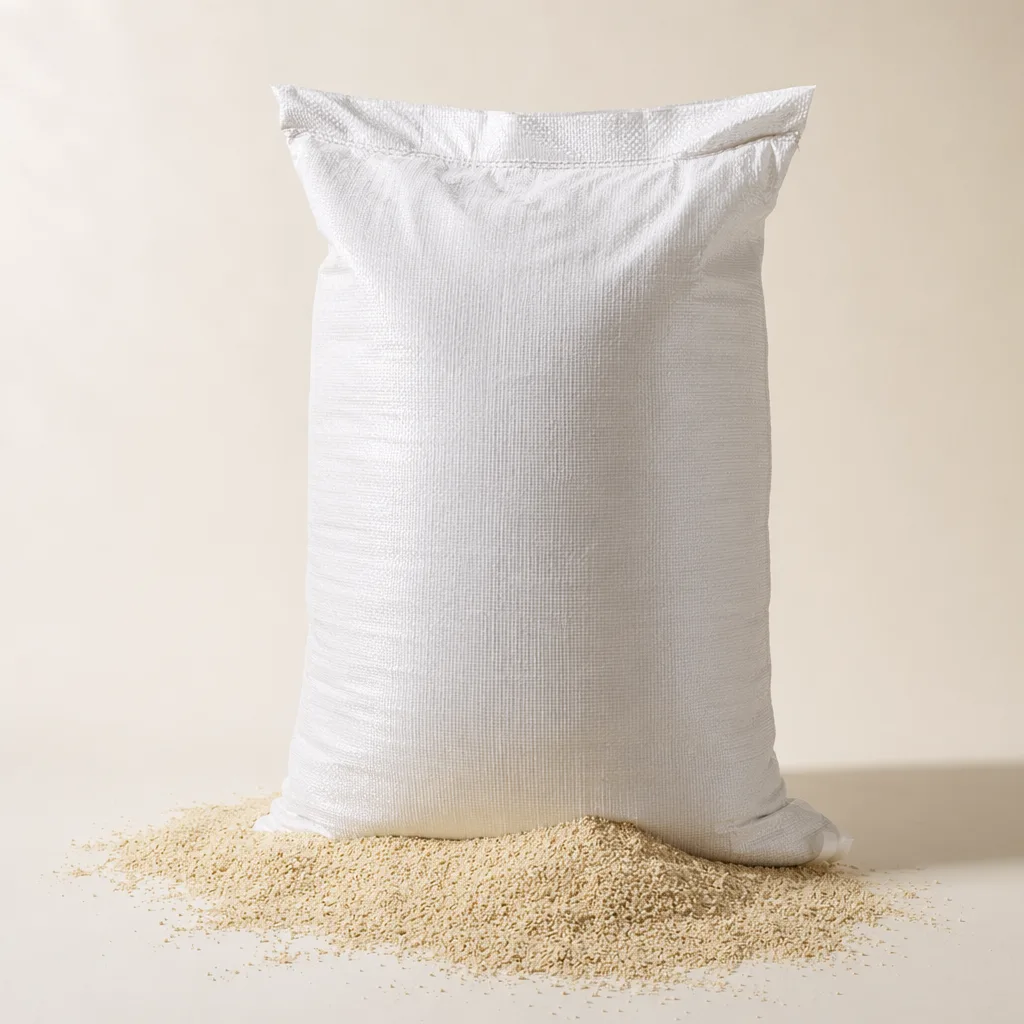
Feed-Grade Yeast Cell Wall for Animal Nutrition
Feed-grade yeast cell wall for livestock, poultry, ruminant, swine, and aquaculture nutrition.
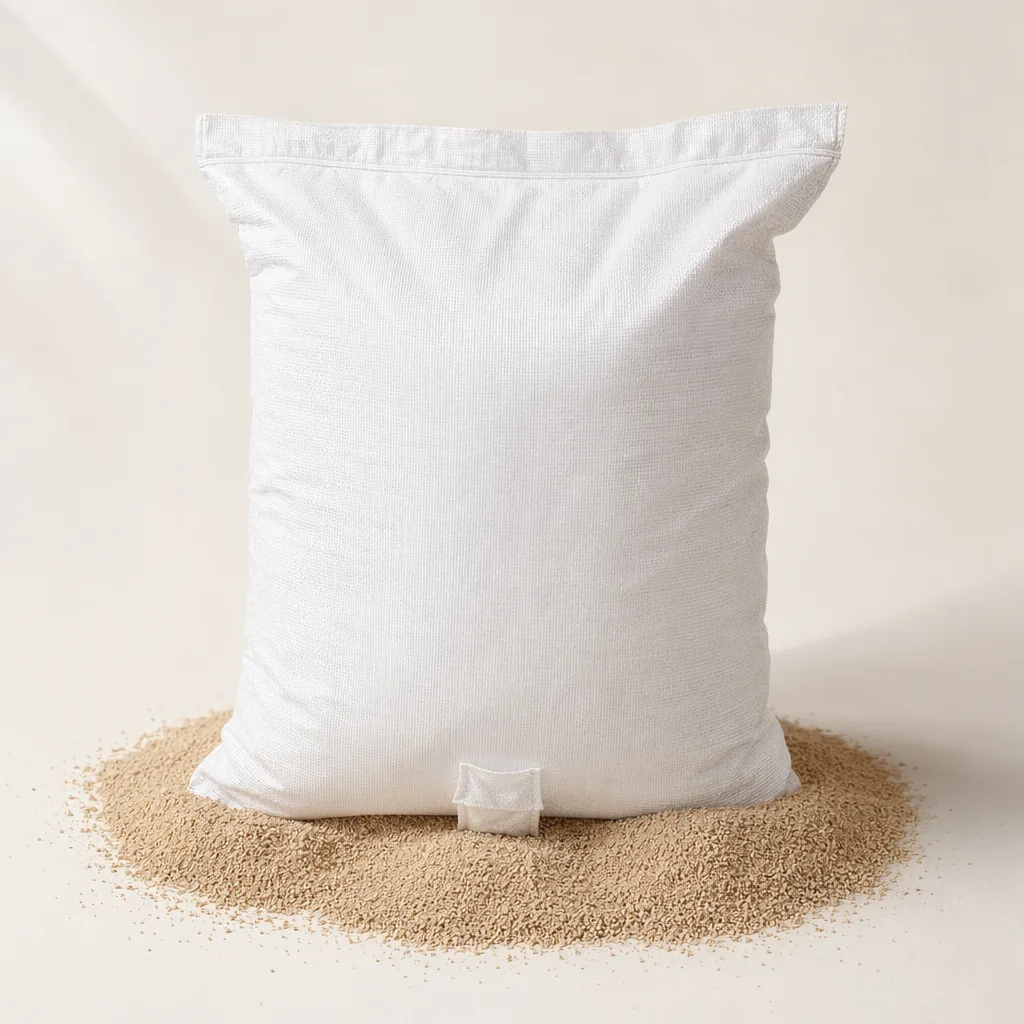
Feed Yeast AGP Alternative for Animal Nutrition
Feed-grade antibiotic(agps) alternative for livestock, poultry, ruminant, swine, and aquaculture nutrition.
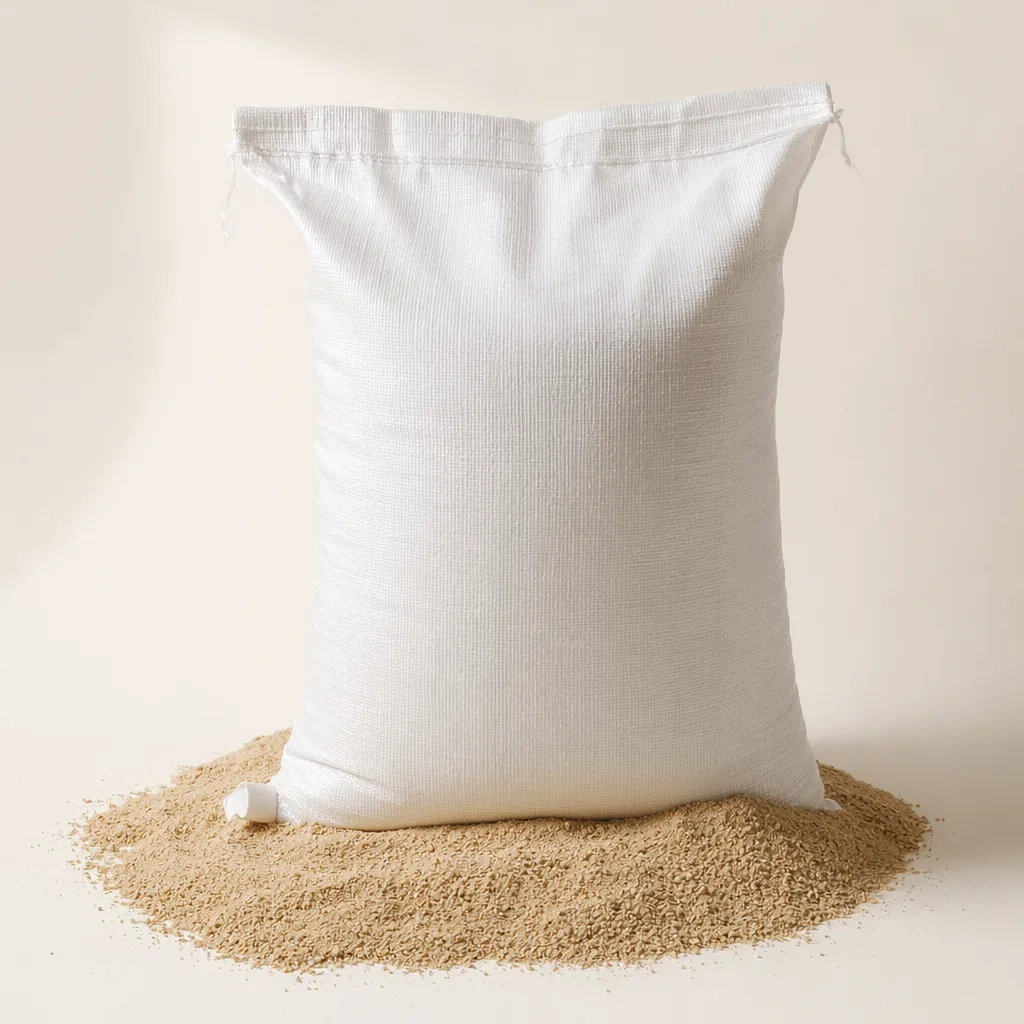
Feed-Grade Mycotoxin Binder for Animal Nutrition
Feed-grade mycotoxin binder for livestock, poultry, ruminant, swine, and aquaculture nutrition.
Ruminant Active Dry Yeast for Animal Feed
Feed-grade r+ active dry yeast ruminant for livestock, poultry, ruminant, swine, and aquaculture nutrition.