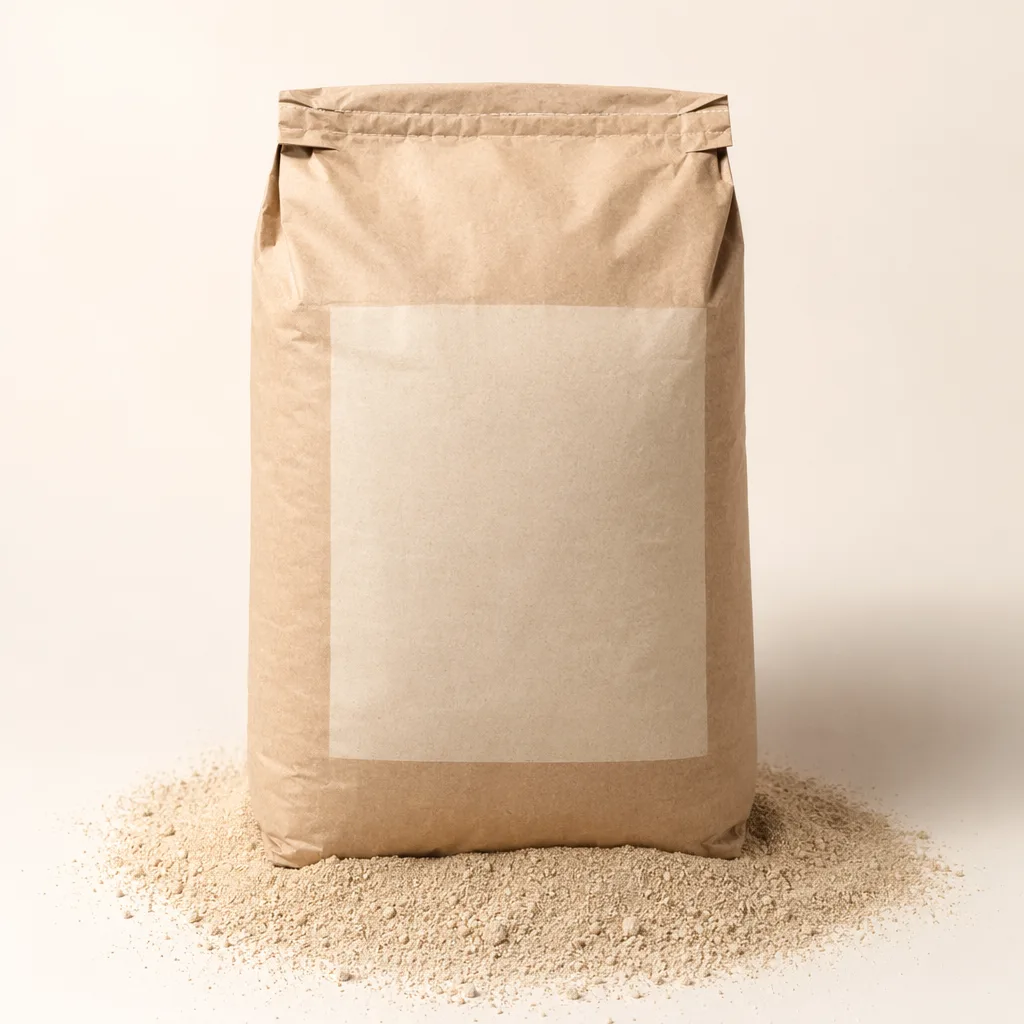
Industrial Cellulase for Bread Baking
Industrial cellulase for bread baking is a food-processing enzyme preparation used to modify cellulose-rich flour fractions, improve dough handling, and support consistent crumb structure in high-throughput bakery lines. ART-EN-030 is supplied for industrial formulation trials and routine production in 25 kg multi-wall sacks. It is also relevant to selected brewing, feed, and biotechnology processing workflows where controlled cellulose hydrolysis is required. Wholesale availability is inquiry-only, with product specifications and a bulk quote on request.
- ✓ Free worldwide shipping
- ✓ ISO-aligned manufacturing
- ✓ Certificate of Analysis on request
- ✓ Bulk & custom volumes quoted on request
Overview
ART-EN-030 is an industrial cellulase enzyme preparation for bakery process optimization and related fermentation-sector applications. Cellulase catalyzes the hydrolysis of beta-1,4-glucan linkages in cellulose and soluble cellulosic materials, producing shorter glucan fragments and reducing the mechanical effect of insoluble plant fiber in dough systems. In bread production, it is commonly evaluated in pan bread, buns, rolls, whole-grain formulations, high-fiber doughs, frozen dough systems, and automated sheeting or dividing lines where flour variability can affect absorption, extensibility, gas retention, and finished loaf consistency.
Typical procurement specifications may include enzyme activity declared by lot, light beige to tan powder appearance, moisture not more than 8%, 80 mesh pass target, and low dust handling grade where available. Practical operating conditions depend on the formulation, but cellulase activity is generally assessed around pH 4.5-6.5 and 35-55°C during mixing, fermentation, and early baking stages before thermal inactivation. This is not a live yeast product and does not carry a CFU/g specification. For adjacent enzyme options, buyers can review the enzymes and fermentation category.
Applications
- Industrial bread baking: supports R&D and plant-scale trials for dough machinability, softness targets, volume consistency, and crumb texture in wheat, whole-wheat, multigrain, and fiber-enriched breads.
- Bun, roll, and sandwich bread lines: used in low-dose enzyme premixes where consistent flour correction and repeatable processing performance are required across shift production.
- Frozen and retarded dough: evaluated to manage dough strength and handling after freeze-thaw or extended fermentation, subject to bakery validation and local labeling rules.
- Brewing and cereal processing: may be used in adjunct or grain processing trials where controlled cell wall breakdown can improve slurry flow or extract release.
- Feed and biotechnology processing: applicable to non-therapeutic biomass treatment, plant-fiber modification, and fermentation feedstock preparation where cellulolytic activity is specified.
Storage and Handling
Store ART-EN-030 in the original sealed 25 kg multi-wall sack in a cool, dry, ventilated warehouse, typically below 25°C and away from direct sunlight, condensation, strong odors, and oxidizing chemicals. Protect from moisture after opening; reseal inner liners promptly and use opened material according to plant hygiene procedures. A typical shelf life target is 12-24 months from manufacture when stored unopened under recommended conditions, with the confirmed retest or expiry date stated on the lot certificate.
As with powdered enzyme preparations, avoid dust generation and inhalation during weighing, premix preparation, and hopper charging. Use local exhaust ventilation where appropriate and follow the safety data sheet for personal protective equipment. Bakery usage level should be determined by flour type, desired dough behavior, process time, and interaction with other improvers such as amylase, xylanase, oxidants, emulsifiers, gluten, or yeast nutrition components.
Quality and Documentation
ArtemisYeast supplies ART-EN-030 for B2B buyers that require lot-level traceability, specification review, and import-ready documentation. Available documents may include certificate of analysis, technical data sheet, safety data sheet, allergen statement, food-grade declaration, non-GMO status where applicable, and country-of-origin information. HACCP-aligned manufacturing records and food-safety system documentation such as ISO 22000, FSSC 22000, Halal, or Kosher may be provided when available for the selected production lot; confirm requirements before ordering.
Procurement teams can request activity units, carrier information, microbiological limits, heavy metal limits, packaging photos, pallet configuration, and sample support for pilot baking. Visit quality and documentation for the review process, or submit specifications through request a quote. Wholesale pricing on request is based on annual volume, destination, documentation package, lead time, and whether the order is for sampling, trial production, or recurring container supply.
Storage & Handling
Refer to the CoA for product-specific storage conditions. Ship cold-chain where required.
Quality & Documentation
Manufactured under ISO-aligned quality management systems. Full documentation — Certificate of Analysis (CoA), Material Safety Data Sheet (MSDS), formulation summary, and stability data — is available on request. Email info@artemisyeast.com with the SKU.
About this product
01 What is the typical shelf life?
02 Do you offer documentation (CoA, food-grade declaration)?
03 What is the minimum order quantity?
04 Is bulk pricing available?
05 How is this product shipped internationally?
More from Enzymes & Fermentation Inputs

Protein and Nucleic Acid Processing Enzyme Powder
Industrial enzyme — protein & nucleic acid processing for food, feed, brewing, and biotechnology processing.
Industrial Alpha-Amylase Enzyme for Starch Processing
Industrial enzyme — α- amylase for food, feed, brewing, and biotechnology processing.
β-Glucanase Enzyme for Brewing, Baking and Feed
Industrial enzyme — β-glucanase for food, feed, brewing, and biotechnology processing.
β-Mannanase Enzyme for Food, Feed, and Brewing
Industrial enzyme — β-mannanase for food, feed, brewing, and biotechnology processing.