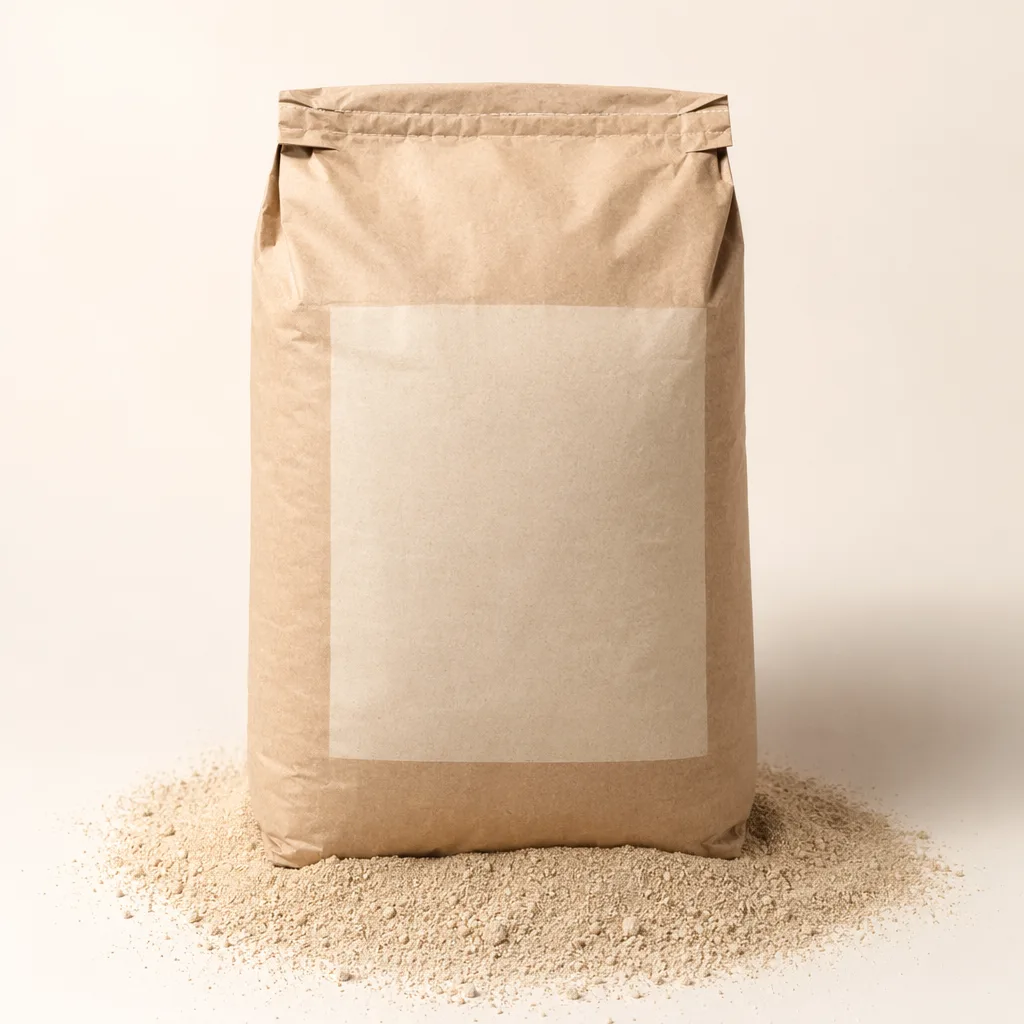
Cellulase for Craft Brewing
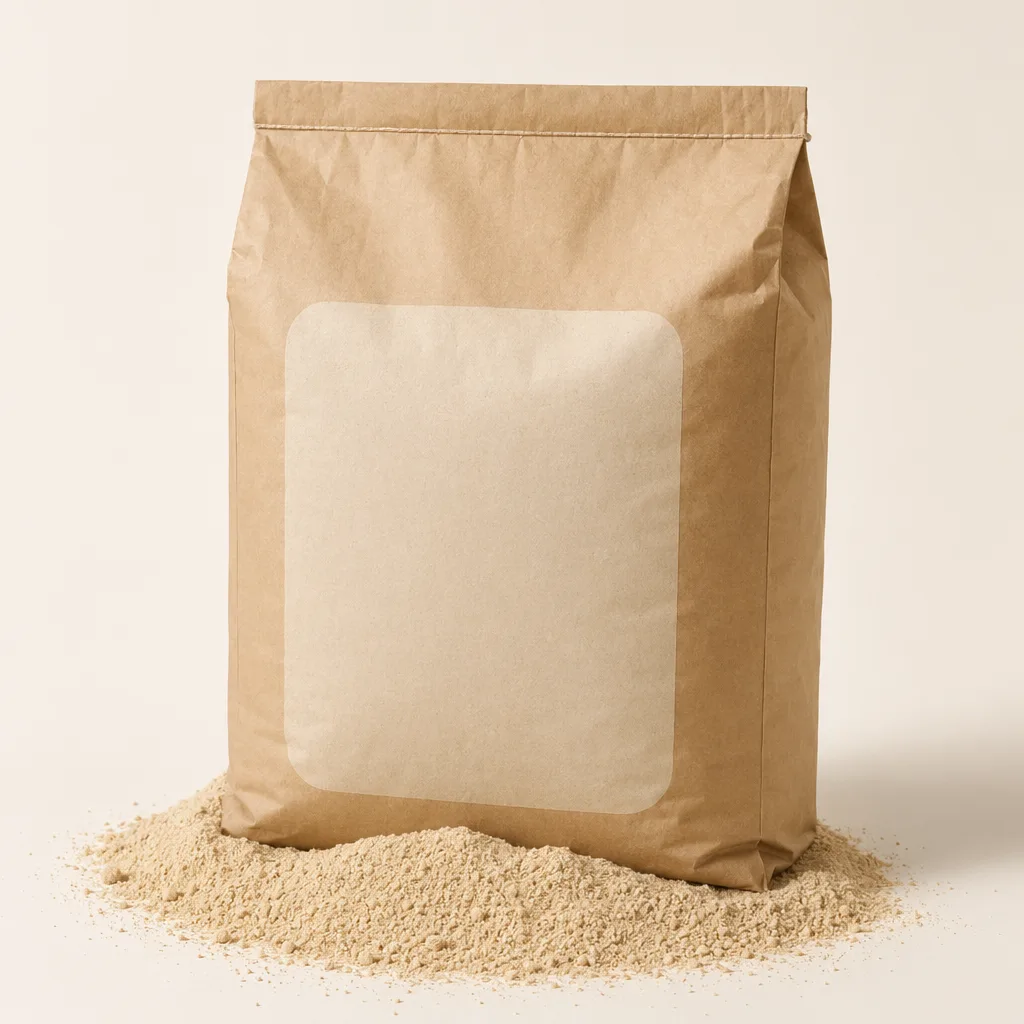
Cellulase for craft brewing is a food-grade enzyme preparation used to hydrolyze cellulose-rich plant material during mashing, adjunct processing, and wort separation. ArtemisYeast supplies ART-EN-031 for breweries and fermentation processors that need consistent enzyme performance, export-ready packing, and batch documentation. This product is offered in 25 kg multi-wall sacks for production use, with wholesale pricing on request through our bulk inquiry channel.
- ✓ Free worldwide shipping
- ✓ ISO-aligned manufacturing
- ✓ Certificate of Analysis on request
- ✓ Bulk & custom volumes quoted on request
Overview
ART-EN-031 is an industrial cellulase enzyme for craft brewing applications where cereal adjuncts, fruit bases, botanicals, or other plant-derived raw materials contribute insoluble fiber and processing viscosity. The enzyme system catalyzes the breakdown of cellulose chains into shorter soluble fractions, supporting more efficient mash handling, extract release, and filtration when used within the recommended process window. It is suitable for breweries evaluating enzyme-assisted processing alongside other products in the enzymes fermentation category.
Typical supply format is a free-flowing light tan to brown powder or granulate in a 25 kg multi-wall sack with liner. Final activity is controlled by specification and confirmed on the certificate of analysis; common commercial grades may be standardized by cellulase activity units per gram, with moisture typically not more than 8.0%. Expected processing conditions are mildly acidic to near-neutral brewing environments, with best performance commonly observed around pH 4.0-5.5 and 45-60 °C, depending on grade, substrate, and contact time. Particle size, carrier system, and activity target can be aligned during procurement review for pilot or plant-scale use.
Applications
- Craft beer mashing: Supports processing of high-fiber grists, specialty grains, and adjunct recipes where cellulose-rich fractions can slow lautering or reduce extract access.
- Adjunct and botanical preparation: Used in controlled pre-treatment of cereal adjuncts, fruit materials, herbs, and plant infusions before kettle, fermentation, or blending operations.
- Wort separation and filterability: Can help reduce insoluble fiber load and improve slurry manageability when validated against the brewery’s mash schedule, filter type, and turbidity targets.
- Fermentation ingredient processing: Applicable to non-brewing fermentation plants using plant substrates where cellulose modification supports downstream mixing, pumping, or separation.
- R&D and scale-up: Suitable for food scientists and head brewers comparing dosage curves, residence time, extract yield, and sensory neutrality before full production adoption.
Recommended starting dosage must be confirmed by trial because raw material composition varies widely. Procurement teams should request grade, activity, carrier, allergen statement, and regulatory documentation before purchase approval. For recipes using multiple enzymes, compatibility with protease, amylase, pectinase, or beta-glucanase systems should be validated in the customer’s process.
Storage and Handling
Store sealed sacks in a cool, dry, ventilated warehouse, away from direct sunlight, high humidity, steam lines, and strong odors. Recommended storage is typically below 25 °C, with short excursions acceptable when the product remains dry and sealed. Under recommended storage, typical shelf life is 12-24 months from manufacture, subject to grade and activity retention limits stated on the CoA.
Handle as a concentrated enzyme preparation. Avoid dust generation during weighing, transfer, and charging; use local exhaust, gloves, eye protection, and a suitable dust mask or respirator where airborne powder may occur. Reseal partly used sacks promptly and keep tools dry to avoid clumping or activity loss. Do not add directly to boiling wort; excessive heat will inactivate enzyme activity. Dose into the defined mash, adjunct cook, or pre-treatment stage after verifying temperature and pH.
Quality and Documentation
ART-EN-031 is supplied for professional food, brewing, feed, and biotechnology processing, not retail repacking without a customer’s own compliance review. Standard quality checks may include appearance, odor, moisture, enzyme activity, mesh or flow characteristics, microbiological limits, and heavy metal screening according to the agreed specification. Typical microbiological documentation can include total plate count, yeast and mold, coliforms, Escherichia coli, and Salmonella status, depending on grade and destination requirements.
Batch-specific CoA, specification sheet, SDS, allergen statement, non-GMO statement when applicable, and food-grade declaration are available on request. HACCP-aligned manufacturing information and documentation for ISO 22000, FSSC 22000, Halal, or Kosher status can be provided where available for the selected grade; review current documents through our quality documentation process. ArtemisYeast supports bulk quote on request, export palletization, and procurement coordination for breweries moving from bench validation to recurring supply.
Storage & Handling
Refer to the CoA for product-specific storage conditions. Ship cold-chain where required.
Quality & Documentation
Manufactured under ISO-aligned quality management systems. Full documentation — Certificate of Analysis (CoA), Material Safety Data Sheet (MSDS), formulation summary, and stability data — is available on request. Email info@artemisyeast.com with the SKU.
About this product
01 What is the typical shelf life?
02 Do you offer documentation (CoA, food-grade declaration)?
03 What is the minimum order quantity?
04 Is bulk pricing available?
05 How is this product shipped internationally?
More from Enzymes & Fermentation Inputs
Protein and Nucleic Acid Processing Enzyme Powder
Industrial enzyme — protein & nucleic acid processing for food, feed, brewing, and biotechnology processing.
Industrial Alpha-Amylase Enzyme for Starch Processing
Industrial enzyme — α- amylase for food, feed, brewing, and biotechnology processing.
β-Glucanase Enzyme for Brewing, Baking and Feed
Industrial enzyme — β-glucanase for food, feed, brewing, and biotechnology processing.
β-Mannanase Enzyme for Food, Feed, and Brewing
Industrial enzyme — β-mannanase for food, feed, brewing, and biotechnology processing.