β-Glucanase Feed Enzyme for Livestock
β-Glucanase for animal feed is an industrial carbohydrase enzyme that hydrolyzes beta-glucans in cereal-based livestock rations. ArtemisYeast supplies ART-EN-026 as an inquiry-only bulk enzyme ingredient for feed mills, premix manufacturers, integrators, and nutrition R&D teams working with barley, oats, rye, wheat, and mixed-grain formulas. The product is supplied in 25 kg multi-wall sacks, with wholesale pricing on request and lot-specific documentation available for specification review through bulk quote on request.
- ✓ Free worldwide shipping
- ✓ ISO-aligned manufacturing
- ✓ Certificate of Analysis on request
- ✓ Bulk & custom volumes quoted on request
Overview
ART-EN-026 is a powdered β-glucanase preparation designed for industrial feed use where soluble and insoluble beta-glucans can affect mash handling, pellet conditioning, and nutrient matrix calculations. The enzyme cleaves β-1,3 and β-1,4 glucosidic linkages in cereal cell-wall polysaccharides, reducing substrate complexity before or during feed processing. It is commonly specified for poultry, swine, ruminant, and aquaculture feed programs that use barley, oats, rye, triticale, wheat by-products, or other glucan-containing raw materials.
Typical commercial specifications may include activity options such as 10,000 to 50,000 U/g, moisture not more than 10%, light tan to brown powder appearance, carrier based on food or feed-compatible excipients, and 95% passing 40 mesh or finer, depending on the selected grade. This is not a live yeast product and does not carry a CFU/g specification. For related process enzyme options, see enzymes and fermentation ingredients.
Applications
- Compound feed manufacturing: inclusion in premix or complete feed formulas for cereal-heavy rations where beta-glucan substrate reduction is required by the nutrition matrix.
- Livestock and poultry nutrition: use in broiler, layer, turkey, piglet, grower-finisher, dairy, beef, and small-ruminant feed systems, subject to the nutritionist’s formulation target and local feed regulations.
- Pelleting and mash systems: compatible with dry blending and post-grinding addition. For high-temperature conditioning, thermostable grade selection and process validation are recommended.
- Premix and additive blending: suitable for vitamin-mineral premix operations when dust control, segregation control, and enzyme overage are managed in the plant’s standard operating procedures.
- R&D and procurement qualification: available for comparative testing against existing enzyme matrices, with bulk quote on request via ArtemisYeast inquiry support.
Storage and Handling
Store unopened sacks in a cool, dry, well-ventilated warehouse, typically below 25°C and away from direct sunlight, high humidity, steam lines, and strong odors. Recommended shelf life is normally 12 to 24 months from manufacture when retained in original packaging; the confirmed date is stated on the lot certificate or product label. Reseal opened bags promptly and use first-in, first-out inventory rotation.
As with other powdered feed additives, avoid unnecessary dust generation during weighing and transfer. Operators should use local exhaust, gloves, eye protection, and respiratory protection as required by the site safety assessment and SDS.
Quality and Documentation
ArtemisYeast supplies ART-EN-026 for B2B qualification with lot-based documentation. Available documents may include certificate of analysis, technical data sheet, safety data sheet, allergen statement, feed-grade declaration, country-of-origin details, and packaging photos. Microbiological, heavy metal, and activity testing can be specified by project where required for import clearance or customer approval.
Manufacturing and packing are controlled under documented food or feed safety systems. HACCP-aligned information and site certificates such as ISO 22000, FSSC 22000, Halal, or Kosher may be provided when available for the producing site and lot. Review documentation options at quality and compliance support before purchase approval.
Storage & Handling
Refer to the CoA for product-specific storage conditions. Ship cold-chain where required.
Quality & Documentation
Manufactured under ISO-aligned quality management systems. Full documentation — Certificate of Analysis (CoA), Material Safety Data Sheet (MSDS), formulation summary, and stability data — is available on request. Email info@artemisyeast.com with the SKU.
About this product
01 What is the typical shelf life?
02 Do you offer documentation (CoA, food-grade declaration)?
03 What is the minimum order quantity?
04 Is bulk pricing available?
05 How is this product shipped internationally?
More from Enzymes & Fermentation Inputs

Protein and Nucleic Acid Processing Enzyme Powder
Industrial enzyme — protein & nucleic acid processing for food, feed, brewing, and biotechnology processing.
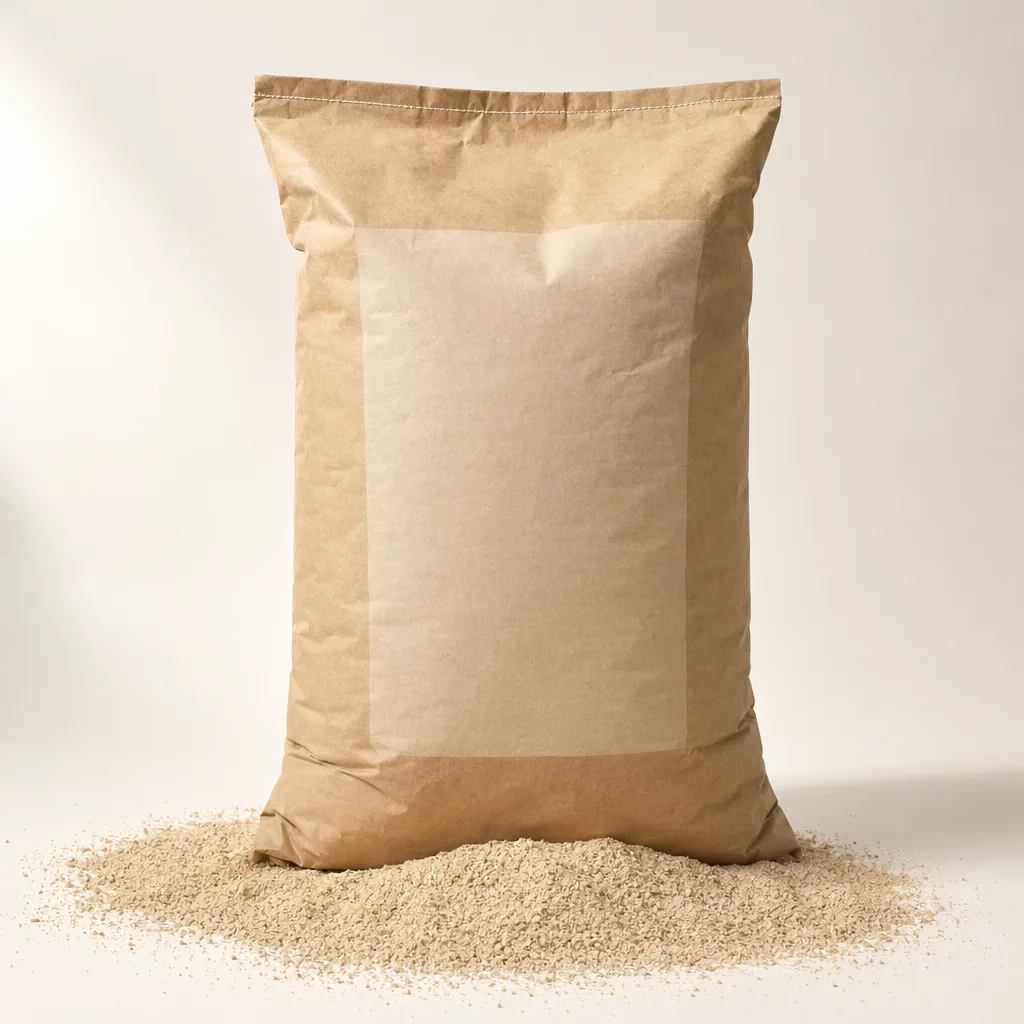
Industrial Alpha-Amylase Enzyme for Starch Processing
Industrial enzyme — α- amylase for food, feed, brewing, and biotechnology processing.
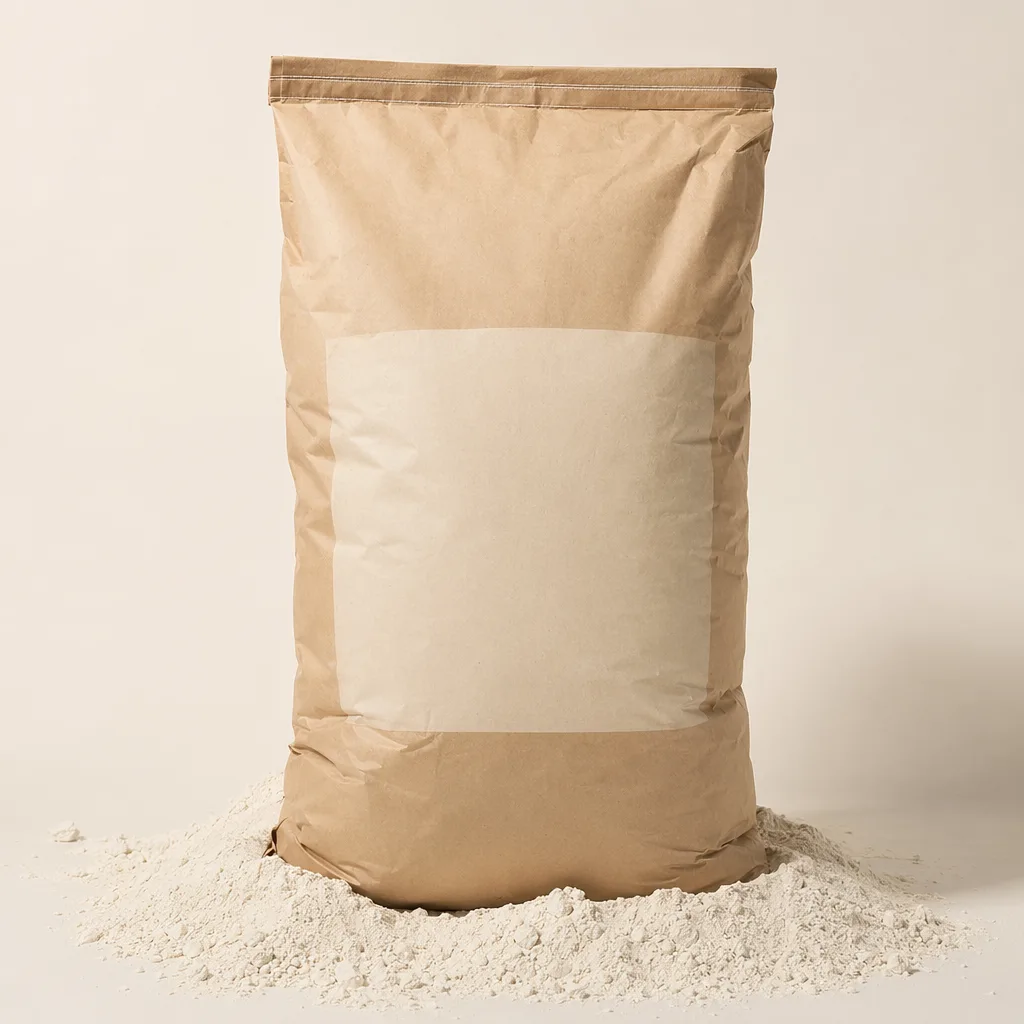
β-Glucanase Enzyme for Brewing, Baking and Feed
Industrial enzyme — β-glucanase for food, feed, brewing, and biotechnology processing.
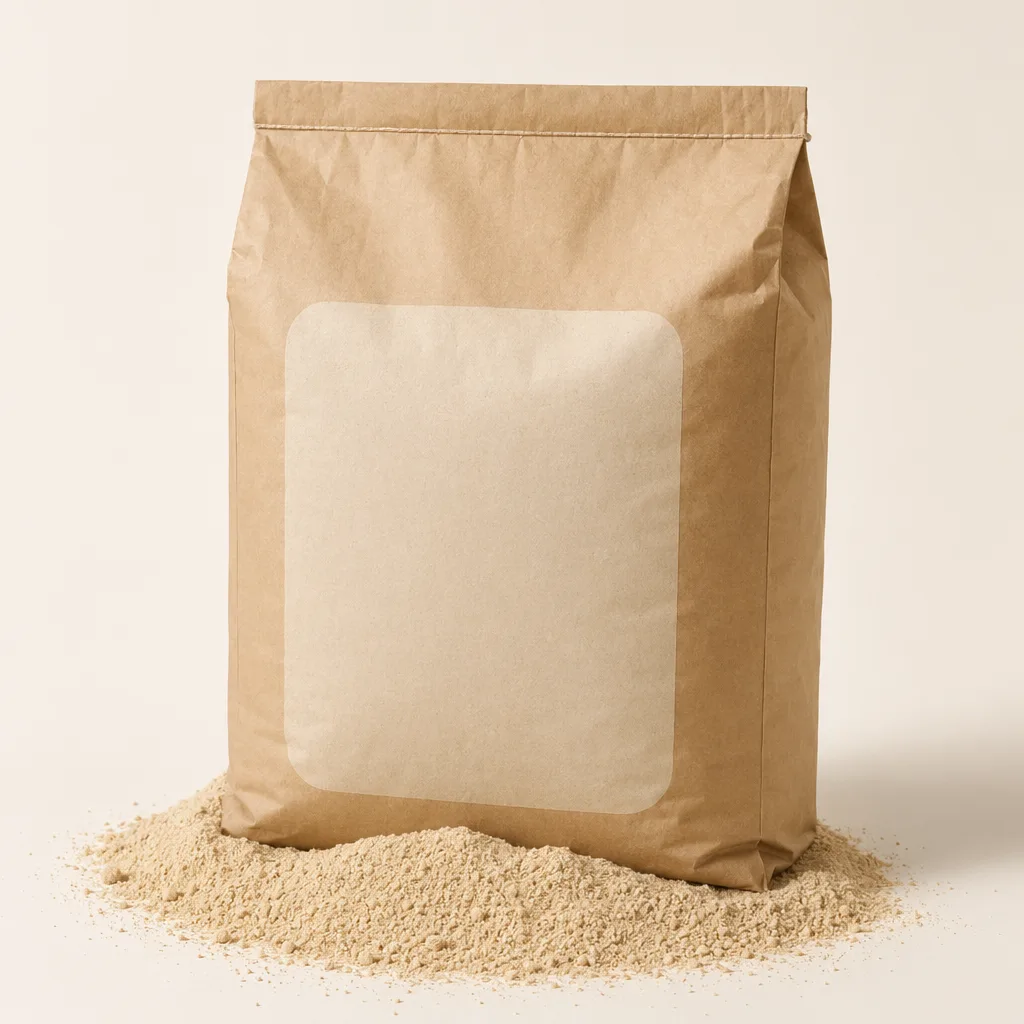
β-Mannanase Enzyme for Food, Feed, and Brewing
Industrial enzyme — β-mannanase for food, feed, brewing, and biotechnology processing.