β-Glucanase for Industrial Bread Baking
β-Glucanase for bread baking is an industrial food-processing enzyme that hydrolyzes beta-glucans in cereal raw materials to improve dough processing and ingredient functionality. ArtemisYeast supplies ART-EN-024 in 25 kg multi-wall sacks for commercial bakeries, milling-integrated bakeries, brewing plants, feed processors, and biotechnology operations. The product is inquiry-only, with wholesale pricing on request, lot-specific specifications, and export documentation available for qualified bulk buyers.
- ✓ Free worldwide shipping
- ✓ ISO-aligned manufacturing
- ✓ Certificate of Analysis on request
- ✓ Bulk & custom volumes quoted on request
Overview
ART-EN-024 is a powdered β-glucanase preparation intended for industrial processing of wheat, barley, oat, rye, and mixed-grain systems where soluble beta-glucans can increase viscosity, reduce filtration efficiency, or affect dough handling. In bread baking, the enzyme is typically evaluated as part of a flour improver or processing aid program to help manage water absorption, dough machinability, crumb uniformity, and line consistency in high-throughput production. It is also relevant to brewing, feed, and biotechnology processes that require controlled degradation of cereal cell-wall polysaccharides.
The active chemistry targets β-glucan linkages in cereal beta-glucans, reducing high-molecular-weight gums into lower-viscosity fractions under appropriate moisture, pH, temperature, and residence-time conditions. Typical commercial specification ranges may include enzyme activity declared in U/g, moisture not more than 8%, light tan to brown powder appearance, and carrier selection compatible with food or feed use; final values are confirmed on the lot Certificate of Analysis. For related processing enzymes, see the enzymes and fermentation category.
Applications
- Industrial bread baking: used in pan bread, buns, rolls, sandwich bread, mixed-grain bread, and continuous dough systems where cereal beta-glucans influence viscosity, dough feel, and process tolerance.
- Flour treatment and premixes: suitable for R&D evaluation in enzyme blends, flour correction systems, and dry bakery premixes where accurate dispersion and batch-to-batch activity control are required.
- Brewing and distilling adjunct processing: supports mash viscosity management and lautering or filtration performance when barley, oats, rye, or other beta-glucan-containing grains are included.
- Feed ingredient processing: applicable to cereal-based feed production where cell-wall polysaccharide modification is part of a formulation or pre-treatment strategy for poultry, swine, aquaculture, or ruminant feed operations.
- Biotechnology and fermentation preparation: used in substrate pre-processing when lower viscosity and improved solids handling are required before downstream fermentation or separation steps.
Recommended use levels depend on flour type, cereal inclusion, processing temperature, proofing time, pH, and whether the enzyme is used alone or in a blend. ArtemisYeast can support procurement teams with specification review and sample planning before scale-up; submit batch targets through request quote for a bulk quote on request.
Storage and Handling
Store ART-EN-024 in the original sealed 25 kg multi-wall sack in a cool, dry, well-ventilated area, away from direct sunlight, moisture, steam lines, and strong odors. A typical storage recommendation is below 25°C with relative humidity controlled where practical. Under recommended unopened storage conditions, shelf life is commonly 12 to 24 months depending on activity grade, packaging, and destination climate; the confirmed retest or expiry date is stated on the lot documentation.
As with all powdered enzymes, avoid generating airborne dust during weighing, tipping, and blending. Operators should follow the site’s occupational hygiene procedures and use appropriate personal protective equipment such as gloves, eye protection, and respiratory protection where dust exposure may occur. Reseal partly used sacks promptly and keep away from water ingress to preserve activity and flowability. The product is designed for controlled industrial dosing and should be trialed under plant-specific processing conditions before commercial adoption.
Quality and Documentation
ArtemisYeast supplies ART-EN-024 for B2B procurement with lot traceability and documentation suitable for technical intake review. Available documents may include Certificate of Analysis, specification sheet, safety data sheet, allergen statement, food-grade or feed-grade declaration where applicable, country-of-origin statement, and packing list. HACCP-aligned manufacturing controls and documentation for ISO 22000, FSSC 22000, Halal, or Kosher status may be available on request depending on the production site and grade; certification status is always verified per lot or supply program.
Key intake parameters may include declared enzyme activity, appearance, odor, moisture, microbiological limits, heavy metals screening, packaging integrity, net weight, batch number, manufacture date, and expiry or retest date. Procurement managers can request pre-shipment document review, retained-sample policy details, and compliance support through the ArtemisYeast quality documentation page. ART-EN-024 is offered on an inquiry-only basis with wholesale pricing on request for pallet, container, and recurring contract volumes.
Storage & Handling
Refer to the CoA for product-specific storage conditions. Ship cold-chain where required.
Quality & Documentation
Manufactured under ISO-aligned quality management systems. Full documentation — Certificate of Analysis (CoA), Material Safety Data Sheet (MSDS), formulation summary, and stability data — is available on request. Email info@artemisyeast.com with the SKU.
About this product
01 What is the typical shelf life?
02 Do you offer documentation (CoA, food-grade declaration)?
03 What is the minimum order quantity?
04 Is bulk pricing available?
05 How is this product shipped internationally?
More from Enzymes & Fermentation Inputs

Protein and Nucleic Acid Processing Enzyme Powder
Industrial enzyme — protein & nucleic acid processing for food, feed, brewing, and biotechnology processing.
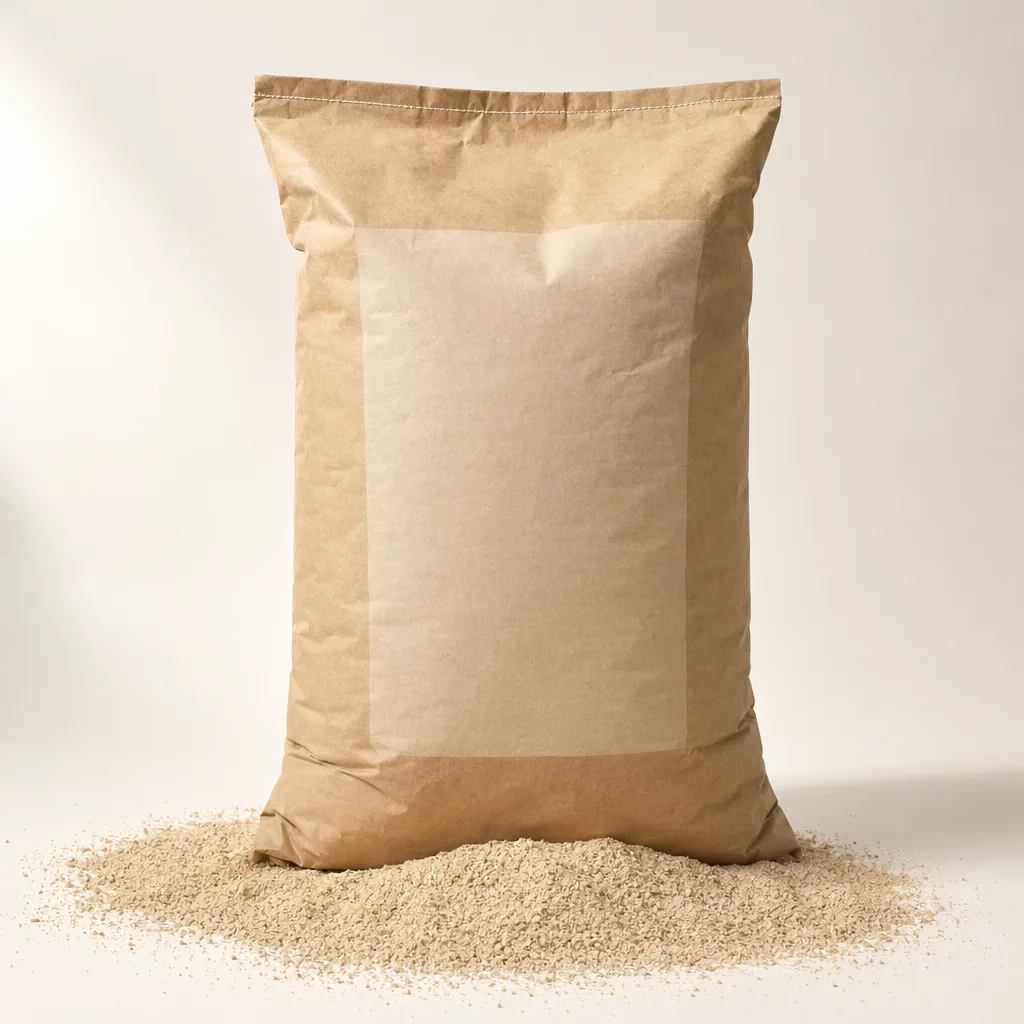
Industrial Alpha-Amylase Enzyme for Starch Processing
Industrial enzyme — α- amylase for food, feed, brewing, and biotechnology processing.

β-Glucanase Enzyme for Brewing, Baking and Feed
Industrial enzyme — β-glucanase for food, feed, brewing, and biotechnology processing.
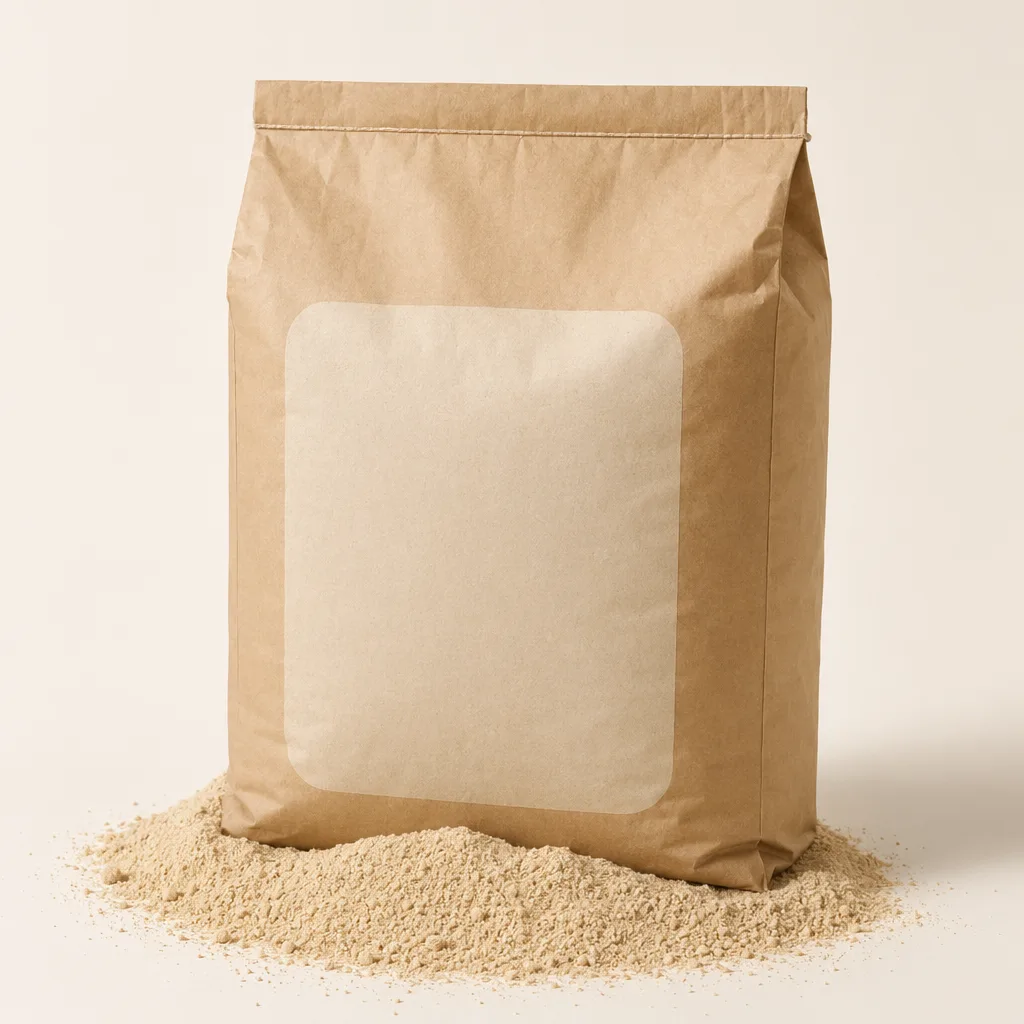
β-Mannanase Enzyme for Food, Feed, and Brewing
Industrial enzyme — β-mannanase for food, feed, brewing, and biotechnology processing.