β-Glucanase for Craft Brewing
β-Glucanase for craft brewing is a food-processing enzyme used to hydrolyze beta-glucans in malt and adjunct mashes to improve wort separation and filtration. ArtemisYeast supplies ART-EN-025 for breweries, malt extract producers, and fermentation plants requiring consistent enzyme handling in bulk operations. The product is offered in 25 kg multi-wall sacks, with wholesale pricing on request and technical documentation available for procurement, R&D, and QA review.
- ✓ Free worldwide shipping
- ✓ ISO-aligned manufacturing
- ✓ Certificate of Analysis on request
- ✓ Bulk & custom volumes quoted on request
Overview
ART-EN-025 is an industrial β-glucanase preparation for brewing and fermentation processing. In malt, barley, oats, rye, and some adjunct systems, soluble beta-glucans can increase mash and wort viscosity, slow lautering, load filters, and create variation between raw-material lots. β-Glucanase hydrolyzes β-glucan polysaccharides into lower-molecular-weight fractions, supporting more predictable mash separation, wort run-off, and downstream clarification in craft and regional brewing plants.
This product is specified for controlled addition to mash or cereal-cooking stages where process temperature and pH are suitable for enzyme activity. Typical commercial parameters may include a dry powder appearance, moisture not more than 8%, carrier-based formulation, declared enzyme activity on the certificate of analysis, and recommended use within pH 4.5-6.5 and moderate mash-temperature windows, depending on the validated process. For related process aids, see our enzymes and fermentation category or submit a bulk quote on request with your target mash profile and annual volume.
Applications
- Craft brewing: Supports lautering and wort filtration in recipes with high levels of barley, wheat, rye, oats, unmalted adjuncts, or variable malt modification.
- Brewhouse optimization: Used by master brewers and plant managers to reduce viscosity-related flow variation, improve filter throughput, and standardize processing across crop-year changes.
- R&D and pilot brewing: Suitable for trial work where food scientists evaluate adjunct inclusion, haze-management strategy, extract recovery, or alternative grain formulations.
- Malt extract and fermentation inputs: Applicable where glucan load affects slurry handling, membrane performance, clarification, or pumpability before fermentation.
- Food, feed, and biotechnology processing: May be evaluated as a polysaccharide-modifying enzyme for non-brewing applications, subject to local regulatory status and customer process validation.
Storage and Handling
Store ART-EN-025 in the original sealed 25 kg multi-wall sack in a dry, odor-free warehouse, away from direct sunlight, steam lines, and strong oxidizing materials. Recommended storage is cool and dry, typically below 25 °C with relative humidity controlled to limit caking and activity loss. Under recommended conditions, typical shelf life is 12 months from manufacture; the confirmed retest or expiry date is stated on the batch document.
Enzyme powders should be handled with good industrial hygiene practices. Avoid dust generation during weighing and transfer, use local extraction where practical, and wear appropriate personal protective equipment according to the site safety assessment. Reseal partly used sacks immediately and use a first-expiry, first-out inventory system. For best brewing performance, disperse the enzyme uniformly and confirm dose, pH, temperature, residence time, and inactivation conditions through plant trials before full-scale adoption.
Quality and Documentation
ArtemisYeast supplies ART-EN-025 for inquiry-only B2B procurement, with lot traceability and export-ready packing. A certificate of analysis can include appearance, moisture, declared activity, microbiological limits where applicable, and batch identification. Safety data sheet, allergen statement, food-grade declaration, non-GMO statement, and origin information may be provided on request based on shipment requirements and destination market.
Manufacturing and quality systems are reviewed against food-processing expectations, and documentation for HACCP-aligned controls, ISO 22000, FSSC 22000, Halal, or Kosher status may be available on request for the relevant production lot. Customers should verify suitability under their local brewing, food, feed, or biotechnology regulations. For QA onboarding, specification comparison, and supplier approval, visit quality documentation support and include ART-EN-025 in your request.
Storage & Handling
Refer to the CoA for product-specific storage conditions. Ship cold-chain where required.
Quality & Documentation
Manufactured under ISO-aligned quality management systems. Full documentation — Certificate of Analysis (CoA), Material Safety Data Sheet (MSDS), formulation summary, and stability data — is available on request. Email info@artemisyeast.com with the SKU.
About this product
01 What is the typical shelf life?
02 Do you offer documentation (CoA, food-grade declaration)?
03 What is the minimum order quantity?
04 Is bulk pricing available?
05 How is this product shipped internationally?
More from Enzymes & Fermentation Inputs

Protein and Nucleic Acid Processing Enzyme Powder
Industrial enzyme — protein & nucleic acid processing for food, feed, brewing, and biotechnology processing.
Industrial Alpha-Amylase Enzyme for Starch Processing
Industrial enzyme — α- amylase for food, feed, brewing, and biotechnology processing.
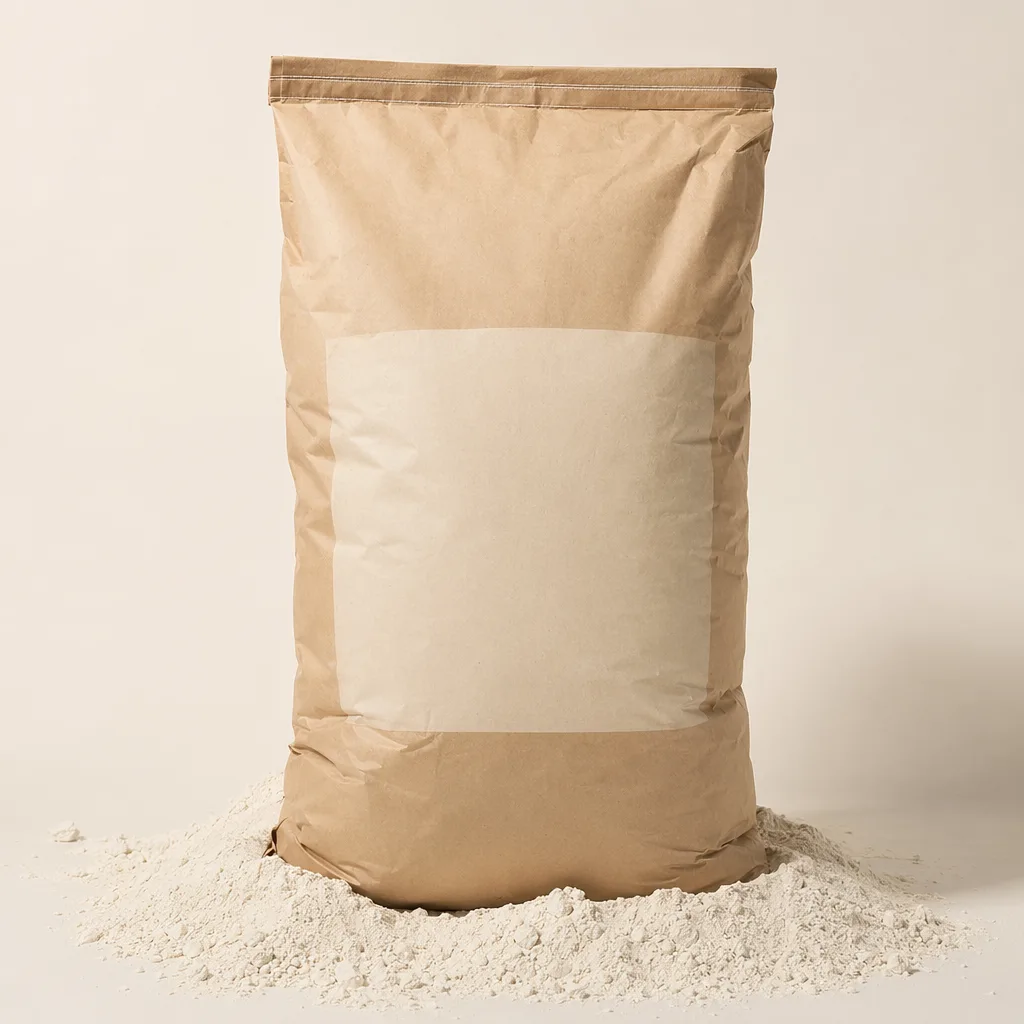
β-Glucanase Enzyme for Brewing, Baking and Feed
Industrial enzyme — β-glucanase for food, feed, brewing, and biotechnology processing.
β-Mannanase Enzyme for Food, Feed, and Brewing
Industrial enzyme — β-mannanase for food, feed, brewing, and biotechnology processing.