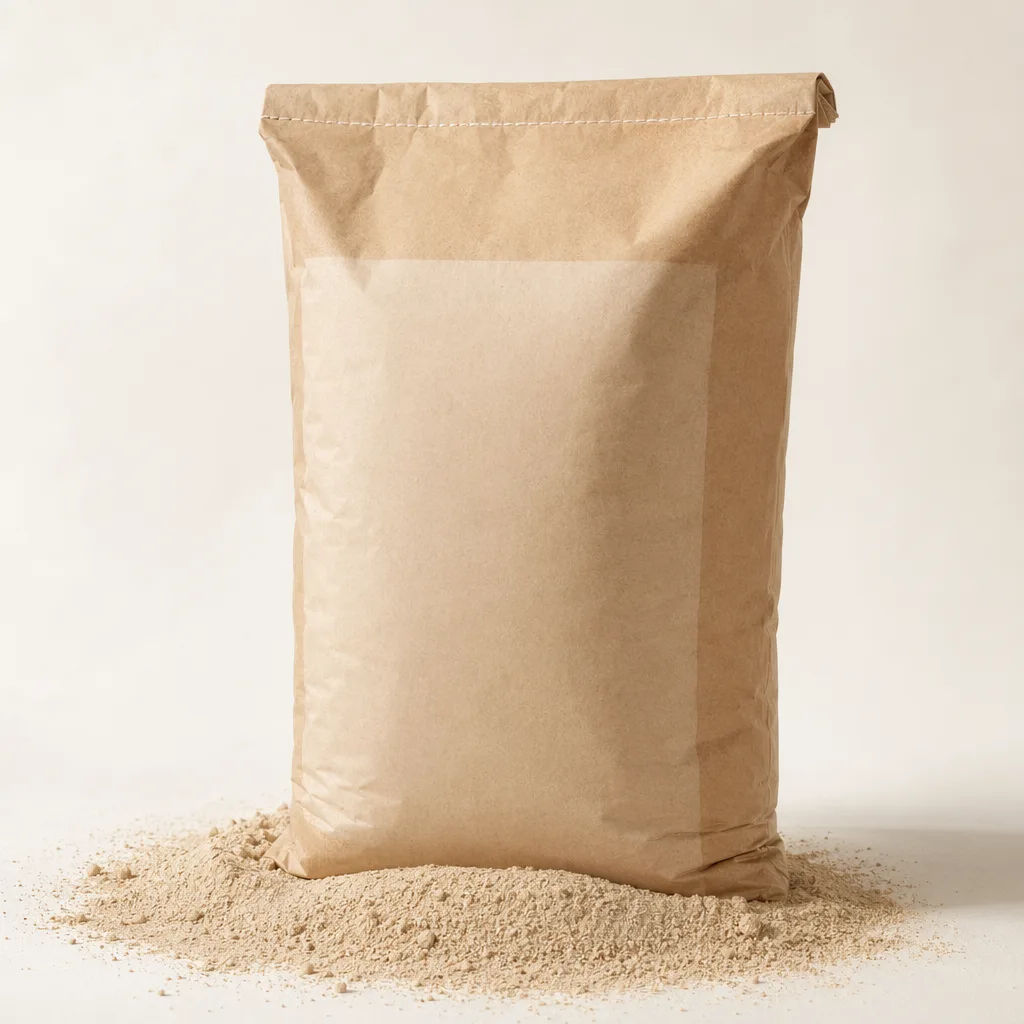
Industrial Gluco-Amylase for Bread Baking
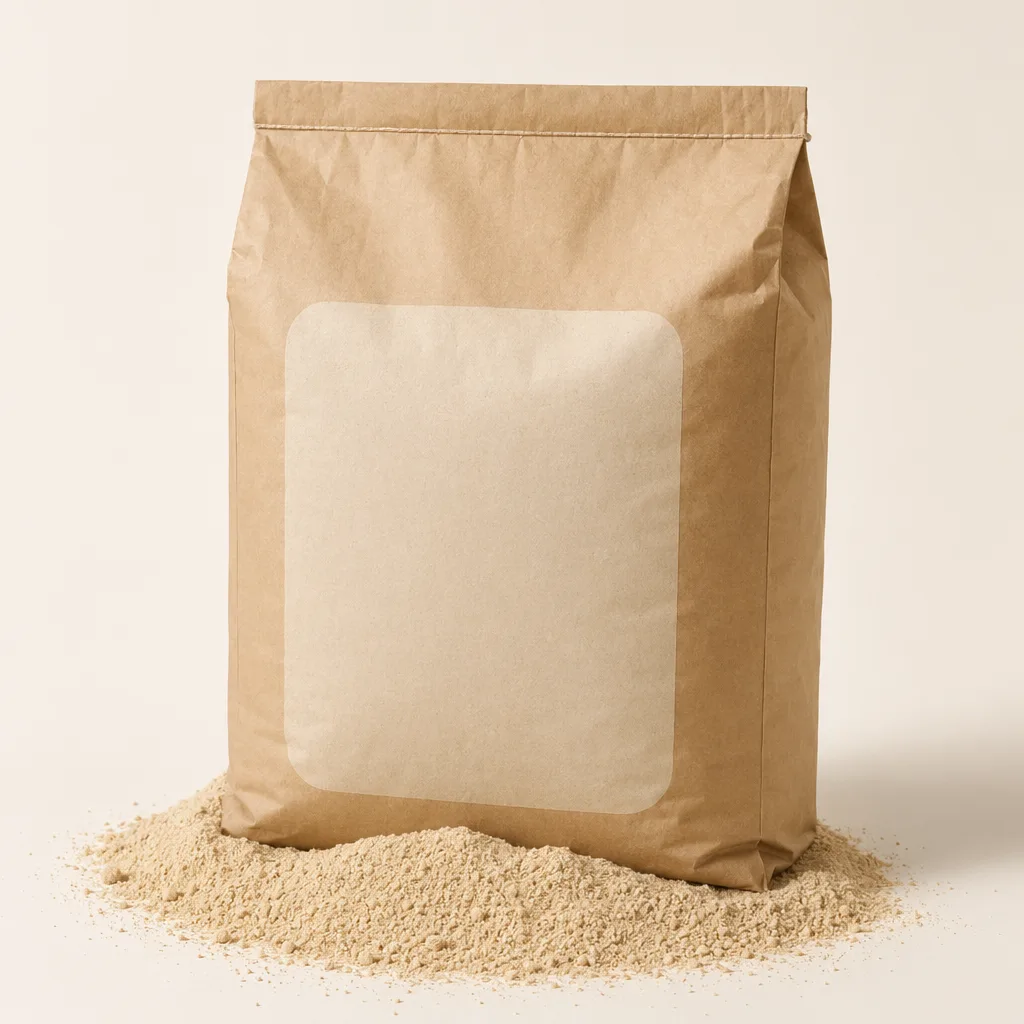
Gluco-amylase for bread baking is a food-processing enzyme preparation that hydrolyzes starch dextrins into fermentable glucose during dough processing. ART-EN-036 is supplied for industrial bakeries and ingredient formulators requiring controlled starch conversion, improved yeast-accessible sugars, and consistent process performance. Packed in 25 kg multi-wall sacks, this inquiry-only enzyme is available for contract supply, export procurement, and plant-scale trials, with wholesale pricing on request.
- ✓ Free worldwide shipping
- ✓ ISO-aligned manufacturing
- ✓ Certificate of Analysis on request
- ✓ Bulk & custom volumes quoted on request
Overview
ART-EN-036 is an industrial gluco-amylase powder for bread-baking applications where starch-derived fermentable sugar generation is required during mixing, proofing, and early bake. The enzyme cleaves alpha-1,4 glucosidic bonds from non-reducing ends of dextrins and soluble starch fractions, producing glucose that can support fermentation balance and crust color development when used within validated bakery formulations.
Typical specification targets may include declared enzyme activity by batch CoA, moisture not more than 8%, light tan to beige free-flowing powder, food-grade carrier system, and practical dispersion through standard dry ingredient premixes. Activity grade, carrier, and granulation can be confirmed during inquiry. For related process aids, see our industrial fermentation enzymes category.
Applications
- Industrial bread production: used in pan bread, buns, rolls, toast bread, and sandwich bread where controlled starch conversion is part of the flour improvement system.
- Bakery ingredient blends: suitable for premix manufacturers formulating enzyme systems with fungal alpha-amylase, xylanase, emulsifiers, oxidants, or reducing agents, subject to application testing.
- Frozen and retarded dough: can be evaluated where longer process times require stable fermentable sugar availability.
- Brewing, feed, and biotechnology processing: applicable to starch saccharification steps when the final formulation and local regulatory status are verified by the buyer.
- Procurement format: supplied as ART-EN-036 in 25 kg multi-wall sacks; request a bulk quote on request for pallet quantities, container loading, or recurring supply.
Storage and Handling
Store unopened sacks in a cool, dry, ventilated warehouse, typically below 25°C and away from direct sunlight, steam lines, and high humidity. Keep packaging tightly closed after opening and avoid cross-contact with strong oxidizing agents or alkaline cleaning chemicals. Typical shelf life is 12 to 18 months when stored under recommended conditions, subject to the batch CoA. As with all powdered enzymes, minimize dust formation and use appropriate plant hygiene and worker protection procedures during weighing and premix addition.
Quality and Documentation
ART-EN-036 is supplied for industrial food and fermentation use with batch documentation available on request, including CoA, allergen statement, food-grade declaration, and technical data sheet where applicable. HACCP-aligned manufacturing information and food-safety documentation such as ISO 22000, FSSC 22000, Halal, or Kosher status may be provided when available for the selected production lot. Review specification alignment, import documents, and traceability expectations through our quality documentation process before purchase order confirmation.
Storage & Handling
Refer to the CoA for product-specific storage conditions. Ship cold-chain where required.
Quality & Documentation
Manufactured under ISO-aligned quality management systems. Full documentation — Certificate of Analysis (CoA), Material Safety Data Sheet (MSDS), formulation summary, and stability data — is available on request. Email info@artemisyeast.com with the SKU.
About this product
01 What is the typical shelf life?
02 Do you offer documentation (CoA, food-grade declaration)?
03 What is the minimum order quantity?
04 Is bulk pricing available?
05 How is this product shipped internationally?
More from Enzymes & Fermentation Inputs
Protein and Nucleic Acid Processing Enzyme Powder
Industrial enzyme — protein & nucleic acid processing for food, feed, brewing, and biotechnology processing.
Industrial Alpha-Amylase Enzyme for Starch Processing
Industrial enzyme — α- amylase for food, feed, brewing, and biotechnology processing.
β-Glucanase Enzyme for Brewing, Baking and Feed
Industrial enzyme — β-glucanase for food, feed, brewing, and biotechnology processing.
β-Mannanase Enzyme for Food, Feed, and Brewing
Industrial enzyme — β-mannanase for food, feed, brewing, and biotechnology processing.