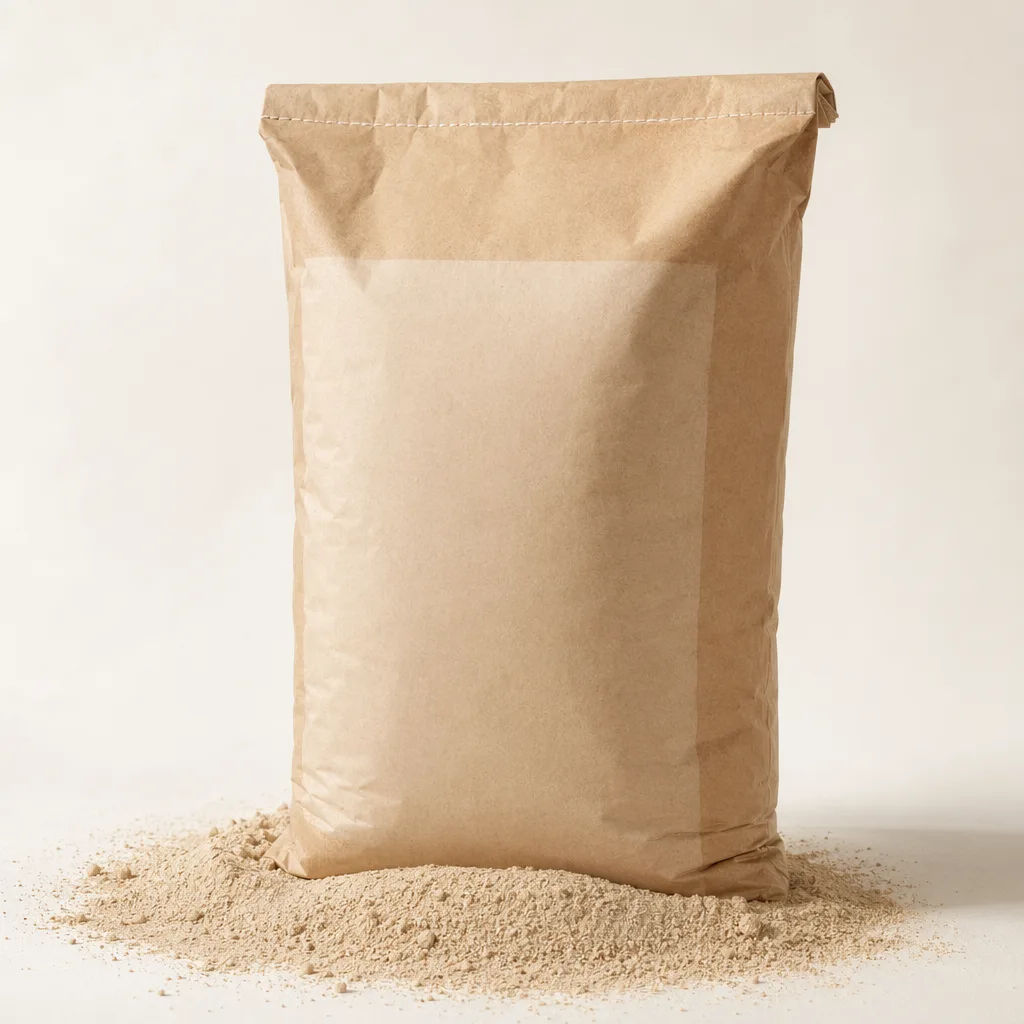
Gluco-Amylase for Craft Brewing
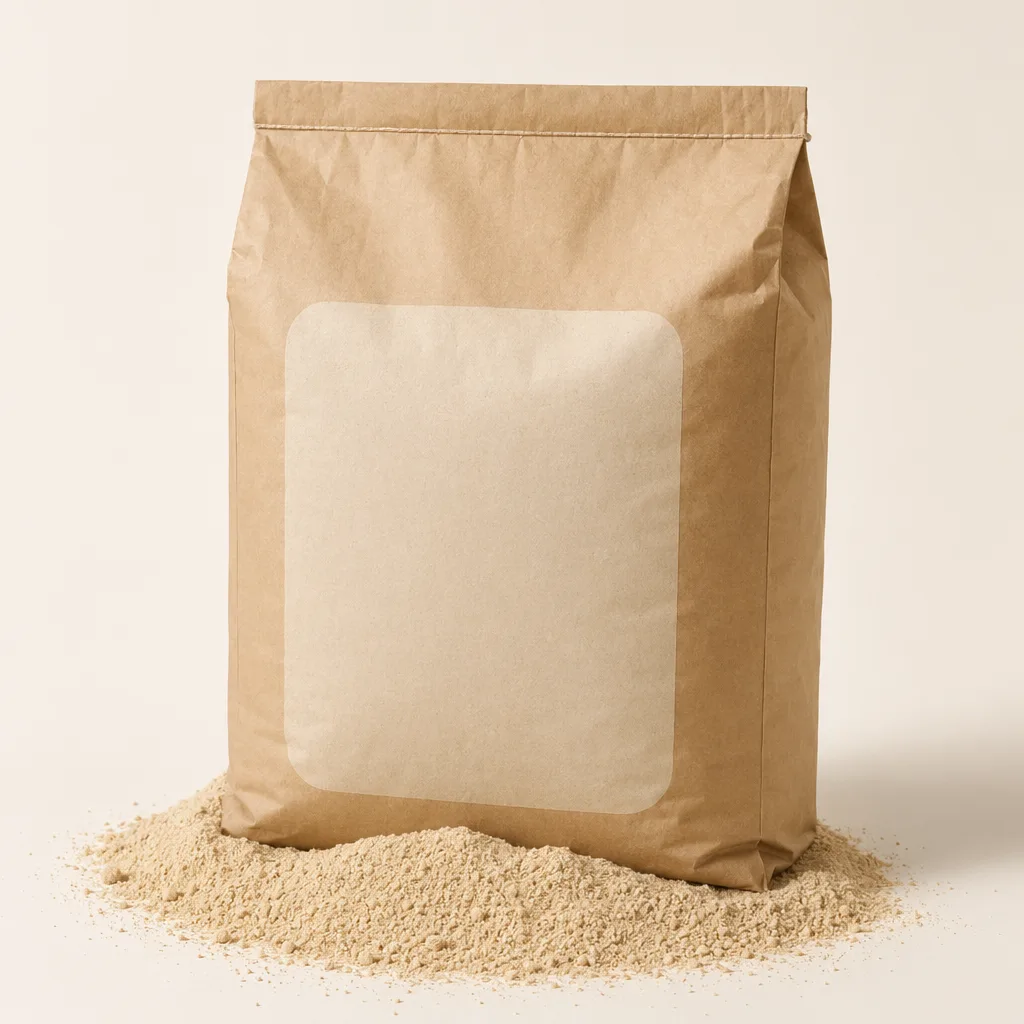
Gluco-amylase for craft brewing is a food-processing enzyme that hydrolyzes dextrins and starch-derived oligosaccharides into fermentable glucose. ArtemisYeast supplies ART-EN-037 as a dry enzyme preparation for breweries, malt beverage producers, distillers, food processors, feed plants, and biotechnology operations that require consistent saccharification performance. This inquiry-only item is supplied in 25 kg multi-wall sacks, with wholesale pricing on request and technical documents matched to the quoted grade.
- ✓ Free worldwide shipping
- ✓ ISO-aligned manufacturing
- ✓ Certificate of Analysis on request
- ✓ Bulk & custom volumes quoted on request
Overview
ART-EN-037 is a powder gluco-amylase enzyme for brewhouse and fermentation support where residual dextrins must be converted into glucose. In brewing, it is commonly evaluated for high-attenuation beers, low-residual-carbohydrate beer styles, adjunct mashes, specialty cereal processing, and process trials where the brewer needs a more complete extract conversion profile than malt enzymes alone can provide. The enzyme acts mainly on alpha-1,4 glucosidic bonds and can also assist with slower hydrolysis of alpha-1,6 branch points, depending on substrate, mash profile, and residence time.
Typical technical parameters are confirmed on the certificate of analysis for each lot. Powder grades are commonly specified by declared activity in U/g, with off-white to light tan appearance, low insoluble matter, moisture generally targeted at not more than 8%, and practical particle size suitable for controlled dispersion into mash or process water. Operating conditions are normally assessed around acidic mash or wort ranges, often pH 3.5-5.5 and elevated saccharification temperatures; exact optimums depend on the enzyme grade selected. For adjacent products, see the fermentation enzyme category or submit a bulk quote request with your target activity, application, and pack quantity.
Applications
- Craft brewing: supports attenuation management in dry beer, brut-style profiles, high-gravity brewing, alternative-grain recipes, and trials where residual dextrin reduction is required.
- Mashing and adjunct processing: used in process development for corn, rice, sorghum, wheat, barley, and other starch-containing substrates after gelatinization and liquefaction steps.
- Distilling and ethanol fermentation: assists saccharification of liquefied starch streams to improve fermentable sugar availability before yeast pitching, subject to plant-specific validation.
- Food ingredient manufacture: used in starch conversion, glucose syrup preparation, cereal hydrolysates, and flavor or extract processes where controlled carbohydrate breakdown is needed.
- Feed and biotechnology processing: evaluated in enzyme-assisted substrate preparation where digestible carbohydrates or glucose-rich intermediates are process targets.
Storage and Handling
Store ART-EN-037 in the original sealed 25 kg multi-wall sack in a cool, dry, well-ventilated warehouse. Recommended storage is typically below 25 °C, away from direct sunlight, steam lines, strong odors, and high humidity. Keep sacks closed after opening and reseal promptly to reduce moisture pickup and activity loss. Typical shelf life is 12-24 months when stored as directed, with the final period stated on the lot documentation.
As with all industrial enzyme powders, avoid dust generation during charging, weighing, or rework. Operators should use site-approved personal protective equipment, local exhaust where needed, and standard procedures for enzyme handling. Dosing should be validated by bench mash, pilot brew, or plant trial because substrate composition, temperature hold, pH, contact time, and downstream yeast selection affect the final attenuation result.
Quality and Documentation
ArtemisYeast supplies gluco-amylase for business-to-business procurement with specification review before shipment. Available documentation may include certificate of analysis, product specification, safety data sheet, allergen statement, non-GMO statement where applicable, food-grade declaration, and country-of-origin information. Manufacturing documentation can be reviewed against HACCP-aligned controls, ISO 22000, FSSC 22000, Halal, or Kosher requirements when such documents are available for the quoted production lot.
Lot release parameters may include enzyme activity, appearance, moisture, particle size, microbiological limits, and heavy metal screening according to the grade and destination market. Visit quality and documentation for supplier qualification expectations, or request a technical data package during quotation. Bulk quote on request; no public price is posted because activity grade, destination, documents, and order volume affect the commercial offer.
Storage & Handling
Refer to the CoA for product-specific storage conditions. Ship cold-chain where required.
Quality & Documentation
Manufactured under ISO-aligned quality management systems. Full documentation — Certificate of Analysis (CoA), Material Safety Data Sheet (MSDS), formulation summary, and stability data — is available on request. Email info@artemisyeast.com with the SKU.
About this product
01 What is the typical shelf life?
02 Do you offer documentation (CoA, food-grade declaration)?
03 What is the minimum order quantity?
04 Is bulk pricing available?
05 How is this product shipped internationally?
More from Enzymes & Fermentation Inputs
Protein and Nucleic Acid Processing Enzyme Powder
Industrial enzyme — protein & nucleic acid processing for food, feed, brewing, and biotechnology processing.
Industrial Alpha-Amylase Enzyme for Starch Processing
Industrial enzyme — α- amylase for food, feed, brewing, and biotechnology processing.
β-Glucanase Enzyme for Brewing, Baking and Feed
Industrial enzyme — β-glucanase for food, feed, brewing, and biotechnology processing.
β-Mannanase Enzyme for Food, Feed, and Brewing
Industrial enzyme — β-mannanase for food, feed, brewing, and biotechnology processing.