
Glucose Oxidase for Craft Brewing
Glucose oxidase is an industrial food-processing enzyme that catalyzes the oxidation of beta-D-glucose using dissolved oxygen, producing gluconic acid and hydrogen peroxide. ART-EN-040 is supplied for craft brewing process trials where controlled oxygen reduction, wort or beer stabilization studies, and recipe development require a specification-led enzyme input. ArtemisYeast supplies this item in 25 kg multi-wall sacks for international B2B customers, with wholesale pricing on request and documentation matched to procurement, QA, and pilot-plant review needs.
- ✓ Free worldwide shipping
- ✓ ISO-aligned manufacturing
- ✓ Certificate of Analysis on request
- ✓ Bulk & custom volumes quoted on request
Overview
ART-EN-040 Glucose Oxidase for Craft Brewing is a powdered enzyme preparation intended for controlled processing use in breweries, beverage R&D labs, and fermentation operations. In the presence of glucose and oxygen, glucose oxidase supports oxygen-scavenging reactions that may be evaluated for beer freshness programs, packaged-beer oxygen management, low-oxygen process design, and specialty fermentations. Because the reaction also forms hydrogen peroxide, dose rate, contact time, temperature, pH, and compatibility with catalase or process antioxidants should be validated by the brewery before commercial use.
Typical technical targets for this product class include off-white to light tan powder, activity specified by lot on the certificate of analysis, moisture commonly not more than 8%, pH operating range around 4.0-6.5, and practical activity across cool to moderate process temperatures used in brewing. Particle size is usually suitable for dry blending or aqueous pre-dispersion, with common sieving targets around 40-80 mesh depending on the production lot. Buyers comparing enzyme inputs for the brewing plant can review related materials in our enzymes fermentation category or request a lot-specific specification before ordering.
Applications
- Craft brewing oxygen control: evaluated in wort, beer, or beverage matrices where residual glucose is present and dissolved oxygen reduction is part of the process target.
- Packaged beer quality programs: used in laboratory and pilot trials to study flavor stability, oxygen pickup sensitivity, and process windows for cans, bottles, or kegs.
- Specialty beverage fermentation: applicable to malt-based, fruit-adjacent, or low-alcohol process development where glucose oxidation chemistry is relevant.
- Food and feed processing R&D: suitable for industrial evaluation where glucose conversion, oxygen removal, or controlled gluconic acid formation is required.
- Bioprocess support: can be assessed as a process enzyme where defined glucose-oxygen reaction behavior is needed under validated manufacturing controls.
Storage and Handling
Store unopened sacks in a clean, dry, odor-free warehouse at 5-25°C, protected from direct sunlight, condensation, and high humidity. Keep the product sealed after opening and use promptly to limit activity loss from moisture exposure. A typical unopened shelf life is 12-24 months when stored under recommended conditions; the exact retest or expiry date is assigned by batch. Avoid inhalation of enzyme dust, use local extraction where powders are handled, and apply standard PPE including gloves, protective eyewear, and a suitable dust mask or respirator according to site safety procedures.
Quality and Documentation
ART-EN-040 is supplied for industrial processing customers with batch traceability and a certificate of analysis available on request. Standard documents may include specification sheet, safety data sheet, allergen statement where applicable, food-grade declaration, non-GMO statement if available for the lot, and origin or manufacturing information required for import review. HACCP-aligned manufacturing information and ISO 22000, FSSC 22000, Halal, or Kosher documentation may be available depending on the producing site and batch; ArtemisYeast confirms document status during quotation. For audits and onboarding, see our quality documentation approach or submit requirements through request a quote.
Storage & Handling
Refer to the CoA for product-specific storage conditions. Ship cold-chain where required.
Quality & Documentation
Manufactured under ISO-aligned quality management systems. Full documentation — Certificate of Analysis (CoA), Material Safety Data Sheet (MSDS), formulation summary, and stability data — is available on request. Email info@artemisyeast.com with the SKU.
About this product
01 What is the typical shelf life?
02 Do you offer documentation (CoA, food-grade declaration)?
03 What is the minimum order quantity?
04 Is bulk pricing available?
05 How is this product shipped internationally?
More from Enzymes & Fermentation Inputs
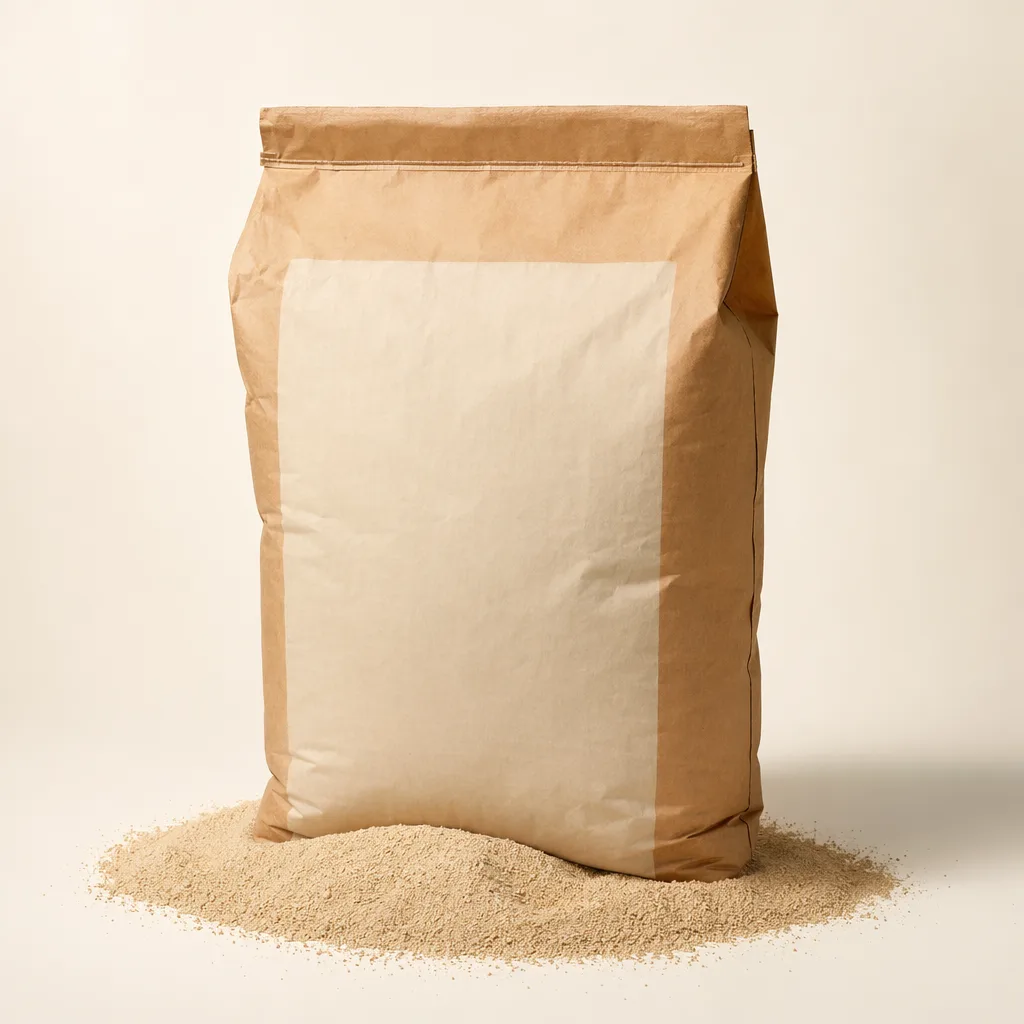
Protein and Nucleic Acid Processing Enzyme Powder
Industrial enzyme — protein & nucleic acid processing for food, feed, brewing, and biotechnology processing.
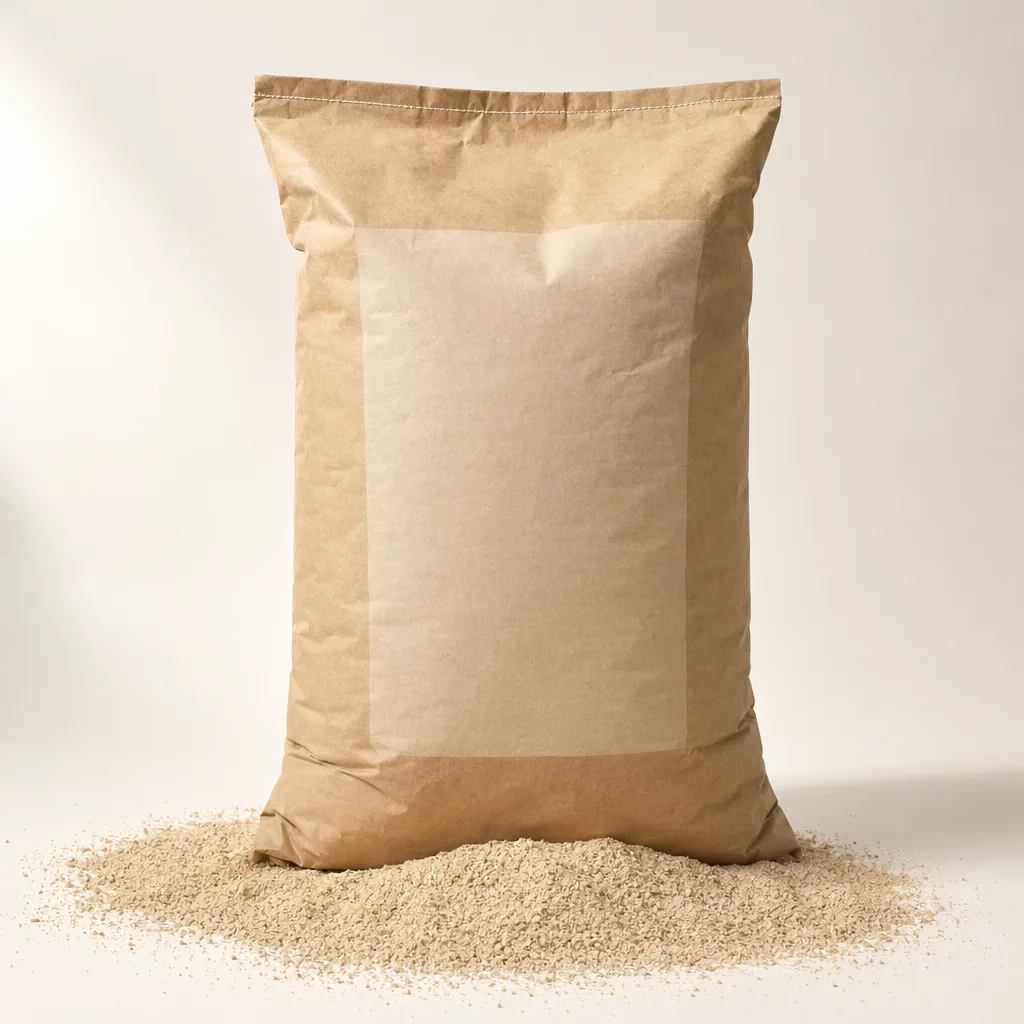
Industrial Alpha-Amylase Enzyme for Starch Processing
Industrial enzyme — α- amylase for food, feed, brewing, and biotechnology processing.
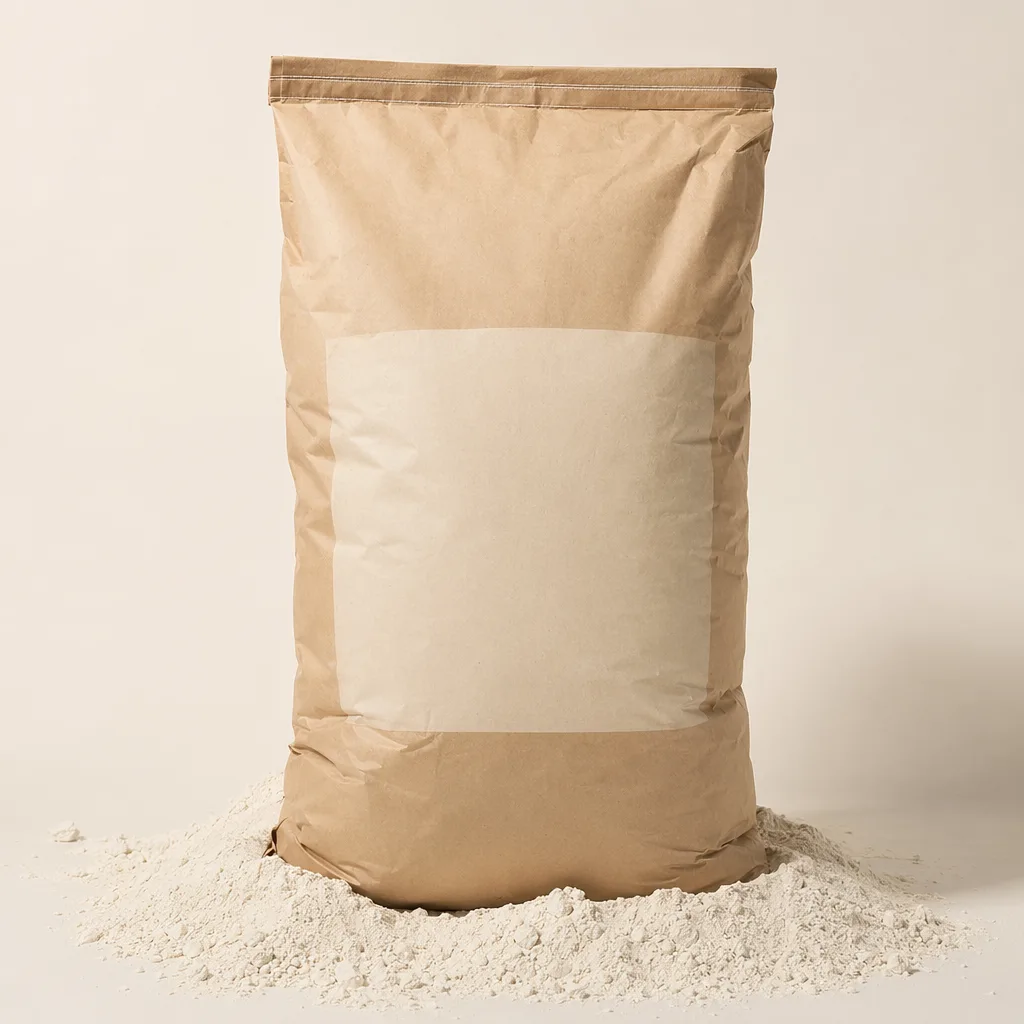
β-Glucanase Enzyme for Brewing, Baking and Feed
Industrial enzyme — β-glucanase for food, feed, brewing, and biotechnology processing.
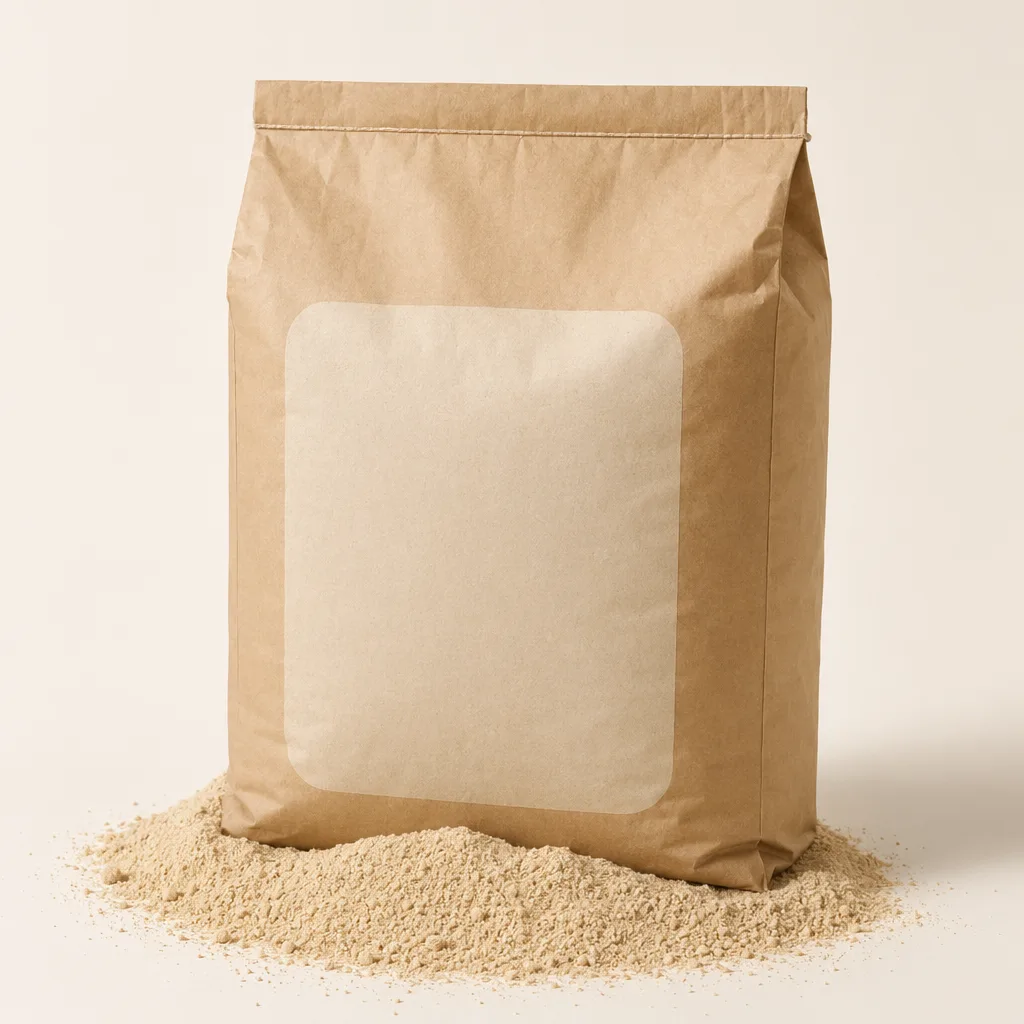
β-Mannanase Enzyme for Food, Feed, and Brewing
Industrial enzyme — β-mannanase for food, feed, brewing, and biotechnology processing.