
Glucose Oxidase Enzyme
Glucose oxidase is an industrial oxidoreductase enzyme that converts beta-D-glucose and oxygen into gluconic acid and hydrogen peroxide under controlled processing conditions. ArtemisYeast supplies ART-EN-008 as a dry enzyme preparation for bakery, brewing, feed, and biotechnology process use, packed in 25 kg multi-wall sacks for bulk handling. Typical grades can be selected by declared activity, carrier system, and application tolerance. Wholesale pricing on request is available for qualified industrial buyers.
- ✓ Free worldwide shipping
- ✓ ISO-aligned manufacturing
- ✓ Certificate of Analysis on request
- ✓ Bulk & custom volumes quoted on request
Overview
ART-EN-008 glucose oxidase is specified for manufacturers that need controlled oxidation in carbohydrate-containing systems. In dough, the enzyme supports flour and gluten network management by generating oxidation potential during mixing and early proofing. In brewing and beverage processing, it can be evaluated for oxygen management in selected process steps where glucose is present and where residual peroxide control is part of the process design. Feed and biotechnology users may apply it as a functional processing aid in formulated systems, subject to local regulatory and labeling requirements.
Typical supply parameters include declared activity grades such as 10,000 to 100,000 U/g, depending on assay method and customer specification; moisture not more than 8%; light tan to off-white powder; 80 mesh pass target for standard dispersibility; pH working range approximately 4.0 to 7.0; and temperature activity range commonly 30 to 55°C. Carriers may include food-grade carbohydrate carriers or other approved excipients confirmed on the product specification. For adjacent processing aids, buyers can review our enzymes and fermentation category or request an application-matched technical sheet.
Applications
- Industrial bread baking: used in flour correction, improver premixes, pan bread, buns, toast bread, and frozen dough systems where dough strength, gas retention, and machinability are monitored. Dosage should be validated by flour quality, mixing energy, proofing time, and target crumb profile.
- Craft and industrial brewing: evaluated in process streams containing glucose where oxygen reduction or oxidative conversion is technically required. Brewers should validate impact on wort or beer chemistry, filtration, flavor stability, and downstream inactivation.
- Animal feed processing: incorporated into feed premixes or specialty formulations where enzyme activity, heat exposure, carrier compatibility, and uniform distribution are controlled. Pelleting tolerance should be confirmed with the requested grade.
- Food and biotechnology processing: used as a controlled biocatalyst in carbohydrate conversion, oxygen scavenging concepts, and process development. ArtemisYeast can align activity range, packaging, and documentation for pilot, scale-up, or recurring plant supply through bulk quote on request.
Storage and Handling
Store sealed sacks in a clean, dry warehouse at 5 to 25°C, away from direct sunlight, steam lines, strong odors, and high humidity. Keep the inner liner closed after partial use and avoid condensation during transfer from cold storage to production areas. Under recommended storage conditions, typical shelf life is 12 to 24 months from manufacture, depending on the selected activity grade and final specification.
As with all powdered enzymes, handle ART-EN-008 with dust control procedures. Operators should use appropriate local exhaust ventilation, avoid aerosol generation, and follow the site safety data sheet for respiratory, eye, and skin protection. The enzyme should be pre-blended into dry carriers or dispersed under controlled conditions to improve dosing accuracy. Do not expose the powder to high heat, strong acids, strong alkalis, or oxidizing sanitation chemicals during storage. In thermal processes, validate residual activity and inactivation profile using plant-specific time and temperature conditions.
Quality and Documentation
ArtemisYeast supplies ART-EN-008 for inquiry-only industrial procurement, with specification matching based on intended use, destination market, and required declaration format. A lot-specific certificate of analysis can include activity, appearance, moisture, microbiological limits where applicable, heavy metals where required, and packaging identification. Typical documentation may include product specification, safety data sheet, allergen statement, non-GMO statement where applicable, food-grade declaration, and origin documents.
Manufacturing and packing documentation can be provided for HACCP-aligned programs, and ISO 22000, FSSC 22000, Halal, or Kosher documentation may be available on request for qualifying lots and production routes. Buyers should confirm required documentation before purchase order release. Visit quality and documentation for ArtemisYeast review practices, or submit destination, application, annual volume, target activity, and packaging requirements for quotation support.
Storage & Handling
Refer to the CoA for product-specific storage conditions. Ship cold-chain where required.
Quality & Documentation
Manufactured under ISO-aligned quality management systems. Full documentation — Certificate of Analysis (CoA), Material Safety Data Sheet (MSDS), formulation summary, and stability data — is available on request. Email info@artemisyeast.com with the SKU.
About this product
01 What is the typical shelf life?
02 Do you offer documentation (CoA, food-grade declaration)?
03 What is the minimum order quantity?
04 Is bulk pricing available?
05 How is this product shipped internationally?
More from Enzymes & Fermentation Inputs
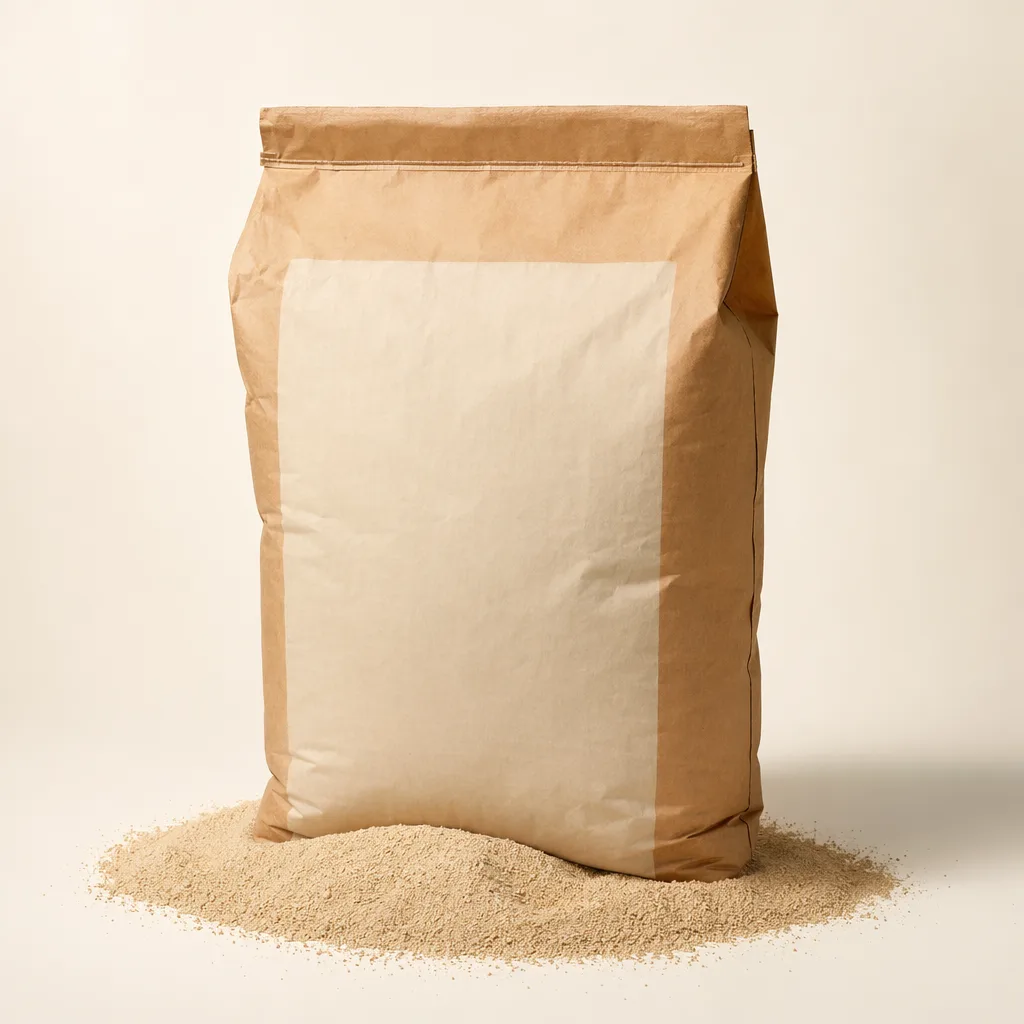
Protein and Nucleic Acid Processing Enzyme Powder
Industrial enzyme — protein & nucleic acid processing for food, feed, brewing, and biotechnology processing.
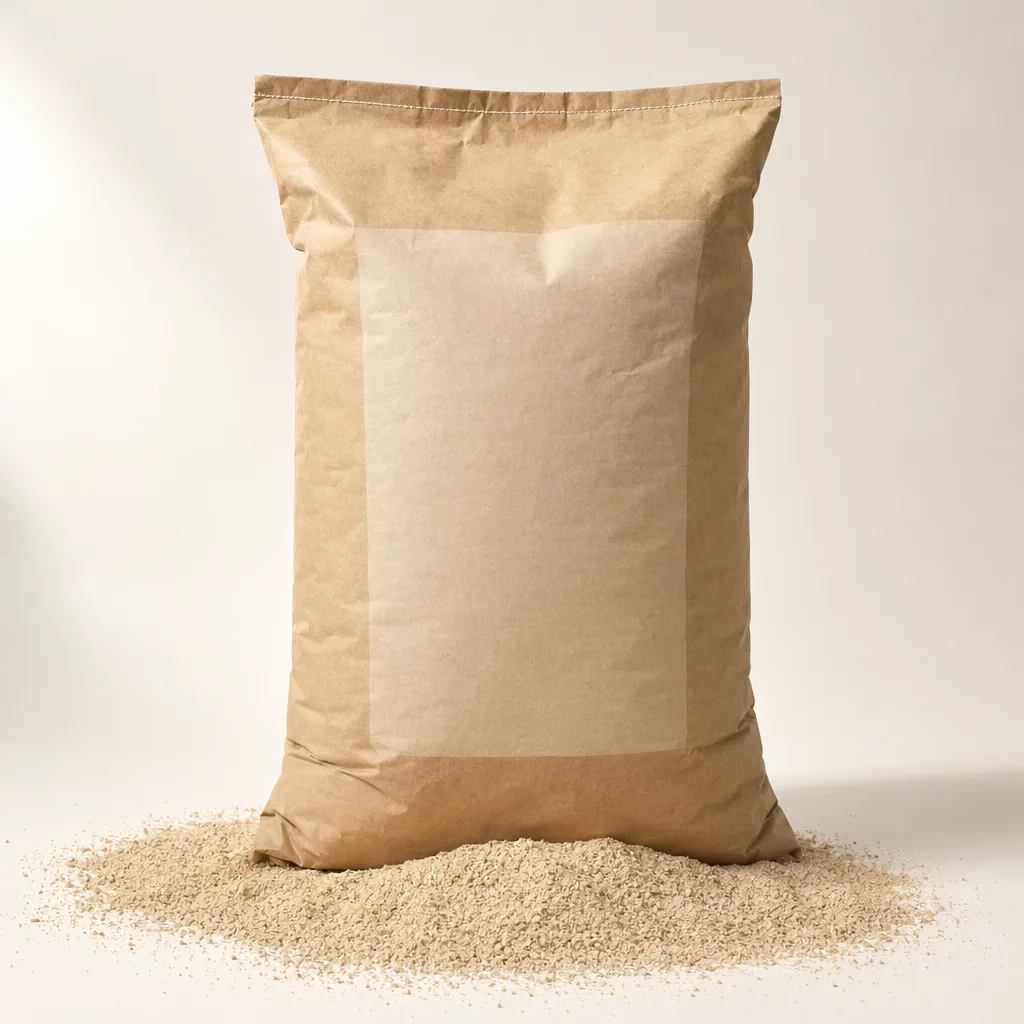
Industrial Alpha-Amylase Enzyme for Starch Processing
Industrial enzyme — α- amylase for food, feed, brewing, and biotechnology processing.
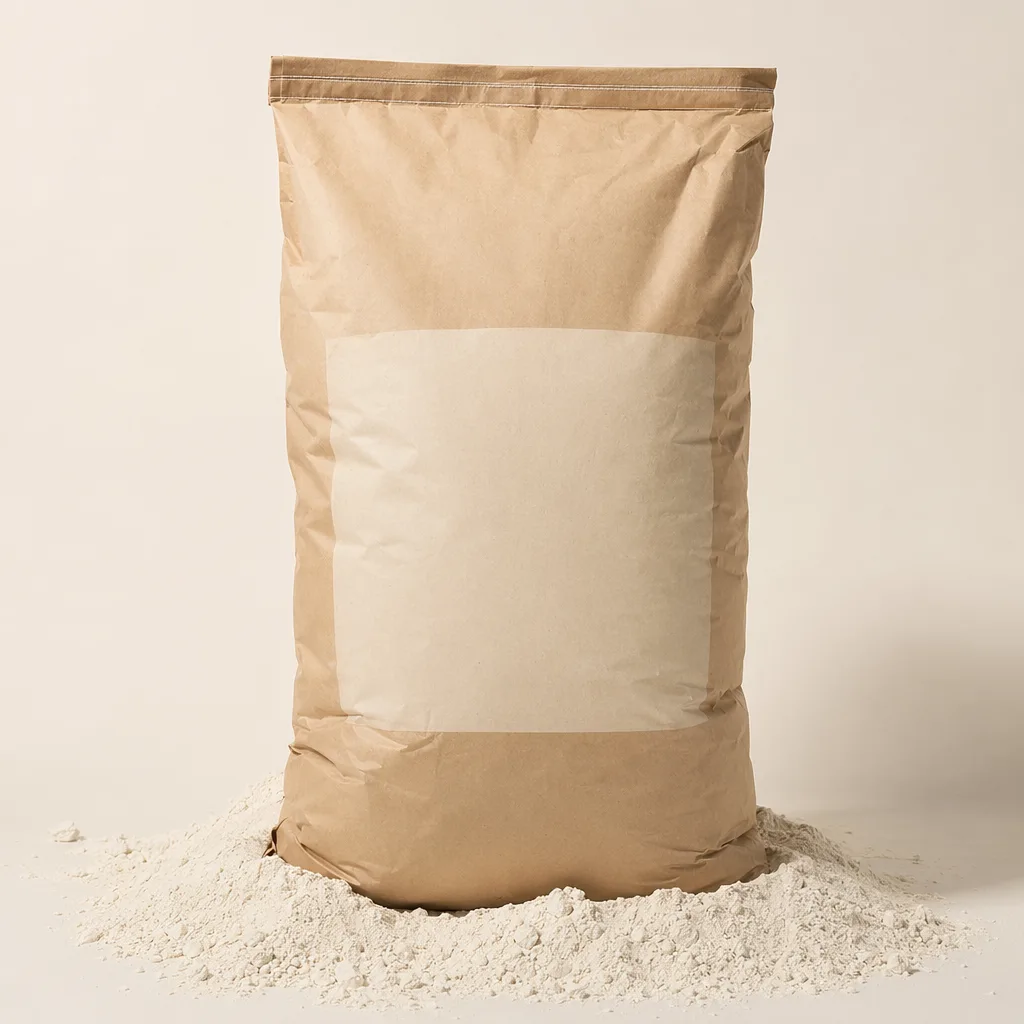
β-Glucanase Enzyme for Brewing, Baking and Feed
Industrial enzyme — β-glucanase for food, feed, brewing, and biotechnology processing.
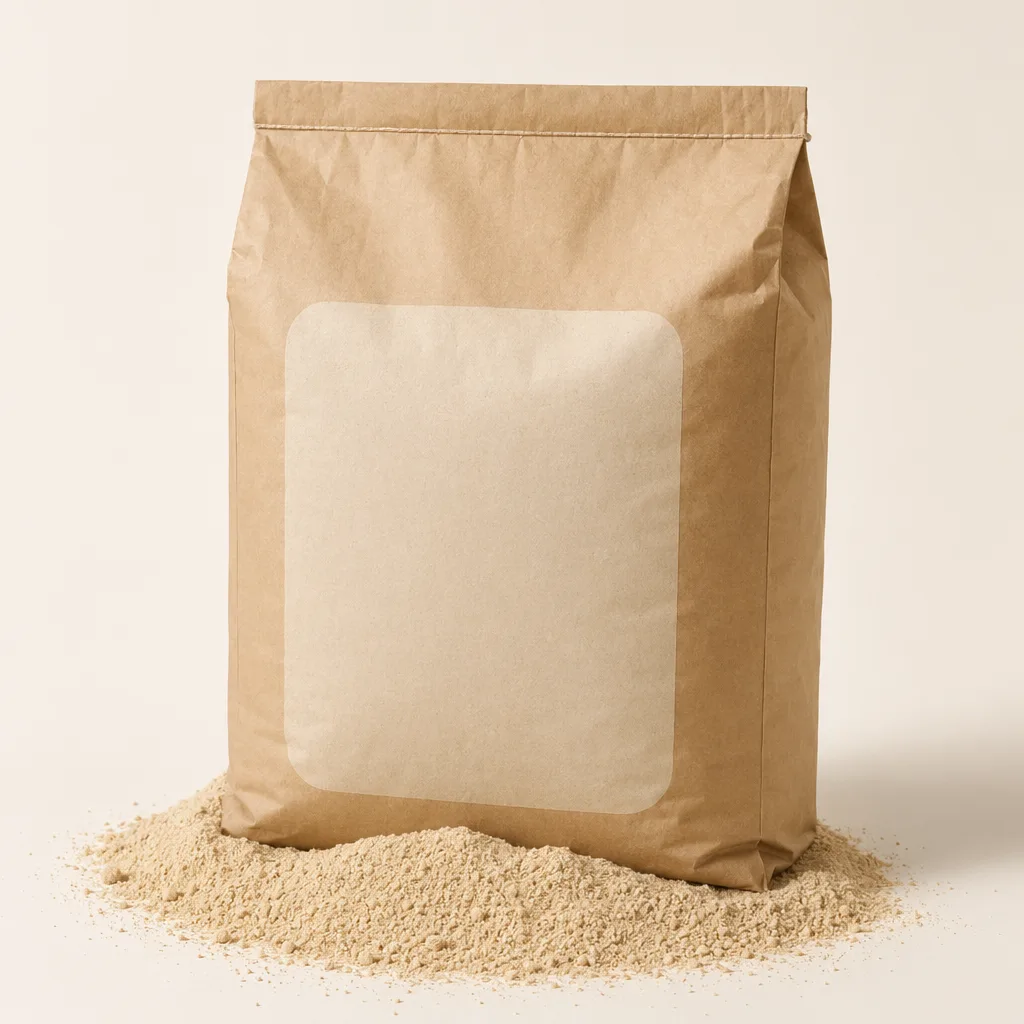
β-Mannanase Enzyme for Food, Feed, and Brewing
Industrial enzyme — β-mannanase for food, feed, brewing, and biotechnology processing.