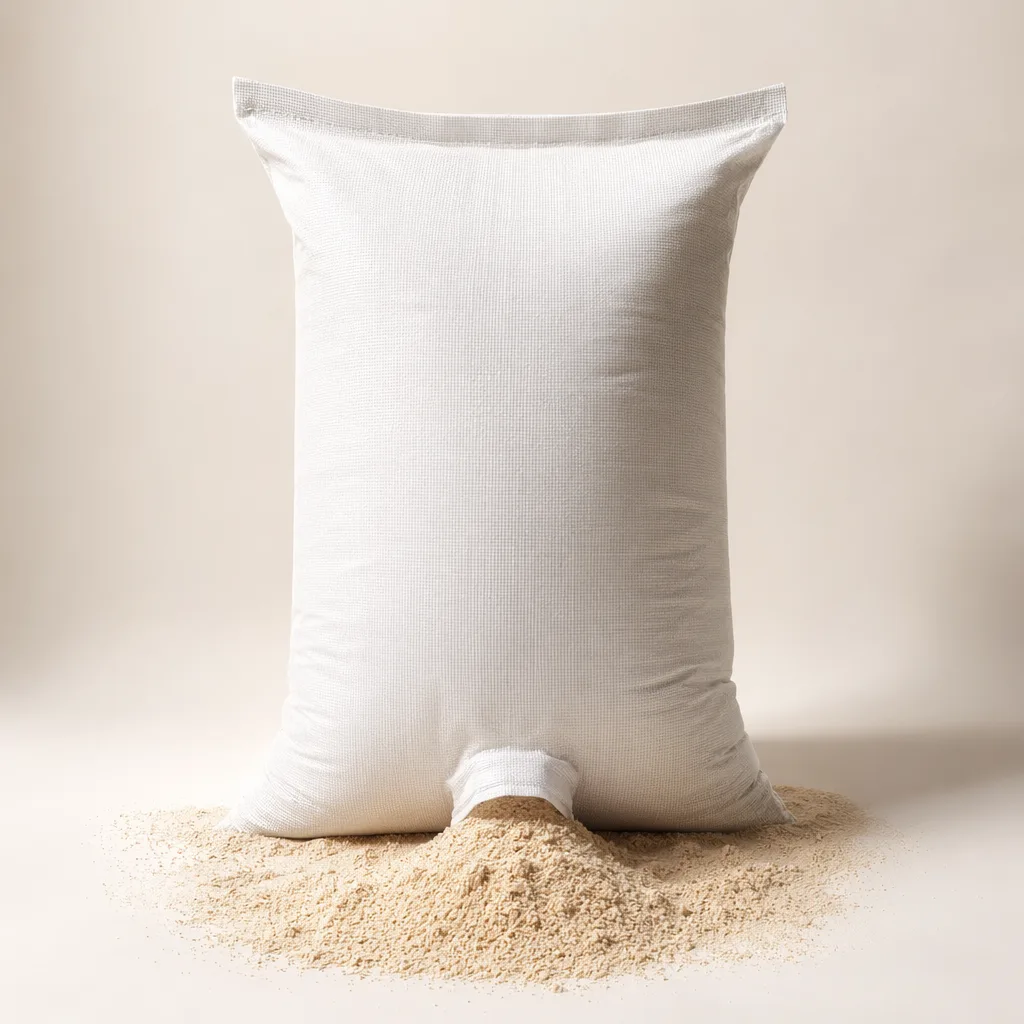
Hydrolyzed Yeast for Animal Feed and Aquaculture
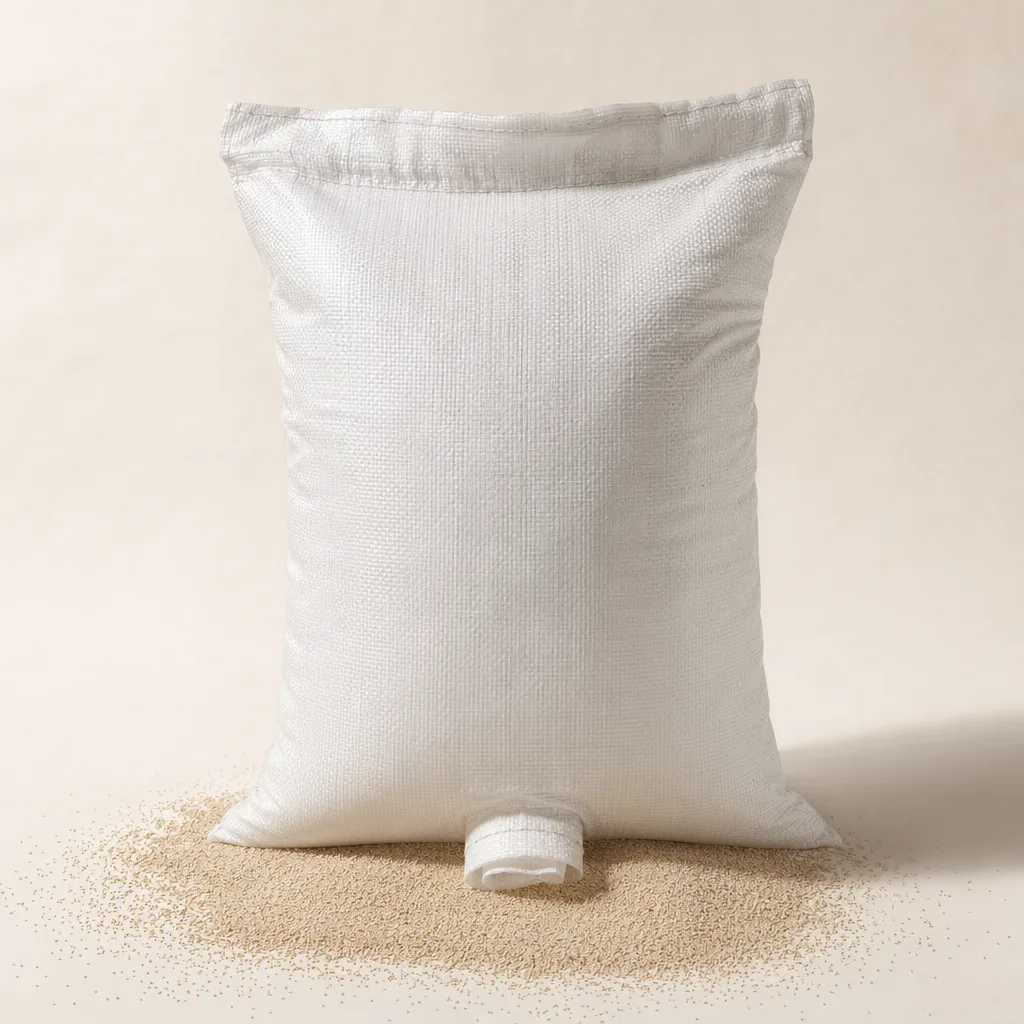
Hydrolyzed yeast for animal feed is a non-live yeast ingredient produced by controlled hydrolysis of yeast cells to provide soluble peptides, amino acids, cell-wall fractions, and nucleotide-rich components for formulated diets. ArtemisYeast supplies ART-AN-072 in 25 kg woven polypropylene feed sacks for feed mills, premix plants, integrators, and aquaculture formulators. Wholesale pricing on request is available for container, pallet, and recurring contract volumes through the bulk inquiry channel.
- ✓ Free worldwide shipping
- ✓ ISO-aligned manufacturing
- ✓ Certificate of Analysis on request
- ✓ Bulk & custom volumes quoted on request
Overview
ART-AN-072 is a feed-grade hydrolyzed yeast ingredient intended for livestock, poultry, ruminant, swine, companion animal, and aquaculture feed systems. The product is derived from yeast biomass processed to open the cell structure and release intracellular nutrients while retaining functional cell-wall fractions. It is supplied as a tan to light-brown powder with a characteristic yeast aroma, suitable for direct blending into complete feed, concentrates, mineral-vitamin premixes, and aquatic feed formulations.
Typical specification targets include moisture not more than 8.0%, crude protein 40-48%, ash not more than 8.0%, beta-glucan 18-25%, mannan oligosaccharides 12-18%, and nucleotide content commonly in the 3-8% range depending on production lot and test method. Particle size is generally 90% through 80 mesh unless another milling profile is confirmed. As a hydrolyzed, non-live yeast product, it is specified by compositional analysis rather than CFU/g. Related feed yeast products are listed under animal nutrition yeast.
Applications
- Aquaculture feeds: used in shrimp, tilapia, carp, salmonid, catfish, and marine fish diets where formulators require yeast-derived peptides, nucleotides, beta-glucan, and mannan-rich fractions with good dispersion in mash before extrusion or pelleting.
- Swine and poultry nutrition: suitable for starter, grower, breeder, and layer formulations as a palatable yeast component that can be blended with protein meals, organic acids, minerals, and premix carriers.
- Ruminant and calf feed: used in compound feed, milk replacer support blends, and specialty nutritional packs where a heat-stable, non-viable yeast hydrolysate is preferred over live culture.
- Premix and specialty feed manufacturing: compatible with standard ribbon blenders, paddle mixers, micro-dosing systems, and bagging lines. The fine powder format supports uniform distribution when added with other dry ingredients.
- Formulation guidance: typical inclusion is determined by species, feed cost target, and finished-feed claim strategy. Common evaluation ranges are 0.5-5.0 kg per metric ton, subject to the nutritionist’s formulation and local feed regulations.
Storage and Handling
Store ART-AN-072 in the original 25 kg woven polypropylene feed sack in a cool, dry, ventilated warehouse away from direct sunlight, condensation, strong odors, and chemical contaminants. Recommended storage temperature is below 25°C with relative humidity controlled where possible. Under unopened, dry storage conditions, typical shelf life is 24 months from manufacture; confirm the lot-specific date on the certificate of analysis and bag label.
Use standard dry-powder handling practices. Avoid excessive dust generation during tipping and transfer, and close partially used bags promptly to limit moisture pickup. The ingredient can be added before pelleting or extrusion; however, each plant should validate retention of target analytical markers under its own thermal profile, residence time, and conditioning moisture.
Quality and Documentation
ArtemisYeast supplies hydrolyzed yeast to procurement teams that require lot traceability, practical specifications, and export-ready documentation. Manufacturing is managed under feed-grade quality controls with HACCP-aligned process management. Lot documents can include certificate of analysis, specification sheet, safety data sheet, allergen statement, non-GMO statement where applicable, heavy metals and microbiology results, and country-of-origin documents. Documentation for ISO 22000, FSSC 22000, Halal, or Kosher status can be provided where applicable to the production site and lot.
Typical microbiological limits are controlled to feed-grade requirements, with total plate count, yeast and mold, coliforms, and Salmonella status reported according to the agreed test plan. Heavy metals such as lead, arsenic, cadmium, and mercury can be tested against destination-market limits. Visit quality and documentation or request a bulk quote when you need pre-shipment samples, specification confirmation, or packaging marks for ART-AN-072.
Storage & Handling
Refer to the CoA for product-specific storage conditions. Ship cold-chain where required.
Quality & Documentation
Manufactured under ISO-aligned quality management systems. Full documentation — Certificate of Analysis (CoA), Material Safety Data Sheet (MSDS), formulation summary, and stability data — is available on request. Email info@artemisyeast.com with the SKU.
About this product
01 What is the typical shelf life?
02 Do you offer documentation (CoA, food-grade declaration)?
03 What is the minimum order quantity?
04 Is bulk pricing available?
05 How is this product shipped internationally?
More from Animal Nutrition Yeast
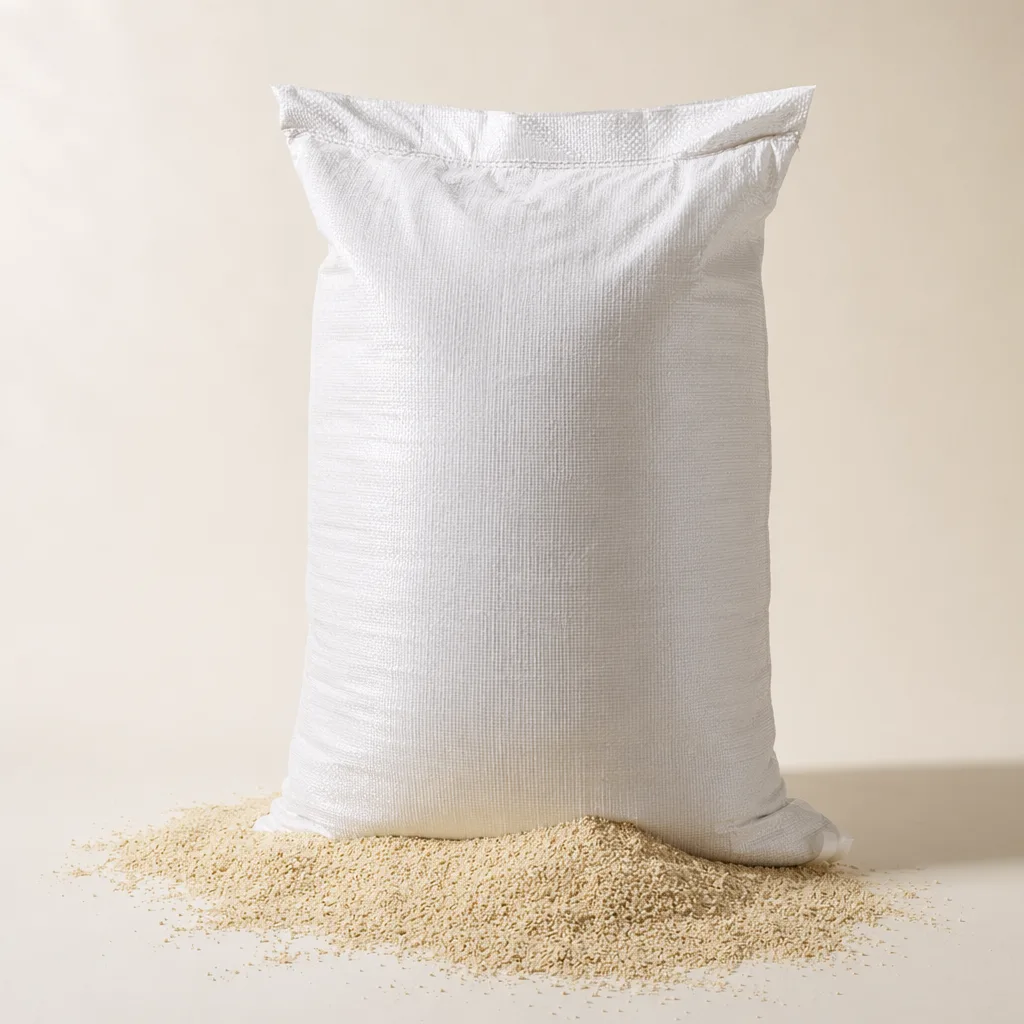
Feed-Grade Yeast Cell Wall for Animal Nutrition
Feed-grade yeast cell wall for livestock, poultry, ruminant, swine, and aquaculture nutrition.
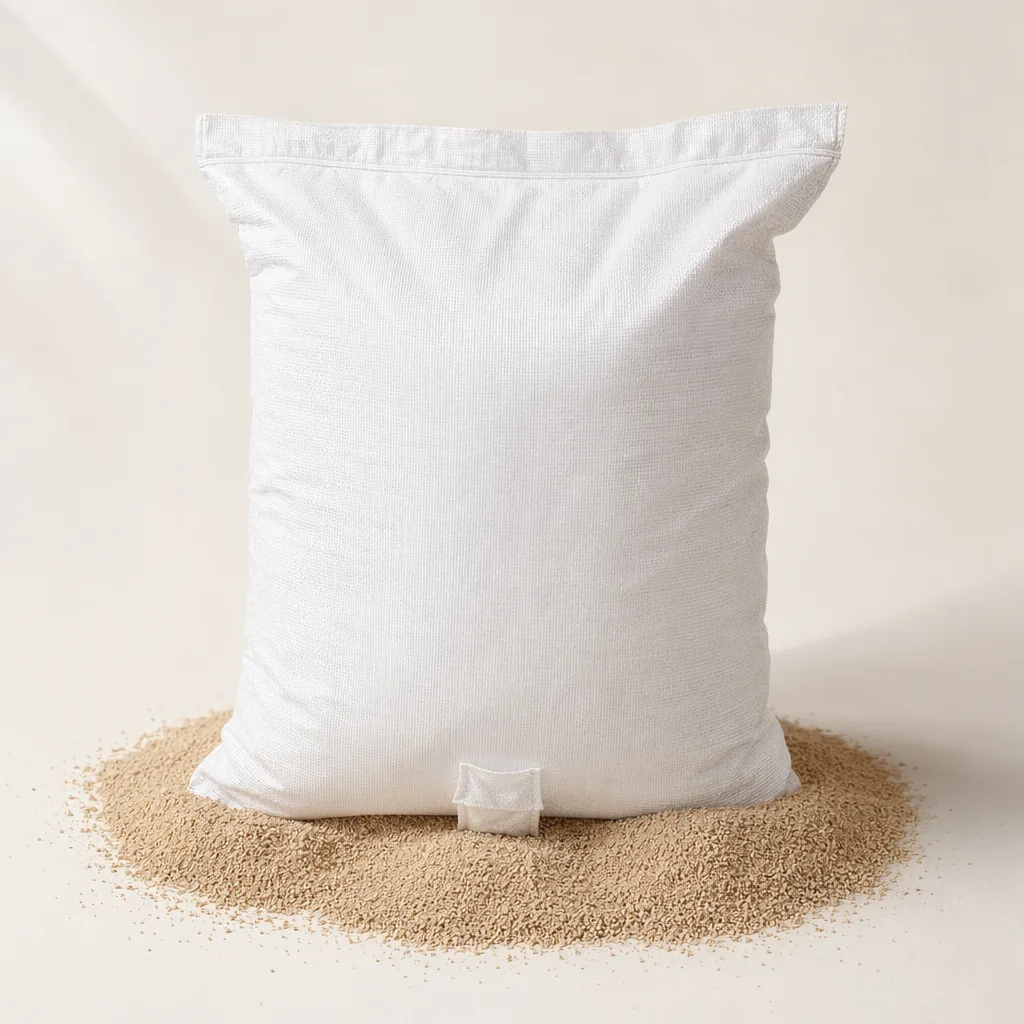
Feed Yeast AGP Alternative for Animal Nutrition
Feed-grade antibiotic(agps) alternative for livestock, poultry, ruminant, swine, and aquaculture nutrition.
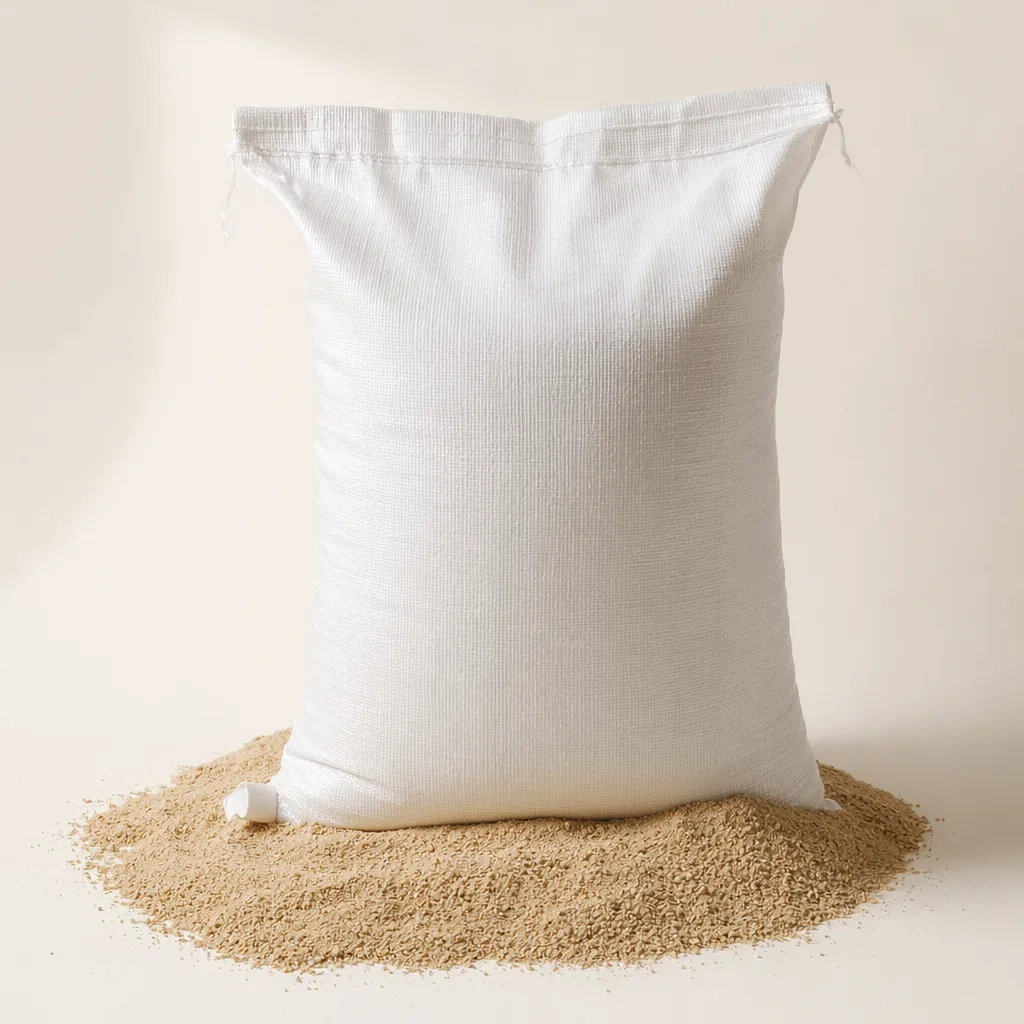
Feed-Grade Mycotoxin Binder for Animal Nutrition
Feed-grade mycotoxin binder for livestock, poultry, ruminant, swine, and aquaculture nutrition.
Ruminant Active Dry Yeast for Animal Feed
Feed-grade r+ active dry yeast ruminant for livestock, poultry, ruminant, swine, and aquaculture nutrition.