
Maltogenic Amylase
Maltogenic amylase is a food-processing enzyme that hydrolyzes starch into maltose and shorter dextrins under controlled production conditions. ArtemisYeast supplies ART-EN-012 in 25 kg multi-wall sacks for industrial bakeries, breweries, feed mills, and fermentation processors. The product is selected for consistent activity, dry blending performance, and compatibility with flour, mash, and compound feed systems. Wholesale pricing on request is available for qualified buyers, contract manufacturers, and distributors.
- ✓ Free worldwide shipping
- ✓ ISO-aligned manufacturing
- ✓ Certificate of Analysis on request
- ✓ Bulk & custom volumes quoted on request
Overview
ART-EN-012 maltogenic amylase is an industrial enzyme preparation used where controlled starch modification is required. In wheat dough, it converts gelatinized starch fractions during baking into maltose and limit dextrins, supporting crumb softness, sliceability, and finished-product consistency. In brewing and fermentation streams, it can support fermentable sugar adjustment, attenuation planning, and mash performance where process temperature, pH, and residence time are validated by the user.
The standard pack is a 25 kg multi-wall sack suitable for plant-scale dosing and dry ingredient rooms. Typical commercial specifications may include light tan to off-white powder appearance, moisture not more than 8%, declared enzyme activity by lot on the Certificate of Analysis, and low dust handling when transferred through enclosed systems. Activity units, carrier system, particle size, and allergen status should be confirmed against the lot-specific specification sheet. Related processing ingredients can be reviewed under enzymes and fermentation products, and supply questions can be routed through bulk quote on request.
Applications
- Industrial bread and bun production: Used in flour improver systems, premixes, frozen dough programs, par-baked goods, sandwich bread, tortillas, rolls, and sweet baked goods where consistent starch conversion and crumb texture are required.
- Craft and commercial brewing: Applied during mash or adjunct processing after bench validation to tune maltose generation, improve extract management, and support recipe repeatability in wort production.
- Food manufacturing: Suitable for starch-based processing where maltose profile, viscosity reduction, or dextrin structure is part of the product design. R&D teams should establish target dosage by substrate type, solids content, pH, and heat profile.
- Animal feed and livestock nutrition processing: May be used in grain-based feed manufacturing and pre-processing systems where starch modification is specified by the formulator. Use level should be aligned with pellet conditioning temperature and retention time.
- Biotechnology and fermentation preparation: Supports substrate conditioning in non-sterile and controlled fermentation feedstock preparation, subject to customer validation for downstream compatibility.
Storage and Handling
Store unopened sacks in a dry, cool, well-ventilated warehouse, ideally below 25°C and away from direct sunlight, steam lines, high humidity, oxidizing chemicals, and strong odors. Keep the inner liner sealed after opening and use clean, dry scoops or closed transfer equipment. Typical shelf life is 12 to 18 months from manufacture when stored in original packaging under recommended conditions; confirm the exact retest or expiry date on the lot documentation.
As with most powdered enzyme preparations, avoid inhalation of airborne dust and minimize skin or eye contact during weighing, tipping, and blending. Plant managers should use local exhaust ventilation, dust-controlled transfer, gloves, eye protection, and respiratory protection where risk assessment requires it. Do not mix directly with hot water or high-temperature mash without process validation, as excessive heat may reduce enzyme activity.
Quality and Documentation
ArtemisYeast supplies ART-EN-012 for B2B procurement with lot traceability, specification review, and export documentation support. A Certificate of Analysis can report declared activity, appearance, moisture, microbiological limits where applicable, and batch identification. Safety Data Sheet, technical data sheet, food-grade declaration, allergen statement, non-GMO statement, Halal or Kosher documentation, and HACCP, ISO 22000, or FSSC 22000 records may be available on request depending on production site and lot.
Incoming quality teams should qualify the material under their own formula, process, and regulatory requirements before full-scale use. For supplier approval, ArtemisYeast can support document packs, retained-sample coordination, and logistics planning through the quality documentation process. Bulk quote on request is available for recurring 25 kg sack orders, pallet shipments, and container programs.
Storage & Handling
Refer to the CoA for product-specific storage conditions. Ship cold-chain where required.
Quality & Documentation
Manufactured under ISO-aligned quality management systems. Full documentation — Certificate of Analysis (CoA), Material Safety Data Sheet (MSDS), formulation summary, and stability data — is available on request. Email info@artemisyeast.com with the SKU.
About this product
01 What is the typical shelf life?
02 Do you offer documentation (CoA, food-grade declaration)?
03 What is the minimum order quantity?
04 Is bulk pricing available?
05 How is this product shipped internationally?
More from Enzymes & Fermentation Inputs

Protein and Nucleic Acid Processing Enzyme Powder
Industrial enzyme — protein & nucleic acid processing for food, feed, brewing, and biotechnology processing.
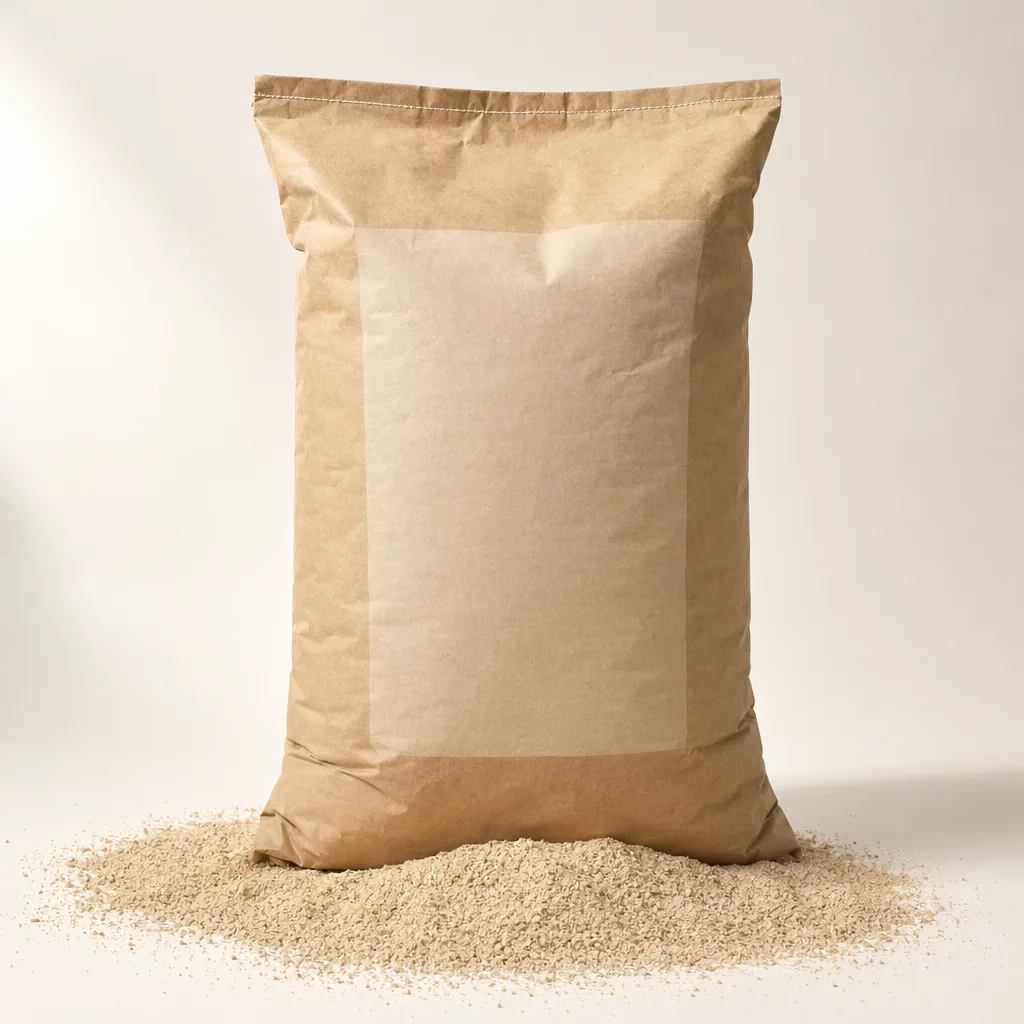
Industrial Alpha-Amylase Enzyme for Starch Processing
Industrial enzyme — α- amylase for food, feed, brewing, and biotechnology processing.
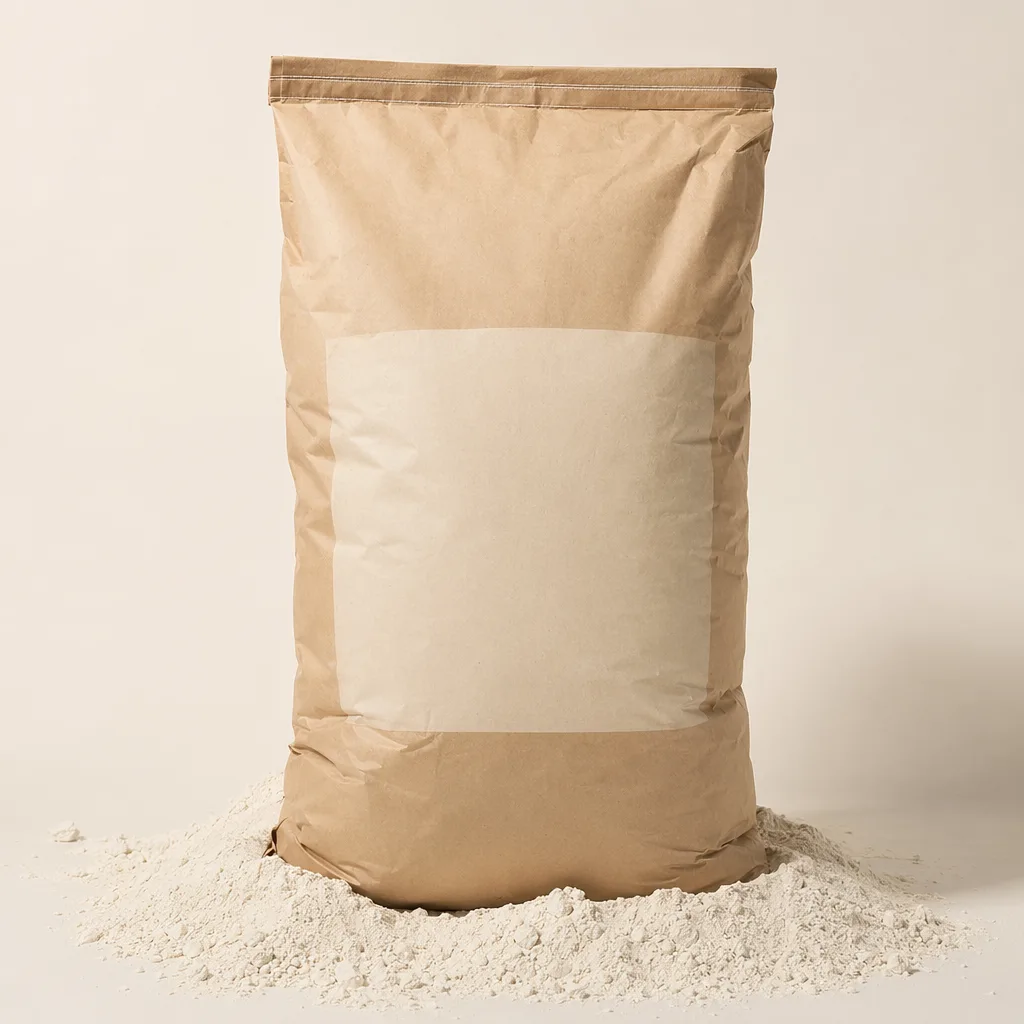
β-Glucanase Enzyme for Brewing, Baking and Feed
Industrial enzyme — β-glucanase for food, feed, brewing, and biotechnology processing.
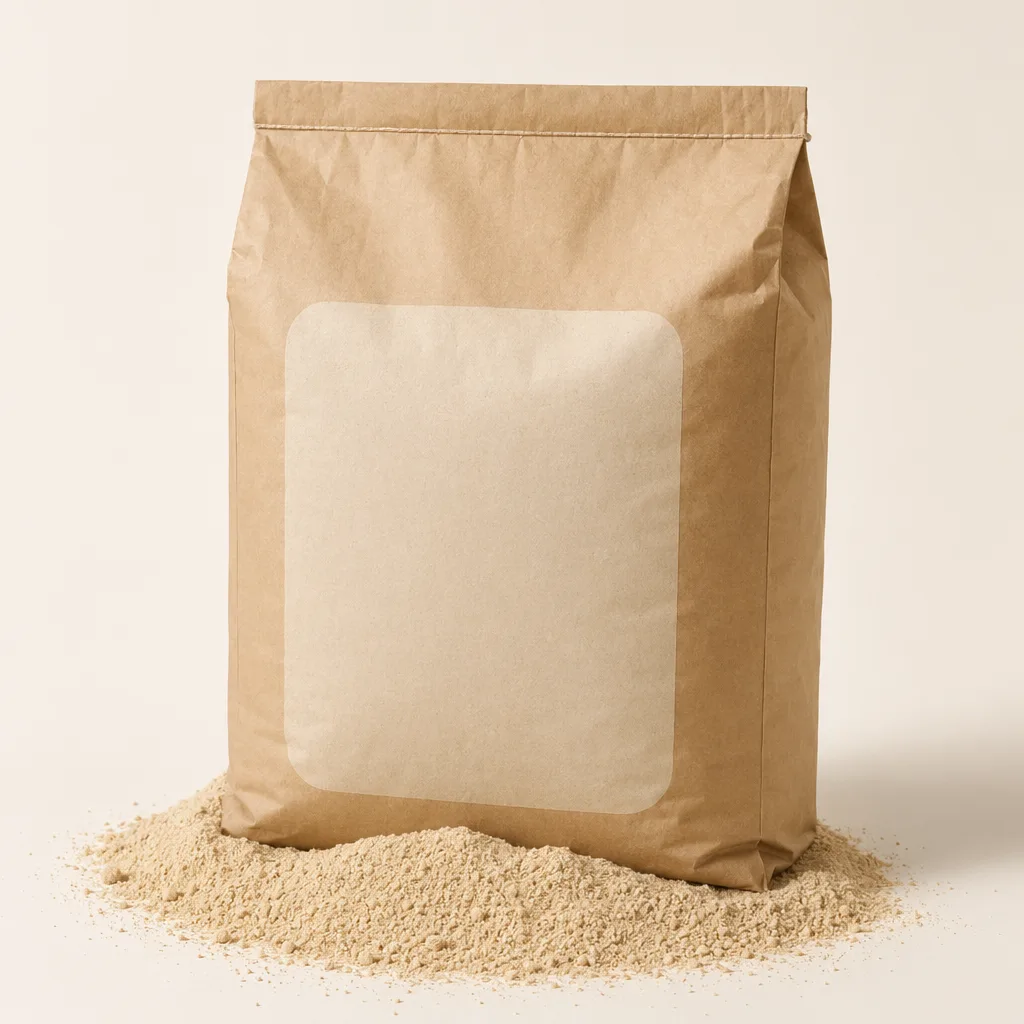
β-Mannanase Enzyme for Food, Feed, and Brewing
Industrial enzyme — β-mannanase for food, feed, brewing, and biotechnology processing.