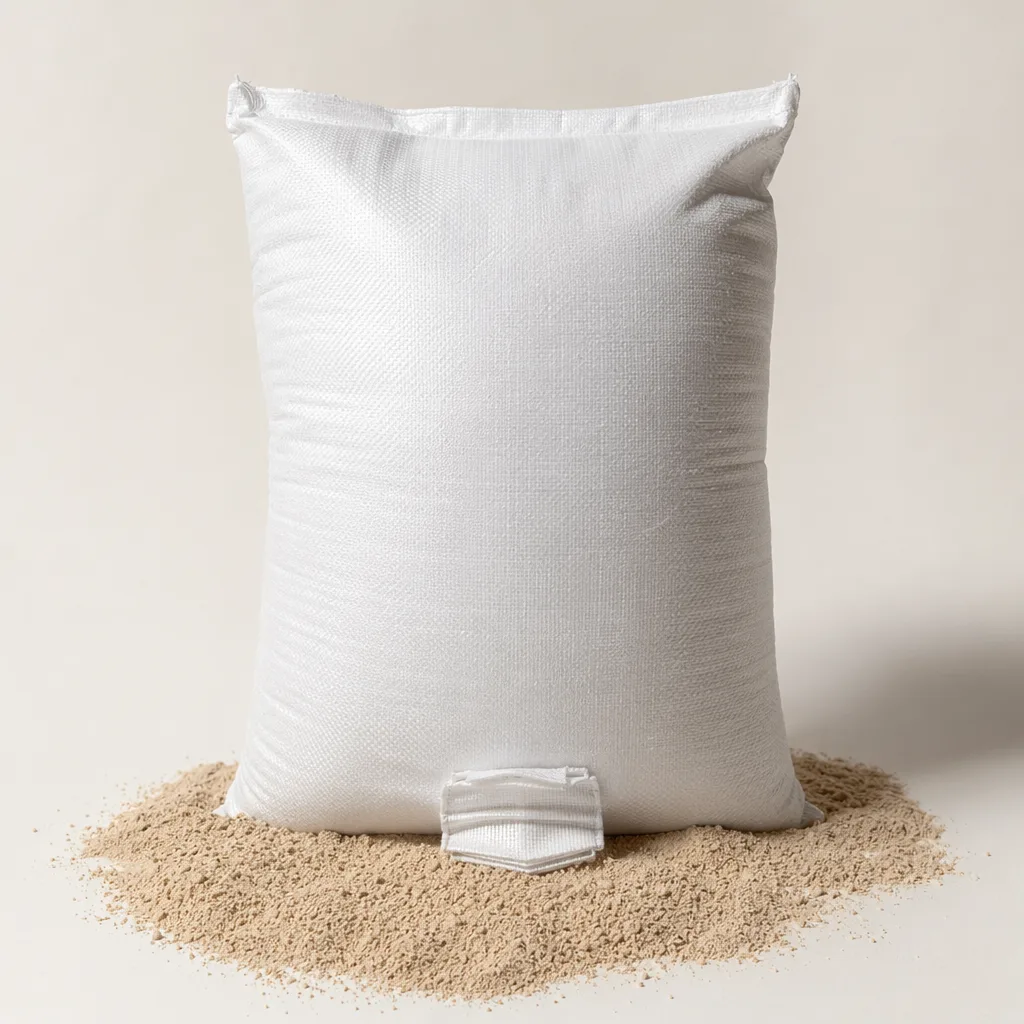
Organic Trace Element Feed Additive
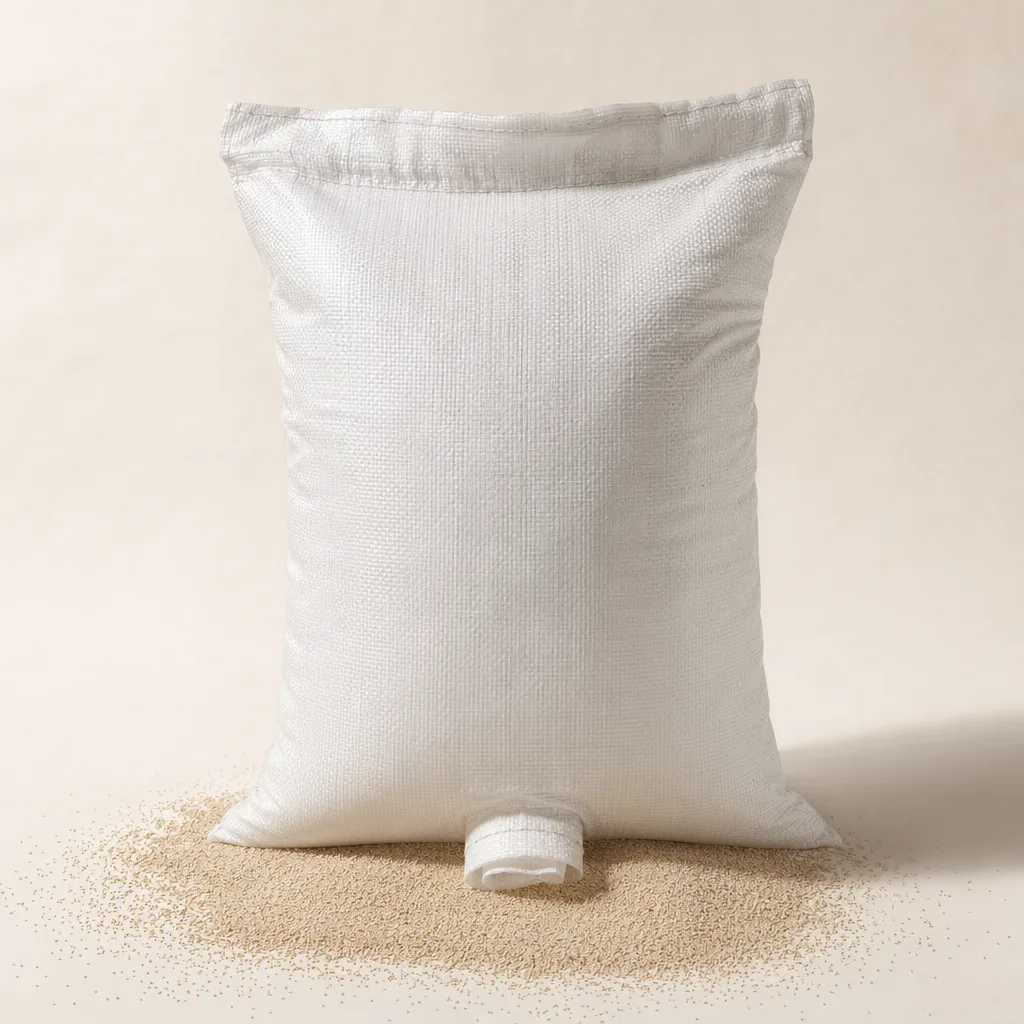
Organic Trace Element is a feed-grade mineral nutrition ingredient in which selected trace minerals are supplied in an organic, yeast-associated or complexed form for compound feed and aquaculture premix use. ART-AN-078 is supplied for livestock, poultry, ruminant, swine, and aquatic feed programs where procurement teams require consistent handling, documented composition, and export-ready packaging. Standard pack is a 25 kg woven polypropylene feed sack, with wholesale pricing on request for bulk orders.
- ✓ Free worldwide shipping
- ✓ ISO-aligned manufacturing
- ✓ Certificate of Analysis on request
- ✓ Bulk & custom volumes quoted on request
Overview
ART-AN-078 is designed for feed manufacturers and premix blenders that need an organic trace element source compatible with mash, pellet, crumble, and aquatic feed formats. In feed terminology, organic trace element refers to a mineral bound or associated with an organic carrier, such as yeast-derived solids or amino-acid and peptide fractions; it is not a statement of certified organic agricultural status unless separately documented. The product can be specified around common trace elements such as zinc, selenium, copper, manganese, iron, or chromium depending on the approved formulation and target species program.
Typical specification points may include moisture not more than 8.0%, controlled ash according to mineral loading, crude protein contribution from yeast carrier typically 25-45% where yeast-based, and particle size commonly 95% passing 40 mesh or as agreed for premix uniformity. Live yeast CFU is not the primary specification for this item unless a live culture grade is requested. For adjacent yeast nutrition ingredients, visit animal nutrition yeast, or send target mineral levels through our bulk quote request.
Applications
- Aquaculture feed: Used in fish and shrimp premixes where water-stable pellets, trace mineral balance, and low-dust blending are important to feed mill efficiency.
- Poultry and swine feed: Suitable for vitamin-mineral premixes, concentrates, and complete feeds requiring organically complexed trace mineral options for formulation flexibility.
- Ruminant nutrition: Applied in dairy, beef, sheep, and goat mineral packs where trace element inclusion must be consistent across small daily intakes.
- Premix and toll blending: Particle size, mineral assay, carrier ratio, and sack labeling can be aligned to the buyer specification, subject to technical review and regulatory suitability in the destination market.
- Feed manufacturer R&D: Useful for pilot formulations comparing inorganic mineral salts, yeast-associated trace minerals, and blended systems under practical pelleting and storage conditions.
Storage and Handling
Store ART-AN-078 in the original sealed 25 kg woven polypropylene feed sack in a cool, dry, and ventilated warehouse. Recommended storage is below 25°C with relative humidity controlled where practical; keep away from condensation, direct sunlight, strong odors, acids, and oxidizing materials. Under recommended conditions, typical shelf life is 18-24 months from production date, subject to the confirmed grade, mineral form, and local storage environment.
For plant handling, introduce the product through standard micro-ingredient or premix dosing systems after confirming flow properties and bulk density with the production lot. Operators should use routine feed-mill hygiene controls, dust extraction where needed, gloves, eye protection, and closed transfer methods for fine powders. Reseal partly used sacks promptly to limit moisture uptake and segregation. Do not use caked, wet, or contaminated material in feed production.
Quality and Documentation
ArtemisYeast supplies ART-AN-078 as an inquiry-only, specification-driven feed ingredient. A typical lot file can include certificate of analysis, product specification, safety data sheet where applicable, feed-grade declaration, country-of-origin statement, allergen or GMO status statement when available, and heavy metal and microbiological results on request. Target assays may cover the named trace mineral content, moisture, ash, particle size, lead, arsenic, cadmium, mercury, total plate count, yeast and mold, coliforms, and salmonella absence in the tested sample size.
Manufacturing and supplier documentation may be reviewed against HACCP-aligned controls, ISO 22000, FSSC 22000, Halal, or Kosher documentation where available for the selected plant and formulation; such documents should be confirmed before purchase order placement. Procurement teams can review ArtemisYeast documentation practices at quality and documentation. Final use must comply with feed regulations, species limits, and trace mineral maximums in the importing country.
Storage & Handling
Refer to the CoA for product-specific storage conditions. Ship cold-chain where required.
Quality & Documentation
Manufactured under ISO-aligned quality management systems. Full documentation — Certificate of Analysis (CoA), Material Safety Data Sheet (MSDS), formulation summary, and stability data — is available on request. Email info@artemisyeast.com with the SKU.
About this product
01 What is the typical shelf life?
02 Do you offer documentation (CoA, food-grade declaration)?
03 What is the minimum order quantity?
04 Is bulk pricing available?
05 How is this product shipped internationally?
More from Animal Nutrition Yeast
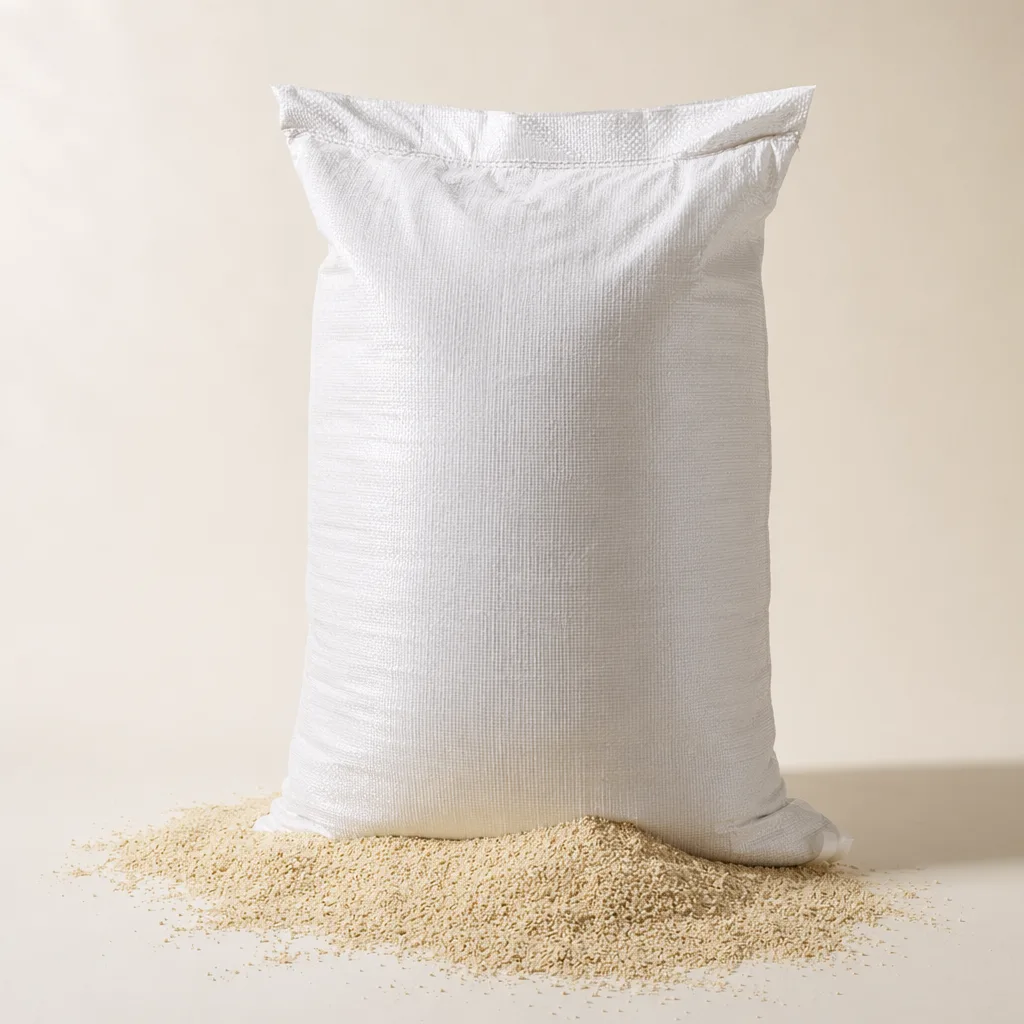
Feed-Grade Yeast Cell Wall for Animal Nutrition
Feed-grade yeast cell wall for livestock, poultry, ruminant, swine, and aquaculture nutrition.
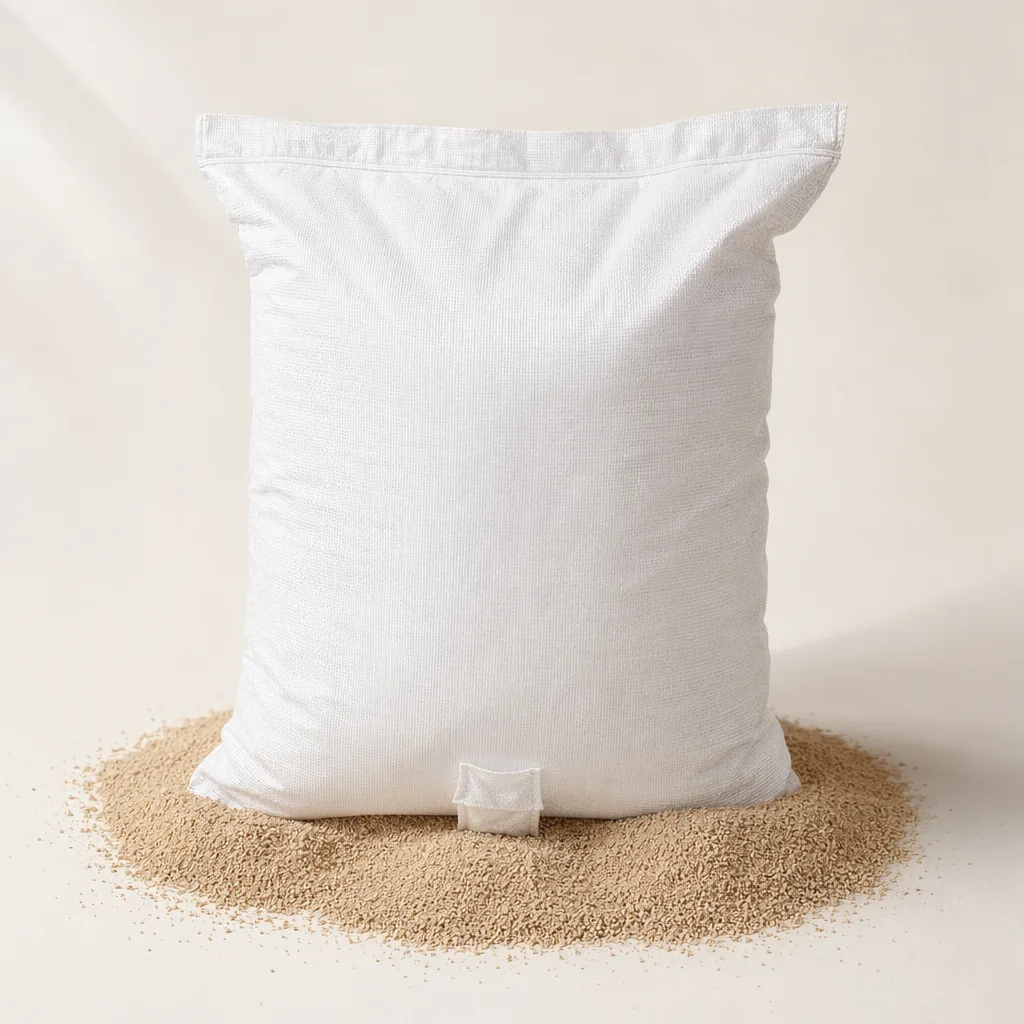
Feed Yeast AGP Alternative for Animal Nutrition
Feed-grade antibiotic(agps) alternative for livestock, poultry, ruminant, swine, and aquaculture nutrition.
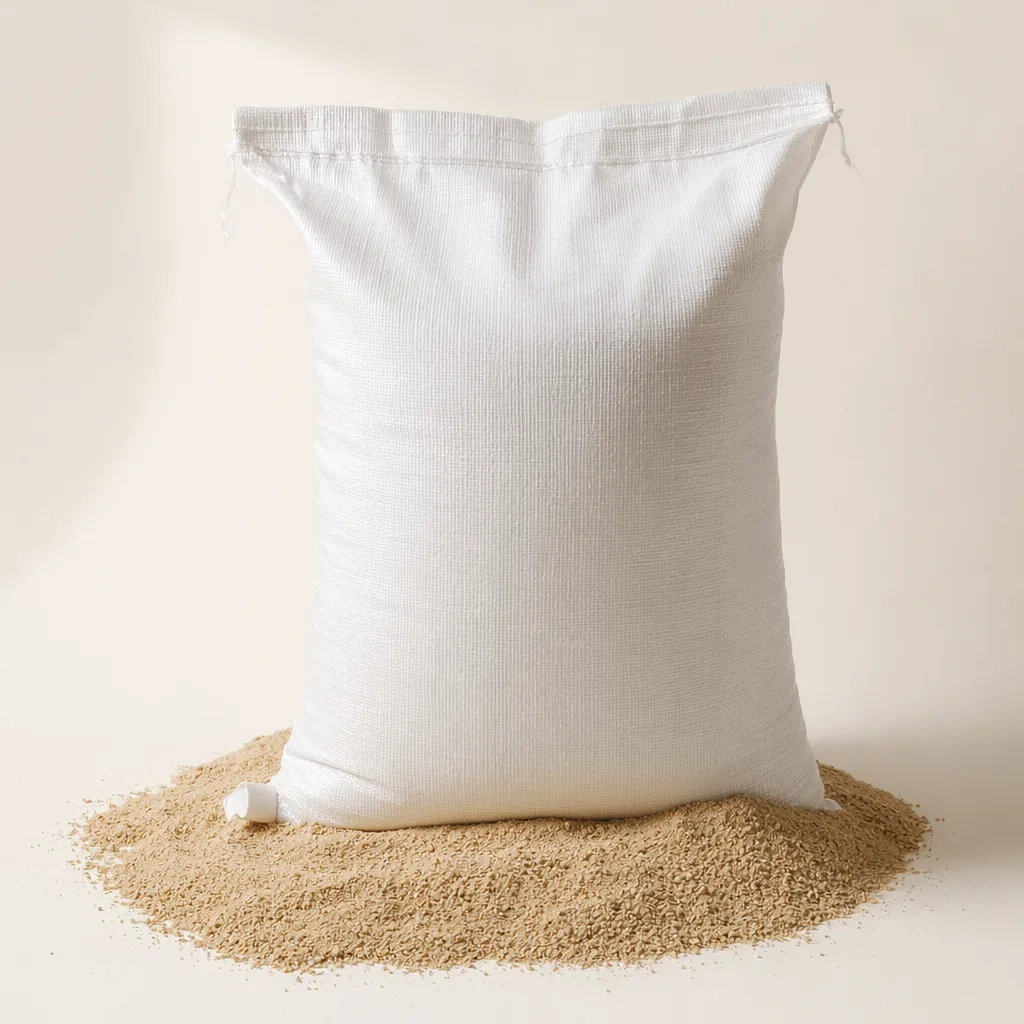
Feed-Grade Mycotoxin Binder for Animal Nutrition
Feed-grade mycotoxin binder for livestock, poultry, ruminant, swine, and aquaculture nutrition.
Ruminant Active Dry Yeast for Animal Feed
Feed-grade r+ active dry yeast ruminant for livestock, poultry, ruminant, swine, and aquaculture nutrition.