
Industrial Pectinase for Bread Baking
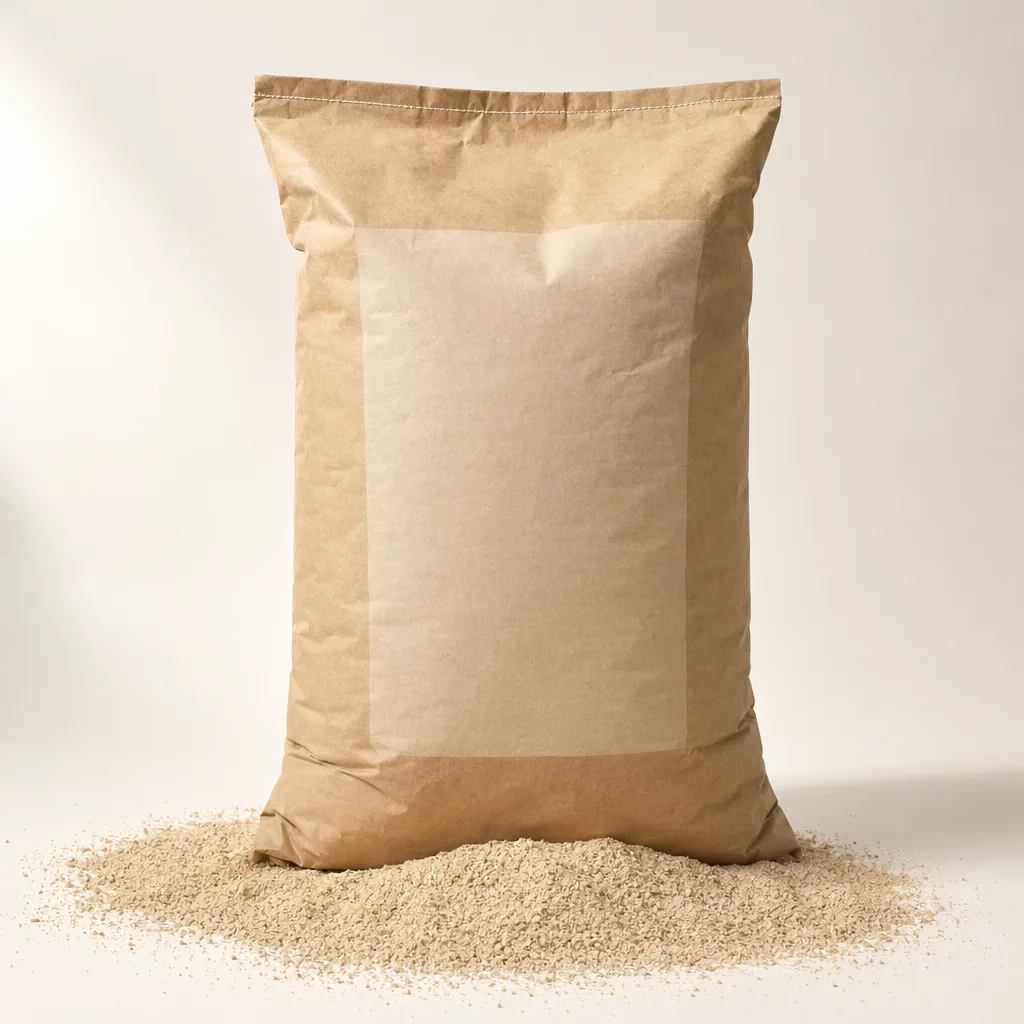
Industrial pectinase for bread baking is a food-processing enzyme preparation used to modify pectin-rich plant cell-wall fractions in flour, bran, and fruit-inclusion dough systems. ArtemisYeast supplies ART-EN-054 for industrial bakeries, premix manufacturers, and fermentation processors requiring controlled enzyme performance, batch documentation, and export-ready packaging. The product is offered in 25 kg multi-wall sacks with wholesale pricing on request for qualified bulk buyers.
- ✓ Free worldwide shipping
- ✓ ISO-aligned manufacturing
- ✓ Certificate of Analysis on request
- ✓ Bulk & custom volumes quoted on request
Overview
ART-EN-054 is an industrial pectinase enzyme preparation intended for bakery and fermentation processing where pectin degradation can improve dough behavior, ingredient dispersion, and process consistency. Pectinases hydrolyze pectic substances found in fruit materials, vegetable fibers, bran fractions, and some specialty grain systems. In bread baking, the enzyme is typically evaluated in wholegrain, multigrain, rye-blend, fruit-bread, and fiber-enriched formulations where pectin-rich components can increase water binding, affect viscosity, or reduce machinability.
Typical commercial specifications can be aligned to the buyer’s application, with activity commonly supplied in the range of 10,000-50,000 U/g or other agreed assay units, depending on method and formulation. Standard physical targets include free-flowing light tan to brown powder, moisture not more than 8%, carrier based on food-grade starch or dextrin, and particle size commonly passing 80 mesh. Functional conditions are normally strongest in mildly acidic systems, with a working pH around 3.5-6.0 and process temperature around 35-55 °C, subject to bakery validation. For adjacent products, see the enzymes and fermentation category.
Applications
- Industrial bread production: used in sponge-and-dough, straight-dough, and continuous bakery lines after flour trials to support dough handling and consistency in formulations containing pectin-bearing raw materials.
- Wholegrain and fiber-enriched breads: evaluated where bran, fruit fiber, beet fiber, citrus fiber, or vegetable inclusions increase water absorption and alter crumb structure.
- Fruit breads and sweet bakery: supports processing of doughs containing raisins, fruit preparations, jams, or fruit powders by reducing pectin-related viscosity and improving ingredient distribution.
- Bakery improver blends: suitable for premix and improver manufacturers formulating with amylase, xylanase, lipase, oxidizing systems, emulsifiers, or ascorbic acid, with compatibility confirmed by pilot bake.
- Brewing and grain processing: may be screened in mashes or plant-based extracts where pectic substances affect filtration, turbidity, or soluble solids release.
- Feed and biotechnology processing: used as a process enzyme for plant raw-material treatment where pectin breakdown is required before drying, extraction, or fermentation.
Storage and Handling
Store ART-EN-054 in the original sealed 25 kg multi-wall sack in a cool, dry, ventilated warehouse away from direct sunlight, steam lines, and strong odors. Recommended storage is below 25 °C with relative humidity controlled to limit caking and activity loss. Under recommended storage, typical shelf life is 12-24 months depending on final assay, packaging configuration, and destination climate; the confirmed retest or expiry date is stated on the certificate of analysis.
As with all powdered enzymes, avoid inhalation of dust and minimize aerosol generation during weighing, premix addition, and line charging. Operators should use local exhaust ventilation and appropriate personal protective equipment according to the site safety program. Reseal opened sacks promptly, keep tools dry, and do not return unused material from the production floor to the original container. Recommended bakery dosage is application-specific; buyers commonly begin evaluation at 10-100 g per metric ton of flour or according to lab-bake design, then adjust for flour quality, inclusion level, fermentation time, and target crumb characteristics.
Quality and Documentation
ArtemisYeast supplies ART-EN-054 on an inquiry basis for manufacturers that require traceable lots, export documentation, and specification review before purchase. Each shipment can be supported with a certificate of analysis covering activity, appearance, moisture, and microbiological parameters as applicable to the agreed grade. Typical food-enzyme microbiological targets may include limits for total plate count, yeast and mold, coliforms, Salmonella absence, and Escherichia coli absence, subject to final specification.
Manufacturing and supply documentation may include HACCP-aligned process information, allergen statement, food-grade declaration, non-GMO statement where available, Halal or Kosher documentation where available, ISO 22000 or FSSC 22000 documentation where available, safety data sheet, and packing list. Buyers can review document availability through the quality and documentation page before tender submission. For samples, technical comparison, or a bulk quote on request, submit requirements through request a quote with SKU ART-EN-054, annual volume, destination port, target activity, and application details.
Storage & Handling
Refer to the CoA for product-specific storage conditions. Ship cold-chain where required.
Quality & Documentation
Manufactured under ISO-aligned quality management systems. Full documentation — Certificate of Analysis (CoA), Material Safety Data Sheet (MSDS), formulation summary, and stability data — is available on request. Email info@artemisyeast.com with the SKU.
About this product
01 What is the typical shelf life?
02 Do you offer documentation (CoA, food-grade declaration)?
03 What is the minimum order quantity?
04 Is bulk pricing available?
05 How is this product shipped internationally?
More from Enzymes & Fermentation Inputs

Protein and Nucleic Acid Processing Enzyme Powder
Industrial enzyme — protein & nucleic acid processing for food, feed, brewing, and biotechnology processing.
Industrial Alpha-Amylase Enzyme for Starch Processing
Industrial enzyme — α- amylase for food, feed, brewing, and biotechnology processing.

β-Glucanase Enzyme for Brewing, Baking and Feed
Industrial enzyme — β-glucanase for food, feed, brewing, and biotechnology processing.

β-Mannanase Enzyme for Food, Feed, and Brewing
Industrial enzyme — β-mannanase for food, feed, brewing, and biotechnology processing.