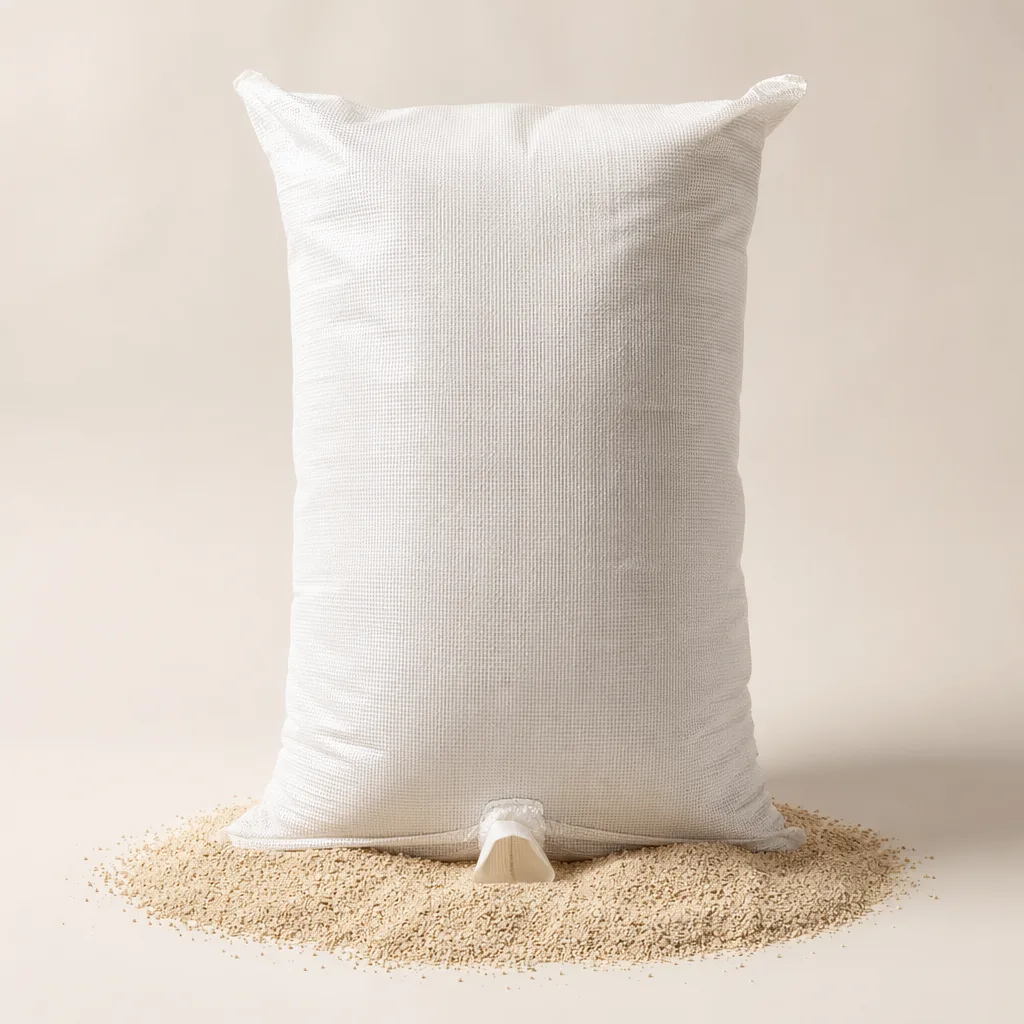
Feed-Grade Yeast Prebiotic
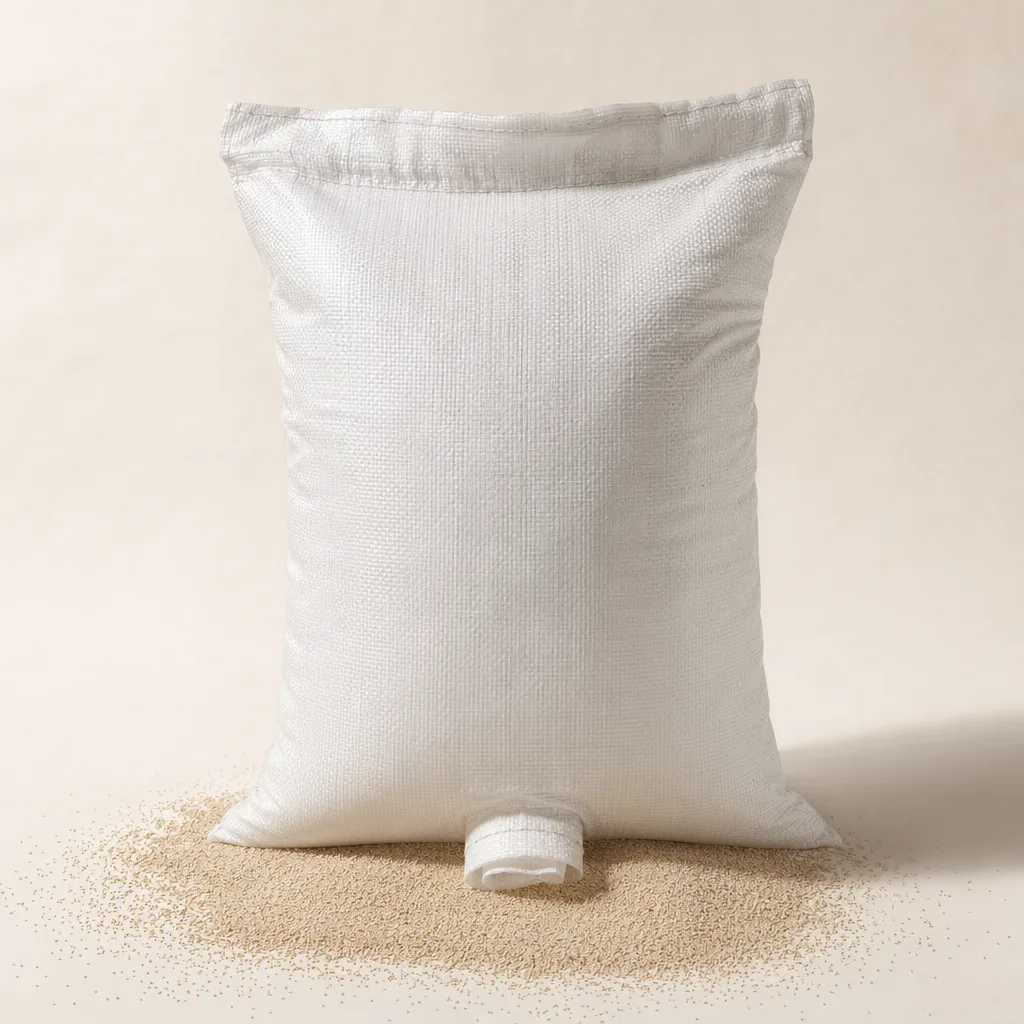
Feed-grade yeast prebiotic is a non-viable yeast cell wall ingredient used in compound feed and aquaculture diets to supply mannan-oligosaccharides and beta-glucans. ART-AN-081 is specified for livestock, poultry, swine, ruminant, and aquatic feed programs where formulators require a clean-label yeast-derived functional ingredient rather than a live probiotic. ArtemisYeast supplies this item in 25 kg woven polypropylene feed sacks, with wholesale pricing on request for distributors, feed mills, and integrated producers.
- ✓ Free worldwide shipping
- ✓ ISO-aligned manufacturing
- ✓ Certificate of Analysis on request
- ✓ Bulk & custom volumes quoted on request
Overview
ART-AN-081 is a feed-grade yeast prebiotic produced from selected yeast biomass and processed to concentrate insoluble yeast cell wall fractions. The key compositional targets are mannan-oligosaccharides, beta-glucans, residual protein, and mineral ash, giving nutritionists a consistent dry ingredient for inclusion in premixes, compound feeds, mineral packs, and aquaculture formulations. Typical specification ranges may include moisture ≤8.0%, crude protein 20–35%, beta-glucan ≥20%, mannan-oligosaccharides ≥18%, ash ≤8.0%, and particle size through 40–80 mesh, subject to final lot confirmation.
This product is not positioned as a live yeast and is normally specified without a CFU/g guarantee. That distinction is useful for procurement teams comparing yeast derivatives, because heat stability, blending behavior, and declared actives are usually more important than viability in pelleted and extruded feed systems. For adjacent feed yeast formats, buyers can review the animal nutrition yeast category and request a side-by-side specification sheet.
Applications
- Aquaculture feed: suitable for shrimp, fish, and other aquatic species diets where formulators need a dry yeast cell wall source compatible with extrusion, pellet coating, and premix addition.
- Poultry feed: used in broiler, layer, and breeder formulas as a yeast-derived prebiotic ingredient for performance-oriented ration design without relying on live organism counts.
- Swine nutrition: appropriate for nursery, grower, finisher, and sow feed systems where mannan and glucan fractions are included in the matrix for gut microbiota management and feed consistency.
- Ruminant diets: can be added to TMR premixes, concentrates, milk replacer support blends, and mineral supplements when a non-viable yeast cell wall source is preferred.
- Feed manufacturing: designed for bulk handling, ribbon blending, vertical mixing, and pelleting; confirm inclusion rate, thermal exposure, and carrier compatibility during plant trials.
Storage and Handling
Pack size is 25 kg net in woven polypropylene feed sacks with an inner liner or equivalent moisture barrier, depending on shipment configuration. Store unopened bags in a cool, dry, ventilated warehouse away from condensation, direct sunlight, strong odors, and chemicals. Recommended storage is below 25 °C with relative humidity below 65% where possible. Typical shelf life is 24 months from production date when stored in original packaging under recommended conditions.
After opening, reseal the bag and use promptly to minimize moisture pickup and dust generation. Standard feed plant dust controls, local exhaust, and personal protective equipment are recommended during tipping, weighing, and mixer charging. Do not store directly on floors; use clean pallets and apply first-in, first-out inventory control.
Quality and Documentation
ArtemisYeast supplies ART-AN-081 for professional feed manufacturing and ingredient distribution, with lot traceability and a certificate of analysis available for each shipment. Routine release parameters can include appearance, odor, moisture, protein, ash, beta-glucan, mannan-oligosaccharides, particle size, heavy metals, and microbiological indicators such as total plate count, yeast and mold, coliforms, Salmonella, and E. coli, according to the agreed specification.
Manufacturing is managed under HACCP-aligned controls, and documentation packs may include feed-grade declaration, allergen statement, GMO status statement, material safety data, origin information, and certification records such as ISO 22000, FSSC 22000, Halal, or Kosher where applicable to the producing site. Visit quality and documentation for sourcing controls, or submit a bulk quote request with target specification, destination port, and annual volume.
Storage & Handling
Refer to the CoA for product-specific storage conditions. Ship cold-chain where required.
Quality & Documentation
Manufactured under ISO-aligned quality management systems. Full documentation — Certificate of Analysis (CoA), Material Safety Data Sheet (MSDS), formulation summary, and stability data — is available on request. Email info@artemisyeast.com with the SKU.
About this product
01 What is the typical shelf life?
02 Do you offer documentation (CoA, food-grade declaration)?
03 What is the minimum order quantity?
04 Is bulk pricing available?
05 How is this product shipped internationally?
More from Animal Nutrition Yeast
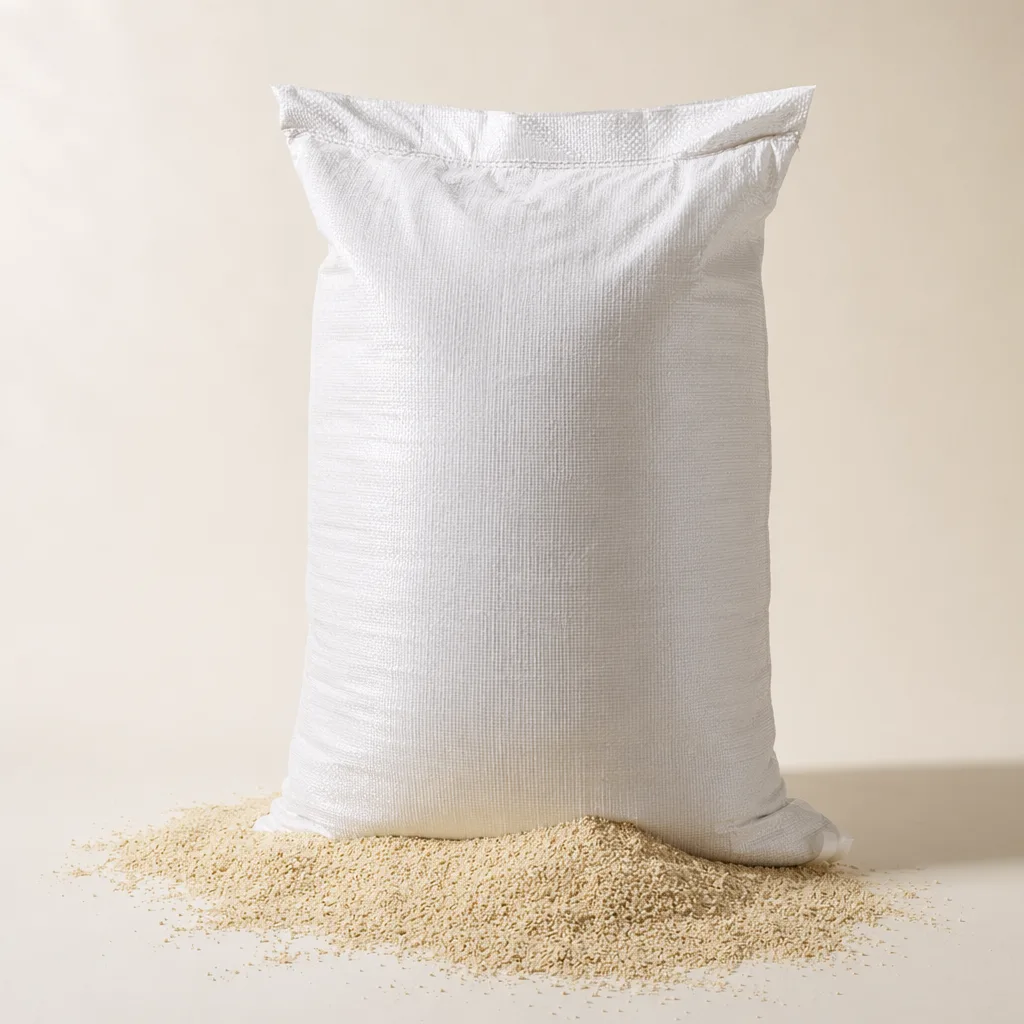
Feed-Grade Yeast Cell Wall for Animal Nutrition
Feed-grade yeast cell wall for livestock, poultry, ruminant, swine, and aquaculture nutrition.
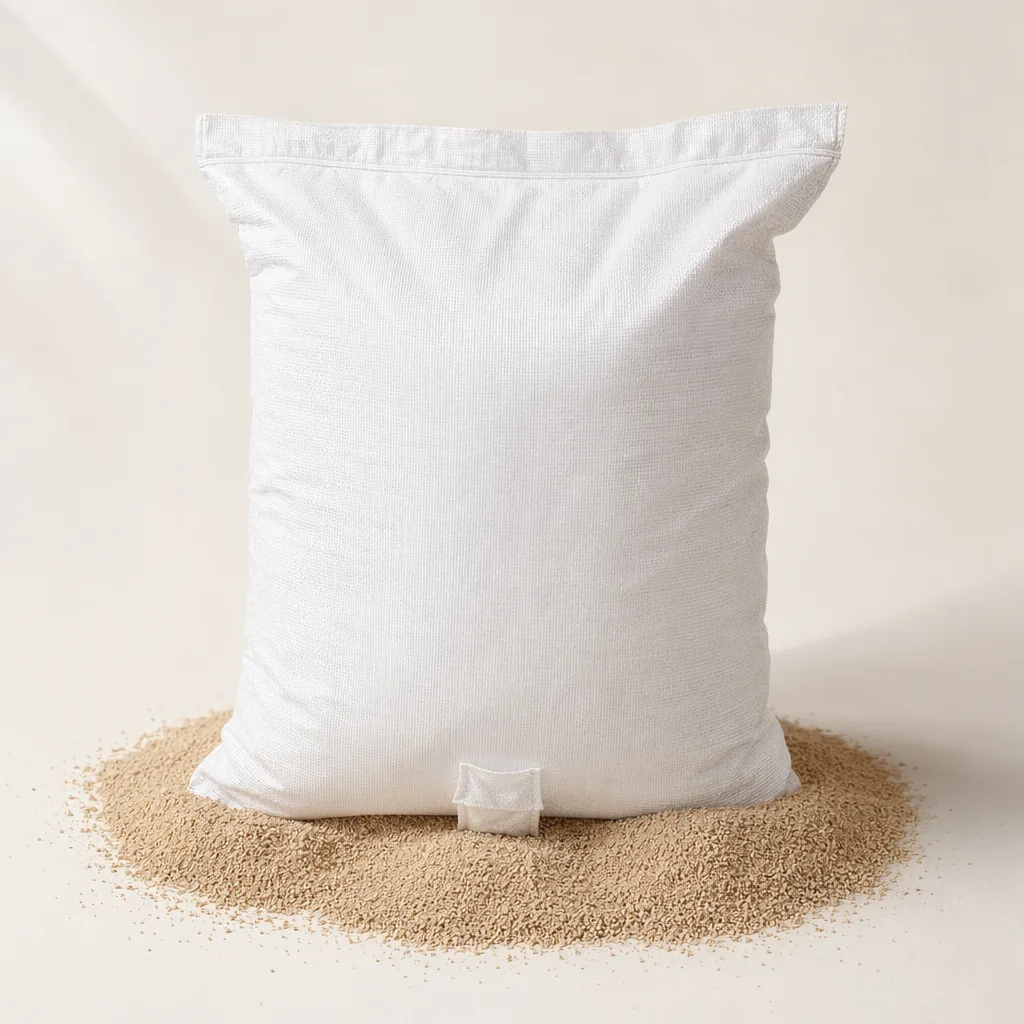
Feed Yeast AGP Alternative for Animal Nutrition
Feed-grade antibiotic(agps) alternative for livestock, poultry, ruminant, swine, and aquaculture nutrition.
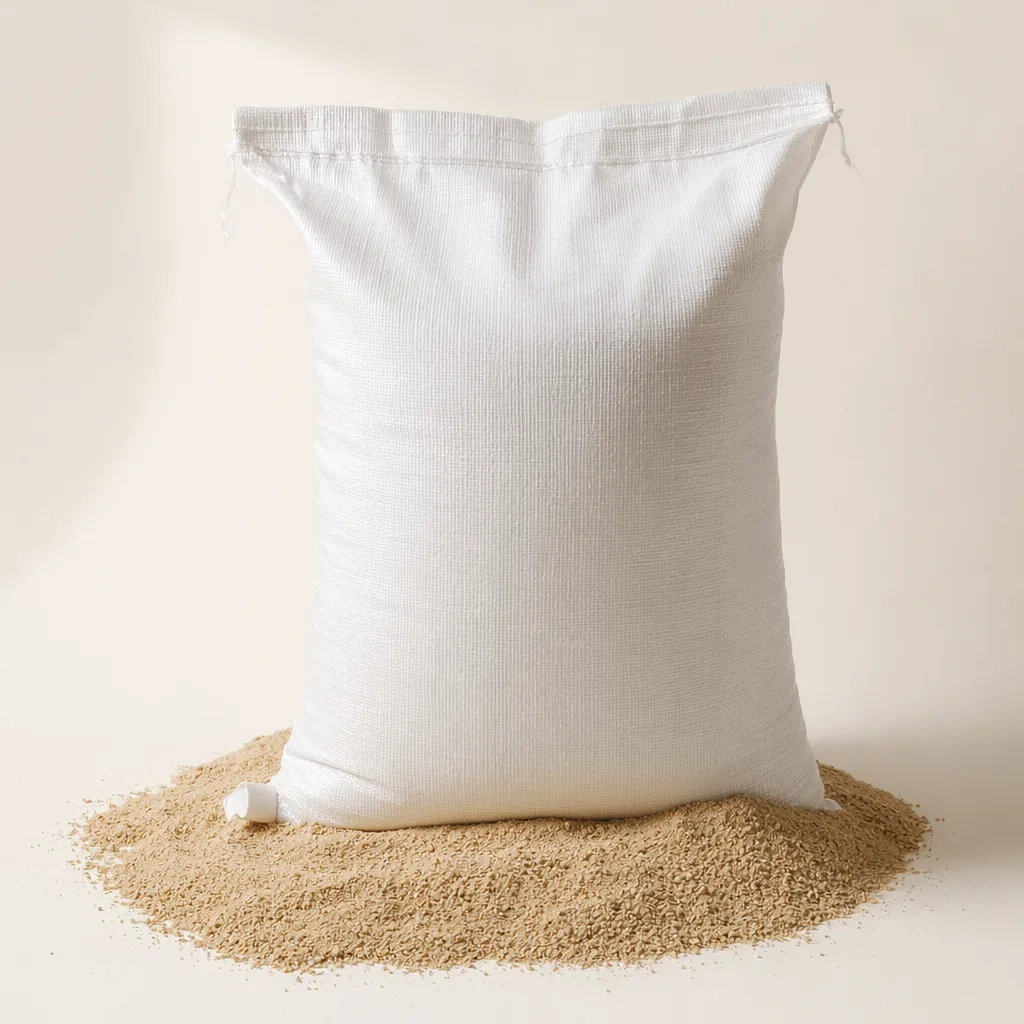
Feed-Grade Mycotoxin Binder for Animal Nutrition
Feed-grade mycotoxin binder for livestock, poultry, ruminant, swine, and aquaculture nutrition.
Ruminant Active Dry Yeast for Animal Feed
Feed-grade r+ active dry yeast ruminant for livestock, poultry, ruminant, swine, and aquaculture nutrition.