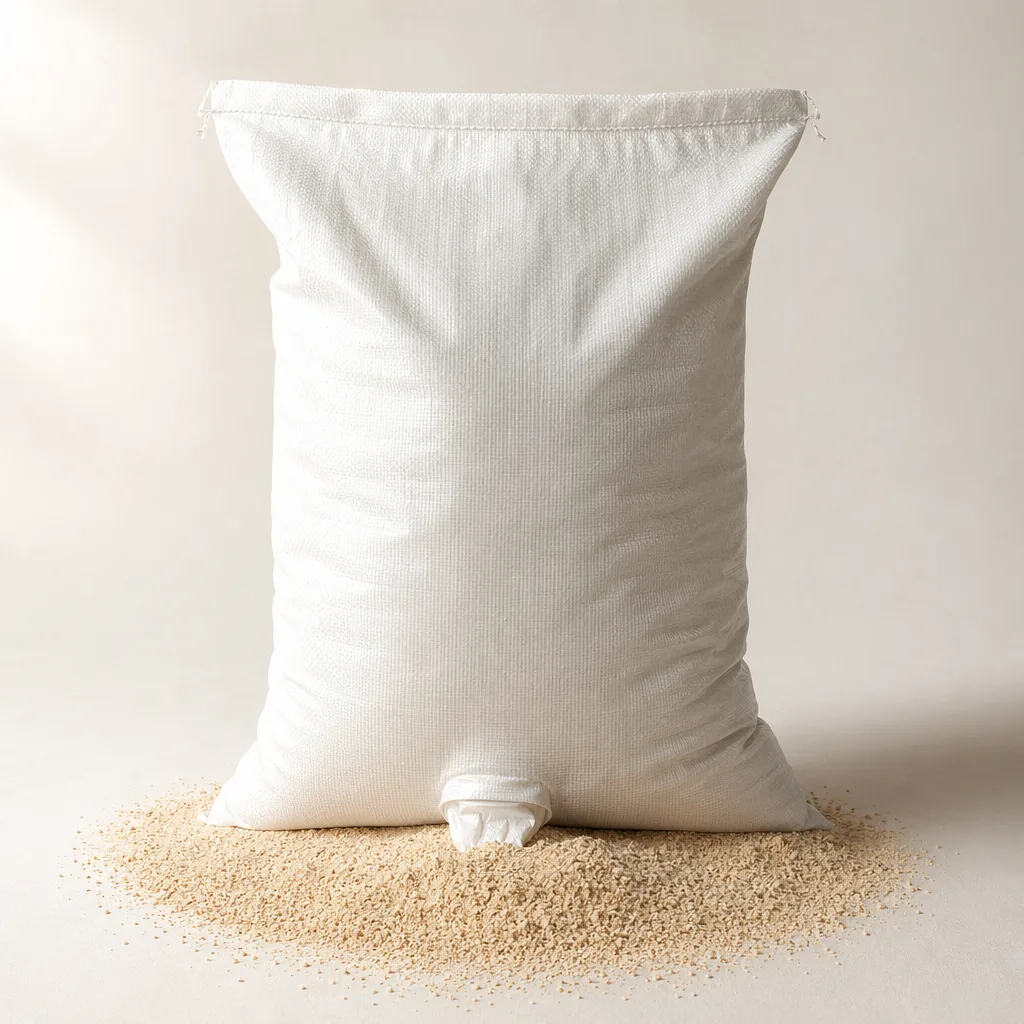
Feed-Grade Animal Probiotics Yeast
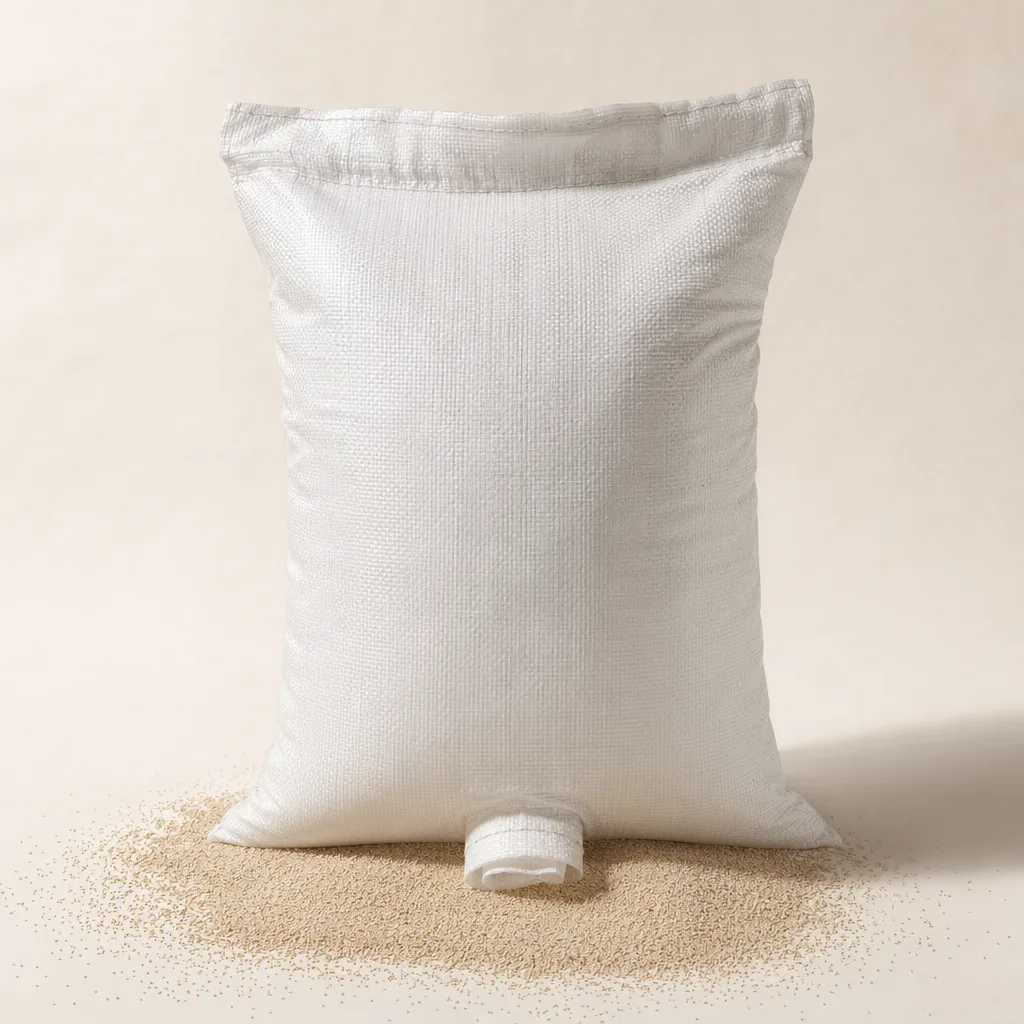
Animal probiotics yeast is a feed-grade live yeast culture used as a functional microbial ingredient in compound feed, premix, and farm ration programs. ART-AN-019 is supplied for livestock, poultry, swine, ruminant, and aquaculture nutrition in 25 kg woven polypropylene feed sacks. ArtemisYeast supports procurement teams with batch documentation, export packing, and wholesale pricing on request. For related feed yeast materials, see animal nutrition yeast.
- ✓ Free worldwide shipping
- ✓ ISO-aligned manufacturing
- ✓ Certificate of Analysis on request
- ✓ Bulk & custom volumes quoted on request
Overview
ART-AN-019 is a feed-grade probiotic yeast ingredient based on selected viable yeast culture, typically specified for inclusion in complete feed, premix, mineral blends, and on-farm formulations. It is designed for B2B feed manufacturing where lot consistency, moisture control, viable count, and clean handling are more important than retail presentation. Typical specification targets may include viable yeast count of not less than 1.0×10¹⁰ CFU/g, moisture not more than 8.0%, crude protein around 35-45% on a dry basis, and tan to light-brown free-flowing granules or powder. Final specifications are confirmed by lot and contract grade.
The product is suited to feed plants that require a stable dry microbial ingredient compatible with common mixers, ribbon blenders, premix carriers, and bagging lines. Particle size can be aligned to customer handling requirements, with common feed-grade material passing 40-80 mesh depending on the selected grade. ART-AN-019 is not a medicated feed additive and is supplied for nutritional formulation, feed processing, and animal production use under applicable local regulations.
Applications
- Livestock and ruminant feed: used in dairy, beef, sheep, and goat rations where formulators require a dry yeast probiotic ingredient for total mixed ration, concentrate, lick block, or premix systems.
- Poultry feed: suitable for broiler, layer, and breeder feed programs, including mash and pelleted feed where post-pellet application or temperature-controlled processing is preferred to maintain viable count.
- Swine nutrition: used in nursery, grower, finisher, and sow feed as part of a broader nutritional specification, often combined with yeast cell wall, minerals, organic acids, or other feed ingredients according to the formulator’s matrix.
- Aquaculture feed: applicable for fish and shrimp feed formulations where dry microbial ingredients are incorporated into extruded or coated diets; processing temperature and retention time should be reviewed during R&D trials.
- Premix and feed additive blending: compatible with common carriers such as rice hull powder, wheat bran, limestone, and dextrose when moisture and water activity are controlled. For volume planning, request a bulk quote through ArtemisYeast inquiry.
Storage and Handling
Store ART-AN-019 in the original unopened 25 kg woven polypropylene feed sack in a cool, dry, well-ventilated warehouse. Recommended storage is below 25°C, away from direct sunlight, steam lines, chemical vapors, and high humidity. Keep bags sealed after opening and use clean scoops or closed transfer systems to avoid moisture uptake and cross-contact. Under recommended storage, typical shelf life is up to 12 months from production date, subject to final lot documentation and local conditions.
Because live yeast viability can decline under heat, avoid prolonged exposure to pelleting temperatures above the validated process range. If the product will be used in pelleted or extruded feed, ArtemisYeast recommends plant trials to confirm viable count after processing. Pallets should be kept off the floor, protected from rain during loading, and rotated on a first-in, first-out basis.
Quality and Documentation
ArtemisYeast supplies ART-AN-019 with procurement-oriented documentation available on request, including certificate of analysis, feed-grade declaration, allergen statement where applicable, safety data sheet, non-GMO statement when supported by the contracted grade, and country-of-origin documents for export. Typical microbiological controls include total plate count limits, yeast viable count verification, and absence of Salmonella in the tested sample size. Heavy metals, moisture, ash, and particle size can be included in the contracted specification.
Manufacturing and packing are managed under HACCP-aligned quality systems, with ISO 22000, FSSC 22000, Halal, Kosher, and other food or feed safety documentation available where applicable to the selected plant and lot. Buyers can review ArtemisYeast quality expectations at quality documentation before confirming technical requirements, labeling language, and destination-market compliance.
Storage & Handling
Refer to the CoA for product-specific storage conditions. Ship cold-chain where required.
Quality & Documentation
Manufactured under ISO-aligned quality management systems. Full documentation — Certificate of Analysis (CoA), Material Safety Data Sheet (MSDS), formulation summary, and stability data — is available on request. Email info@artemisyeast.com with the SKU.
About this product
01 What is the typical shelf life?
02 Do you offer documentation (CoA, food-grade declaration)?
03 What is the minimum order quantity?
04 Is bulk pricing available?
05 How is this product shipped internationally?
More from Animal Nutrition Yeast
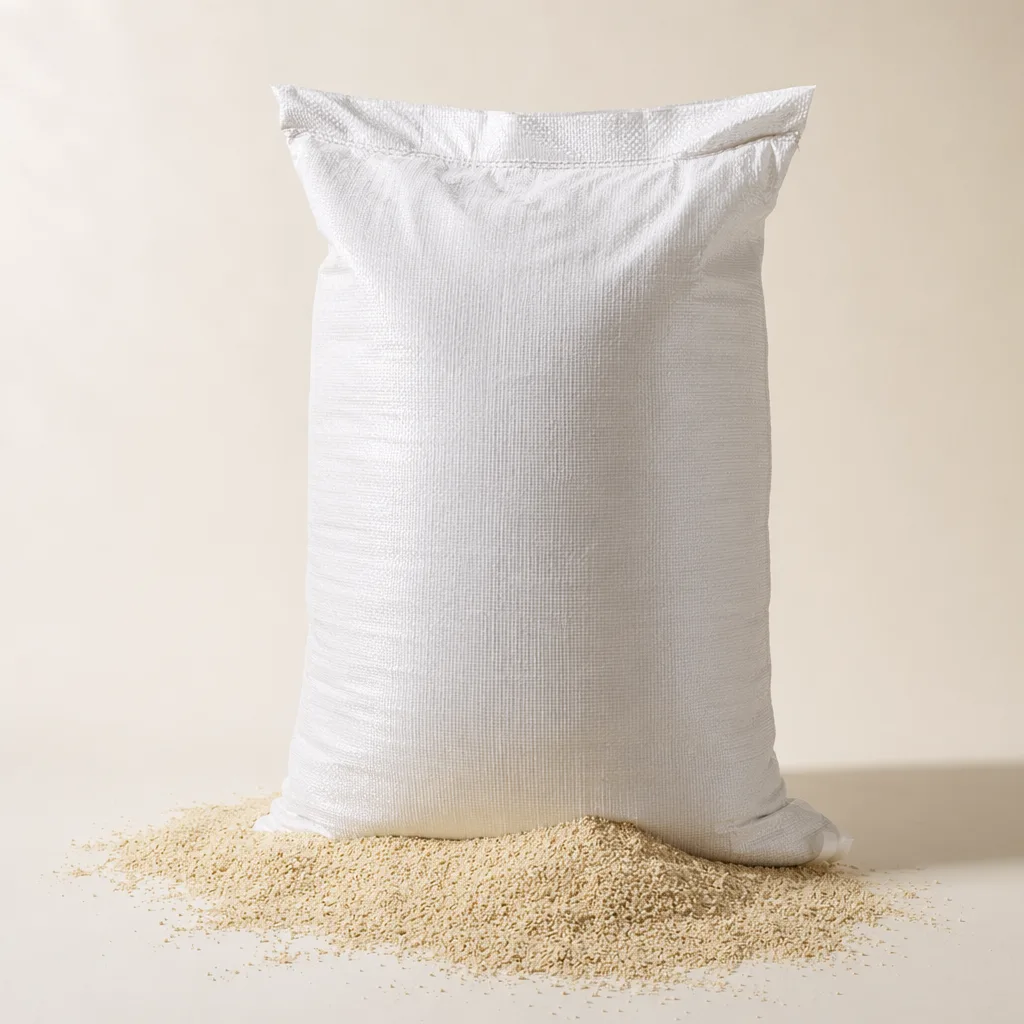
Feed-Grade Yeast Cell Wall for Animal Nutrition
Feed-grade yeast cell wall for livestock, poultry, ruminant, swine, and aquaculture nutrition.
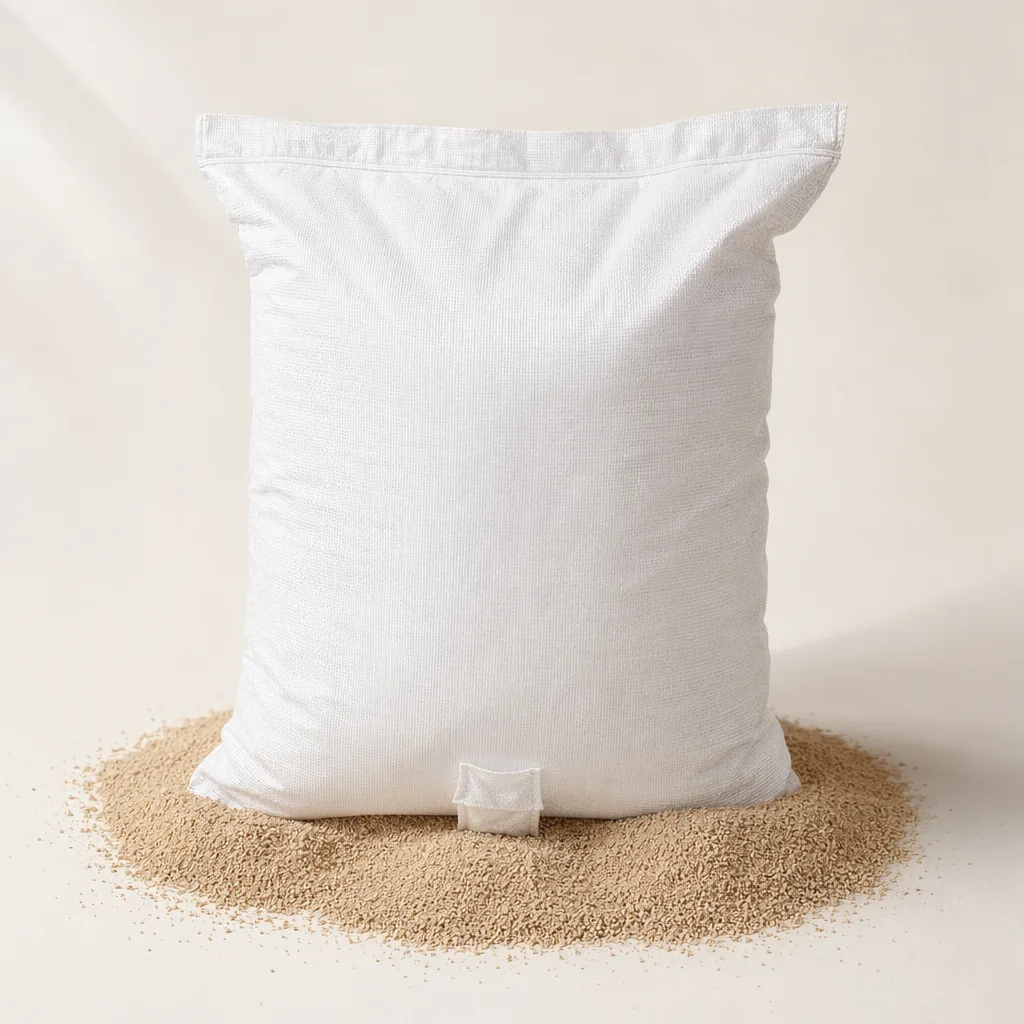
Feed Yeast AGP Alternative for Animal Nutrition
Feed-grade antibiotic(agps) alternative for livestock, poultry, ruminant, swine, and aquaculture nutrition.
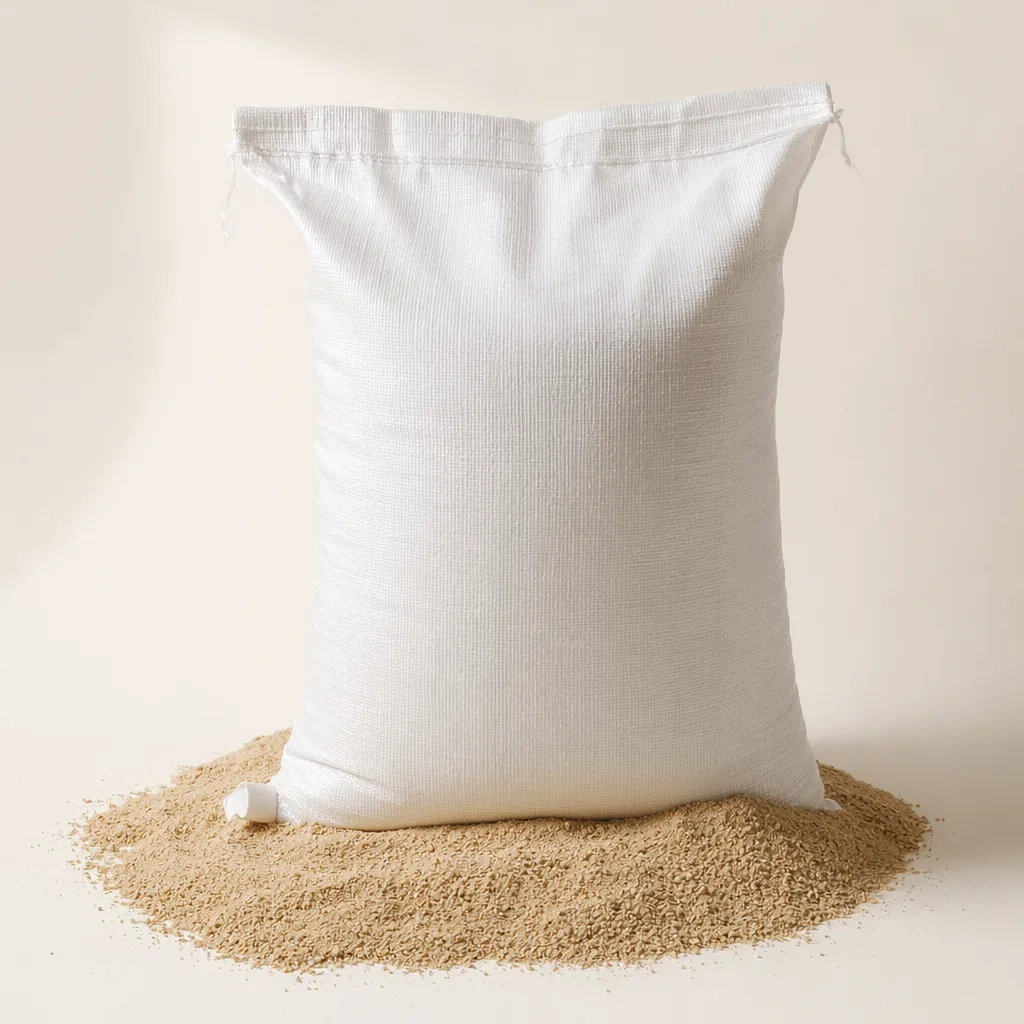
Feed-Grade Mycotoxin Binder for Animal Nutrition
Feed-grade mycotoxin binder for livestock, poultry, ruminant, swine, and aquaculture nutrition.
Ruminant Active Dry Yeast for Animal Feed
Feed-grade r+ active dry yeast ruminant for livestock, poultry, ruminant, swine, and aquaculture nutrition.