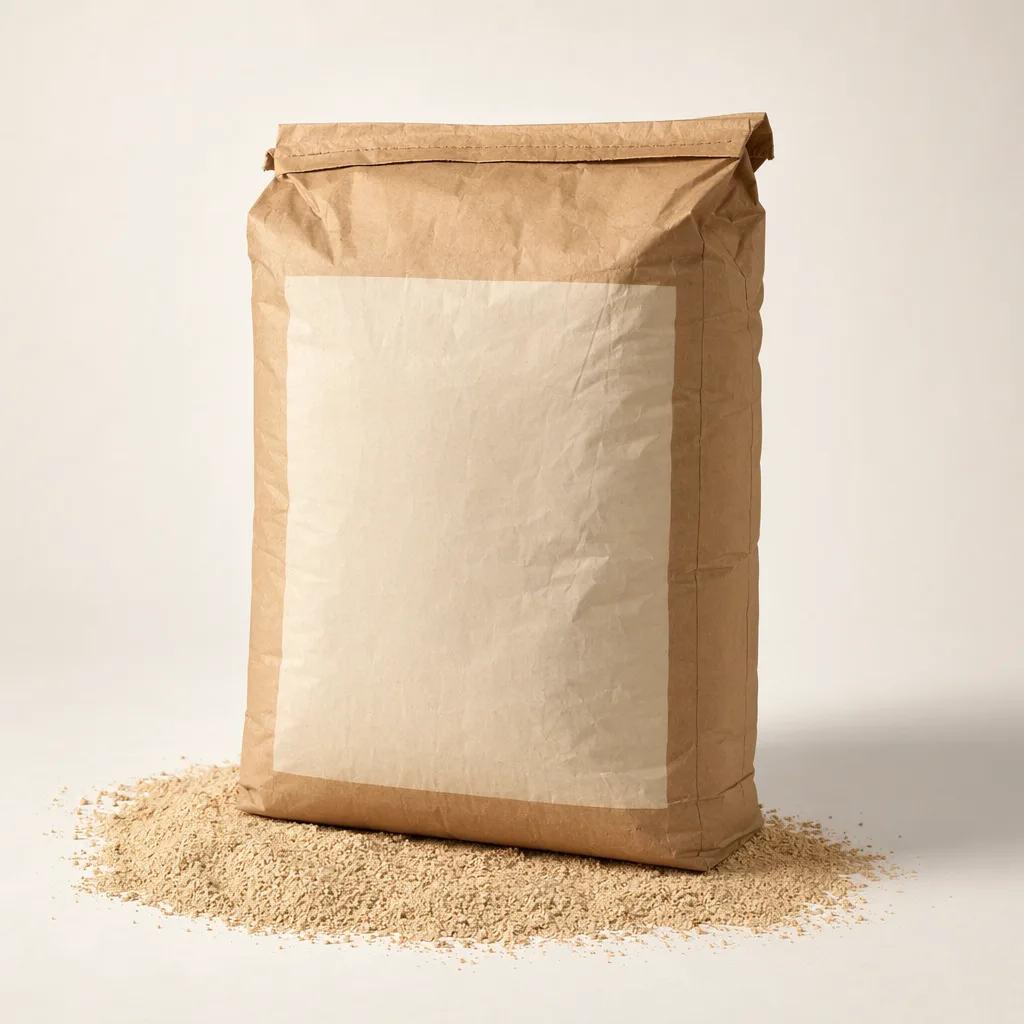
Feed Protease Enzyme for Livestock
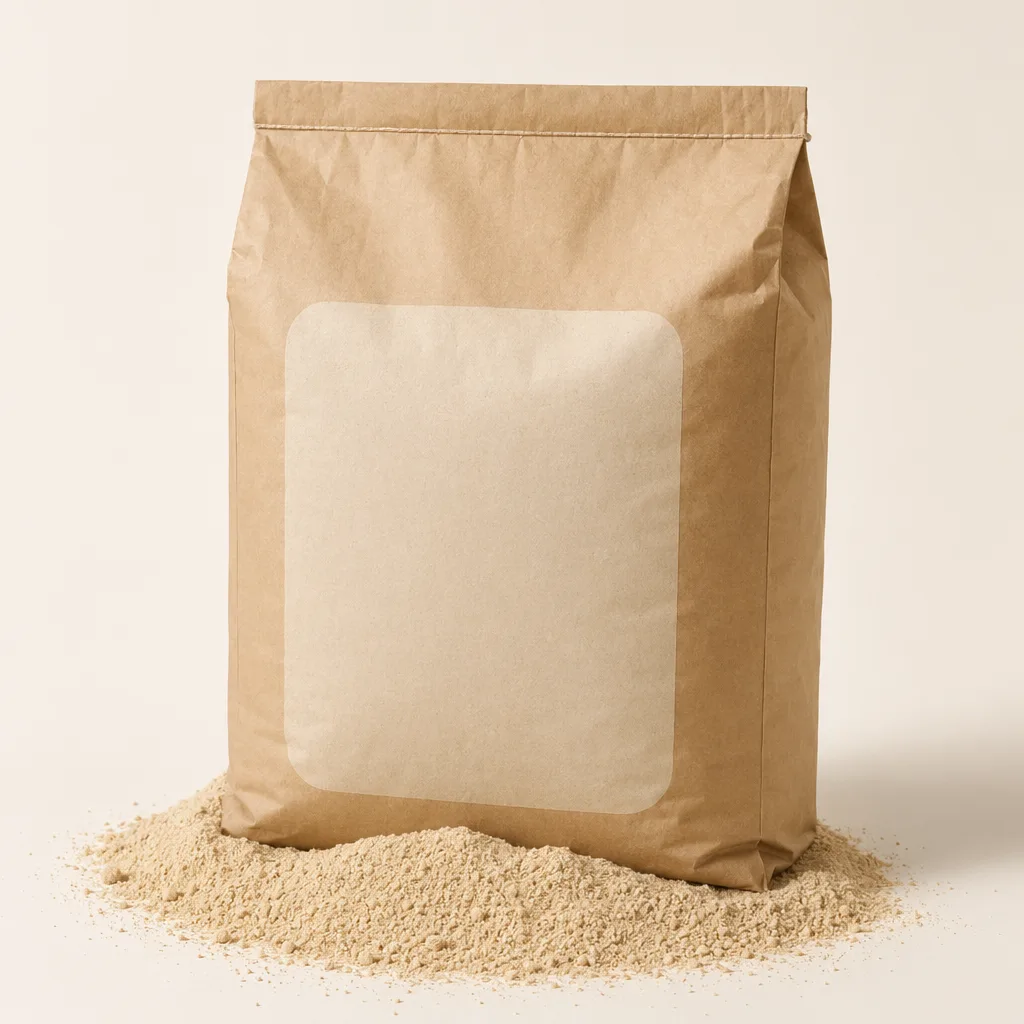
Feed protease enzyme for livestock is a technical feed additive used to hydrolyze dietary proteins into smaller peptides and amino acids during digestion and feed processing. ArtemisYeast supplies ART-EN-062 for feed mills, premix manufacturers, integrators, and distributors requiring consistent enzyme activity, controlled particle size, and export-ready documentation. The product is available in 25 kg multi-wall sacks, with wholesale pricing on request for pallet, container, and program supply.
- ✓ Free worldwide shipping
- ✓ ISO-aligned manufacturing
- ✓ Certificate of Analysis on request
- ✓ Bulk & custom volumes quoted on request
Overview
ART-EN-062 is an industrial protease preparation designed for animal feed and livestock nutrition systems where protein utilization, formulation flexibility, and batch-to-batch enzyme activity are procurement priorities. It is supplied as a free-flowing powder or granule, depending on the confirmed grade, for incorporation into premixes, concentrates, mash feed, and pelleted feed systems. Typical purchasing specifications may include enzyme activity in the range of 50,000 to 200,000 U/g, moisture not more than 10%, ash controlled by carrier selection, and particle size commonly aligned to 40 to 80 mesh or customer blending requirements. Final values are stated on the certificate of analysis for the ordered lot.
Protease acts on peptide bonds in feed proteins from soybean meal, rapeseed meal, fish meal, corn coproducts, and other protein sources. For nutritionists, the practical value is in supporting matrix formulation, reducing variability from raw material protein quality, and improving the technical performance of feed programs without changing the core protein source. For feed plant managers, the key considerations are dispersibility, dust control, premix uniformity, pelleting tolerance, and compatibility with vitamins, minerals, organic acids, yeast derivatives, and other functional ingredients. Related products can be reviewed in our enzymes and fermentation category.
Applications
- Poultry feed: Used in broiler, layer, breeder, and turkey diets where soybean meal and other plant proteins require consistent enzymatic support. Inclusion rate is set by activity unit, diet type, and formulation matrix, not by weight alone.
- Swine feed: Suitable for nursery, grower, finisher, and sow feed programs, especially where feed mills manage variable protein meals or reformulate based on amino acid economics.
- Ruminant and specialty livestock feed: Applied in concentrates, mineral blends, and specialty formulations where proteolytic activity is required under defined processing and feeding conditions.
- Premix and concentrate manufacturing: Compatible with carrier-based premixes when moisture, pH, and heat exposure are controlled. Uniform distribution should be validated through mixer studies and retained-sample testing.
- Integrated feed operations: Useful for procurement teams consolidating enzyme sourcing across multiple plants. For commercial evaluation, submit target activity, annual tonnage, destination port, and packaging requirements through request a bulk quote.
Storage and Handling
Store ART-EN-062 in the original sealed 25 kg multi-wall sack in a cool, dry, ventilated warehouse. Recommended storage is below 25 °C, away from direct sunlight, condensation, strong odors, and alkaline or oxidizing materials. Under proper storage, typical shelf life is 12 to 24 months depending on grade, coating, and activity guarantee; the confirmed retest period is printed on the product label or lot documentation. Once opened, reseal the sack promptly and use in production rotation to limit moisture pickup.
Protease is an active enzyme protein and should be handled using standard feed-plant dust controls. Operators should avoid generating airborne dust and should use appropriate protective equipment according to the safety data sheet. For pelleted feeds, thermal stability depends on residence time, conditioner temperature, steam quality, and protective coating. When high conditioning temperatures are required, request a pelleting-stable grade or validate residual activity after processing. Do not mix directly with concentrated acids, concentrated alkalis, disinfectants, or high-moisture ingredients for extended periods before feed manufacture.
Quality and Documentation
ArtemisYeast supplies ART-EN-062 under specification-controlled procurement with lot traceability, retained samples, and pre-shipment documentation support. Available documents may include certificate of analysis, specification sheet, safety data sheet, allergen statement, non-GMO statement where applicable, feed-grade declaration, country-of-origin statement, and packing list. Food and feed safety documentation, including HACCP-aligned manufacturing records and ISO 22000, FSSC 22000, Halal, or Kosher documentation where available for the selected production site, can be requested during qualification through our quality documentation process.
Recommended incoming quality checks include visual inspection, moisture, activity confirmation by agreed assay method, particle size, and packaging integrity. For R&D and feed formulation teams, ArtemisYeast can support comparison of activity units, recommended inclusion ranges, and matrix value assumptions. For procurement, we provide inquiry-only supply terms, export packaging confirmation, and wholesale pricing on request based on volume, delivery lane, documentation needs, and contract schedule.
Storage & Handling
Refer to the CoA for product-specific storage conditions. Ship cold-chain where required.
Quality & Documentation
Manufactured under ISO-aligned quality management systems. Full documentation — Certificate of Analysis (CoA), Material Safety Data Sheet (MSDS), formulation summary, and stability data — is available on request. Email info@artemisyeast.com with the SKU.
About this product
01 What is the typical shelf life?
02 Do you offer documentation (CoA, food-grade declaration)?
03 What is the minimum order quantity?
04 Is bulk pricing available?
05 How is this product shipped internationally?
More from Enzymes & Fermentation Inputs
Protein and Nucleic Acid Processing Enzyme Powder
Industrial enzyme — protein & nucleic acid processing for food, feed, brewing, and biotechnology processing.
Industrial Alpha-Amylase Enzyme for Starch Processing
Industrial enzyme — α- amylase for food, feed, brewing, and biotechnology processing.
β-Glucanase Enzyme for Brewing, Baking and Feed
Industrial enzyme — β-glucanase for food, feed, brewing, and biotechnology processing.
β-Mannanase Enzyme for Food, Feed, and Brewing
Industrial enzyme — β-mannanase for food, feed, brewing, and biotechnology processing.