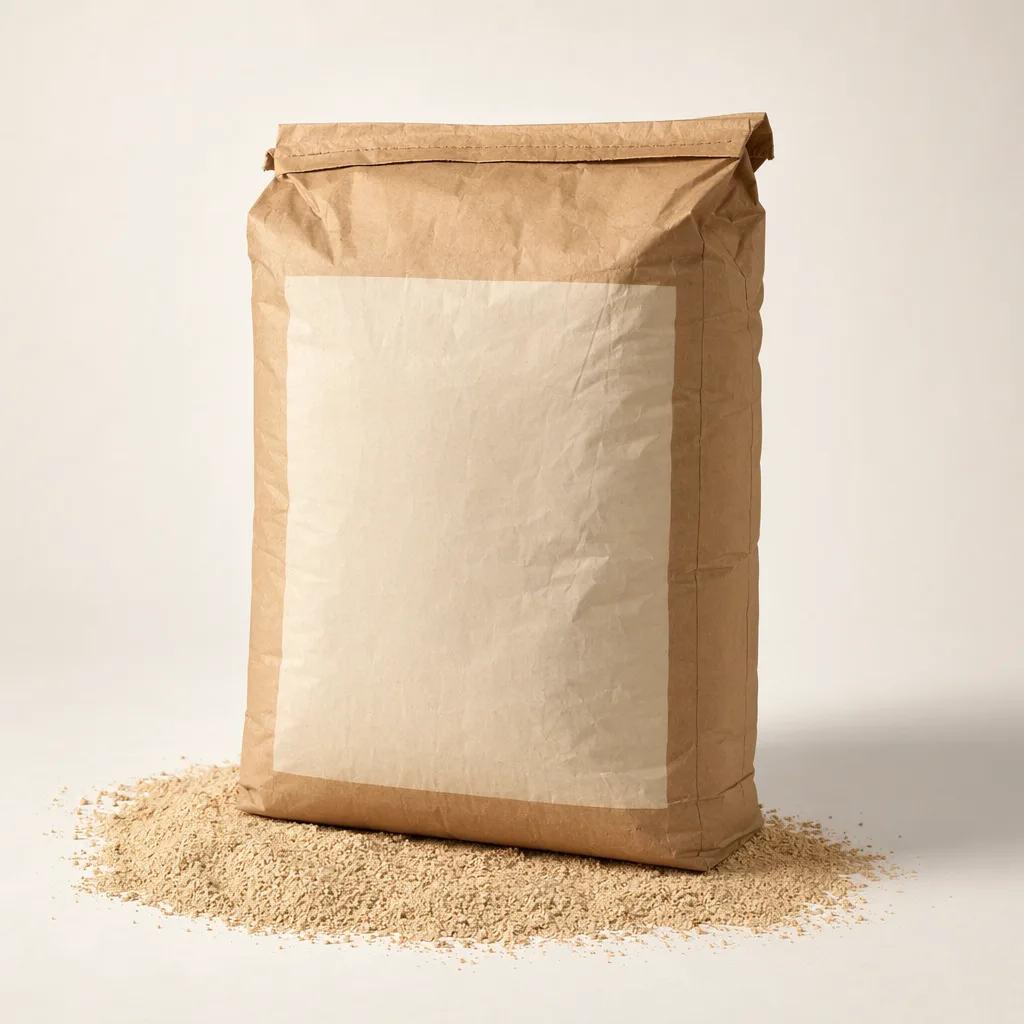
Protease Enzyme Powder
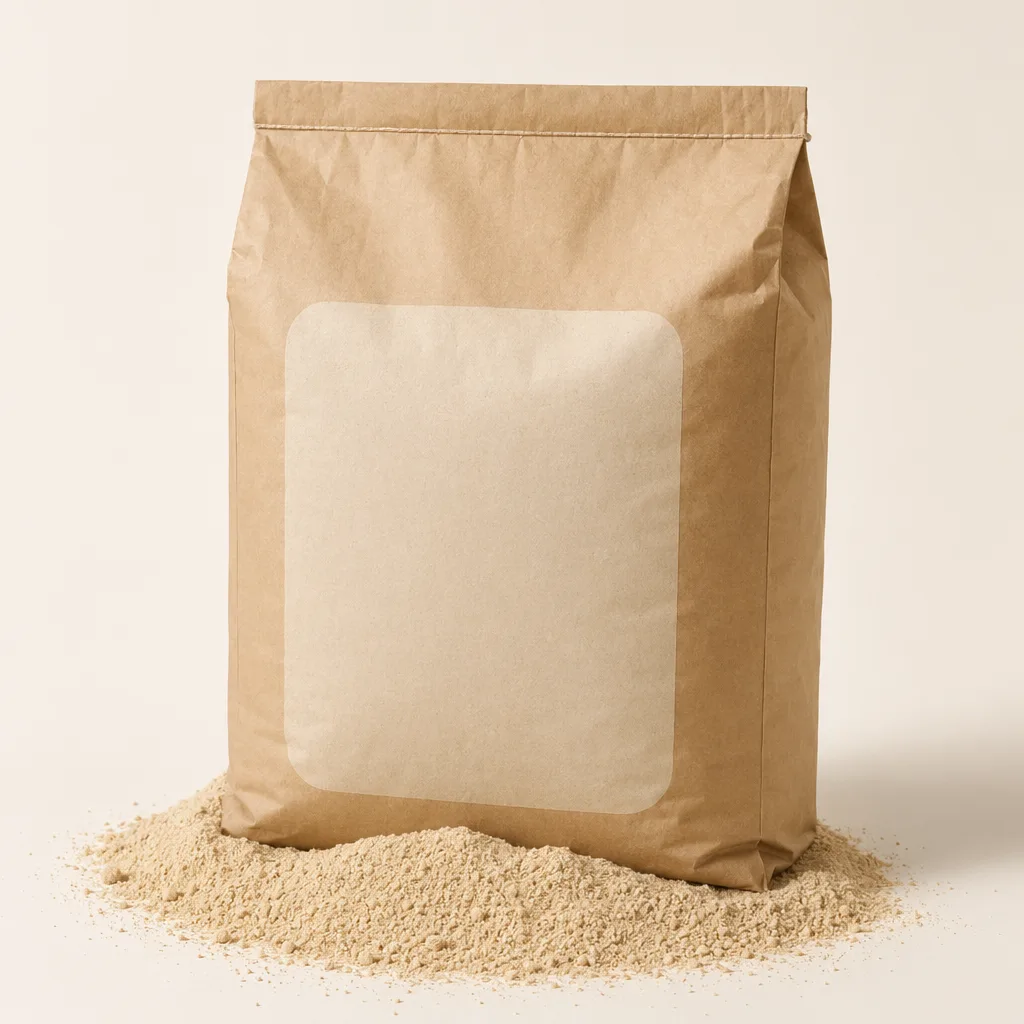
Protease is an industrial enzyme preparation that hydrolyzes proteins into smaller peptides and amino acids for controlled processing in food, feed, brewing, and biotechnology workflows. ArtemisYeast supplies ART-EN-015 in 25 kg multi-wall sacks for B2B procurement, formulation trials, and plant-scale use. Typical grades are selected by activity, pH profile, temperature tolerance, carrier system, and regulatory documentation requirements. Wholesale pricing on request is available for recurring bulk orders and project-based sourcing.
- ✓ Free worldwide shipping
- ✓ ISO-aligned manufacturing
- ✓ Certificate of Analysis on request
- ✓ Bulk & custom volumes quoted on request
Overview
ART-EN-015 protease is a dry enzyme powder designed for industrial protein modification where consistent hydrolysis, clean dispersion, and batch-to-batch documentation are required. Depending on the selected grade, activity may typically be specified in the 50,000-200,000 U/g range, with moisture commonly controlled at ≤8%, particle size generally passing 80 mesh, and a food- or feed-compatible carrier such as starch or maltodextrin. Neutral, acidic, and alkaline protease profiles can be matched to target process conditions, including pH ranges from approximately 4.0 to 10.0 and operating temperatures commonly between 35°C and 60°C.
In bakery systems, protease can adjust dough rheology by partial gluten protein hydrolysis, supporting machinability, extensibility, and process tolerance in high-throughput lines. In brewing, it can assist protein breakdown during mash or adjunct processing where haze management, filtration, and extract handling are key production considerations. In feed and biotechnology processing, protease is used as a technical processing aid for protein-rich substrates. Related enzyme options are available in the enzymes and fermentation category.
Applications
- Industrial bread baking: used in flour correction, frozen dough, cracker, biscuit, and high-speed pan bread systems where controlled dough softening or extensibility is needed. Trial dosing is normally validated against flour protein level, mixing energy, fermentation time, and line conditions.
- Craft and industrial brewing: suitable for mash optimization, adjunct processing, wort clarification support, and protein modification in recipes that require consistent processing performance across malt lots.
- Animal feed and livestock nutrition: applied in premix, mash feed, and pelleted feed programs as a protein-processing enzyme. Grade selection should consider pelleting temperature, coating strategy, activity retention, and compatibility with minerals, acids, and other additives.
- Food and biotechnology processing: used for hydrolysis of plant, dairy, yeast, or other protein substrates where peptide profile, viscosity reduction, solubility, or filtration behavior must be controlled. For project sourcing, request a bulk quote on request with target activity and application conditions.
Storage and Handling
Store unopened sacks in a cool, dry, well-ventilated warehouse, typically below 25°C and away from direct sunlight, condensation, strong odors, oxidants, and alkaline or acidic vapors. Keep packaging sealed after sampling to reduce moisture uptake and activity loss. Typical shelf life is 12-24 months from manufacture when stored under recommended conditions, subject to grade and CoA. Avoid aerosol generation during charging, weighing, and blending; use local dust control and appropriate operator protection. Enzyme powders should be pre-blended or dispersed according to plant procedures to minimize hot spots and ensure uniform activity distribution.
Quality and Documentation
ArtemisYeast supplies ART-EN-015 for inquiry-only B2B purchasing with specification review before shipment. Available documents may include Certificate of Analysis, product specification sheet, allergen statement, food-grade or feed-grade declaration, GMO status statement, safety data sheet, and country-specific shipping documents. Manufacturing and supplier controls can be reviewed through our quality documentation process; HACCP-aligned production information and ISO 22000, FSSC 22000, Halal, or Kosher documentation may be available depending on the grade and origin. Procurement teams should confirm target activity, permitted carrier, microbiological limits, heavy metal limits, packaging language, and destination compliance before issuing a purchase order.
Storage & Handling
Refer to the CoA for product-specific storage conditions. Ship cold-chain where required.
Quality & Documentation
Manufactured under ISO-aligned quality management systems. Full documentation — Certificate of Analysis (CoA), Material Safety Data Sheet (MSDS), formulation summary, and stability data — is available on request. Email info@artemisyeast.com with the SKU.
About this product
01 What is the typical shelf life?
02 Do you offer documentation (CoA, food-grade declaration)?
03 What is the minimum order quantity?
04 Is bulk pricing available?
05 How is this product shipped internationally?
More from Enzymes & Fermentation Inputs
Protein and Nucleic Acid Processing Enzyme Powder
Industrial enzyme — protein & nucleic acid processing for food, feed, brewing, and biotechnology processing.
Industrial Alpha-Amylase Enzyme for Starch Processing
Industrial enzyme — α- amylase for food, feed, brewing, and biotechnology processing.
β-Glucanase Enzyme for Brewing, Baking and Feed
Industrial enzyme — β-glucanase for food, feed, brewing, and biotechnology processing.
β-Mannanase Enzyme for Food, Feed, and Brewing
Industrial enzyme — β-mannanase for food, feed, brewing, and biotechnology processing.