Protein & Nucleic Acid Processing Enzyme
Protein & Nucleic Acid Processing Enzyme is an industrial food-processing enzyme preparation used to modify protein and nucleic-acid substrates during large-scale bread and fermentation workflows. Supplied as SKU ART-EN-018 in 25 kg multi-wall sacks, it is intended for controlled processing in bakeries, premix plants, brewing, feed, and biotechnology operations. ArtemisYeast supports inquiry-only supply with technical documentation, lot traceability, and wholesale pricing on request.
- ✓ Free worldwide shipping
- ✓ ISO-aligned manufacturing
- ✓ Certificate of Analysis on request
- ✓ Bulk & custom volumes quoted on request
Overview
ART-EN-018 is a matrix enzyme product for bread-baking-industrial applications where protein modification, yeast nutrient release, and substrate conditioning must be managed consistently at plant scale. The product is typically specified for flour systems, dough improver blends, fermentation adjuncts, and process trials requiring protease and nucleic-acid-processing functionality. It is not a live yeast product; CFU/g is not applicable. Typical purchasing checks include declared enzyme activity by lot, moisture target not more than 8%, fine powder appearance, and dispersion through standard dry-blend equipment.
In baking systems, protein processing can support dough extensibility, mixing tolerance, and machinability when used at controlled dosage. Nucleic-acid-processing functionality is relevant where yeast-derived or fermentation-derived substrates are converted for improved solubility, extract development, or downstream blending. Recommended starting trials are commonly in the 10–100 ppm range on flour weight, with final use level validated against flour strength, fermentation time, salt, sugar, fat, oxidant, and emulsifier conditions. Related enzyme materials can be reviewed in the enzymes and fermentation category.
Applications
- Industrial bread and bun lines: used in dough improver systems where controlled protein modification is required for sheeting, moulding, proofing, or high-speed pan bread operations.
- Premix and bakery ingredient manufacturing: suitable for dry blending into improver concentrates, flour correctors, and plant-specific functional blends; sieve behavior and carrier compatibility should be confirmed by pilot batch.
- Brewing and fermentation support: applicable to substrate conditioning, yeast-derived ingredient processing, and fermentation nutrient preparation where protein and nucleotide fractions are part of the formulation objective.
- Feed and biotechnology processing: used as an industrial processing aid for proteinaceous or yeast-derived raw materials, subject to local regulatory status and finished-product labeling requirements.
- R&D and plant validation: supports comparative trials on dough rheology, viscosity reduction, extract yield, nitrogen release, and process repeatability before scale-up.
Storage and Handling
Store ART-EN-018 in the original sealed 25 kg multi-wall sack in a dry, shaded warehouse, ideally below 25 °C and away from steam lines, direct sunlight, and high humidity. Avoid prolonged exposure after opening; reclose partially used sacks or transfer to a clean sealed container. Typical shelf life is 12–24 months when stored as recommended, subject to the lot CoA and production date. Enzyme powders should be handled with local dust controls, protective gloves, eye protection, and appropriate respiratory protection where airborne dust may occur.
Quality and Documentation
Each commercial lot can be supplied with a Certificate of Analysis confirming product name, SKU ART-EN-018, batch number, manufacture date, key physical parameters, and declared activity or assay basis where applicable. Additional documents may include specification sheet, food-grade statement, allergen status, safety data sheet, and origin information. Manufacturing and supplier controls are reviewed against HACCP-aligned and food-safety management expectations; ISO 22000, FSSC 22000, Halal, or Kosher documentation is available on request when applicable to the selected production route.
Procurement teams may request pre-shipment samples, retention-sample policy, packaging photos, and import documentation through the bulk quote request process. ArtemisYeast also supports supplier qualification through the quality documentation center, including lot traceability and specification alignment for repeat orders.
Storage & Handling
Refer to the CoA for product-specific storage conditions. Ship cold-chain where required.
Quality & Documentation
Manufactured under ISO-aligned quality management systems. Full documentation — Certificate of Analysis (CoA), Material Safety Data Sheet (MSDS), formulation summary, and stability data — is available on request. Email info@artemisyeast.com with the SKU.
About this product
01 What is the typical shelf life?
02 Do you offer documentation (CoA, food-grade declaration)?
03 What is the minimum order quantity?
04 Is bulk pricing available?
05 How is this product shipped internationally?
More from Enzymes & Fermentation Inputs
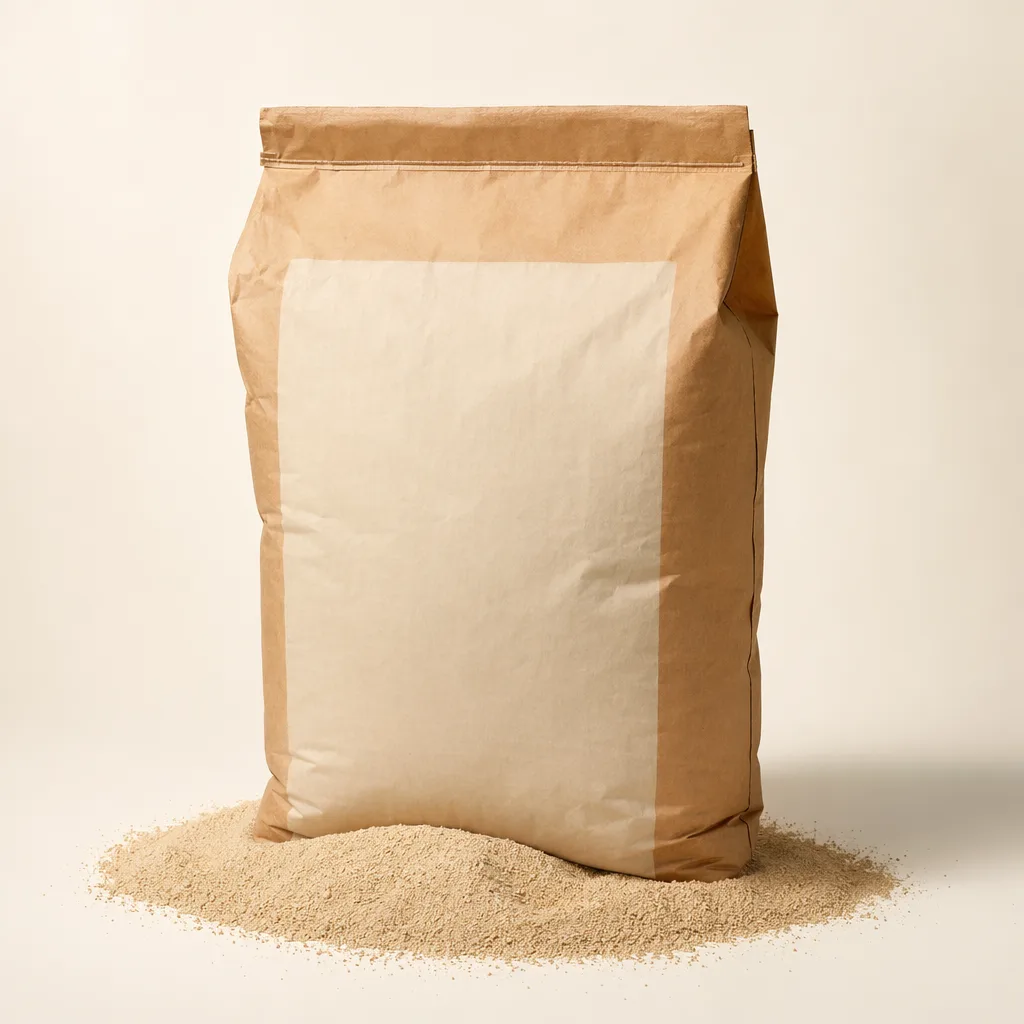
Protein and Nucleic Acid Processing Enzyme Powder
Industrial enzyme — protein & nucleic acid processing for food, feed, brewing, and biotechnology processing.
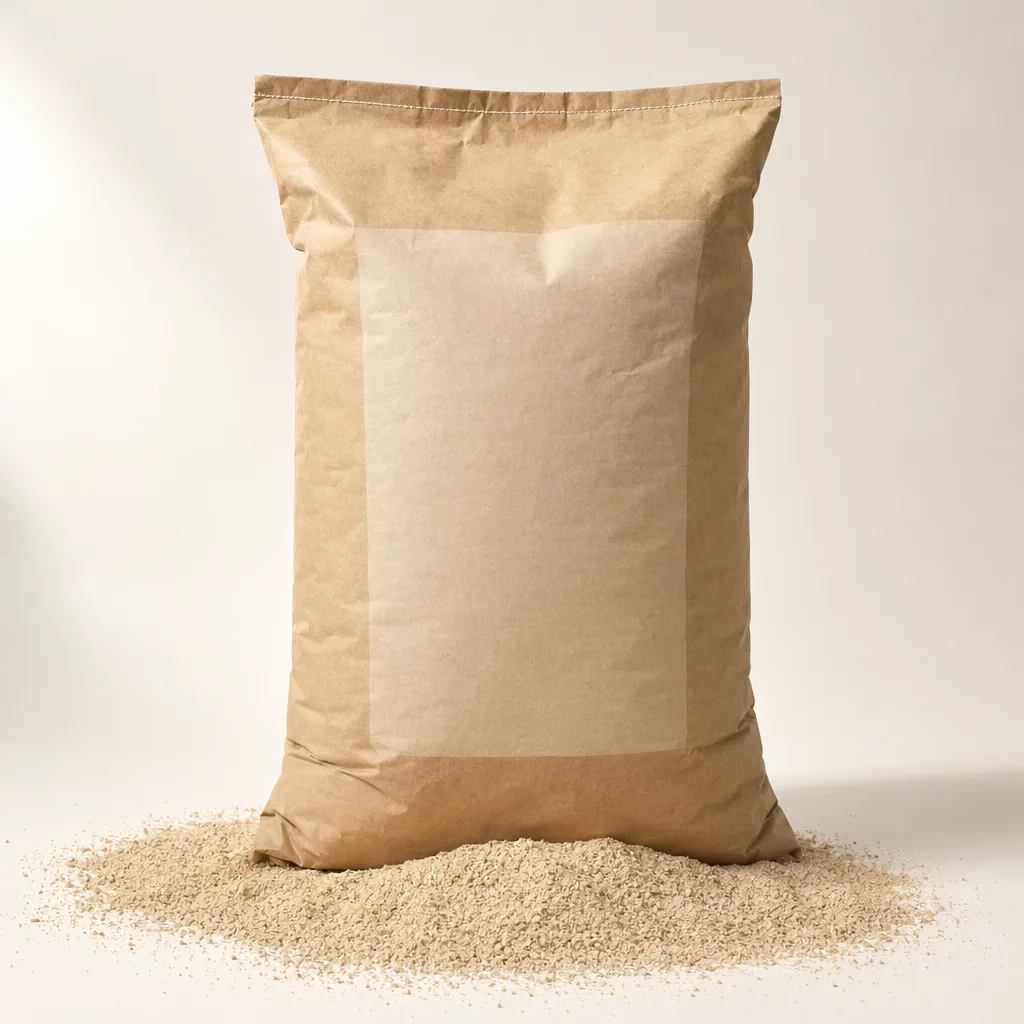
Industrial Alpha-Amylase Enzyme for Starch Processing
Industrial enzyme — α- amylase for food, feed, brewing, and biotechnology processing.
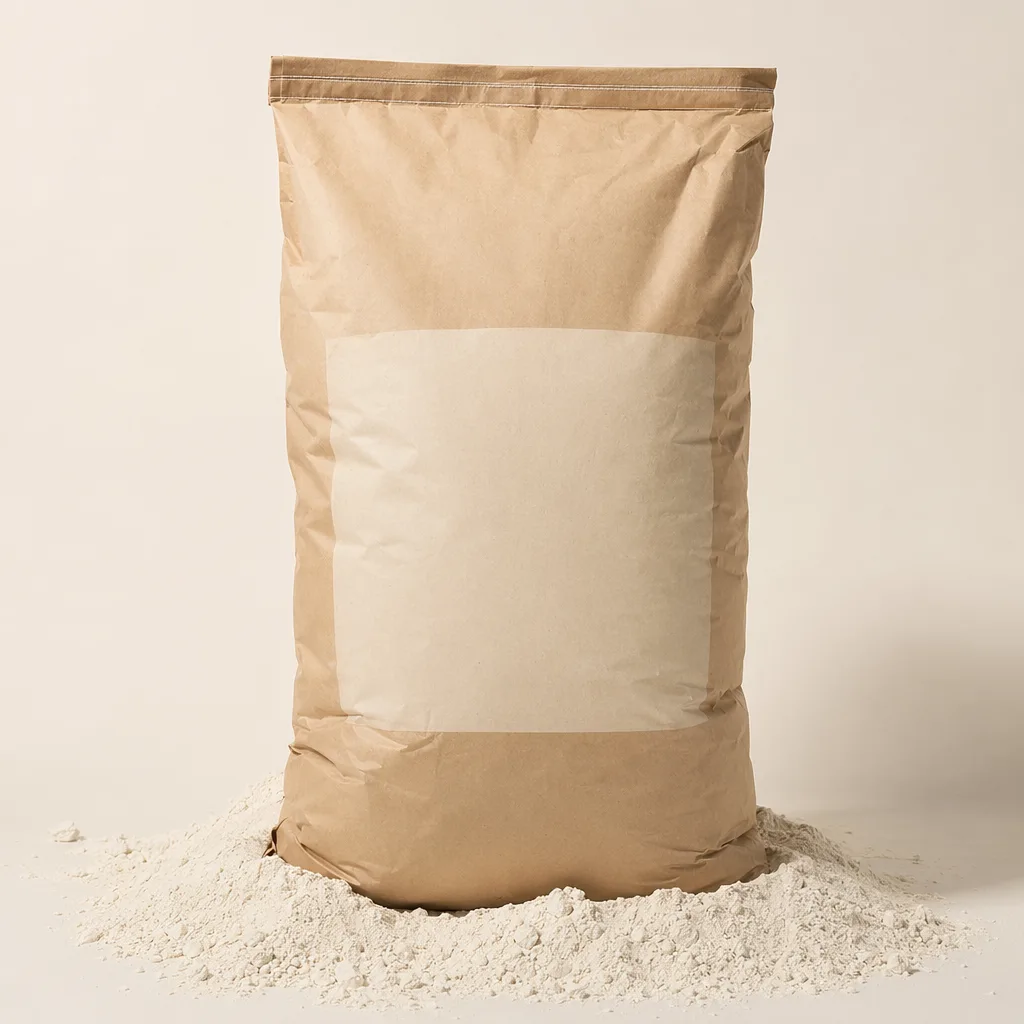
β-Glucanase Enzyme for Brewing, Baking and Feed
Industrial enzyme — β-glucanase for food, feed, brewing, and biotechnology processing.
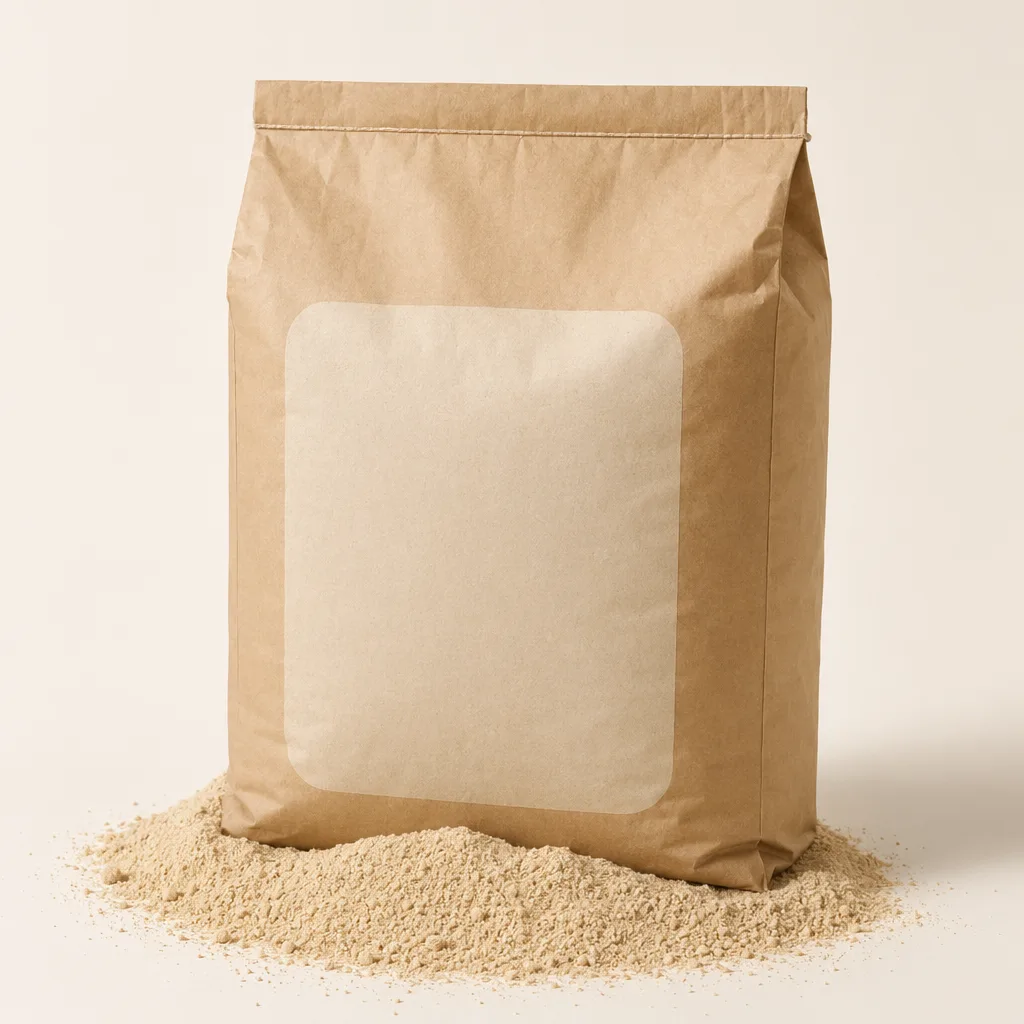
β-Mannanase Enzyme for Food, Feed, and Brewing
Industrial enzyme — β-mannanase for food, feed, brewing, and biotechnology processing.