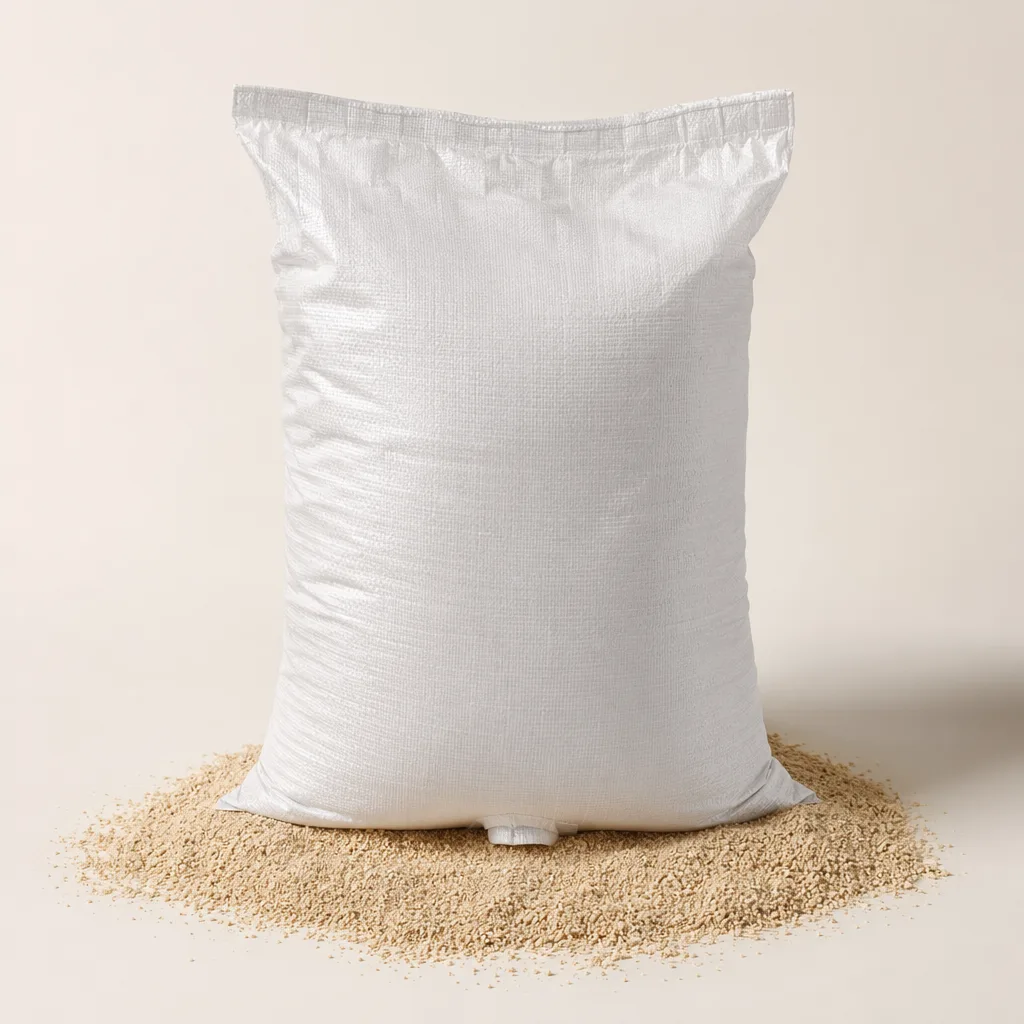
Selenium Yeast for Animal Feed
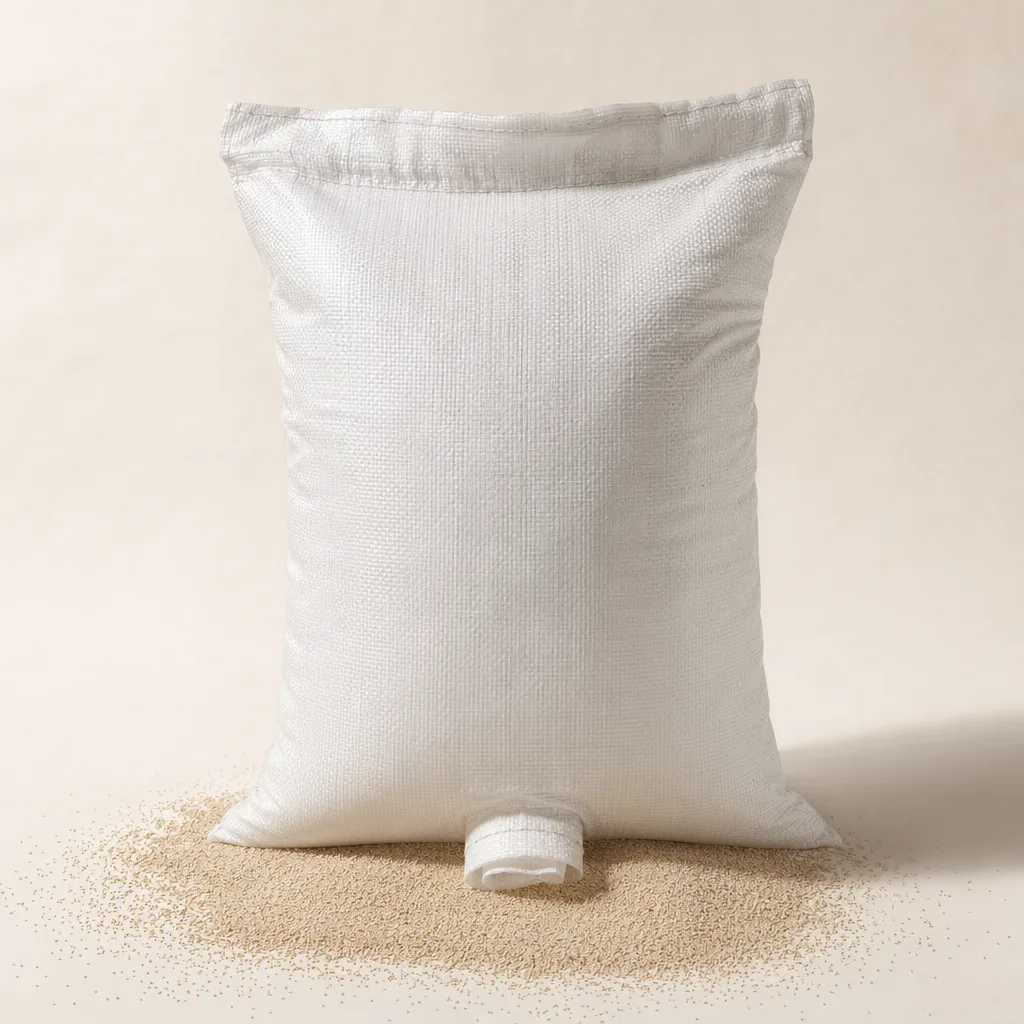
Selenium yeast is an inactivated Saccharomyces cerevisiae feed ingredient enriched with yeast-bound selenium for livestock and aquaculture premixes. ART-AN-094 is supplied for feed mills, integrators, premix blenders, and nutrition brands requiring a trace mineral source with consistent assay, controlled moisture, and practical handling in dry formulations. Standard packing is a 25 kg woven polypropylene feed sack. Wholesale pricing on request is available for container, pallet, and recurring contract volumes.
- ✓ Free worldwide shipping
- ✓ ISO-aligned manufacturing
- ✓ Certificate of Analysis on request
- ✓ Bulk & custom volumes quoted on request
Overview
ART-AN-094 selenium yeast is produced by cultivating selected yeast under controlled selenium feeding conditions, followed by drying and milling for use in animal feed. The material is typically specified by total selenium assay, moisture, protein, particle size, and microbiological limits. Common commercial grades include 1,000 to 2,000 mg/kg total selenium, with a selenomethionine-rich organic selenium profile; final specification should be confirmed against the purchase contract and local feed regulations.
Typical technical targets include moisture not more than 8.0%, crude protein 35% to 45%, ash not more than 12%, and 95% passing 40 mesh, with no viable yeast count guaranteed because the product is intended as an inactive feed ingredient. It is designed for uniform dispersion in vitamin-mineral premixes, complete feeds, concentrates, and aquatic feed blends. Related ingredients can be reviewed in our animal nutrition yeast category.
Applications
- Poultry feed: used in broiler, layer, breeder, and turkey premixes where nutritionists require a controlled source of yeast-bound selenium in mash, crumble, or pellet systems.
- Swine nutrition: suitable for sow, nursery, grower, and finisher formulas when organic trace mineral inclusion is part of the ration design.
- Ruminant feeds: used in dairy, beef, sheep, and goat concentrates, mineral blocks, and total mixed ration supplements, subject to regional selenium inclusion limits.
- Aquaculture: applicable in shrimp, fish, and other aquatic feeds that require stable dry blending performance and trace mineral consistency.
- Premix manufacturing: compatible with common carriers such as limestone, rice hulls, wheat middlings, and mineral carriers. For contract volume planning, submit a bulk quote on request with target selenium assay, annual demand, and destination port.
Storage and Handling
Store selenium yeast in the original sealed 25 kg feed sacks in a cool, dry, ventilated warehouse, away from direct sunlight, water, strong odors, and reactive chemicals. Recommended storage temperature is below 25 °C where practical, with relative humidity controlled to reduce caking risk. Under unopened dry storage, typical shelf life is 24 months from manufacturing date; retesting is recommended if stock is held beyond the declared period.
Use normal feed-plant dust controls during charging, weighing, and transfer. Because selenium is a regulated trace element, inclusion rates must be calculated by a qualified feed formulator and verified against national or regional maximum limits for the target species. The product should be preblended before addition to large mixers to support uniform distribution at low inclusion levels.
Quality and Documentation
Each lot can be supplied with a certificate of analysis covering selenium assay, moisture, appearance, particle size where tested, and relevant microbiological indicators. Additional documents may include feed-grade declaration, ingredient statement, allergen statement, non-GMO statement where applicable, Halal or Kosher status where available, and safety data sheet. Manufacturing and supplier qualification programs are aligned with feed safety practices; documentation such as HACCP, ISO 22000, or FSSC 22000 may be provided when available for the contracted origin.
ArtemisYeast supports procurement teams with lot traceability, pre-shipment document review, export packing confirmation, and specification matching for tender files. Visit quality and documentation for our approach to supplier verification, batch release, and international shipment records.
Storage & Handling
Refer to the CoA for product-specific storage conditions. Ship cold-chain where required.
Quality & Documentation
Manufactured under ISO-aligned quality management systems. Full documentation — Certificate of Analysis (CoA), Material Safety Data Sheet (MSDS), formulation summary, and stability data — is available on request. Email info@artemisyeast.com with the SKU.
About this product
01 What is the typical shelf life?
02 Do you offer documentation (CoA, food-grade declaration)?
03 What is the minimum order quantity?
04 Is bulk pricing available?
05 How is this product shipped internationally?
More from Animal Nutrition Yeast
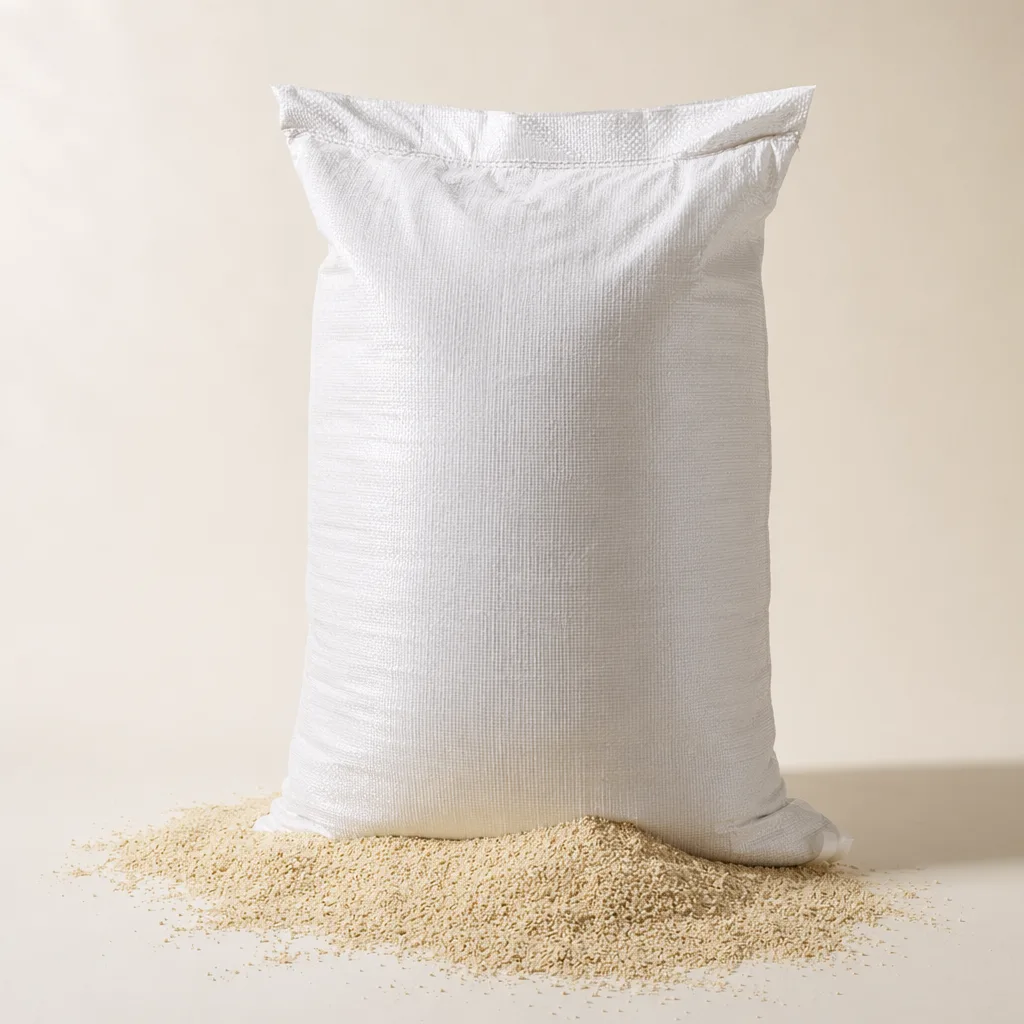
Feed-Grade Yeast Cell Wall for Animal Nutrition
Feed-grade yeast cell wall for livestock, poultry, ruminant, swine, and aquaculture nutrition.
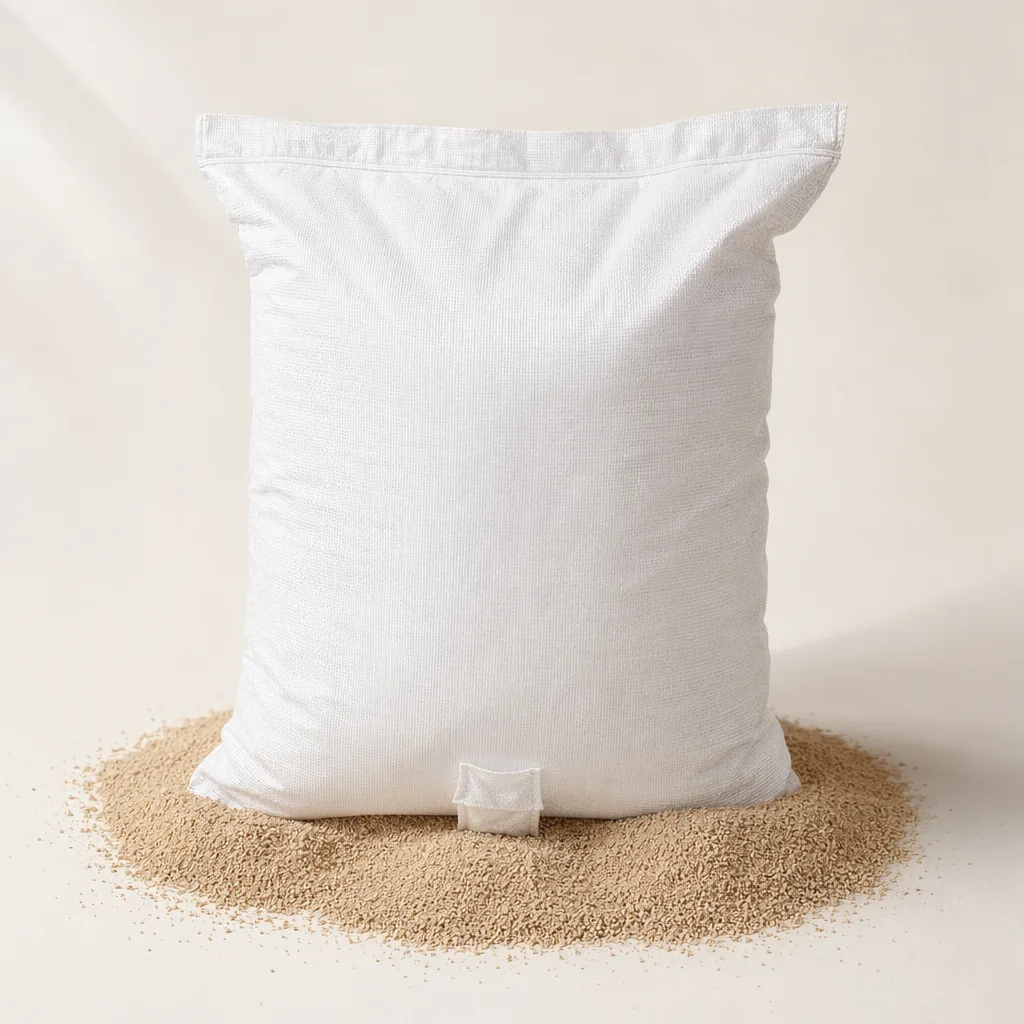
Feed Yeast AGP Alternative for Animal Nutrition
Feed-grade antibiotic(agps) alternative for livestock, poultry, ruminant, swine, and aquaculture nutrition.
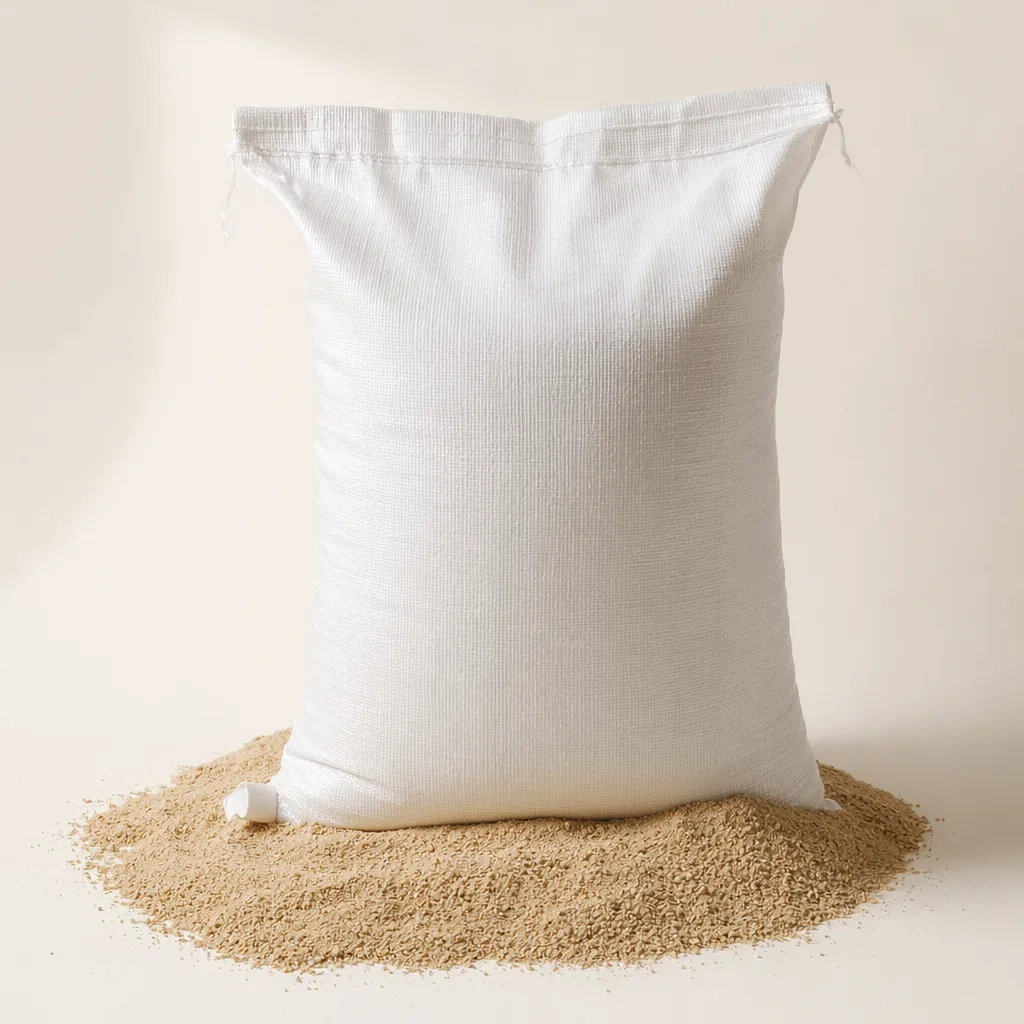
Feed-Grade Mycotoxin Binder for Animal Nutrition
Feed-grade mycotoxin binder for livestock, poultry, ruminant, swine, and aquaculture nutrition.
Ruminant Active Dry Yeast for Animal Feed
Feed-grade r+ active dry yeast ruminant for livestock, poultry, ruminant, swine, and aquaculture nutrition.