Super Turbo Yeast
Super turbo yeast is an active dry yeast and nutrient blend formulated for rapid, high-gravity alcoholic fermentation. ART-BW-004 is supplied in 10 kg foil pouches for craft brewers, winemakers, distillers, and industrial fermentation plants that need consistent attenuation, strong restart performance, and practical warehouse handling. ArtemisYeast supplies this product on an inquiry-only basis, with wholesale pricing on request for carton, pallet, and container-volume procurement.
- ✓ Free worldwide shipping
- ✓ ISO-aligned manufacturing
- ✓ Certificate of Analysis on request
- ✓ Bulk & custom volumes quoted on request
Overview
ART-BW-004 Super Turbo Yeast is a dry fermentation blend combining selected active dry yeast with fermentation nutrients designed for sugar, grain, fruit, and molasses-based wash systems. It is intended for high-gravity fermentations where speed, alcohol tolerance, and predictable terminal gravity are important operating parameters. The product is supplied as free-flowing beige to light tan granules or powder in a 10 kg foil pouch, suitable for breweries, wineries, distilleries, and bioethanol facilities evaluating scalable yeast inputs.
Typical technical targets include moisture not more than 8.0%, viable yeast count not less than 5×10^9 CFU/g blend at packing, and recommended pitching range of 0.8-2.0 g/L depending on substrate gravity, temperature, and required cycle time. Under controlled conditions with adequate assimilable nitrogen, pH control, and oxygen management at the start of fermentation, the yeast system can support high attenuation and alcohol levels commonly used in turbo wash operations. For adjacent fermentation inputs, see our brewing and winemaking yeast category.
Applications
- Craft brewing: trial batches, high-gravity wort fermentation, specialty base alcohol streams, and process development where fast sugar uptake is required.
- Winemaking and fruit wine: fermentation of adjusted musts where the plant needs robust yeast performance across variable fruit sugar and acidity profiles.
- Distilled spirits wash: grain, sugar, molasses, or mixed carbohydrate wash preparation before distillation, with dosage adjusted to gravity, temperature, and desired residence time.
- Bioethanol: industrial alcohol fermentation where dry yeast logistics, batch repeatability, and high-solids tolerance are key purchasing and production considerations.
- R&D scale-up: pilot fermenters and plant trials comparing attenuation curve, heat generation, foam behavior, volatile profile, and residual sugar across feedstocks.
Recommended operating conditions are generally 28-35 °C for rapid fermentation, with pH commonly managed in the 4.0-5.2 range according to substrate and plant SOP. Rehydration in clean water at 35-40 °C for 15-20 minutes may improve dispersion in demanding media, although direct pitching can be evaluated when agitation and hydration time are sufficient. For purchasing support, packaging options, and lead-time confirmation, submit a bulk quote on request with target application and annual volume.
Storage and Handling
Store sealed 10 kg foil pouches in a cool, dry, odor-free warehouse away from direct sunlight, steam lines, oxidizing chemicals, and strong aromas. Recommended storage is below 20 °C; refrigerated storage at 2-10 °C can help maintain viability during long inventory cycles. Keep relative humidity low and reseal any opened pouch immediately, or transfer remaining material to a clean, dry, airtight container.
Typical shelf life is 24 months from manufacture when the original package remains sealed and storage conditions are controlled. Once opened, use promptly according to site hygiene procedures. Avoid adding dry yeast directly to very hot liquid, high free-SO2 must, concentrated acids, or undiluted cleaning chemicals. In high-gravity systems, fermentation heat can rise quickly; plant managers should confirm cooling capacity, tank headspace, antifoam policy, and CO2 ventilation before full-scale use.
Quality and Documentation
ArtemisYeast supplies ART-BW-004 for commercial fermentation buyers requiring lot traceability and import-ready documentation. Standard quality checks may include appearance, odor, moisture, viable count, microbiological indicators, and packaging integrity. A Certificate of Analysis can be provided for released lots, and typical specification sheets, allergen statements, food-grade declarations, and safety data sheets are available on request.
Manufacturing and packing documentation can be aligned with HACCP-style controls, and documentation for ISO 22000, FSSC 22000, Halal, or Kosher status may be available depending on the producing site and lot selected. Buyers should confirm any certification requirement before purchase order placement. ArtemisYeast supports technical review for dosage, trial design, and substitution projects; see our quality and documentation page for the type of records commonly prepared for international B2B shipments.
Storage & Handling
Refer to the CoA for product-specific storage conditions. Ship cold-chain where required.
Quality & Documentation
Manufactured under ISO-aligned quality management systems. Full documentation — Certificate of Analysis (CoA), Material Safety Data Sheet (MSDS), formulation summary, and stability data — is available on request. Email info@artemisyeast.com with the SKU.
About this product
01 What is the typical shelf life?
02 Do you offer documentation (CoA, food-grade declaration)?
03 What is the minimum order quantity?
04 Is bulk pricing available?
05 How is this product shipped internationally?
More from Brewing & Winemaking Yeast
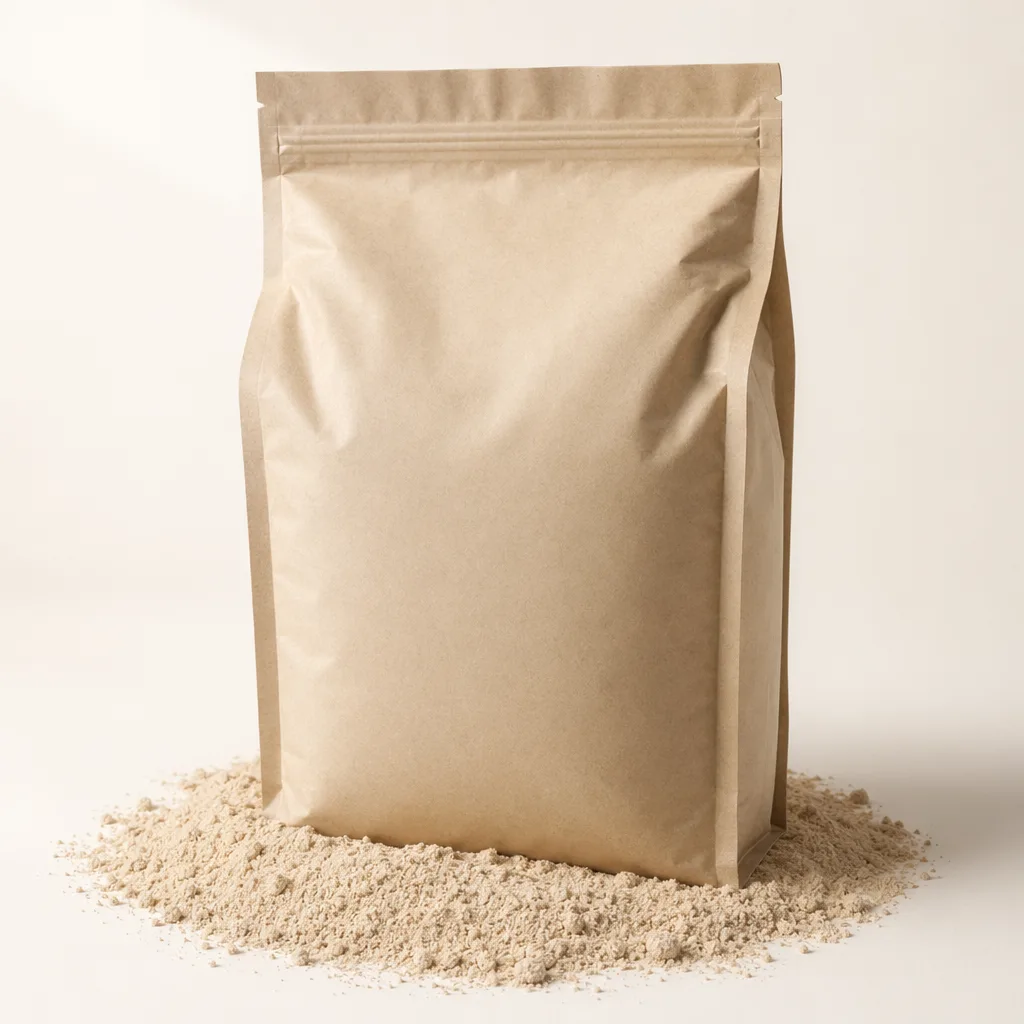
Dry Fermentation Nutrients and Protectors for Yeast
Active dry nutrients and protectors for craft brewers, winemakers, distillers, and industrial fermentation.
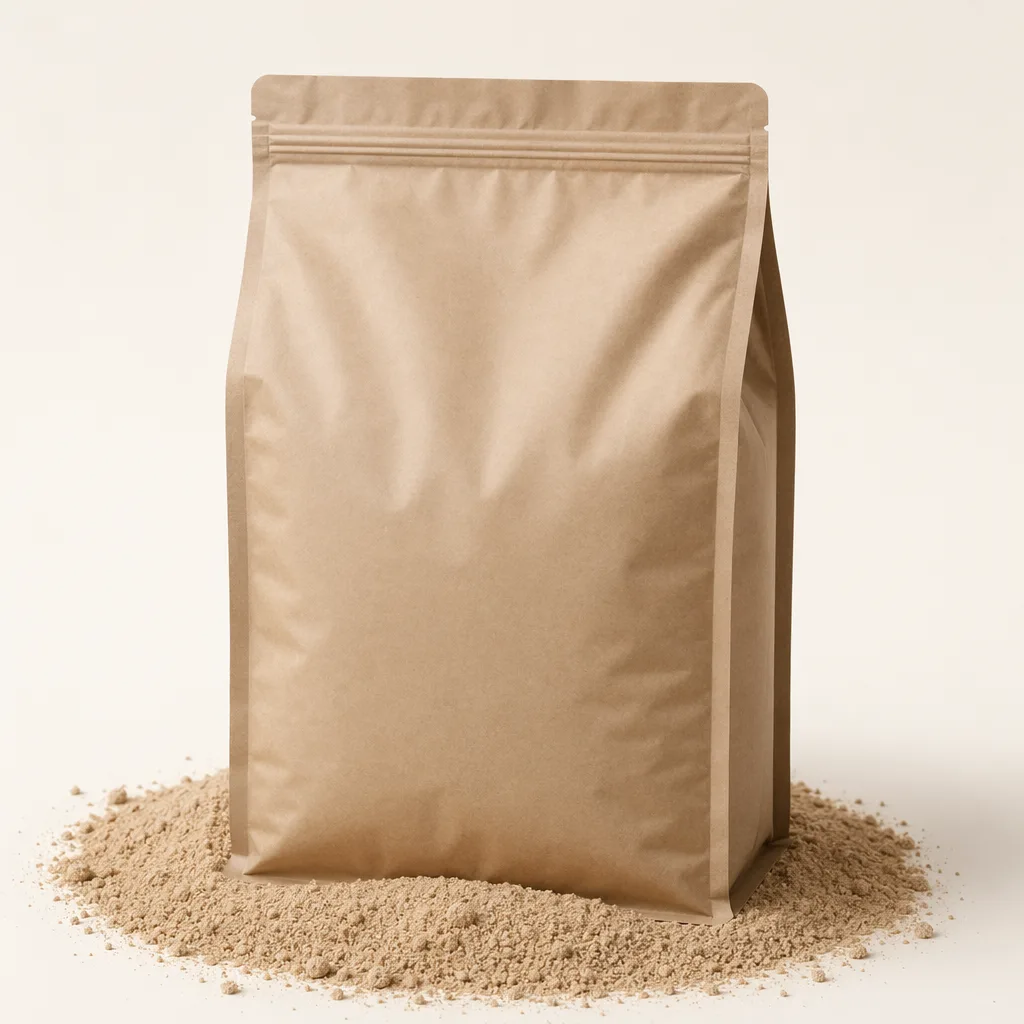
Dry Winemaking Enzyme for Fermentation Processing
Active dry winemaking enzyme for craft brewers, winemakers, distillers, and industrial fermentation.
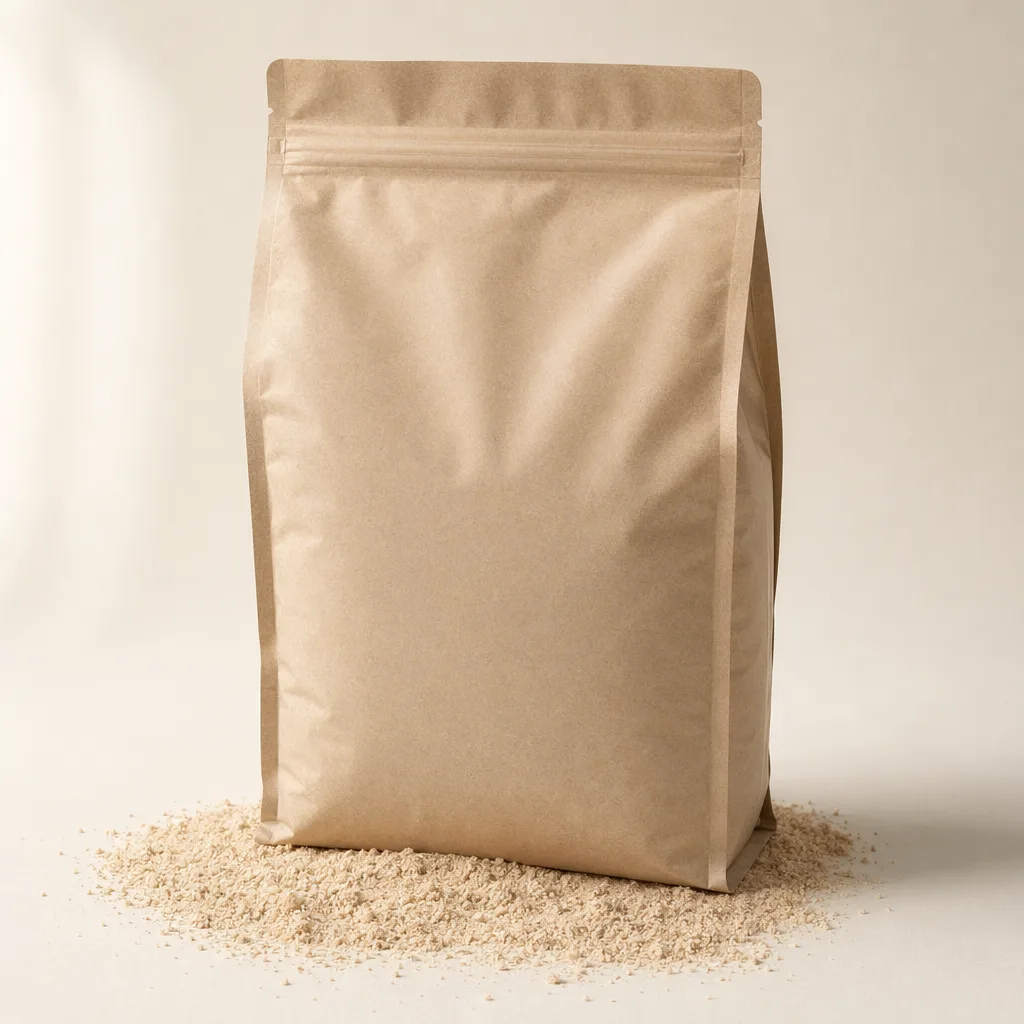
Super Turbo Yeast for Craft Brewing, 10 kg Pouch
Super Turbo Yeast for craft brewing applications. Active dry super turbo yeast for craft brewers, winemakers,…
Super Turbo Yeast for Winemaking, 10 kg Foil Pouch
Super Turbo Yeast for winemaking applications. Active dry super turbo yeast for craft brewers, winemakers, dis…